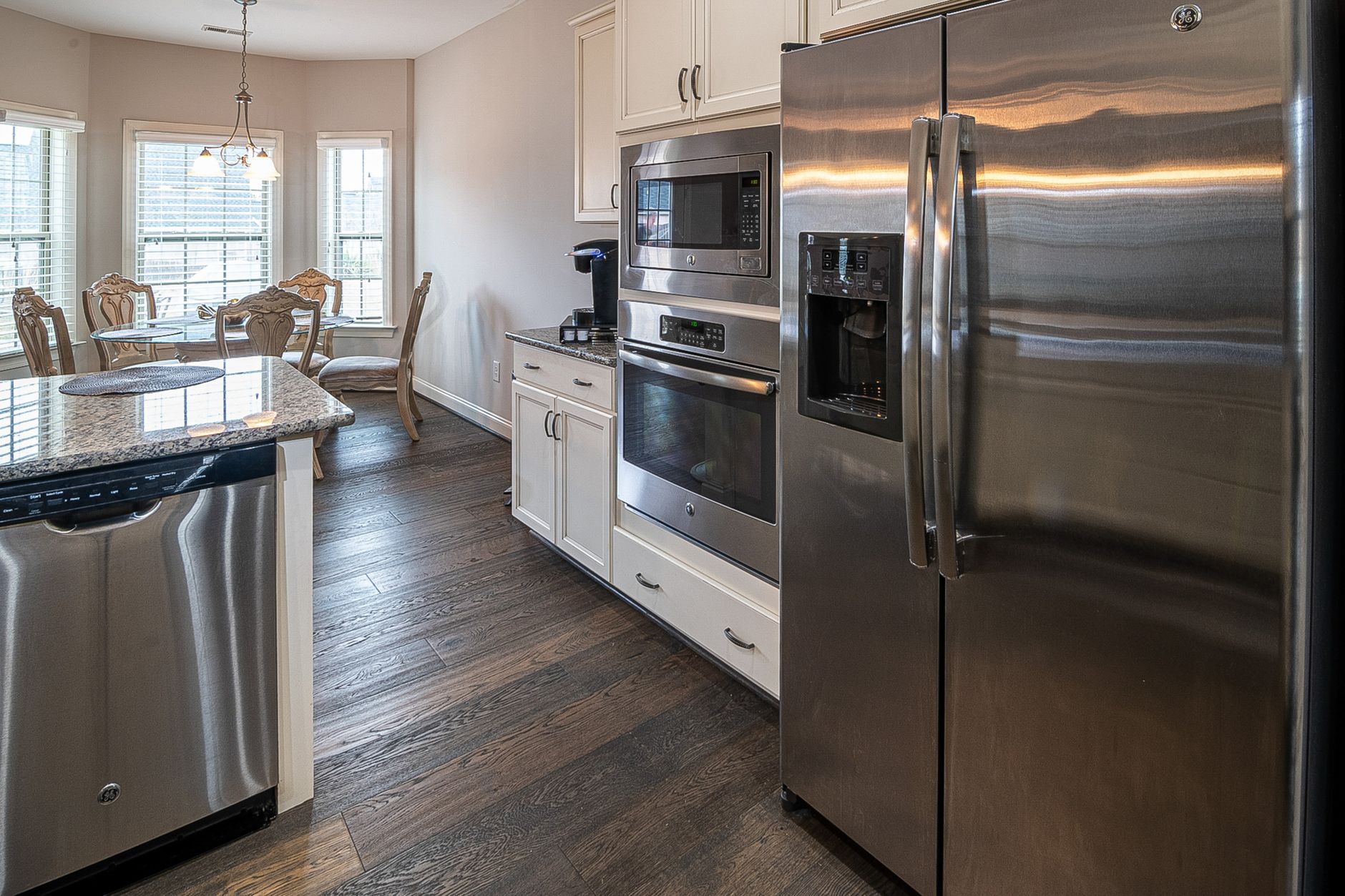
How Do You Calculate the Real Cost of Home Appliances?
Total cost of ownership includes the purchase price plus energy consumption and maintenance fees projected over a ten-year lifespan.
Most shoppers fall into the trap of optimizing only for the lowest upfront sticker price. In reality, the electricity and water a machine consumes over a decade can significantly exceed its initial cost. A machine that is cheap to buy but expensive to run often ends up costing you more before it reaches its fifth birthday.
I have spent eight years testing home appliances, and the running cost gap between mid-range and budget models is usually larger than the price difference. When I analyze a potential purchase, I prioritize the model’s energy consumption metrics over its aesthetic features or brand reputation.
Why Should You Prioritize Energy Ratings in 2026?
Modern energy labels are more stringent than previous versions, making a high rating on a new machine a reliable indicator of efficiency.
The energy landscape has shifted, and older efficiency labels are no longer reliable benchmarks for current models. A unit that was top-tier five years ago might rank poorly today because testing standards have tightened significantly. You must check the specific energy data for the model year you are currently purchasing.
- Check the annual kWh consumption listed in the product specifications.
- Compare that figure against the national average energy rates for your region.
- Look for “Eco-modes” that can reduce per-cycle energy usage by up to 30%.
- Avoid machines that lack standardized energy verification labels.
How Does Standby Power Affect Your Monthly Utility Bills?
Appliances left in standby mode can draw 5 to 15 watts continuously, adding roughly $80 to $200 annually to your total electricity bill.
It is easy to overlook the power a device uses when it is supposedly turned off. Modern appliances with digital clocks, Wi-Fi connectivity, or remote-start features are essentially never fully powered down. This “vampire” energy consumption is a hidden tax on your household budget.
I recommend using smart power strips for entertainment or kitchen appliance hubs. These allow you to cut power to multiple devices simultaneously, preventing unnecessary electricity drain during hours when your home is inactive.
Which Home Appliances Offer the Best Efficiency Gains?
Heat pump laundry dryers and high-efficiency dishwashers provide the most immediate and measurable reductions in your monthly utility costs.
Not every appliance upgrade provides the same return on investment. Focusing your budget on the machines that run the most frequently or consume the most power per cycle is the smartest strategy. A high-efficiency dishwasher, for example, often saves more water and energy than a high-end coffee maker ever could.
Are Heat Pump Dryers Worth the Extra Upfront Cost?
A heat pump dryer uses approximately 60% less energy than a traditional vented model, typically paying for its price premium within four years.
Traditional vented dryers pull in ambient air and heat it, then exhaust it outside along with the energy used. Heat pump models recycle that warm, moist air, which requires significantly less electricity to maintain drying temperatures. While they do take longer to dry a load, the efficiency gain is undeniable.
If your laundry frequency is high, you should review our latest laundry efficiency guides to see how much electricity you can recover. A vented dryer is often the most expensive white good to operate in a standard family home.
How Can Dishwasher Settings Reduce Your Water Usage?
Modern dishwashers use roughly 3 to 5 gallons of water per cycle, which is significantly less than the 20 gallons required to hand-wash dishes.
The secret to dishwasher efficiency lies in avoiding the “heated dry” setting. Modern units are designed to air-dry dishes effectively if you simply crack the door open at the end of the cycle. This small behavioral change eliminates the heating element’s energy consumption entirely.
| Feature | Efficiency Impact | Cost Savings Potential |
|---|---|---|
| Eco-Mode | High | $15 – $25/year |
| Air-Dry | Medium | $10 – $20/year |
| Full-Load Only | Very High | $30 – $50/year |
How Do You Maintain Appliances for Maximum Efficiency?
Regular cleaning of filters, coils, and spray arms ensures your appliances operate within their intended energy consumption parameters.
Maintenance is the bridge between a machine’s rated efficiency and its real-world performance. A dirty condenser coil or a clogged filter forces your appliance to work harder, consuming more power to achieve the same result. You can often learn more about proactive maintenance schedules in our repair hub to prevent these efficiency losses.
Why Does Refrigerator Coil Cleaning Matter?
Cleaning dust from refrigerator coils twice a year prevents the compressor from overworking and reduces energy use by up to 10 percent.
Your refrigerator is unique because it is the only appliance in your home that never switches off. Dust buildup on the coils acts as an insulator, trapping heat inside and forcing the cooling system to run almost continuously. A quick vacuuming of these coils is a high-impact task that takes minutes but saves you significant money.
Is Appliance Repair More Efficient Than Replacement?
Repairing a broken appliance is generally more cost-effective if the repair cost is under 50% of the price of a brand-new, efficient model.
If you have an appliance that is over 15 years old, a repair might be a temporary fix for a unit that is inherently inefficient. Replacing that unit with a current A-rated machine often yields a faster ROI through lower utility bills. Always check if there are local energy grant schemes that subsidize these upgrades.
⚡ In a Rush? Key Takeaways
- Total cost of ownership includes energy use over 10 years, not just sticker price.
- Heat pump dryers reduce energy consumption by up to 60% compared to vented models.
- Vampire standby power can inflate your annual electricity bill by up to $200.
- Regular coil cleaning can improve refrigerator efficiency by 10% annually.
- ✅ Verdict: Focus your budget on high-usage appliances like dryers and fridges first.
Frequently Asked Questions
-
Are smart appliances more efficient than standard ones?
Smart appliances are only as efficient as their programming, though they excel at managing peak-hour usage for lower electricity rates.
-
How do I know if my appliance is worth repairing?
If repairs exceed 50% of the replacement cost or if the unit is over 15 years old, buying a new efficient model is usually smarter.
-
What is the most energy-draining appliance in the home?
The refrigerator is the most consistent energy consumer, followed by HVAC systems and electric dryers, due to their constant or high-wattage use.
Conclusion
Selecting efficient appliances is a cumulative process where small, data-driven decisions pay off over the lifetime of your home. By looking past marketing slogans and focusing on the actual kWh consumption and maintenance requirements, you transform your home into a more sustainable and affordable space. Remember that every hour of efficient operation is an investment in your home’s long-term utility costs.
— Greta Michaud, Home Appliance Efficiency Researcher