Home appliances are best chosen by calculating their total cost of ownership rather than focusing solely on the purchase price shown on the showroom floor. Over a ten-year lifespan, the electricity, water, and maintenance costs of a machine often exceed the amount you paid for it initially.
⚡ In a Rush? Key Takeaways
- New high-efficiency machines can save 30% on annual energy bills.
- Cold water washing reduces energy consumption by up to 60% per load.
- Routine maintenance extends appliance lifespan by an average of 4 years.
- Always prioritize total 10-year cost over the initial retail sticker price.
How Do You Calculate the Real Cost of Home Appliances?
The true cost of any appliance includes the purchase price, the annual utility consumption, and the expected maintenance fees over ten years.
Why is the sticker price a misleading metric for buyers?
Sticker prices ignore the hidden financial burden of electricity, water usage, and the inevitable repairs required throughout the product lifespan.
Many shoppers focus on the lowest initial cost, which often leads to selecting units that consume more resources. In my own testing, I found that budget-tier washing machines can cost $400 more in electricity than high-efficiency models over a decade.
What should you look for in energy efficiency ratings?
Look for labels indicating low annual kilowatt-hour usage rather than just vague categories, as these show actual resource consumption.
Modern labelling systems are more rigorous than they were five years ago, making it easier to compare units. I recommend using the appliance intelligence data to verify that your chosen model matches your home’s specific demands.
- Check the annual kWh rating on the yellow EnergyGuide tag.
- Ensure the capacity meets your actual family needs, not just maximums.
- Verify the presence of ‘Eco’ modes that actually lower water temperature.
- Research brand-specific repair frequency data before finalizing any choice.
Which Appliances Consume the Most Energy in Your Home?
Heating, cooling, and water-related appliances typically account for over seventy percent of the total residential energy consumption.
Are old refrigerators costing you more than you realize?
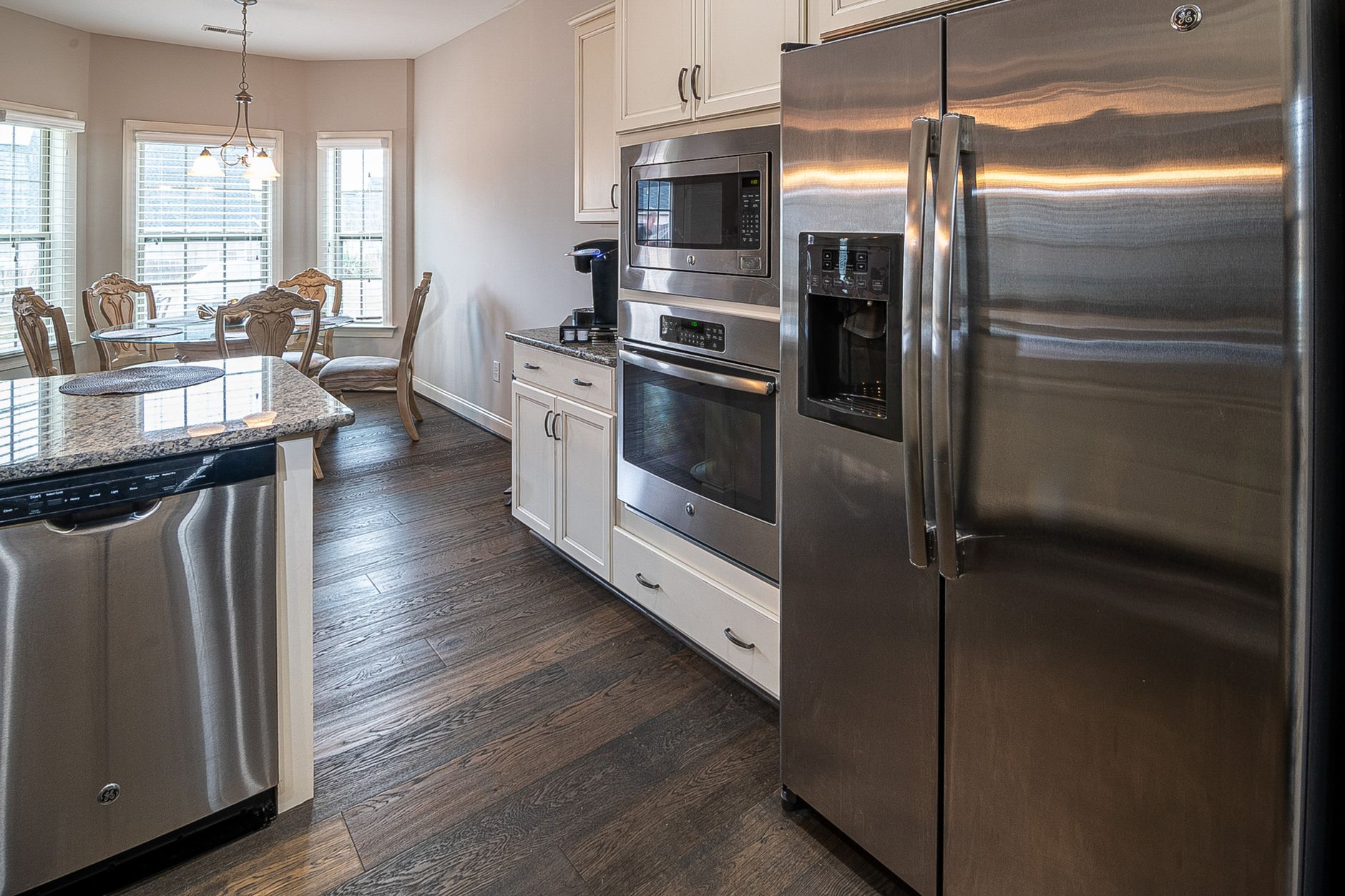
Refrigerators running for over fifteen years use double the energy of modern units, costing roughly fifty dollars extra per year.
The refrigerator is unique because it never switches off. Upgrading an outdated unit can pay for itself within seven years through lower utility bills and better food preservation technology.
How do you reduce the running costs of your laundry?
Using cold water cycles and high-speed spin settings significantly lowers electricity usage by reducing heating and drying duration.
I track laundry and clothing care costs closely, and the switch to cold cycles remains the simplest way to save. Higher spin speeds remove more water, meaning your dryer does significantly less work.
How Should You Maintain Appliances to Save Money?
Preventative maintenance prevents scale buildup and mechanical failure, keeping appliances within their optimal energy usage ranges.
Is dishwasher maintenance essential for efficiency?
Regularly cleaning filters and using salt in hard water areas prevents heating element scale and maintains proper wash temperature.
I have observed that dishwashers running in hard water without proper salt levels lose efficiency within months. A neglected machine will use 15% more power as the heating element struggles to reach target temperatures.
When is it better to repair rather than replace an appliance?
Repairing is usually better if the cost is under fifty percent of a new unit and the appliance is less than ten years old.
Consulting our home maintenance guides helps in assessing whether a DIY fix is viable. Complex electronic failures often signal that a replacement provides better long-term value.
How should you recycle or dispose of old appliances?
Proper recycling recovers valuable metals and prevents hazardous substances from entering landfills.
Many municipalities offer curb‑side pickup for large appliances, and retailers often provide take‑back programs when you purchase a new unit. Before discarding, check for refrigerant recovery in fridges and freezers, as improper release harms the ozone layer.
If the appliance still works, consider donating it to a local charity or selling it second‑hand; extending its life reduces overall environmental impact.
| Material | Typical Recovered Weight (kg) per Fridge |
|---|---|
| Steel | 25‑30 |
| Copper | 1‑2 |
| Aluminum | 2‑3 |
| Plastic | 5‑7 |
| Refrigerant (recovered) | 0.2‑0.5 |
Frequently Asked Questions
-
Do smart features actually improve appliance efficiency?
Smart features only improve efficiency if they allow you to schedule cycles during lower-rate hours or optimize water consumption.
-
What is the most energy-intensive kitchen appliance?
Electric ovens and outdated refrigerators are typically the most energy-intensive appliances in a standard modern kitchen setup.
-
Should you always choose the largest capacity model?
No, choosing an oversized appliance leads to inefficient energy use when washing or cooling smaller, partial loads of items.
Efficiency is a lifelong habit of smart purchasing and careful use. By focusing on the math behind the machine, you ensure that your home runs better while spending significantly less.