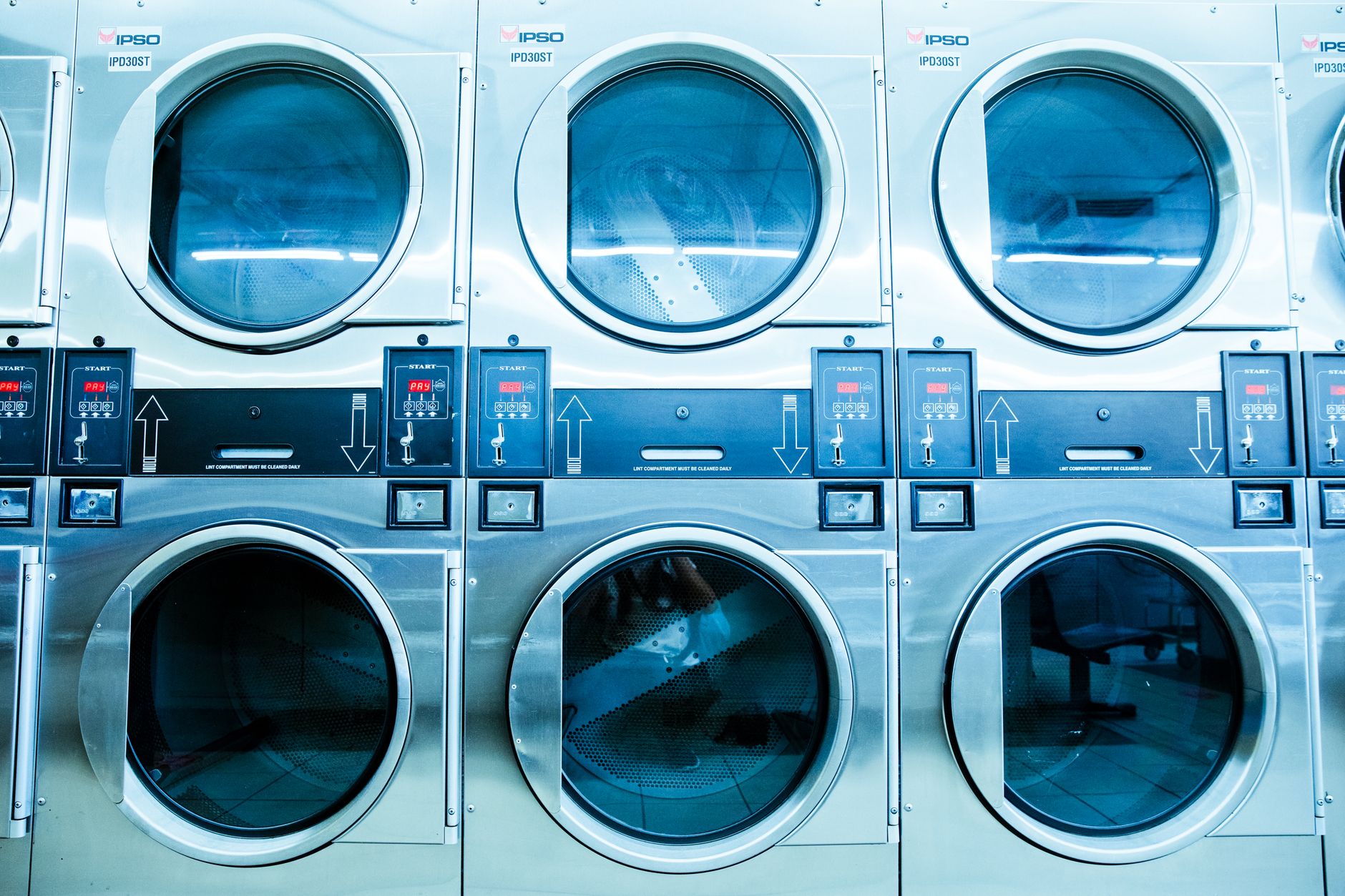
A high-efficiency washing machine typically pays for its price premium within four years through reduced water and electricity usage. Modern machines are no longer just about cleaning clothes; they are precision instruments that rely on sensors to monitor weight, water chemistry, and cycle length to ensure the lowest possible utility bill.
⚡ In a Rush? Key Takeaways
- Front-load washers use 50% less water than traditional top-load agitator models.
- High spin speeds (1,400+ RPM) can cut dryer energy consumption by 15% annually.
- Modern energy-efficient washers typically use under 100 kWh per year.
- ✅ Best value: Choose a high-efficiency front-loader with at least a 4.5 cubic foot drum.
Which Washing Machine Type Is Most Efficient?
Front-loading washing machines are the most efficient option, using significantly less water and electricity per load than top-loaders.
Why Do Front-Loaders Outperform Top-Loaders?
Front-loaders tumble clothes through water, whereas agitator top-loaders submerge them, which requires far more total water volume.
In my eight years of appliance research, the water consumption gap between these styles remains the most significant variable in running costs. A front-loader lifts laundry and drops it into a shallow pool of water, which is mechanically more effective at stain removal.
- Front-load water usage: 10–15 gallons per cycle
- Top-load agitator usage: 20–35 gallons per cycle
- Lower water volume means lower water heating costs
Is a High-Efficiency Top-Loader Actually Worth It?
High-efficiency top-loaders improve upon traditional models by using impeller plates rather than bulky agitators to save space.
While they are easier on your back than front-loaders, they often struggle with heavy loads compared to their front-loading counterparts. They are a suitable middle ground if you strictly dislike bending over, but you will pay a slight penalty in water efficiency.
Are There Washing Machines Still Made in the USA?
Major brands like Whirlpool and Maytag still maintain significant manufacturing footprints within the United States for their washers.
Which Whirlpool Washers Are Made Domestically?
Many of the core top-loading and front-loading models from Whirlpool are assembled in factories located in Clyde, Ohio.
For those prioritizing domestic production, checking the specific model’s energy guide or manufacturer tag is the only definitive way to confirm origin. Whirlpool remains one of the largest domestic manufacturers, which often aids in finding replacement parts more affordably.
Should You Prioritize US-Made Appliances for Reliability?
Manufacturing location does not guarantee reliability, though local production often simplifies the supply chain for future repairs.
I focus more on the brand’s repair track record than the country of origin. A machine that is easy to service is better than one that is technically local but impossible to fix. For more advice on managing long-term costs, see my guide on appliance maintenance strategies.
What Features Impact Your Monthly Running Costs?
Spin speed, sensor technology, and temperature settings are the primary technical drivers behind your monthly laundry electricity bill.
How Does Spin Speed Affect Dryer Energy Use?
Faster spin cycles remove more water before the laundry enters the dryer, which drastically reduces the energy needed to dry it.
Most consumers overlook the relationship between the washer and the dryer. A higher spin speed is a direct “efficiency hack” for the drying process. Investing in a machine that hits 1,400 or 1,600 RPM is one of the smartest energy efficiency decisions you can make.
Are Smart Features Actually Energy-Efficient?
Smart features mostly provide convenience, but auto-dosing detergents can reduce waste and improve the effectiveness of every wash.
Auto-dosing prevents the common mistake of using too much soap, which requires extra rinse cycles to clear. Always consider whether the premium for smart connectivity justifies the cost when compared to a standard, high-performance manual machine.
How Do Noise and Vibration Levels Influence Washer Choice?
Low-noise and anti-vibration designs improve user comfort, especially in open‑plan homes or apartments, without sacrificing cleaning performance.
Modern washers often incorporate direct‑drive motors, reinforced suspension systems, and insulated panels to minimize operational sound and movement. These features can reduce perceived noise by up to 10 dB compared with older models, making late‑night loads far less disruptive. While they may add a modest upfront cost, the benefit is a quieter household and less wear on flooring and surrounding cabinetry over the appliance’s lifespan.
Frequently Asked Questions
-
What is the ideal drum capacity for a family of four?
A 4.5 to 5.0 cubic foot drum is typically ideal for a family of four to ensure loads are completed in fewer cycles.
-
How often should a washing machine be cleaned?
Run a drum cleaning cycle or a hot wash with vinegar every 30 cycles to prevent mold and detergent buildup.
-
Is a steam cycle a necessary investment?
Steam cycles are excellent for sanitization and wrinkle reduction, but they are not strictly required for general cleaning.
-
Can I fix common washing machine issues myself?
Minor clogs and filter cleanings are safe DIY tasks, but electronic or motor failures should always involve a professional technician.
Common concerns regarding washing machine capacity, water usage, and life expectancy answered for the modern homeowner.
Last reviewed: March 2026 — Greta Michaud, Home Appliance Efficiency Researcher