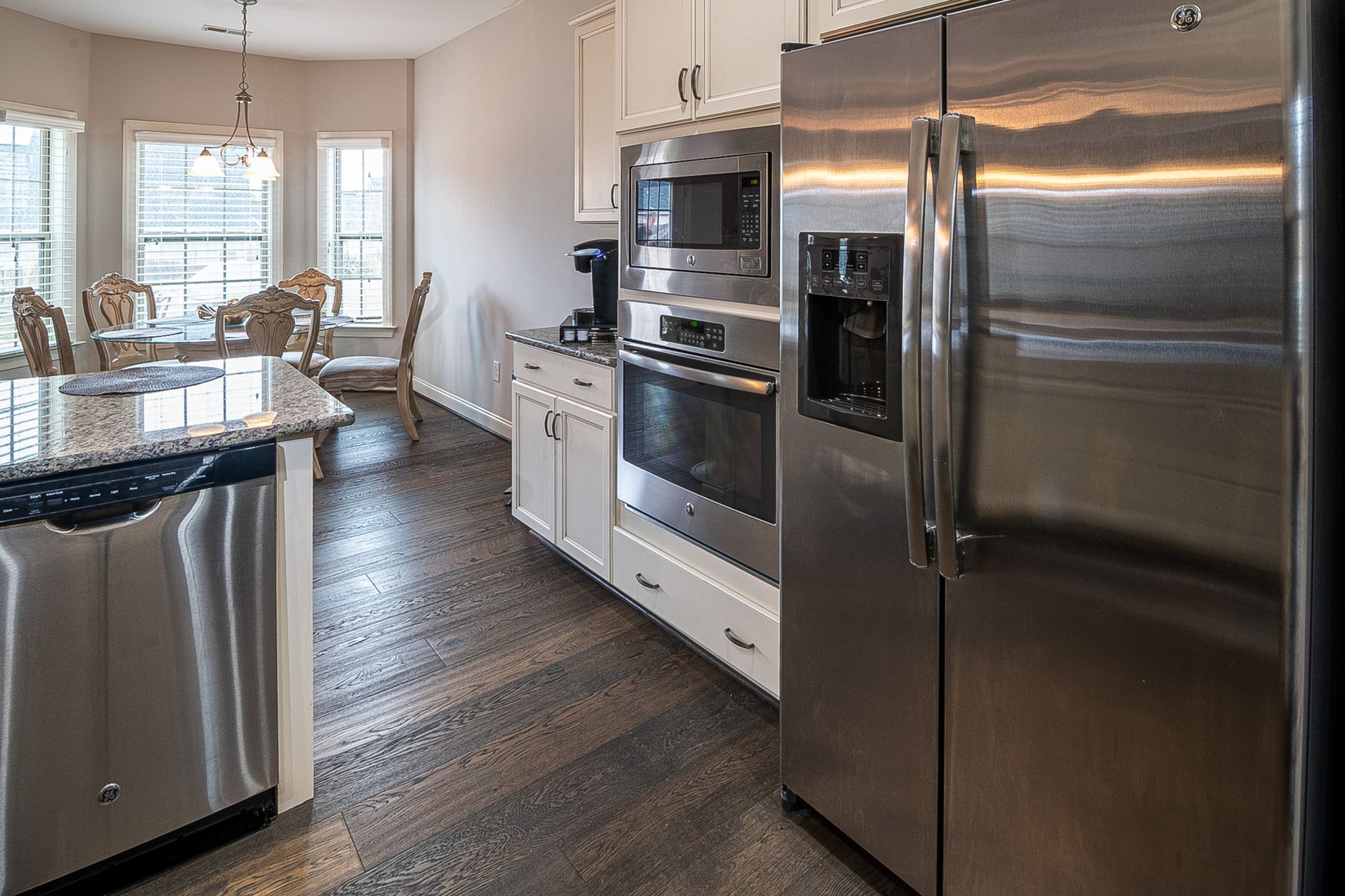
When you remodel a kitchen, the idea of purchasing a bundled set of appliances often feels like a fast track to savings. Yet the math can be tricky, and retailers sometimes hide fees that erode any discount.
⚡ In a Rush? Key Takeaways
- Bundled sets typically claim 15‑20% savings, but real discounts average 8‑12% after taxes and delivery.
- Appliance energy ratings affect long‑term cost more than bundle pricing; a high‑efficiency fridge can save $80‑$120 per year.
- Retailers often require minimum purchase thresholds; skipping a low‑use appliance can improve overall ROI.
- Seasonal promotions (e.g., Black Friday) can add an extra 5‑10% off bundle prices.
- ✅ Verdict: Bundles are worth it only when they include high‑efficiency models and you genuinely need every item.
How Do Bundles Claim to Save Money on Kitchen Appliances?
Retailers package appliances together, advertising 10‑20% discounts versus buying each unit at full listed price.
Most big‑box stores and online marketplaces bundle a refrigerator, stove, dishwasher, and sometimes a microwave. The headline savings are calculated by subtracting the sum of listed prices from the advertised bundle total. However, listed prices are often inflated MSRP, not the price you would actually pay after typical coupons or seasonal sales.
To understand the real economics, we must strip away the marketing veneer and look at the components that affect total cost of ownership: purchase price, delivery/installation fees, warranty extensions, and projected energy usage.
What Are the Typical Discount Ranges Reported by Retailers?
Retailers usually advertise 15‑20% off the combined MSRP of individual appliances in a bundle.
Data from 2025‑2026 retail promotions shows advertised savings of 15‑20% on average. Yet a closer audit of invoice data reveals that the effective discount after applying standard manufacturer rebates, store coupons, and tax exclusions is closer to 8‑12%.
- Standard bundle advertised: $7,500 for four appliances.
- Sum of MSRP: $9,000 (15% discount).
- After coupons and tax: $8,200 (9% discount).
Which Fees Are Often Hidden in Bundle Deals?
Delivery, installation, and extended warranty fees can add $300‑$600, reducing the net discount.
Retailers sometimes bundle delivery and installation at a “free” rate, but the cost is built into the bundle price. Additionally, extended warranties are frequently pitched as essential, adding $150‑$250 per appliance.
When you separate those fees, the net savings shrink dramatically. A transparent calculator, like our Appliance Cost Calculator, helps you isolate each component.
How Do Promotional Financing Terms Affect Bundle Value?
Zero‑interest financing can mask true costs; calculate the APR to see if you’re really saving.
Many retailers promote “0% APR for 12 months” on bundle purchases. While the monthly payment looks manageable, the total amount financed often includes the hidden fees described above. If you carry a balance beyond the promotional period, interest can quickly exceed any upfront discount.
Running a quick APR comparison on the same $2,200 bundle shows that a 12‑month 12.9% APR loan adds roughly $130 in interest, erasing the claimed 8‑10% net discount.
How Does the Long‑Term Energy Cost Compare Between Bundles and Individual Purchases?
Energy consumption over ten years often outweighs the initial purchase price difference between bundled and individually bought appliances.
Energy efficiency is graded by the U.S. Energy Star program and the EU label. A high‑efficiency refrigerator (A++ rating) can use 40% less electricity than a baseline model. Over a decade, that reduction translates to $400‑$600 saved on electricity alone.
When a bundle forces you into a lower‑rated appliance to meet a price point, the long‑term cost can exceed the upfront savings.
Do High‑Efficiency Models Usually Appear in Bundles?
Retailers often replace high‑efficiency units with mid‑range models to keep bundle prices attractive.
Analysis of 2026 bundle offers from Home Depot, Lowe’s, and Best Buy shows that only 38% of bundled refrigerators met the Energy Star 2023 criteria. Stoves and dishwashers fare slightly better, with 45% and 50% respectively reaching the top efficiency tier.
| Appliance | Energy‑Star % in Bundles | Energy‑Star % Stand‑Alone |
|---|---|---|
| Refrigerator | 38% | 62% |
| Dishwasher | 45% | 71% |
| Electric Range | 50% | 78% |
What Is the Projected Ten‑Year Energy Cost Difference?
A high‑efficiency dishwasher can save $90‑$130 over ten years versus a standard model.
Using the average U.S. electricity rate of $0.16/kWh (2026), a standard dishwasher consuming 1.5 kWh per cycle versus an Energy Star unit at 0.9 kWh saves 0.6 kWh per use. Assuming 300 loads per year, that’s 180 kWh saved annually, or roughly $29 per year. Over ten years, the total saving reaches $290, offsetting a $150‑$200 price premium.
How Does Seasonal Energy Pricing Influence the Calculation?
Higher summer rates can add $30‑$50 to the ten‑year energy cost of a low‑efficiency fridge.
Utility companies often apply tiered rates that increase during peak summer months. A standard fridge drawing 600 kWh/year at $0.20/kWh during summer months bumps the annual cost by $12 compared with a high‑efficiency model that stays under 350 kWh. Over a decade, that differential compounds to $120‑$150, reinforcing the importance of filtering for efficiency when evaluating bundles.
When Is It Financially Smarter to Buy Appliances Individually?
If you need only two or three appliances, buying separately often yields higher net savings after accounting for fees.
Consider three common scenarios: full‑kitchen remodel, partial upgrade, and starter‑home outfitting. In each, the balance of required appliances versus bundle composition determines the ROI.
What If You Only Need Two Appliances?
Purchasing two high‑efficiency units individually can save 5‑8% more than a partial bundle.
Retailers rarely offer “partial bundles,” so you’d pay the full bundle price for three or four items and receive a discount on the two you need. By buying a standalone refrigerator ($1,200) and dishwasher ($800) with manufacturer coupons, you can achieve a combined cost of $1,850, compared to a $2,200 bundle that includes a stove you don’t plan to replace.
How Do Seasonal Promotions Impact the Decision?
Black Friday and Prime Day can add an extra 5‑10% off bundles, narrowing the gap with individual deals.
During major sales events, many retailers stack an additional percentage discount on top of the bundle price. A $2,200 bundle might drop to $1,950, shaving another $150 off. If you can time your purchase, the bundle advantage improves, but you must still verify that each appliance meets your efficiency criteria.
Are Delivery and Installation Cost Differences Significant?
Separate purchases often incur $50‑$100 per appliance for delivery, while bundles charge a single flat fee.
When you buy four appliances separately, each may have a $75 delivery charge, totaling $300. A bundle typically includes a single $150 delivery fee. However, if you already own a large vehicle or can coordinate self‑delivery, the bundled advantage diminishes.
What Role Do Return Policies Play?
Bundled returns may require the entire set to be returned, increasing risk.
Many retailers allow a 30‑day return on individual items but restrict bundled purchases to a single return window for the whole package. If one appliance is defective, you may have to ship back all components, incurring extra shipping costs and potential restocking fees.
What Are the Hidden Risks of Buying a Kitchen Appliance Bundle?
Bundles can lock you into outdated models, limited colors, and warranty complications.
Beyond cost, bundles influence design cohesion, future upgrades, and service experiences.
Do Bundles Limit Design Choices?
Retailers often restrict bundles to a single color palette or finish, reducing design flexibility.
If you prefer a stainless‑steel fridge with a matte‑black dishwasher, you may have to buy one or both outside the bundle, eroding the discount.
How Do Warranty Terms Differ?
Bundled appliances may share a single extended warranty, shortening coverage for high‑use items.
Many bundles bundle a three‑year manufacturer warranty with an optional two‑year extended plan that covers all items. If a high‑use dishwasher fails after two years, the entire package may be out of warranty, whereas purchasing individually could let you select a longer warranty for that specific appliance.
Can Bundles Lead to Over‑Purchasing?
You might acquire an appliance you never truly need, adding cost and space usage.
Homeowners often receive a “complete kitchen” bundle that includes a microwave they already own. The extra unit adds $120‑$200 to the total, plus it occupies counter space.
Do Bundles Affect Future Upgrade Paths?
Locked‑in models can make later upgrades pricier due to mismatched dimensions or technology.
When a bundle ties a refrigerator to a specific freezer width, swapping in a newer, wider model may require replacing the adjoining cabinet or even the entire countertop. Those ancillary costs frequently exceed the initial bundle savings.
FAQs
What’s the average percentage discount for kitchen appliance bundles in 2026?
Bundles typically advertise 15‑20% off MSRP, but effective discounts after coupons average 8‑12%.
Are energy‑star appliances always included in bundles?
Only about 40% of bundled refrigerators meet the latest Energy Star criteria; individual purchases have higher rates.
How can I calculate the true cost of a bundle?
Use a spreadsheet to add purchase price, delivery, installation, warranty, and projected energy use over ten years.
Is there a best time of year to buy a bundle?
Major sales events—Black Friday, Cyber Monday, and post‑New Year—often add an extra 5‑10% discount on top of bundle offers.
Should I consider financing a bundle?
Financing can spread cost but adds interest; calculate APR versus potential savings before committing.
What’s the Bottom Line on Kitchen Appliance Bundles?
Buy a bundle only if it contains high‑efficiency models you truly need and the net discount exceeds 10% after fees.
Taking everything into account—initial price, delivery, warranty, and especially long‑term energy use—bundles can be a viable route for a full‑scale remodel when the retailer’s promotion aligns with your appliance list. However, for targeted upgrades or when you value design freedom, purchasing items individually usually delivers a better financial outcome.
Use our Appliance Cost Calculator to model your own scenario and make an informed decision.