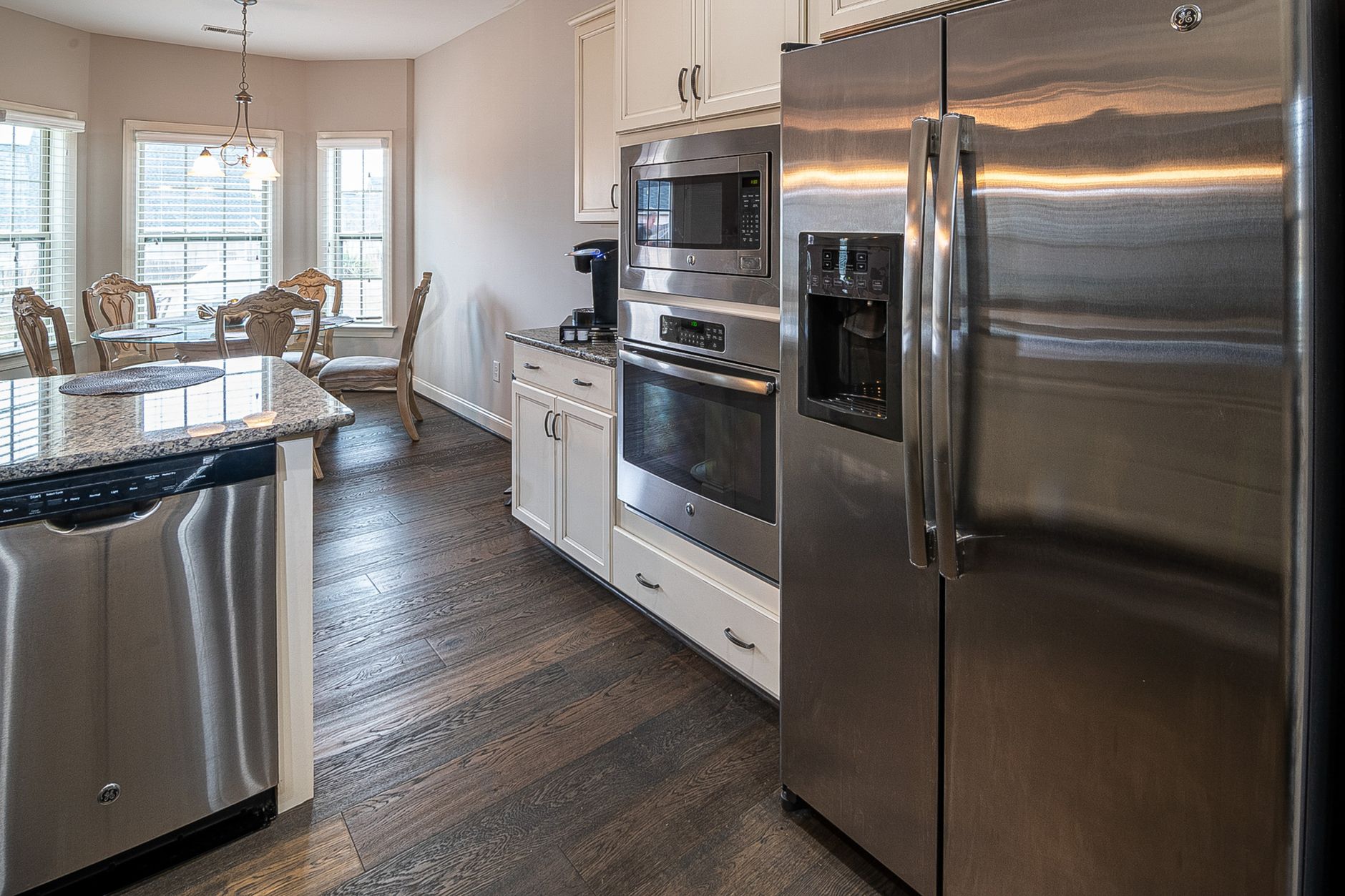
When you’re renovating or simply updating a kitchen, the idea of a bundle—four or five appliances sold together—can feel like a shortcut to savings. The visual of a coordinated set, all in matching finishes, often convinces homeowners that they’re getting a better deal without having to hunt for individual pieces.
But a lower sticker price isn’t the whole story; running costs, warranties and future upgrades also matter. Ignoring these hidden variables can turn what looks like a bargain into a long‑term expense that erodes any initial discount.
⚡ In a Rush? Key Takeaways
- Bundled kitchen sets typically shave 12‑20% off the combined MSRP.
- Average hidden fees (delivery, installation, extended warranty) add $150‑$350 per bundle.
- Energy‑rating differences can change annual electricity cost by $30‑$85 per appliance.
- Long‑term resale value is 5‑8% lower for bundled appliances than individually purchased, premium models.
- ✅ Verdict: Bundles are worthwhile only when you need every piece, can lock in a genuine discount, and prioritize matching aesthetics.
How do retailers calculate the price of a kitchen appliance bundle?
Retailers roll together MSRP, add a bundle discount (usually 10‑20%), then tack on delivery, installation and optional warranty fees.
Most big‑box chains publish a “bundle price” that already includes basic delivery, but they often gloss over the extra costs that appear at checkout. Those extra charges can vary dramatically depending on your zip code, the weight of the appliances and whether you need special handling for glass doors or built‑in units.
What components are typically bundled together?
Common bundles pair a refrigerator, range/oven, dishwasher and sometimes a microwave or vent hood.
These groupings reflect the most common kitchen upgrade paths and allow stores to negotiate bulk discounts with manufacturers. By ordering multiple units from a single supplier, retailers secure lower freight fees and pass a portion of that saving onto the consumer.
- Refrigerator + stove
- Stove + wall oven
- Dishwasher + microwave
- Full kitchen set (fridge, range, dishwasher, vent hood)
Where do hidden fees hide?
Delivery, installation, haul‑away of old appliances and extended warranties can add $150‑$350 to a bundle.
Many shoppers assume “free delivery” is included, but the fine print often limits it to a 100‑mile radius. If your home is farther away, a surcharge of $50‑$75 is common.
Installation fees vary by appliance type—electric ranges cost $80‑$120, while gas ranges need a certified plumber for $150‑$250. Those labor costs are additive, not bundled, and they appear on the final invoice.
Extended warranties, pitched as peace of mind, typically start at 3% of the bundle price and can double the overall spend if you opt for a five‑year plan with full parts coverage.
How does the discount compare to individual sales?
A 15% bundle discount on a $5,000 kitchen set equals $750, but individual sales may stack to a similar amount.
| Appliance | Average MSRP 2026 | Bundle Discount | Effective Price |
|---|---|---|---|
| Refrigerator | $1,400 | 10% | $1,260 |
| Electric range | $1,200 | 12% | $1,056 |
| Dishwasher | $800 | 15% | $680 |
| Vent hood | $500 | 18% | $410 |
When you add hidden fees of $250, the net savings shrink to roughly $480, which still beats buying each piece separately at full price but leaves less breathing room for unexpected costs.
How do delivery logistics differ for bundles?
Bundled deliveries often consolidate freight, reducing per‑item transport fees by up to 30%.
Because the retailer ships a single pallet instead of multiple smaller parcels, the carrier can negotiate lower rates with the logistics provider. Homeowners benefit from a single delivery window, which simplifies scheduling and reduces the risk of missed appointments.
- Single‑pallet freight: 30% lower per‑item shipping cost
- One delivery slot: saves ~2 hours of coordination time
- Reduced packaging waste: less cardboard and foam overall
What are the long‑term cost implications of buying a bundle versus individual appliances?
Long‑term costs include energy use, warranty coverage, repair frequency and resale value differentials.
Energy efficiency can vary dramatically between models, even within the same brand. A lower‑rated appliance tucked into a bundle can offset the savings you thought you were getting, especially when those units run for years.
How does energy efficiency affect annual running costs?
A refrigerator rated A++ uses ~300 kWh/year vs 500 kWh for a lower‑rated model, saving $30‑$45 annually at the 2026 US average rate of $0.12/kWh.
Applying the same logic to a dishwasher and oven shows a potential $85‑$115 yearly saving when all appliances are top‑rated. Those numbers compound; over a typical five‑year ownership period, the difference can be $425‑$575.
- Refrigerator A++: 300 kWh → $36/yr
- Refrigerator C: 500 kWh → $60/yr
- Dishwasher A: 220 kWh → $26/yr
- Dishwasher D: 340 kWh → $41/yr
- Electric oven A+: 900 kWh → $108/yr
- Electric oven C: 1,250 kWh → $150/yr
Do bundled appliances share warranties?
Most bundles offer a single extended warranty covering all units, but the coverage limits are often lower than buying separate manufacturer warranties.
For example, a three‑year bundle warranty may cap repair costs at $2,000 total, whereas individual warranties could allow $1,200 per appliance. If one high‑cost item, such as a premium fridge, fails, the capped amount may leave you paying out‑of‑pocket for the remainder.
How does resale value differ?
Individually purchased premium appliances retain 5‑8% more resale value than bundled, mid‑tier models.
Buyers who prioritize resale often opt for high‑efficiency models that command a premium in the secondary market. Bundles tend to include a mix of mid‑range units, which can depress the overall resale package price.
What about future upgrades and compatibility?
Upgrading a single appliance later can be cheaper than swapping an entire bundled set.
If you later decide to replace only the oven with a convection‑steam model, you’ll avoid the cost of disconnecting and reinstalling the other appliances. Bundles sometimes lock you into a specific brand ecosystem, making it harder to integrate newer, more efficient models without extra adapters or renovation work.
- Single appliance upgrade: average $200‑$400 savings on labor
- Brand lock‑in risk: potential $150‑$300 extra for adapters
- Future tech integration (smart controls, energy monitoring) easier with mixed brands
When does a kitchen appliance bundle make financial sense?
A bundle is financially sensible when you need every piece, the discount exceeds hidden fees, and you prioritize matching design.
Below we outline scenarios where the math works in your favor, supported by concrete cost breakdowns.
What if you’re renovating a complete kitchen?
If all four core appliances are due for replacement, a 15% bundle discount can offset $250‑$350 in ancillary fees, yielding net savings of $400‑$600.
In a full‑kitchen remodel, coordinating delivery windows also reduces labor costs, as installers can chain tasks. The consolidated installation often means a single service call, saving $50‑$100 on travel and setup.
What if you only need one or two appliances?
Buying a single high‑efficiency unit often beats a bundle because you can cherry‑pick the best energy rating and avoid paying for unwanted items.
For a single premium dishwasher, you might save $150‑$200 versus a $500 bundle where the other three appliances are merely adequate. The ability to target rebates for specific appliances further widens the gap.
How does brand consistency factor in?
Matching brands simplify installation and aesthetic coordination, potentially saving $50‑$100 on labor.
If you value a uniform look and already trust a brand’s service network, the bundled discount becomes an added perk. However, brand loyalty should not eclipse the importance of energy performance or long‑term reliability.
Can seasonal promotions tilt the balance?
Holiday sales often add an extra 5‑10% off bundles, turning a marginal saving into a decisive advantage.
Pay attention to “cash‑back” offers, manufacturer rebates, and loyalty program points that can further reduce net spend. Pairing a bundle sale with a utility‑company rebate for ENERGY STAR appliances can push total savings past 25%.
What if you have limited storage space?
Compact appliance lines within bundles can avoid costly kitchen re‑layout expenses.
Some retailers offer “slim‑profile” bundles designed for smaller layouts, eliminating the need for costly countertop or cabinet modifications. The upfront price may be higher, but the avoided renovation costs often justify the premium.
- Standard bulk cabinet modification: $400‑$800
- Compact bundle with built‑in dimensions: $0 extra
- Overall net benefit: $200‑$500 depending on layout
FAQ
Do bundles include installation for all appliances?
Installation is usually included for major appliances, but gas ranges and vent hoods often require extra fees.
Can I negotiate the bundle price?
Yes—especially in independent appliance stores; a 5‑10% further reduction is common when you ask.
Are bundled appliances covered by the same warranty?
Most retailers bundle warranties, but the limits apply across all units, not per appliance.
Will buying a bundle affect my financing options?
Financing rates are typically the same, but a larger total loan may qualify for a lower APR on some retailer plans.
Is it better to buy “energy‑star” appliances individually?
If energy cost is your primary concern, cherry‑picking the highest‑rated units usually beats a mixed‑rating bundle.
Bottom line: Should you buy a kitchen appliance bundle?
Bundles are worth it when you need every piece, can verify a genuine discount after fees, and value coordinated design.
For selective upgrades or when top‑tier energy efficiency is a priority, buying appliances individually remains the smarter financial play. Use the full cost picture—purchase price, hidden fees, running costs, warranty limits and resale outlook—to decide which approach aligns with your budget and long‑term goals.
Use our Kitchen Cost Calculator to model your specific scenario and see where the savings truly lie.