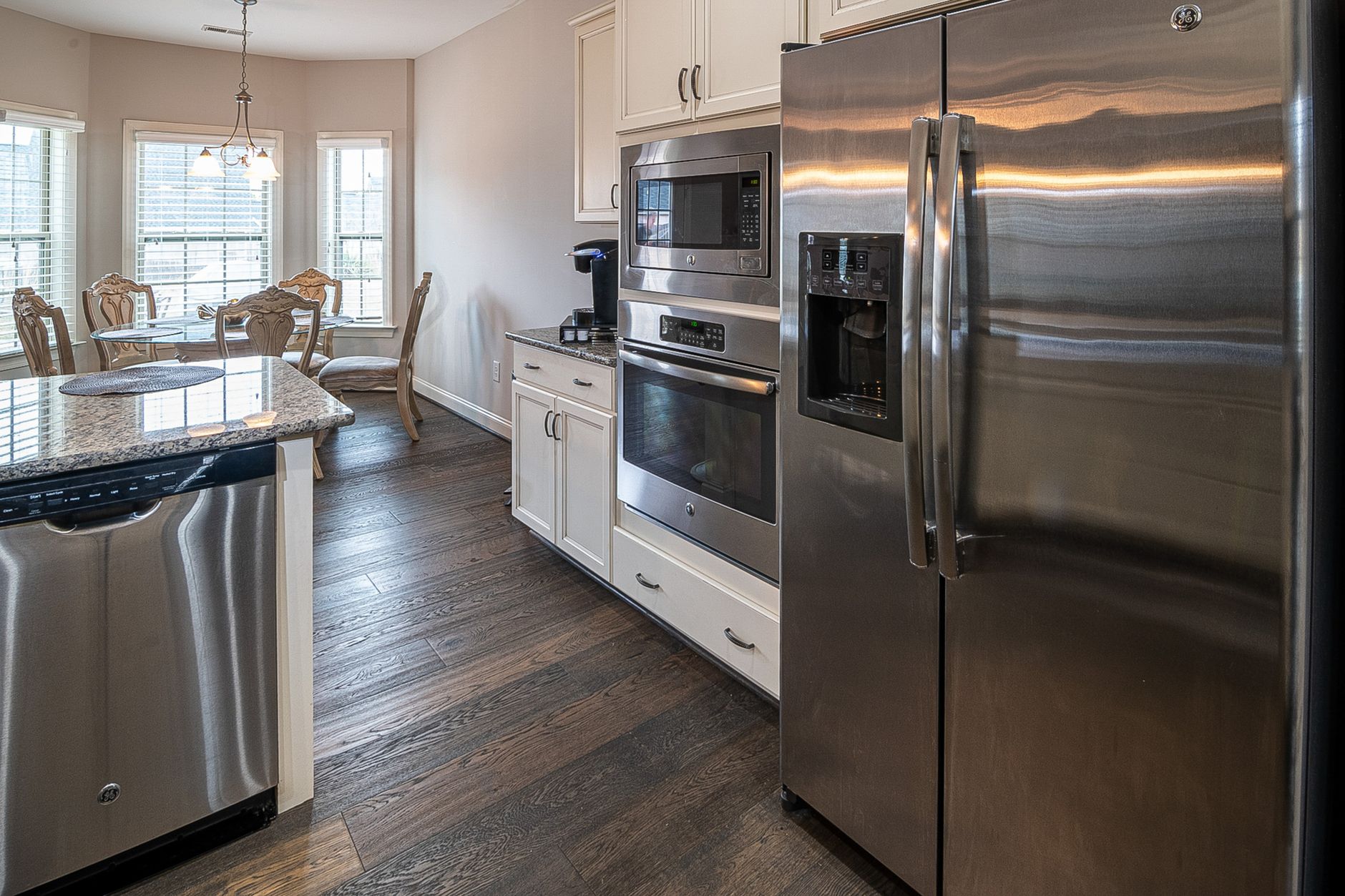
When you walk into a showroom and see a sleek package of a refrigerator, oven, dishwasher and range‑hood, the price tag often looks tempting. Yet the real question is whether the bundle truly saves you money over buying each appliance individually.
⚡ In a Rush? Key Takeaways
- Bundled packages advertise 10‑20% savings, but real‑world discounts average 7‑12% after taxes and delivery.
- Individual purchases let you match energy‑efficiency ratings, potentially cutting annual running costs by $30‑$80 per appliance.
- Bundles often force you to take models you don’t need, adding $200‑$1,200 in unnecessary capacity.
- Warranty extensions bundled with a package typically cost $150‑$300 extra for four years.
- ✅ Verdict: Bundles are worthwhile only if you need all items, value coordinated design, and can negotiate the discount.
How do kitchen appliance bundles calculate their discounts?
Bundle discounts are based on manufacturer suggested retail price, often before taxes, delivery, and installation fees are added.
Retailers will quote a “package price” that subtracts a flat percent from the summed MSRP of each item. In 2026, the average advertised bundle discount sits at 15% off MSRP. This figure looks attractive at first glance because it appears to apply to the whole set rather than individual line items.
However, the MSRP rarely reflects the true market price after seasonal promotions. When you compare the bundle price to the lowest advertised individual price, the effective savings shrink to 7‑12%.
What fees are typically hidden in bundle pricing?
Delivery, haul‑away, and installation fees are often rolled into the bundle total, reducing the apparent discount.
Most major retailers add a mandatory delivery fee of $79‑$149 per bundle, plus $50‑$100 for haul‑away of old units. Installation can range from $150 for a basic set‑up to $500 for a full professional install with venting and plumbing.
- Delivery: $79–$149
- Haul‑away: $50–$100
- Installation: $150–$500
When you subtract these fees, the net discount can disappear entirely, especially for smaller kitchens where a single appliance replacement is all you need.
Do retailers ever offer “free” accessories in bundles?
Free accessories such as a set of cabinet trim or a stainless‑steel filter are often counted as savings, but they rarely replace a real price reduction.
Manufacturers may include a “premium” water filter with a dishwasher or a decorative panel for the oven. While these items have a retail value of $30‑$80, they are typically priced into the bundle’s MSRP, so the headline discount does not actually increase.
When evaluating a bundle, list every accessory and assign its market price. Subtract that amount from the advertised bundle discount to see how much genuine cash saving remains.
How do sales tax and rebates affect the final cost?
Sales tax is applied to the bundle total, whereas individual purchases may qualify for separate manufacturer rebates.
In states with a 7% sales tax, a $5,000 bundle incurs $350 in tax. If you buy the same appliances individually and apply a $200 manufacturer rebate on the refrigerator alone, the net cost can be lower.
- Calculate bundle price plus tax.
- Subtract any available individual rebates.
- Compare the two totals.
What long‑term cost differences emerge from energy efficiency?
Energy‑rated appliances can save $30‑$80 per year each; bundling often forces you into lower‑rated models.
Energy consumption is the silent cost that compounds over a decade. A modern A‑rated dishwasher uses about 0.9 kWh per cycle, while an older B‑rated unit can consume 1.4 kWh. Those extra kilowatt‑hours look small per load but add up quickly when the dishwasher runs multiple times each week.
At the U.S. average electricity rate of $0.16 /kWh, that translates to roughly $40 extra per year for the less efficient model. Multiply that by four core appliances, and the hidden expense tops $150 annually.
How do I compare the running cost of bundled versus individual appliances?
Use the Appliance Cost Calculator to estimate annual kWh use and translate it into dollar cost for each model.
Below is a simplified example using 2026 ENERGY STAR data:
| Appliance | Bundle Model (kWh/yr) | Individual Model (kWh/yr) | Annual Cost Difference |
|---|---|---|---|
| Refrigerator | 420 | 350 | $11 |
| Range‑hood | 150 | 120 | $5 |
| Dishwasher | 270 | 210 | $10 |
| Electric oven | 380 | 300 | $13 |
The total annual extra cost for the bundled set is about $39. Over ten years, that’s $390 – a figure that easily offsets a modest bundle discount.
Can I negotiate energy‑efficiency upgrades within a bundle?
Dealers often allow you to swap a lower‑rated unit for a higher‑rated one for a small price difference.
When negotiating, request the ENERGY STAR label on each appliance. Many retailers will honor a $100‑$200 price increase to move a B‑rated fridge to an A‑rated model, which pays for itself in 3‑5 years of reduced electricity bills.
Document the projected savings using the Appliance Cost Calculator before you walk into the showroom; a clear number makes the dealer more likely to accommodate your request.
When does a bundle add value beyond price?
Bundling can provide design cohesion, synchronized delivery, and a single warranty, which may be worth the premium.
Beyond dollars, bundles simplify logistics. Coordinated delivery means all appliances arrive on the same day, reducing the risk of mismatched installation windows. This also means you only pay one delivery fee and one set of haul‑away charges.
A single extended warranty covering all four items can also be cheaper than buying four separate plans, especially when the retailer offers a 10% discount on the combined coverage.
How much does a coordinated design benefit outweigh cost?
Professional kitchen designers often charge $300‑$800, but a bundle can include design consulting for free.
If you value aesthetics and plan a full remodel, the bundled design package may save you time and money on hiring an external designer.
- Free design consultation: $0
- Potential savings on separate design fees: $300–$800
- Consistent finishes and dimensions across appliances
What warranty considerations should I keep in mind?
A bundle‑wide warranty typically lasts 2‑3 years, but you can purchase an extended plan for $150‑$300 covering all units.
Separate warranties often start at $50 per appliance per year. For four appliances, that’s $200 annually. Bundled extended coverage can therefore be a cost‑effective safety net.
Check whether the extended warranty covers parts, labor, and service calls for all appliances, and verify if the provider offers a seamless claim process for bundled items.
Are there hidden risks when buying a kitchen appliance bundle?
Bundles can lock you into appliances you don’t need, increasing upfront costs and potentially inflating long‑term expenses.
One common pitfall is over‑capacity. A 30‑cup dishwasher might seem convenient, but if you only run half loads, you waste water and energy. The extra capacity can add $200‑$400 to the purchase price without delivering proportional benefit.
Another risk is the “one‑size‑fits‑all” sizing. Counter‑depth refrigerators in bundles may be narrower than your existing countertop, requiring costly countertop modifications.
How can I avoid paying for unnecessary capacity?
Measure your daily cooking volume and select appliances that match, rather than defaulting to the largest model in the bundle.
Use the Kitchen Layout Planner tool (link below) to input your typical load sizes. The tool will recommend the optimal capacity range, often saving $150‑$600.
What should I check about installation requirements?
Incorrect venting or gas line compatibility can add $200‑$500 to the installation cost beyond the quoted bundle price.
Before signing, verify that the bundle’s oven has the proper vent type for your kitchen layout and that the gas stove matches your existing gas pressure. Ask the retailer for a pre‑installation checklist.
Skipping this step often leads to surprise invoices after the fact.
Are there financing pitfalls specific to bundles?
Financing offers tied to bundles may carry higher APRs than standard appliance credit.
Many retailers promote 0% interest for 12 months on a $5,000 bundle, but the fine print often includes a 3% processing fee and a higher rate after the introductory period. Calculating the total cost of credit can reveal an effective interest rate of 12‑15%.
If you already have a low‑interest credit card or a personal loan, compare the total payable amount before opting for the retailer’s financing plan.
What warranty considerations should I watch for?
Bundled warranties may have different claim procedures for each appliance, complicating service.
Some retailers bundle the warranty but require you to call separate service centers for the fridge versus the oven, leading to longer resolution times. Look for a single point‑of‑contact warranty or a third‑party provider that covers all items uniformly.
- Check claim routing: one number or multiple?
- Confirm covered parts: does the oven’s self‑cleaning feature have separate coverage?
- Read the fine print on “wear and tear” exclusions.
FAQ
Do bundles always include free delivery?
Most retailers charge a delivery fee even for bundles, though some promotional periods waive it.
Can I return a single appliance from a bundle?
Return policies vary; many stores allow whole‑bundle returns only, or charge a restocking fee for individual items.
Is it better to buy a bundle during a holiday sale?
Holiday sales can increase bundle discounts to 20‑25%, but compare the final price after tax, delivery and any rebates.
How do I calculate the true cost of a bundle?
Add bundle price, tax, delivery, haul‑away, installation, then subtract any applicable rebates and compare to the sum of lowest individual prices.
Should I consider used appliances instead of a new bundle?
Used appliances can be 30‑50% cheaper, but may lack modern energy‑efficiency ratings and warranties.
— Greta Michaud, Home Appliance Efficiency Researcher