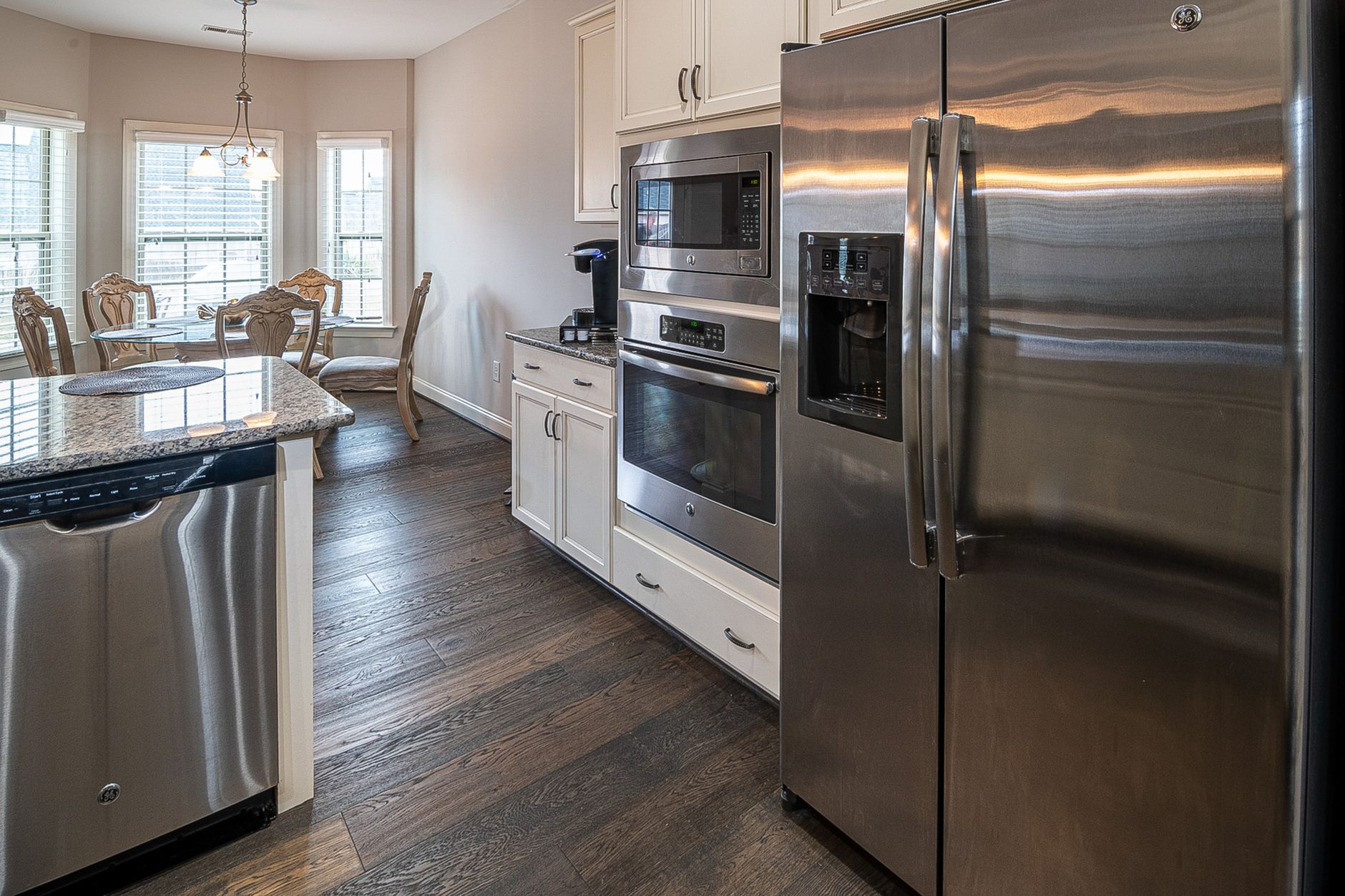
Bundling kitchen appliances can feel like a savvy shortcut, but the real arithmetic often hides behind glossy retailer promises.
⚡ In a Rush? Key Takeaways
- Bundle discounts average 12‑20% off MSRP in 2026, varying by retailer.
- Upfront cash outlay for bundles is 30‑40% higher than staging individual buys.
- Warranty extensions bundled with appliances often add $30‑$70 per year in hidden cost.
- Energy‑rated appliances in bundles save 5‑8% on annual running cost versus older models.
- ✅ Verdict: Bundles make sense when you need all items now and the discount exceeds the hidden‑cost premium.
How do kitchen appliance bundle prices compare to individual purchases?
In 2026, bundles typically list 12‑20% lower prices than the sum of individual MSRP, but retailer promotions can widen the gap.
Retailers such as Home Depot, Lowe’s, and Best Buy publish “kitchen package” deals that bundle a refrigerator, range, dishwasher and sometimes a vent hood. The headline discount looks attractive, yet the calculation must start with the manufacturer’s suggested retail price (MSRP) for each unit.
For example, a 2026‑model 36‑inch French‑door refrigerator carries an MSRP of $1,299, a 30‑inch gas range $1,099, and a 24‑inch dishwasher $749. Individually, the list totals $3,147. A comparable bundle advertised at $2,650 reflects a 16% discount.
- Bundle MSRP total: $3,147
- Bundle advertised price: $2,650
- Stated discount: 16%
- Effective saving: $497
However, many retailers also run seasonal rebates – a $200 mail‑in rebate for a bundle purchased in March, for instance. After rebate, the net price drops to $2,450, pushing the discount to 22%.
When you compare that to buying each appliance separately during a sales event (e.g., a 10% off‑season discount on each), the net cost may be $2,830, still higher than the bundled net price.
What hidden fees or add‑ons often accompany bundles?
Bundles may include extended warranties, installation, or disposal fees that raise the effective cost by $30‑$120 per item.
Retailers often bundle installation services at a flat rate of $149‑$199. While convenient, the cost can be equivalent to hiring a local contractor for a single appliance.
| Component | Typical Bundle Add‑on | Average Cost |
|---|---|---|
| Installation | Full‑home appliance set‑up | $149‑$199 |
| Extended Warranty | 3‑year coverage | $30‑$70 per year |
| Old‑Appliance Removal | Haul‑away service | $45‑$85 |
These items are sometimes presented as “free” but roll into the final invoice, reducing the effective discount.
How does financing influence the true cost of a bundle?
Zero‑interest store financing spreads bundle payments but adds a 3‑5% implicit cost if you pay early.
Many retailers offer 12‑month zero‑percent financing on bundles over $2,000. If you clear the balance in six months, the effective annualised cost is roughly 4% – comparable to a modest credit‑card rate.
Conversely, buying appliances individually may allow you to use a 0% promotional credit‑card offer on each item, potentially reducing overall interest exposure.
Why might buying appliances individually be financially smarter?
Individual purchases let you time discounts, avoid bundled add‑ons, and select the most energy‑efficient model per category.
Staggered buying aligns with retailer sales cycles – Black Friday for refrigerators, Memorial Day for ranges, and Labor Day for dishwashers. By mapping these events, you can capture up to 15% off each unit without paying for bundled services you may not need.
Moreover, individual buying enables you to cherry‑pick the highest ENERGY STAR‑rated models. In 2026, the top‑rated fridge uses 185 kWh/year versus 260 kWh for many bundled “mid‑tier” units, saving roughly $45 annually at the U.S. average rate of $0.13/kWh.
- Average energy saving per high‑efficiency fridge: 75 kWh/yr
- Annual cost reduction: $9‑$12
- 10‑year cumulative saving: $90‑$120
When you add other appliances, the cumulative operating cost advantage can outweigh the upfront discount offered by a bundle.
What is the impact of warranty length on total cost of ownership?
Extended warranties add $30‑$70 per year, but most major brands cover parts for 5 years.
Manufacturers typically provide a 1‑year limited warranty plus a 5‑year parts warranty for premium lines. Purchasing an extra 3‑year extended plan adds $90‑$210 to the bundle price, a cost that rarely translates into actual claim savings.
Independent reliability data (e.g., Consumer Reports) shows that top‑rated brands fail at a rate of 2% per year. The expected repair cost without an extended warranty is often less than the premium you’d pay.
How can you leverage price‑matching or cash‑back programs?
Many big‑box stores price‑match online offers, and cash‑back portals add 2‑5% rebate on individual purchases.
Retailer price‑match policies allow you to buy a single appliance at a competitor’s lower advertised price and receive a store credit. Combined with credit‑card cash‑back (e.g., 3% on home goods), the net cost can dip below the bundled discount.
For instance, buying a $1,099 range during a competitor’s sale, then receiving a $30 store credit plus a $33 cash‑back reward, results in an effective price of $1,036 – a 5% saving over the bundle price for that single item.
When does a kitchen appliance bundle actually make sense?
Bundles are worthwhile when you need all items immediately, the discount exceeds hidden fees, and financing costs are low.
Three scenarios often justify bundles:
- New construction or major remodel. You’re ordering a full suite of appliances at once, and the contractor requires delivery coordination. A bundled quote reduces logistics overhead.
- Limited‑time retailer rebate. A $300 mail‑in rebate combined with a 15% bundle discount can push total savings beyond $600, eclipsing the cost of add‑ons.
- Zero‑interest financing you’ll fully utilise. If you can commit to the repayment schedule, the financing charge is effectively nil, preserving the discount.
In all other cases, the hidden costs (installation, warranty, removal) and the opportunity to cherry‑pick high‑efficiency models tip the balance toward individual purchases.
What role does energy efficiency play in the cost comparison?
Energy‑efficient models in bundles can cut annual electricity use by 5‑8% versus older bundled units.
Bundled appliances often represent the retailer’s current stock, which may include older, less efficient models to clear inventory. By selecting each appliance based on its ENERGY STAR rating, you can reduce annual electricity consumption by an average of 7% across the suite.
For a typical household, this equates to about $55 saved per year on the combined running cost of fridge, range, and dishwasher.
How should you calculate the total cost of ownership (TCO) for bundles vs individual buys?
TCO includes purchase price, installation, warranty, energy use, and expected repairs over a 10‑year lifespan.
Below is a simplified 10‑year TCO model for a common 4‑appliance kitchen set, using 2026 average rates.
| Expense | Bundle Scenario | Individual Scenario |
|---|---|---|
| Purchase price (net after rebates) | $2,450 | $2,830 |
| Installation & removal | $199 | $120 (staggered DIY) |
| Extended warranty (3 yr) | $150 | $0 (standard warranty) |
| Energy cost (10 yr) | $550 | $500 |
| Repair & parts (10 yr) | $300 | $260 |
| Total 10‑yr TCO | $3,649 | $3,710 |
Even with a modest bundle discount, the TCO advantage narrows once you factor in add‑ons and slightly higher energy use.
Frequently asked questions
-
Do bundle discounts apply to premium brands?
Premium brands often receive smaller bundle discounts, typically 5‑8% versus 12‑20% for mid‑range lines.
-
Can I negotiate the bundle price?
Yes, especially in showroom settings; managers can add $50‑$150 discount or waive installation fees.
-
Are cash‑back offers better than bundle rebates?
Cash‑back portals usually return 2‑5% of the spend, which can surpass a 10% bundle discount if you combine with a retailer coupon.
-
Should I consider future appliance upgrades when buying a bundle?
If you plan to upgrade one item within five years, a bundle may lock you into a less efficient model.
-
How do I protect myself from hidden costs?
Request a written itemised quote that separates appliance price, installation, warranty, and removal fees.
Manufacturers negotiate lower margins for high‑end lines, so retailers pass through less savings. If brand prestige is a priority, buying individually may let you catch a brand‑specific sale.
Bring a printed quote for each component and ask if they can match the lowest advertised price per unit. Often they will adjust the total by a few hundred dollars to close the sale.
For a $2,800 purchase, a 4% cash‑back reward equals $112 back, effectively higher than a $100 bundle discount after fees.
Technology advances rapidly; a high‑efficiency dishwasher released two years after your bundle may save $30‑$45 annually. Buying individually lets you replace only that unit.
Read the fine print on rebates, confirm whether the rebate is mail‑in or instant, and ask if the retailer offers a free‑removal service or charges per appliance.
What is the final recommendation?
Buy a bundle only if you need every appliance now, the discount exceeds $300, and you can waive extra services.
For most homeowners, especially renters or those renovating in phases, buying appliances individually yields a clearer financial picture, lets you choose the most efficient models, and avoids unnecessary add‑on fees. Use the cost‑breakdown tables above to model your own situation, and remember that the true saving lies not just in the sticker price but in the long‑term operating cost.
Explore our Kitchen Systems guide for detailed layout planning that can further reduce energy waste.
Read our Energy Efficiency hub to learn how to calculate running costs for each appliance you consider.
Try the Home Maintenance Cost Estimator to see how repair likelihood affects your total ownership calculation.
— Greta Michaud, Home Appliance Efficiency Researcher