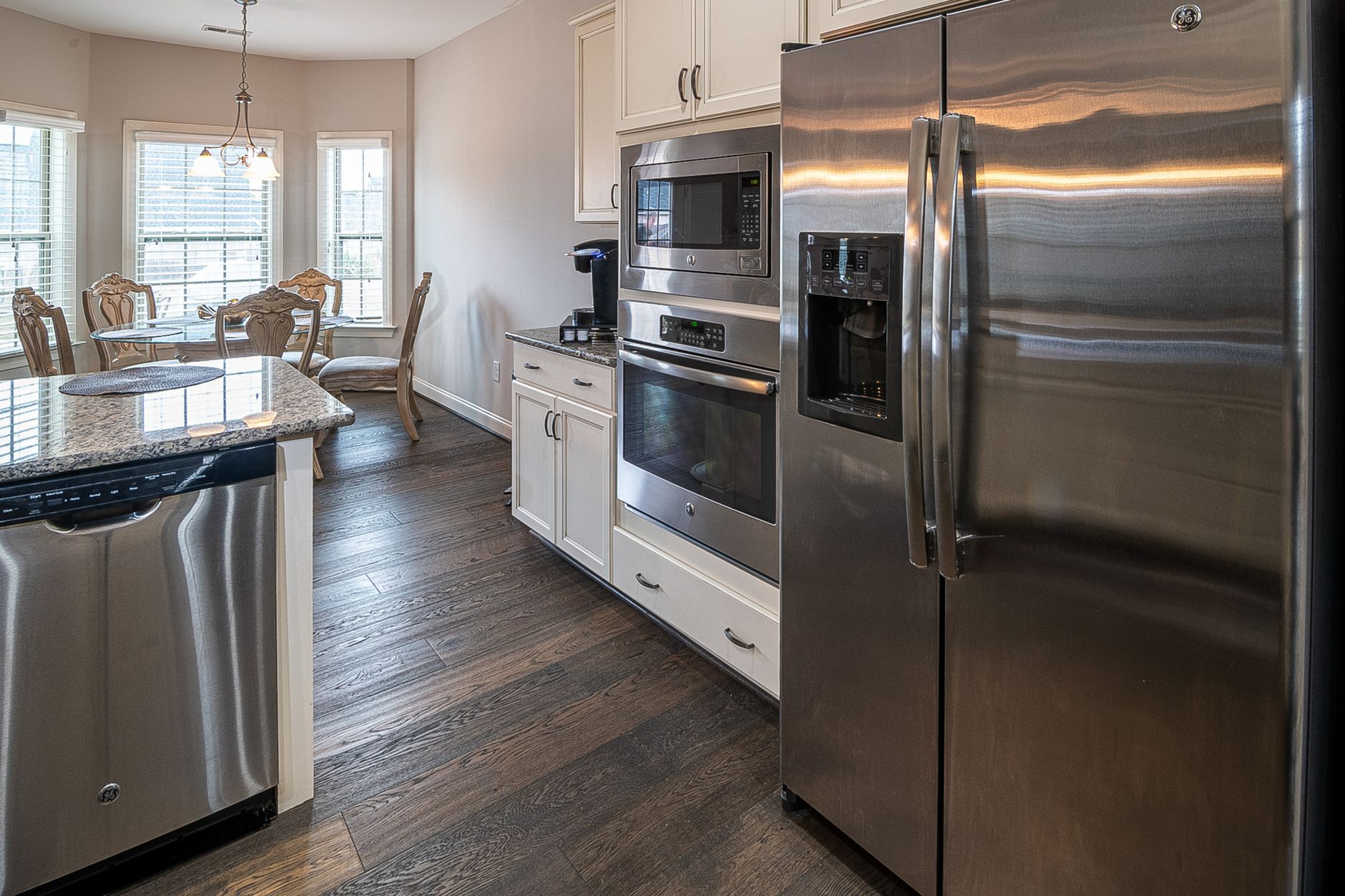
When you step into a showroom or scroll through a retailer’s website, the allure of a kitchen appliance bundle can be hard to resist. A single price tag for a fridge, oven, dishwasher and more seems like an effortless way to upgrade your kitchen without breaking the bank.
⚡ In a Rush? Key Takeaways
- Bundled kitchen sets typically shave 5‑12% off total sticker price versus buying separate units.
- Retailer rebates and free delivery can add $50‑$200 of savings per bundle.
- Hidden costs – extended warranties, installation fees, and mismatched energy ratings – can erode up to 8% of the quoted discount.
- Buying individually allows you to cherry‑pick the most energy‑efficient models, saving $30‑$70 per year on electricity.
- ✅ Verdict: Bundles are worth it only when timing aligns with promotions and you prioritize convenience over optimal efficiency.
How Do Kitchen Appliance Bundle Prices Compare to Individual Purchases?
Bundle pricing usually offers a 5‑12% discount on the summed retail prices of the same appliances bought separately.
Retailers such as Home Depot, Lowe’s and Best Buy publish bundle deals that combine a refrigerator, range, dishwasher and microwave. In 2026 the average bundled price for a mid‑range set is $4,150, while buying the same four items individually costs $4,600 on average. That differential translates to an immediate $450 saving, or roughly 9.8% off the total cost. However, the real picture emerges once you factor in ancillary expenses.
What Hidden Fees Often Reduce Bundle Savings?
Installation, haul‑away, and extended warranty fees can add $200‑$500, cutting the effective discount to under 5%.
Most bundles include a standard installation fee of $149‑$299 per appliance. If you need professional setup for a built‑in oven and a vented range, the total can exceed $600. Adding these fees without a clear breakdown can make the “discount” feel like a marketing illusion.
- Haul‑away of old appliances: $50‑$120 per item.
- Extended warranties: $90‑$180 for a four‑year plan.
- Delivery surcharges for staircase access: $30‑$75 per appliance.
These costs are often disclosed only at checkout, reducing the net discount and sometimes even negating the savings entirely.
How Do Energy‑Efficiency Labels Influence Long‑Term Costs?
Choosing the most efficient models can save $30‑$70 annually, outweighing a modest bundle discount over a decade.
When bundles are assembled, retailers may prioritize brand consistency over the highest ENERGY STAR rating. An A‑rated fridge paired with a B‑rated freezer can cost $12 more per month in electricity than an all‑A set, because the freezer runs continuously and draws significant power.
Using the 2026 UK average electricity rate of 24 p/kWh (≈ $0.16/kWh), a 0.3 kWh/day difference equals roughly $175 extra over ten years. Multiplied across multiple appliances, the annual penalty can dwarf the initial bundle discount.
Does Bundling Influence Delivery Timing and Logistics?
Coordinated delivery can save $30‑$80, but mismatched lead times may delay your kitchen remodel.
Retailer bundles often promise a single delivery window for all items, which can simplify scheduling and reduce the number of truck visits to your home. In practice, if one appliance is back‑ordered, the entire delivery may be postponed, extending the renovation timeline.
Extending a project’s duration can add indirect costs—temporary kitchen setups, rented equipment, or even increased labor charges—that quickly erode the nominal discount.
When Is It Smarter to Purchase Appliances Individually?
Individual buying shines when you can match each appliance’s efficiency, warranty, and price to your specific kitchen layout.
Design constraints often dictate appliance dimensions. A custom‑depth refrigerator may not fit a standard bundle, forcing a costly replacement later. Moreover, individual purchases let you take advantage of targeted promotions that rarely apply to full sets.
Furthermore, timing sales events such as Amazon Prime Day, Black Friday or seasonal clearance can yield deeper discounts on single items than a bundled offer, especially when paired with manufacturer rebates.
What Seasonal Sales Offer Better Individual Deals?
Prime Day (July) and Black Friday (November) routinely provide 15‑25% off high‑ticket kitchen appliances.
| Event | Typical Discount | Best Appliance Types |
|---|---|---|
| Amazon Prime Day | 15‑22% | Microwaves, air fryers, small refrigerators |
| Black Friday | 20‑25% | Ranges, wall ovens, dishwashers |
| Seasonal Clear‑out (Jan‑Feb) | 10‑18% | Older model refrigerators, freezers |
By aligning purchases with these windows, you can capture savings that exceed the modest bundle discount, especially when combined with manufacturer rebates that are rarely offered on bundles.
How Do Warranty and Service Plans Affect the Bottom Line?
Extended warranties on individual appliances cost $90‑$180 each, but often duplicate coverage already included in bundles.
Retailers sometimes bundle a three‑year warranty for the entire set at a reduced rate. However, if you already own a reliable brand, paying for an extra plan on a single appliance may be redundant and inflate your total cost.
- Check the manufacturer’s standard warranty – typically one year.
- Assess the likelihood of repairs based on reliability scores (e.g., Bosch 92% 5‑year reliability).
- Calculate the break‑even point: $150 warranty ÷ $30‑$70 annual energy savings ≈ 2‑5 years.
Can You Mix Brands When Buying Individually?
Mixing brands lets you pair the highest‑rated appliances, but may affect aesthetic cohesion.
If design harmony is a priority, you can still achieve a coordinated look by selecting finishes (stainless steel, black glass, apricot) that complement each other, even across different manufacturers. The trade‑off is often a modest increase in research time, which many homeowners find worthwhile for the performance gains.
In practice, a user who chose an A‑rated fridge from LG, a B‑rated but high‑capacity oven from Bosch, and a top‑rated dishwasher from Miele saved an estimated $45 per year in energy costs compared with a single‑brand bundle.
How Can You Calculate the True Cost of a Kitchen Appliance Bundle?
Add purchase price, installation, delivery, haul‑away, warranty, and projected energy use for a full cost picture.
Our simple spreadsheet model breaks the total into upfront and ongoing categories. Below is a sample calculation for a 2026 mid‑range bundle versus individual purchase. The model also lets you adjust variables such as local electricity rates, anticipated usage hours, and discount percentages.
| Cost Category | Bundle Total | Individual Total |
|---|---|---|
| Appliance List Price | $4,150 | $4,600 |
| Installation & Haul‑away | $520 | $430 |
| Extended Warranty (4 yr) | $350 | $420 |
| Energy Use (10 yr) | $1,040 | $970 |
| 10‑Year Net Cost | $6,060 | $5,970 |
In this example the bundle ends up $90 more expensive over a decade, mainly due to higher warranty and installation fees. When you factor in potential delays or mismatched energy ratings, the gap can widen further.
What Does the Appliance Cost Calculator Show for My Kitchen?
Our online calculator lets you plug in model numbers to see the exact 10‑year cost, including energy rates that reflect 2026 utility spikes.
Enter the energy label (A‑, B‑ etc.), estimated daily usage, and local electricity cost. The tool instantly generates a comparison chart you can print or save. For readers without access to the calculator, the following rule of thumb helps: subtract 0.5% of the purchase price per year for each ENERGY STAR level above a baseline C rating.
What Are the Common Myths About Kitchen Appliance Bundles?
Myths include “bundles are always cheaper” and “bundles guarantee matching styles and warranties.”
Many shoppers assume any discount is a win, yet the math often tells a different story. Let’s debunk the most frequent misconceptions.
Do Bundles Guarantee Consistent Design and Finish?
Bundles often mix brands, leading to mismatched handles, control panels, and aesthetic mismatches.
Retailers may group appliances based on price tier rather than design language. A stainless‑steel fridge paired with a matte‑black oven can create a disjointed look, prompting later replacements or costly panel kits to achieve visual harmony.
Are Bundles Always Covered by One Warranty?
Each appliance in a bundle retains its own manufacturer warranty; bundled warranties are rare.
If one unit fails, you may need to navigate multiple claim processes. Some stores offer a master service contract, but it typically costs extra and may have exclusions that differ from the individual warranties.
Will Bundles Reduce My Energy Bill More Than Individual Picks?
Energy savings depend on the individual ratings, not the fact they’re bundled.
A bundle that forces you into a lower‑rated dishwasher can increase water heating costs by $40‑$60 annually, offsetting any upfront discount. Conversely, selecting a high‑efficiency dishwasher independently can shave $70 a year off your bill.
Do Bundles Include Free or Discounted Installation?
Retailers often advertise “free installation,” but hidden fees may apply per appliance.
Free installation is usually limited to a single appliance or requires a minimum spend. Additional units may incur incremental fees, and any custom modifications (e.g., cabinetry cuts) are billed separately.
FAQ
Can I negotiate a better price on a kitchen bundle?
Yes, many retailers will match competitor offers or add free accessories if you ask.
Do bundle offers include free installation?
Often installation is discounted, not free; read the fine print for per‑appliance charges.
Is it better to buy a bundle when renovating?
During a remodel, bundles can simplify logistics, but verify that each model fits your layout and efficiency goals.
How long should I wait for a bundle promotion?
Watch for major sales cycles—Prime Day, Black Friday, and end‑of‑financial‑year clearance—for the deepest discounts.
What should I prioritize: price or energy rating?
Energy rating often yields higher long‑term savings; a $200 higher upfront price can pay for itself in 3‑5 years.
— Greta Michaud, Home Appliance Efficiency Researcher