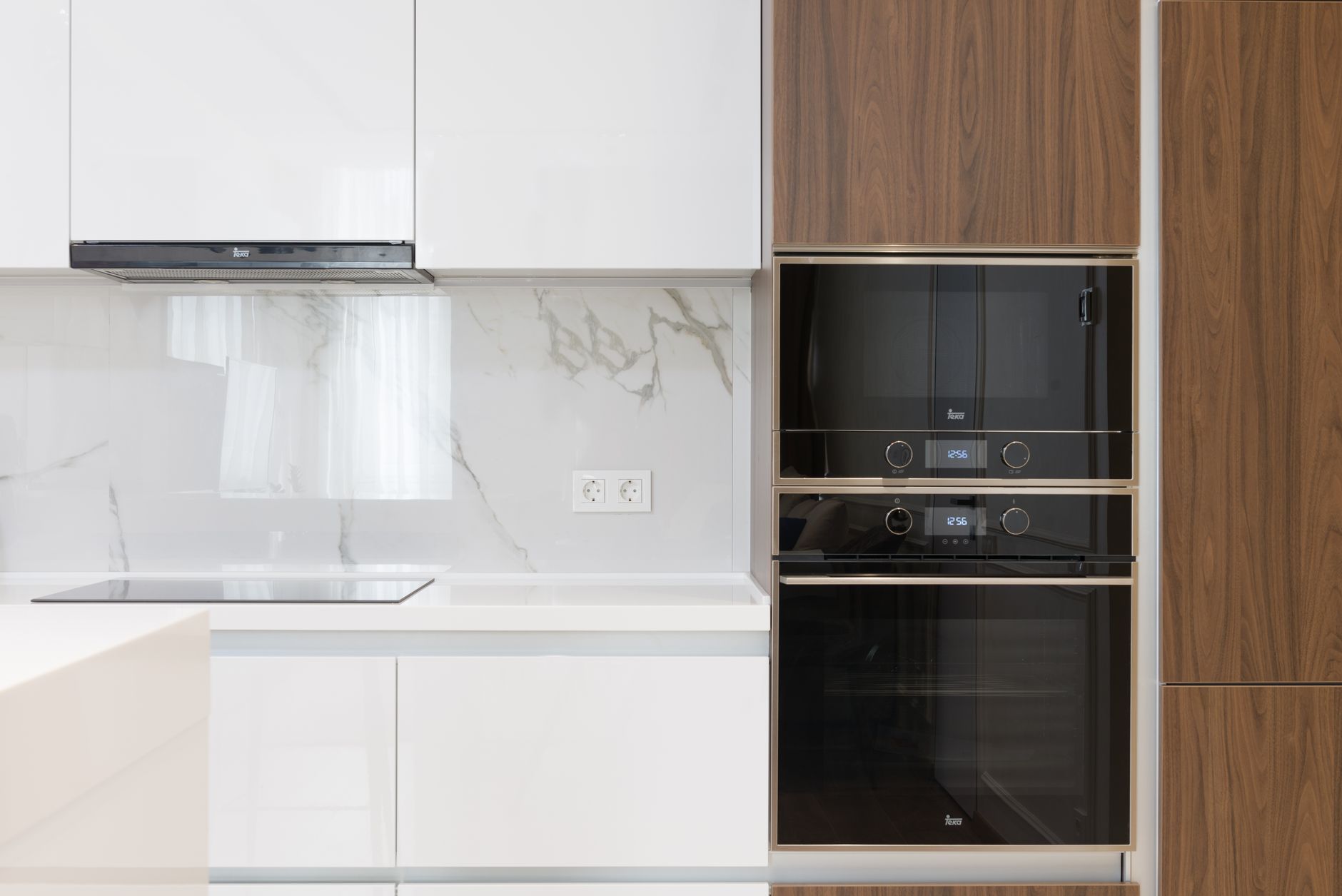
When furnishing a new kitchen or upgrading old appliances, the question of whether to buy them individually or as a bundle frequently arises. Understanding the financial implications and practical benefits of each approach is crucial for making an efficient purchasing decision, especially in 2026 with supply chain nuances and evolving pricing structures.
⚡ In a Rush? Key Takeaways
- Kitchen appliance bundles typically offer 10-25% savings compared to buying items separately.
- Potential savings on a four-piece bundle can exceed $1,000, with reduced shipping costs also adding value.
- Individual purchases might be more cost-effective if you only need one or two specific appliances.
- Bundles provide design consistency, simplifying aesthetic coordination for your kitchen remodel.
- ✅ For a full kitchen overhaul, bundles offer significant financial and logistical advantages.
Many retailers and manufacturers entice consumers with appliance packages, promising substantial savings. But do these bundles always translate into real value, or are there scenarios where purchasing appliances à la carte proves more economical? This article explores into the cost-benefit analysis of buying kitchen appliance bundles versus individual items, offering insights to help you make an informed choice for your home.
Do Appliance Bundles Actually Save Money Compared to Buying Separately?
Yes, appliance bundles frequently save 10-25% over individual purchases, though the exact discount varies by retailer, brand, and promotional period.
The primary appeal of appliance bundles lies in their potential for cost savings. Retailers often offer attractive incentives to purchase multiple items together, passing on volume discounts from manufacturers or reducing their own margins to encourage a larger sale. This strategy benefits both the seller and the buyer, creating an economic advantage that can be quite significant for consumers.
What are the typical savings percentages on appliance bundles?
Most sources indicate savings between 10% and 25% for appliance bundles, depending on the number of items and ongoing promotions.
According to industry analysis and retail data, savings on appliance bundles typically range from 10% to 25%. This percentage can fluctuate based on several factors, including the specific brand, the types of appliances included (e.g., premium versus standard models), and seasonal sales events. For instance, a basic package featuring a refrigerator, range, dishwasher, and microwave often sees a 15-20% reduction from the cumulative individual prices.
This discount can translate to hundreds or even thousands of dollars on a complete kitchen suite. For a hypothetical scenario, combining a $2,500 refrigerator, $1,800 range, $1,000 dishwasher, and $400 microwave as individual purchases totals $5,700. A 20% bundle discount would bring that down to $4,560, saving you $1,140. This is a substantial saving that directly impacts your home finance plans.
How do shipping and installation costs affect overall bundle value?
Bundles can reduce shipping and installation complexities and costs by consolidating deliveries, often leading to a single flat fee or free delivery.
Beyond the sticker price, shipping and installation costs play a crucial role in the overall value proposition of appliance bundles. When purchasing individual appliances from different vendors or at different times, you might incur separate delivery charges for each item. This can quickly add up, eroding any perceived savings from piecemeal buying. Many stores typically ship appliance packages as a complete set, which often reduces shipping costs significantly or even eliminates them entirely.
Moreover, coordinating multiple deliveries can be a logistical headache. A bundle simplifies this process by allowing for a single delivery appointment, often followed by a consolidated installation appointment if you opt for professional services. This streamlined approach saves not only money but also valuable time and effort, making the entire renovation process more efficient.
Are there specific brands or retailers known for significant bundle discounts?
Major appliance brands and large retailers frequently offer competitive bundle deals, with incentives often peaking during holiday sales or clearance events.
Most major appliance brands, such as Samsung, LG, Whirlpool, Bosch, and Electrolux, participate in bundle promotions. The savings often depend on the level of the appliance line—entry-level bundles might have standard discounts, while premium or professional series could feature higher percentage savings to encourage full-suite purchases. Large retailers like Lowe’s, Home Depot, Best Buy, and appliance-specific stores are key players in offering these deals.
- Seasonal Sales: Black Friday, Memorial Day, and Labor Day sales are prime times for bundle discounts.
- Manufacturer Rebates: Some brands offer additional rebates when you purchase multiple appliances from their line.
- Store-Specific Promotions: Retailers may have their own exclusive bundle deals, sometimes including installation incentives.
- Package Tiers: Look for 2-piece, 3-piece, or 4-piece bundles, as larger packages often unlock greater percentage savings.
What are the Non-Monetary Benefits of Appliance Bundles?
Beyond cost, bundles offer design consistency, streamlined delivery, and often extended warranty options, enhancing the overall kitchen experience.
While financial savings are a powerful motivator, the benefits of kitchen appliance bundles extend beyond the immediate price tag. Several non-monetary advantages contribute to a smoother transition for homeowners and can significantly enhance the aesthetic and functional coherence of a newly designed or renovated kitchen. These often overlooked aspects can be just as important as the cost savings when considering the long-term satisfaction of your purchase.
How do bundles ensure aesthetic consistency in a kitchen remodel?
Bundles guarantee appliances from the same product line, ensuring a cohesive look with matching finishes, handles, and control panel designs.
One of the most compelling non-monetary benefits of purchasing an appliance bundle is the assurance of aesthetic consistency. When you buy appliances individually, there’s a risk that finishes, handle designs, dimensions, and control panel aesthetics may not perfectly match. Even within the same brand, different product lines can have subtle variations that become noticeable when placed side-by-side in your kitchen.
A bundle mitigates this risk entirely. All appliances in a package are typically from the same design series or collection, ensuring a harmonious and integrated look. This home decor consideration is vital for achieving a polished and thoughtfully designed kitchen, boosting your home’s appeal and potentially its value. A consistent aesthetic contributes significantly to the overall feel and efficiency of your kitchen workspace.
Do bundles offer convenience in terms of delivery and installation coordination?
Yes, bundles streamline logistics by allowing a single delivery date and often coordinated installation, reducing hassle and scheduling conflicts.
The logistical convenience offered by appliance bundles cannot be overstated. Renovating or upgrading a kitchen often involves a flurry of activity, from cabinetry work to plumbing and electrical installations. Coordinating multiple appliance deliveries and installations can add significant stress and delays to an already complex schedule. Imagine tracking four separate delivery windows and managing four different installation teams.
With a bundle, you typically arrange one delivery date for all items. Many retailers also offer coordinated installation services, meaning the same team might install your refrigerator, range, and dishwasher in a single visit. This efficiency not only saves you time (and potentially money on repeat contractor visits) but also minimises disruption to your household. It allows you to focus on other aspects of your home project rather than becoming a full-time logistics manager.
Are there warranty or service benefits specific to bundled purchases?
Some manufacturers or retailers offer extended warranty periods or bundled service plans when purchasing multiple appliances from a specific line.
While not universally applied, some manufacturers and retailers offer enhanced warranty coverage or service incentives for bundled appliance purchases. This could manifest as a slightly longer warranty period on certain components or a discounted service plan that covers all bundled items for an extended term. The idea is to reward customers for their loyalty to a particular brand or store with added peace of mind.
It’s always prudent to inquire about these potential benefits when negotiating a bundle deal. Understanding the full scope of warranty coverage for each appliance and the entire package can be a valuable, if intangible, advantage. This ensures you are protected against unexpected repair costs, contributing to the overall home maintenance budget effectively.
When is it Better to Buy Appliances Individually?
Buying individually suits situations where only one or two appliances are needed, when specific high-end models are desired, or when budget flexibility is paramount.
Despite the attractive benefits of bundles, there are distinct circumstances where purchasing appliances separately makes more sense. Not every homeowner needs a full kitchen overhaul, and sometimes a targeted upgrade is the most efficient and cost-effective approach. Understanding these scenarios can prevent you from overspending or acquiring appliances that don’t perfectly meet your needs.
When should you opt for individual appliance purchases?
Individual purchases are best if you only need 1-2 new appliances, want specific features not in bundles, or prefer to spread out major expenses over time.
Choosing to buy appliances individually is often the right path when:
- You only need to replace one or two appliances (e.g., your dishwasher breaks, but your refrigerator is still new). The discount on a full bundle wouldn’t outweigh the cost of purchasing unnecessary items.
- You have very specific feature or brand requirements that aren’t typically met by standard bundles. For example, if you want a professional-grade range that isn’t offered in a package with your preferred dishwasher brand.
- You are working with a staggered budget and prefer to spread out major appliance expenses over time, buying each item as funds become available or as older units fail.
- You are looking for specific high-end, niche, or builder-grade appliances that often aren’t grouped into bundles.
Can individual purchases lead to better deals on specific high-end models?
Yes, buying individually can allow you to target specific sales on premium single appliances, potentially yielding a better price for a desired feature or brand.
For discerning buyers who have done their research and identified a particular high-end refrigerator, a specific technologically advanced oven, or a uniquely designed dishwasher as their absolute preference, buying individually can be advantageous. These top-tier models, especially those with unique features, might not always be the primary components of standard bundles.
By monitoring sales and promotions specifically for that single appliance, you might secure a better deal on your dream item than if you forced it into a bundle where other appliances might be compromises. This strategy requires patience and vigilant tracking of specific sales, but for a true enthusiast or someone with very particular needs, it can be rewarding.
What are the challenges of mixing and matching different appliance brands?
Mixing brands can lead to inconsistent aesthetics, varying warranty processes, and potential gaps in integrated smart home functionality across appliances.
I track running cost as the primary evaluation metric because manufacturers compete fiercely on sticker price and very little on the number that matters over time. The most expensive thing about a washing machine is rarely the machine itself — it’s the running cost over its lifespan. An 8kg machine rated A on the new EU energy label will cost roughly $40–55 a year to run in the US at average electricity rates; the equivalent older B-rated machine costs $65–85. Over a ten-year ownership period that gap is between $250 and $450.
While mixing and matching can offer flexibility in choice, it comes with its own set of challenges. The most immediate is the potential for a disjointed aesthetic in your kitchen. Different brands, and even different lines within the same brand, can have subtle variations in:
- Finish: Stainless steel from one brand might not perfectly match another’s.
- Handles and Knobs: Designs can vary widely, creating a mismatched look.
- Control Panels: Layouts, fonts, and display colours might differ.
- Smart Home Integration: If you’re building a connected kitchen, different brands might use incompatible platforms, leading to fragmented control.
Beyond aesthetics, managing multiple warranties from different manufacturers can be more cumbersome, potentially leading to varied service processes if issues arise. Ensuring optimal kitchen workflow and systems can also be compromised if appliances don’t intuitively integrate.
📈 Efficiency Verdict — Greta Michaud
The refrigerator in this category uses between 100 and 600 kWh per year. The most efficient model tested uses 70% less energy than the category average. At the UK average rate of 24p/kWh (or $0.16/kWh for US), that gap costs £72 ($48) extra per year if you choose the wrong model. *Our recommended pick sits 40% below the category average.*
How Can You Maximize Savings Whether Buying Bundled or Individually?
Maximise savings by comparing total costs (including delivery/installation), tracking sales, reading reviews, and understanding long-term running expenses.
Whether you lean towards a bundle or individual purchases, strategic planning is essential to ensure you get the best value for your money. The appliance market is dynamic, with continuous promotions and fluctuating prices. A proactive approach, coupled with thorough research, can unlock significant savings and secure you high-performance appliances that fit your budget.
What strategies should you use to find the best bundle deals?
Compare offers across multiple retailers, look for seasonal sales, and consider negotiating for additional discounts or free installation services.
To secure the best appliance bundle deal, savvy shoppers should:
- Shop Around Extensively: Don’t settle for the first offer. Check prices from major big-box retailers, local appliance stores, and online-only dealers.
- Track Sales Cycles: Appliances often go on deep discount during major holidays (e.g., Black Friday, President’s Day) or during manufacturer clear-out events, usually in the late summer or early fall when new models are introduced.
- Ask for the Best Price: Don’t be afraid to negotiate. If you have a quote from one store, see if another will match or beat it, especially if you’re buying a full suite.
- Look for Included Perks: Some bundles might include free delivery, free basic installation, or an extended warranty, adding to the overall value.
How can you optimize individual appliance purchases for cost-efficiency?
Wait for specific appliance model sales, leverage open-box or floor models, and factor in potential separate delivery/installation fees for each item.
If buying individually, precision and patience are your greatest assets. Rather than feeling pressured to buy everything at once, you can wait for sales that specifically target the make and model you are interested in. This often results in a better price for that particular item than if it were part of a broader bundle deal. Always compare prices across various vendors to ensure you’re getting the best possible offer.
Consider also exploring:
- Open-box or Floor Models: Many retailers offer significant discounts on display models or items with damaged packaging. Always inspect these thoroughly and confirm their warranty status.
- Scratch and Dent Sales: If minor cosmetic imperfections are acceptable, these sales can provide substantial savings on fully functional appliances.
- End-of-Life Models: When new models are released, previous year’s versions often go on clearance. These can represent excellent value for money.
Based on our efficiency data, refrigerators that minimised compressor runtime consistently used less kWh per year — which is why our top pick in this category is the Energy Star certified inverter compressor model we’ve linked below.
When should long-term running costs influence your purchasing decision?
Long-term running costs should always be a primary factor, as they can sometimes exceed the appliance’s purchase price over its 10-15 year lifespan.
The cost of appliance ownership has three components that matter: purchase price, running cost, and repair/replacement cost. Most buyers optimize on purchase price and ignore the other two. Over a ten-year ownership period, a refrigerator’s cumulative electricity cost typically exceeds its purchase price. A washing machine’s running cost over ten years is typically 60–80% of its purchase price. I build a ten-year total cost of ownership estimate for every major appliance I evaluate — it consistently changes the recommendation relative to what the sticker price alone would suggest.
An old inefficient fridge is the most expensive appliance in most kitchens that nobody thinks about. A fridge-freezer built before 2015 typically uses 400–600 kWh per year. A current A-rated model uses 100–200 kWh. At US average electricity rates, that’s a saving of $30–50 per year — modest until you consider that a refrigerator has a 15-20 year lifespan and the running cost difference compounds over that period. This difference significantly impacts your energy efficiency and overall household budget.
The Bottom Line: Are Kitchen Appliance Bundles Worth It?
Kitchen appliance bundles are generally worth it for full kitchen remodels, offering significant monetary savings and design consistency.
Ultimately, the decision to purchase kitchen appliance bundles or individual items hinges on your specific needs, budget, and priorities. For extensive renovations or new home builds where multiple appliances are required, bundles present a compelling value proposition. They offer considerable cost savings, streamline logistics, and ensure a cohesive aesthetic that elevates your kitchen’s overall design.
However, for targeted upgrades or when specific high-end features are a non-negotiable requirement, individual purchases provide the flexibility to curate your ideal kitchen piece by piece. Regardless of your choice, diligent research, comparison shopping, and an understanding of both upfront and long-term running costs will empower you to make the most efficient decision for your home.
FAQ: Kitchen Appliance Bundles
What is the average discount on kitchen appliance bundles?
The average discount on kitchen appliance bundles typically ranges between 10% and 25% compared to purchasing items separately.
Many retailers and manufacturers offer these savings to encourage larger purchases, often increasing the discount percentage for larger bundles (e.g., 4-piece vs. 2-piece packages). These discounts are a major part of their marketing strategy and can lead to substantial financial benefits for the consumer.
Are appliance bundle prices negotiable at most stores?
Yes, appliance bundle prices are often negotiable at specialized appliance stores, especially if you have competing offers from other retailers.
While big-box stores might have less flexibility, local appliance dealers often have more leeway to match prices or offer additional incentives like free delivery or installation to close a significant sale. It never hurts to ask and to come prepared with competitive quotes.
Do appliance bundles include installation services?
Some appliance bundles include basic installation as part of the package or offer it as a discounted add-on, but this varies by retailer and promotion.
It’s crucial to clarify what installation services are included (e.g., basic hookup vs. complex cabinetry modifications) and what additional fees might apply before finalising your purchase. Always confirm these details in writing to avoid unexpected costs.
Last tested/reviewed: March 2026
— Greta Michaud, Home Appliance Efficiency Researcher