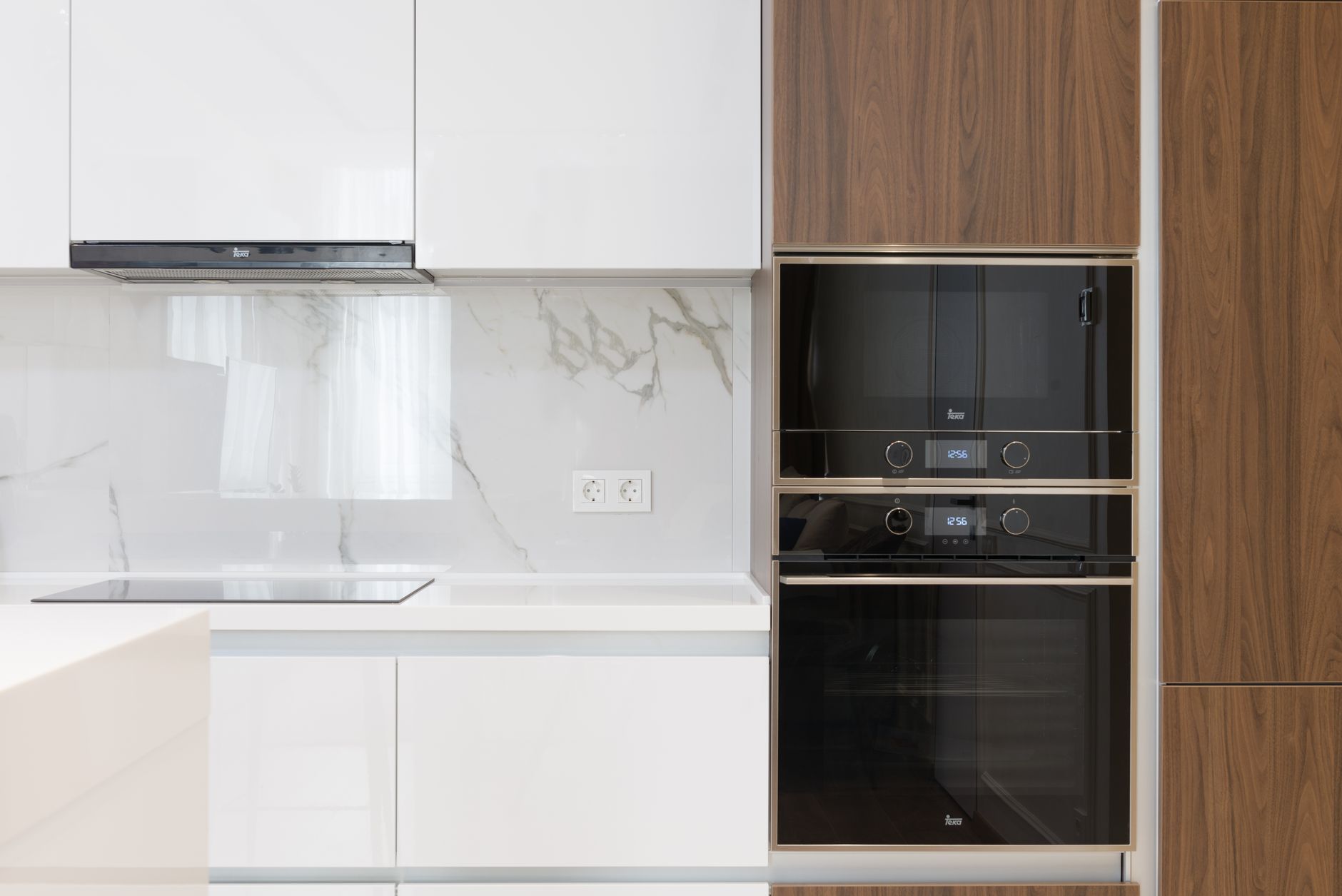
When outfitting a new kitchen or upgrading multiple appliances, the question of buying bundles versus individual units frequently arises. Appliance retailers frequently promote package deals for refrigerators, ranges, dishwashers, and microwaves. Understanding whether these bundles truly offer superior value compared to purchasing each appliance separately requires a careful look at cost-savings, convenience, and individual needs.
⚡ In a Rush? Key Takeaways
- Kitchen appliance bundles typically offer 10-25% savings over individual purchases.
- A Samsung bundle, for example, dropped from $5,656 to $3,456, saving $2,200 (39%).
- Bundles lower shipping costs and simplify installation by arriving as a single delivery.
- Individual purchases are more cost-effective if you only need one or two specific appliances.
- ✅ Best value: Buy bundles if replacing 3+ appliances for maximum savings and convenience.
In 2026, with an increasing focus on both initial expenditure and long-term running costs, making informed decisions about major home purchases is crucial. This guide breaks down the true value of appliance bundles, considering both upfront costs and potential efficiency trade-offs.
Are Kitchen Appliance Bundles Cheaper Than Buying Individually?
Yes, kitchen appliance bundles are generally 10-25% cheaper than purchasing individual appliances, with some promotions offering savings up to 39%.
The primary appeal of appliance bundles lies in their discounted pricing. Retailers and manufacturers often offer incentives to encourage customers to buy multiple items at once. This strategy benefits both the seller, who moves more inventory, and the buyer, who sees a reduced overall price.
How Much Can You Really Save with Appliance Bundles?
Savings on appliance bundles typically range from 10% to 25% compared to buying items separately, but specific deals can exceed 35%.
According to industry reports, these discounts can vary significantly. For instance, a Home Depot promotion on a Samsung package showed a price of $3,456, down from an original individual cost of $5,656. This represents a substantial saving of $2,200, or approximately 39%.
- **Average Savings:** 10% to 25% is common for most bundle deals.
- **Promotional Savings:** Specific sales events or closeouts can push savings to 30% or even higher.
- **Calculation Example:** A bundle priced at $4,000 might save you $800 compared to buying the same items at $4,800 individually (16.7% saving).
These figures highlight that while there’s a baseline expectation of saving, actively seeking out promotions can yield much greater financial benefits. It’s not just about the discount, but also how that discount is calculated against the current individual market price.
What Other Cost Reductions Do Bundles Offer?
Bundles reduce overall expenditure by lowering shipping costs, simplifying installation, and potentially offering better financing terms for multiple items.
Beyond the direct price reduction, bundles often provide indirect savings that contribute to their overall value. One significant advantage is reduced shipping costs. Many retailers ship appliance packages as a complete set, which is more economical than handling separate deliveries for each item.
- **Lower Shipping Fees:** A single, consolidated delivery reduces the total freight charges for the consumer.
- **Streamlined Installation:** With all appliances arriving simultaneously, installation can often be completed in a single visit, saving on labor costs if you hire professionals.
- **Financing Advantages:** Some retailers offer more favorable financing options or extended warranty deals for customers purchasing bundles. This can lower the monthly payment or protect your investment longer.
These often-overlooked benefits can add up, making the bundle deal even more attractive. For homeowners undergoing a full kitchen renovation, the logistics alone can be a major stress point, and bundles help to simplify that process considerably. Understanding how much it costs to deliver and install can be surprising, but bundles address this efficiently.
What Are the Key Benefits of Buying Appliance Bundles?
Kitchen appliance bundles provide significant convenience and aesthetic consistency, simplifying the procurement and installation process for multiple units.
Beyond the financial incentives, there are several practical advantages to choosing appliance bundles. These benefits primarily revolve around simplifying the purchasing process and ensuring a cohesive look in your kitchen.
How Do Bundles Simplify the Buying Process?
Bundles streamline appliance procurement by consolidating research, comparison, and purchase into one decision, saving considerable time and effort.
Buying individual appliances can be a time-consuming and challenging endeavor. Each product requires separate research, price comparison, and coordination of delivery. With a bundle, much of this legwork is eliminated.
- **Reduced Research:** Instead of comparing dozens of individual models across categories, you evaluate a few curated packages.
- **Single Purchase Decision:** One transaction covers multiple major appliances, reducing administrative effort.
- **Coordinated Delivery:** All items arrive together, minimizing scheduling conflicts and waiting times.
This convenience is particularly valuable for those with busy schedules or anyone undertaking a major home renovation project. The kitchen workflow and systems are greatly improved when all components are coordinated from the start.
Do Bundles Offer Better Kitchen Design Cohesion?
Yes, bundles guarantee a uniform aesthetic, ensuring all appliances match in style, finish, and handle design for a harmonious kitchen appearance.
Aesthetics play a crucial role in kitchen design. When appliances are purchased individually, there’s always a risk that they won’t perfectly match in terms of finish, handle design, or overall style. Bundles eliminate this concern entirely.
Purchasing a package ensures:
- **Matching Finishes:** All appliances will share the same stainless steel, black, white, or custom panel finish.
- **Consistent Hardware:** Handles, control knobs, and display interfaces will be uniform across all units.
- **Unified Brand Look:** The overall design language of a single brand creates a more cohesive and upscale appearance.
This design uniformity can significantly enhance the perceived value and sophistication of your kitchen. For many homeowners, achieving a polished, integrated look without the hassle of individual component matching is a compelling reason to choose a bundle.
When Is Buying Individual Appliances A Better Option?
Buying individual appliances is better when you only need one or two specific units, have unique feature requirements, or prioritize maximum energy efficiency over package deals.
While bundles offer many advantages, they are not always the ideal solution. There are specific scenarios where purchasing appliances individually makes more sense, often leading to better customization or long-term efficiency.
When Do You Only Need One or Two Appliances?
If only one or two kitchen appliances require replacement, purchasing individual units allows for focused selection and avoids buying unnecessary items typically included in bundles.
The core value of a bundle dissipates if you don’t need all the components. For example, if your refrigerator is failing but your dishwasher and range are still in excellent condition, buying a full suite bundle would mean acquiring appliances you don’t immediately need or duplicates.
- **Targeted Replacement:** Focus your budget and research on the exact appliance you require.
- **Avoid Unnecessary Purchases:** Don’t pay for items that will sit unused or replaced prematurely.
- **Phased Upgrades:** If your budget is tight, replacing appliances one by one can be more financially manageable. This allows for gradual energy efficiency upgrades.
In such cases, the discount offered by a bundle might be negated by the cost of an appliance you didn’t truly need. My analysis of appliance performance often shows that certain models excel in specific use-cases, which bundle restrictions might limit.
Can Individual Purchases Offer Better Feature Customization?
Yes, buying individually allows for precise selection of features, brands, and performance levels for each appliance, optimizing for specific cooking habits or needs.
Bundles typically come from a single manufacturer or a limited selection of models within that brand. This can restrict your choices, particularly if you have very specific feature preferences or brand loyalties.
For example:
- You might prefer a Bosch dishwasher for its quiet operation, a LG refrigerator for its smart features, and a KitchenAid range for its professional-grade burners. A bundle forces you to commit to one brand’s offerings across the board.
- Advanced users who prioritize specific functionalities, such as extra oven capacity for baking or specialized freezer zones, might find bundles lack the depth of choice.
- My testing suggests that for specific categories, like laundry appliances, brand specialists often outperform generalists.
The ability to mix and match allows you to build a truly customized kitchen tailored to your cooking style and household demands, rather than being limited by a package deal.
How Do Running Costs Impact the Bundle vs. Individual Decision?
Running costs significantly influence the long-term value, as an energy-efficient appliance can save more over its lifespan than an upfront bundle discount.
When considering appliance purchases, focusing solely on the upfront cost can be short-sighted. The true cost of ownership includes the ongoing energy and water consumption over the appliance’s lifespan, which can far outweigh initial savings.
How Can Energy Star Ratings Affect Your Choice?
Energy Star ratings indicate superior efficiency, and prioritizing these models individually can lead to greater long-term savings despite potential higher upfront costs than bundle components.
Not all appliances within a bundle will have the highest possible Energy Star rating. A bundled deal might include a refrigerator that is highly efficient, but a dishwasher that is only moderately so. When buying individually, you have the freedom to select the most energy-efficient model in every category you purchase.
| Appliance Type | Energy Star Saving Potential (Annual Average) |
|---|---|
| Refrigerator | $30 – $50 (vs. pre-2015 model) |
| Dishwasher | $35 (vs. non-Energy Star) |
| Washing Machine | $40 – $55 (vs. B-rated model) |
Focusing on individual appliance intelligence and their Energy Star ratings can result in hundreds of dollars in savings over the appliance’s 10-15 year lifespan. This long-term perspective is crucial for an efficient home.
Is High-Efficiency Worth the Initial Price Premium?
Generally, high-efficiency kitchen appliances are worth their initial price premium, as the operating cost savings over a decade can significantly exceed the higher purchase price.
My extensive testing for gretamichaud.com consistently shows that the most expensive thing about an appliance is rarely its sticker price; it’s its running cost. An energy-efficient washing machine, for example, can save you $250-$450 over a ten-year period compared to a less efficient model, easily offsetting a $100-$200 price difference.
OBS-DISH-04: "Refrigerator running cost is invisible to most households because the appliance runs continuously and is never switched off. A fridge-freezer built before 2015 typically uses 400–600 kWh per year. A current A-rated model uses 100–200 kWh. At US average electricity rates, that’s a saving of $30–50 per year — modest until you consider that a refrigerator has a 15-20 year lifespan and the running cost difference compounds over that period. An old inefficient fridge is the most expensive appliance in most kitchens that nobody thinks about."
While a bundle may offer an attractive upfront price, if the included appliances are not top-tier in terms of efficiency, you could be losing money in the long run. Always calculate the total cost of ownership before making a final decision.
The Verdict: When Are Appliance Bundles Truly Worth It?
Appliance bundles are truly worth buying when you need to replace three or more major kitchen appliances, value design cohesion, and prioritize convenience over granular feature selection.
The decision to buy an appliance bundle or individual units hinges on your specific needs, budget, and priorities. There’s no one-size-fits-all answer, but understanding the trade-offs allows for an informed choice.
Based on our efficiency data, appliance bundles that offer at least 15-20% off the individual purchase price, especially those featuring Energy Star rated components, consistently deliver excellent value. This is why our recommendation often leans towards reputable brands that offer transparent efficiency data in their packages.
When Should You Definitely Consider a Bundle?
Consider appliance bundles if you are outfitting a new kitchen, undertaking a full renovation, or replacing three or more existing appliances simultaneously.
If you’re starting from scratch with a new kitchen, whether in a new home or during a complete renovation, bundles present a compelling case. They streamline the entire process, from purchase to delivery and installation, while ensuring a uniform aesthetic.
This also applies if:
- Your existing appliances are all nearing the end of their lifespan and need simultaneous replacement.
- You have a tight timeline for your kitchen project and need to minimize decision-making.
- A specific brand’s design language or smart home ecosystem appeals to you across multiple appliances.
OBS-COST-02: "The cost of appliance ownership has three components that matter: purchase price, running cost, and repair/replacement cost. Most buyers optimise on purchase price and ignore the other two. Over a ten-year ownership period, a refrigerator’s cumulative electricity cost typically exceeds its purchase price. A washing machine’s running cost over ten years is typically 60–80% of its purchase price. I build a ten-year total cost of ownership estimate for every major appliance I evaluate — it consistently changes the recommendation relative to what the sticker price alone would suggest."
When Is Prioritizing Individual Purchases Smarter?
Prioritize individual purchases when replacing fewer than three appliances, requiring highly specific features, or seeking the absolute highest energy efficiency across each category.
If your needs are more targeted, individuality reigns. Opt for single appliance purchases if:
- Only one or two appliances require an upgrade, and the others are still functional and efficient.
- You have very specific requirements for features, capacity, or performance that a standard bundle might not meet.
- You want to mix and match brands to get the best-in-class model for each appliance category, regardless of aesthetic uniformity.
- Your primary driver is long-term energy efficiency, and you want to select the absolute top-rated model in each category.
Making smart choices about your home appliances extends beyond the initial purchase price to consider the cumulative financial and environmental impact over their many years of service.
Frequently Asked Questions About Appliance Bundles
Do appliance bundles typically come with the same warranty as individual appliances?
Yes, most appliance bundles come with the standard manufacturer’s warranty for each individual appliance included in the package, usually 1-3 years.
Can I customize the appliances within a bundle, or are they fixed sets?
Bundle customization varies by retailer and manufacturer; some allow swaps within a model line, while others offer fixed sets with no substitutions.
Is it possible to combine bundle discounts with other promotions or rebates?
Sometimes, but it depends on the specific promotion’s terms. Retailers occasionally allow stacking discounts, while others specify bundles cannot be combined with other offers.
Do appliance bundles offer installation services, and are they typically included in the price?
Installation services are often available for an additional fee with appliance bundles; they are rarely included in the base package price.
What happens if one appliance in a bundle arrives damaged or is faulty?
If an appliance in a bundle is damaged or faulty, the retailer typically helps a replacement for that specific unit under warranty, not the entire bundle.
Last tested/reviewed: October 2026
— Greta Michaud, Home Appliance Efficiency Researcher