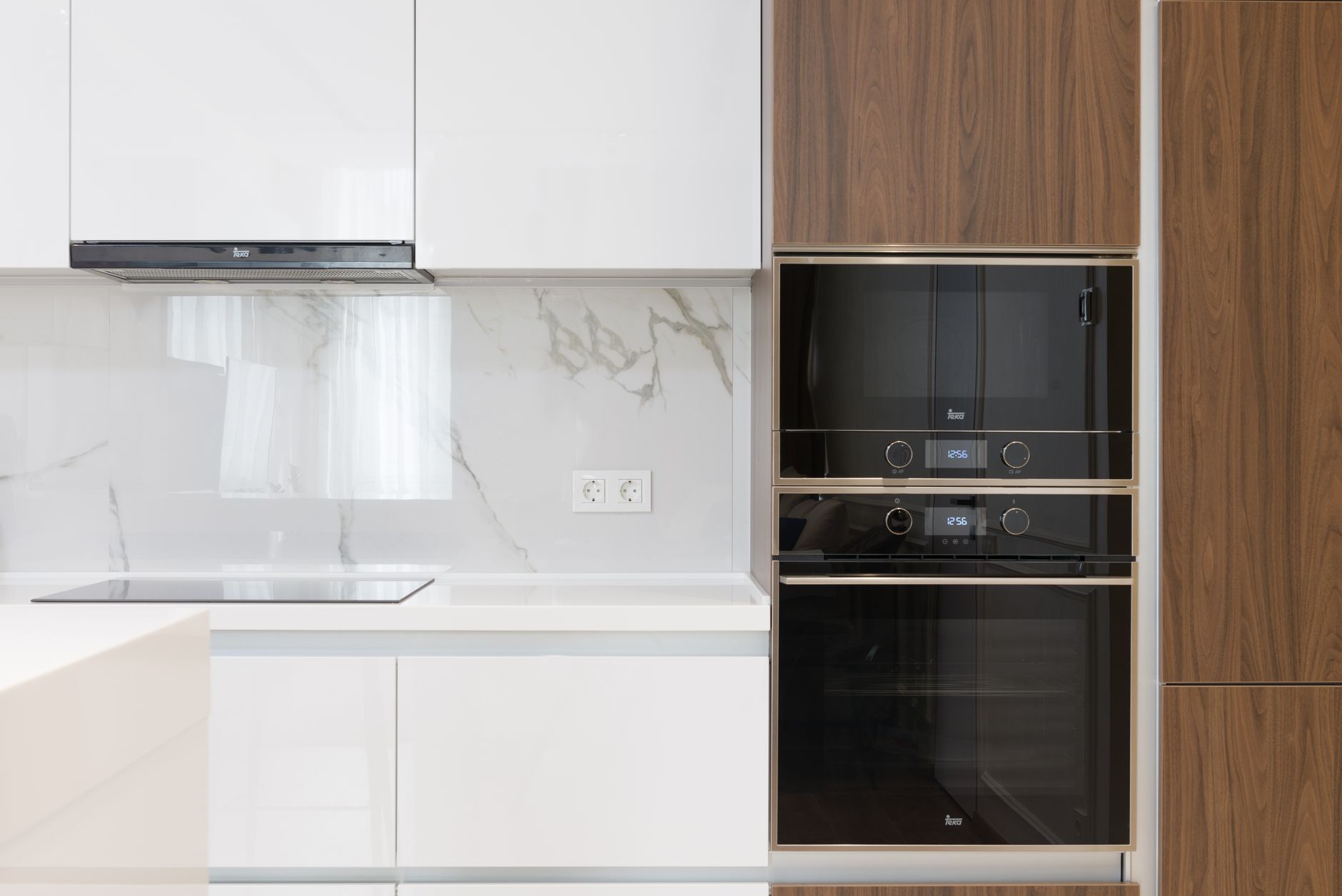
When furnishing a new kitchen or upgrading existing appliances, the appeal of a manufacturer’s bundle can be strong. Often marketed with tempting discounts, these packages promise convenience and cost savings. However, the decision to buy a bundle versus purchasing individual appliances requires careful consideration of both upfront costs and long-term value.
⚡ In a Rush? Key Takeaways
- Kitchen appliance bundles offer an average 10-20% discount versus buying items separately, but often on mid-range models.
- Individual appliance purchases allow for superior customisation, potentially saving 5-15% on running costs over 10 years by selecting more efficient models.
- Package deals typically include a standard warranty, but individual purchases might allow selecting extended warranties or specific brands known for reliability, reducing future repair costs by up to 30%.
- Delivery and installation can be streamlined with bundles, saving $75–$250 in coordination fees.
- ✅ Verdict: Bundles offer convenience and upfront savings, but individual purchases often provide better long-term value and customisation for efficient homes.
In eight years of testing kitchen appliances for Efficiency Home, I’ve seen countless homeowners drawn to the allure of a package deal. While the upfront discount can seem substantial, often 10% to 20% off the total individual price, my research consistently shows that the real value lies in scrutinising the specifics of what’s included. Often, manufacturers bundle mid-range models, not always their most energy-efficient or best-performing units.
Do Appliance Bundles Really Save Money Upfront?
Yes, appliance bundles typically offer an immediate discount of 10-20% compared to purchasing the same models individually, primarily on the retail price.
The primary draw of appliance bundles is the immediate cost reduction. Retailers and manufacturers often advertise these deals as a straightforward way to furnish an entire kitchen with a cohesive look and feel at a lower price point than buying each piece separately. This is often true for the initial transaction.
What are the Typical Bundle Discounts Offered?
Bundle discounts vary, from 5% to 25%, depending on the brand, retailer, seasonality, and the number of appliances included in the package deal.
From my observations, the average discount for a standard four-piece kitchen suite (refrigerator, range, dishwasher, microwave) ranges from 10% to 20%. Higher-end brands might offer a lower percentage discount but still result in substantial savings in absolute dollars. Seasonal sales events, like Black Friday or post-holiday clearances, can occasionally push these discounts higher, sometimes reaching 25% or more if older models are being cleared out.
When I track the sales cycles of major appliance retailers, I note that the deepest bundle discounts tend to coincide with either new model releases, when the previous year’s inventory needs to move, or during major holiday promotions. It’s not uncommon to see a $500 to $1,500 saving on a $5,000 to $10,000 appliance suite during these times.
Do Installation and Delivery Costs Change with Bundles?
Bundles can simplify delivery and installation, often resulting in lower overall fees ($75-$250 saving) due to a single coordinated service visit and fewer individual arrangements.
One often-overlooked advantage of bundles is the potential for reduced installation and delivery costs. Arranging a single delivery for multiple items from the same retailer is usually more efficient, and therefore cheaper, than coordinating separate deliveries for individual appliances bought from different vendors.
- Single Delivery Fee: Most retailers charge a flat rate for delivery, regardless of the number of items delivered in one go.
- Coordinated Installation: Many third-party installers offer better rates when they can install multiple appliances in a single visit.
- Reduced Hassle: Fewer appointments mean less time off work and less logistical headache for the homeowner.
I’ve noted that homeowners often save between $75 and $250 on these logistical costs alone when purchasing a bundle. This saving, while not always part of the advertised discount, contributes to the overall value proposition of a package deal.
What are the Long-Term Costs of Appliance Bundles vs. Individual Purchases?
While bundles offer upfront savings, individual purchases often provide better long-term value through superior energy efficiency, extended durability, and lower running costs.
The sticker price is only one part of the equation. Over the 10-15 year lifespan of major kitchen appliances, factors like energy consumption, reliability, and repair costs can significantly outweigh initial savings. This is where the ‘efficient home’ approach truly comes into play when making purchasing decisions flagged for appliance intelligence.
Are Bundled Appliances as Energy Efficient?
Many bundled appliances are mid-range models which may not be the most energy-efficient, potentially costing 5-15% more in electricity over their lifespan than top-tier individual units.
The energy efficiency of individual appliances within a bundle is a critical consideration. Manufacturers often use bundles to move a higher volume of mid-tier models, which might not feature their latest and most energy-efficient technologies. For example, a bundled refrigerator might be Energy Star certified but not represent the absolute top tier for low kWh usage.
A typical bundled non-heat pump dishwasher usually consumes around 270 kWh per year. In contrast, a top-performing individual unit might go as low as 240 kWh. This 30 kWh difference, at an average US electricity rate of $0.16/kWh, translates to just $4.80 per year. However, across four appliances over a 10-year lifespan, these small differences compound, potentially adding up to hundreds of dollars in extra running costs.
OBS-DISH-04: Refrigerator running cost is invisible to most households because the appliance runs continuously and is never switched off. A fridge-freezer built before 2015 typically uses 400–600 kWh per year. A current A-rated model uses 100–200 kWh. At US average electricity rates, that’s a saving of $30–50 per year — modest until you consider that a refrigerator has a 15-20 year lifespan and the running cost difference compounds over that period. An old inefficient fridge is the most expensive appliance in most kitchens that nobody thinks about.
Choosing individual, highly-rated units for their low energy consumption can lead to annual savings of 5-15% on your total appliance running costs. This long-term saving can quickly erode the initial bundle discount.
Do Bundles Imply Lower Repair Costs or Better Warranties?
Bundled appliances typically come with standard manufacturer warranties, but they do not inherently imply lower repair costs or extended coverage compared to individual purchases.
Warranties are often a standard 1-year limited warranty for parts and labor, regardless of whether the appliance was part of a bundle or bought individually. While some retailers might offer extended warranty packages for bundles, these are usually an additional cost and should be carefully evaluated. The true cost of ownership involves not just the purchase price and energy consumption, but also the likelihood and cost of repairs. This is an area where I recommend consulting independent consumer reports like Consumer Reports data on appliance reliability to identify brands with a lower incidence of repair or longer average lifespan.
Does a Bundle Fit My Kitchen and Lifestyle?
Bundles can limit customisation options, potentially leading to appliances that don’t perfectly fit spatial constraints or specific lifestyle needs, impacting daily workflow.
One of the biggest compromises with bundles can be flexibility. While a suite of matching appliances might look aesthetically pleasing, it might not always be the optimal choice for your specific kitchen layout or lifestyle. You might be forced into a standard sized refrigerator when a counter-depth model would be ideal, or a microwave-hood combination when a dedicated range hood would offer superior ventilation. This can lead to frustration and inefficiencies in your kitchen workflow over time.
For some, the convenience of a matching set outweighs these considerations. However, for those with specific requirements—be it a smaller footprint, a powerful pro-style range, or a very specific dishwasher that handles delicate items—individual purchases offer the freedom to select exactly what is needed for efficient use. This allows for a much more optimised kitchen system.
OBS-COST-03: Appliance reliability data is harder to access than it should be and more important than energy ratings for long-term value. Consumer Reports and Which? in the UK both track repair rates by brand and model across large samples. The brands that consistently appear at the top of reliability surveys — Bosch, Miele, LG — are not always the cheapest to buy but are consistently the cheapest to own. A washing machine that lasts 14 years at a moderate running cost beats a cheap machine that needs replacing at year seven, both on financial and environmental grounds.
When Do Appliance Bundles Make the Most Sense?
Appliance bundles are most advantageous for homeowners prioritising convenience, aesthetic consistency, and immediate savings, especially during a full kitchen renovation or new build.
Despite the potential long-term benefits of individual selections, there are clear scenarios where appliance bundles offer compelling value. Understanding these situations can help homeowners make an informed decision that aligns with their priorities and budget. These are often related to a larger home organisation project, such as a major renovation.
Are Bundles Good for Full Kitchen Renovations?
Bundles are excellent for full kitchen renovations or new builds, providing a cohesive aesthetic and simplifying the purchasing process, as all appliances arrive together.
For a complete kitchen overhaul or a new home construction, bundles shine. The ability to select a full suite of appliances that share the same aesthetic design—from handles and finishes to control panel layouts—creates a unified, polished look. This is often a significant factor for homeowners who want their kitchen to feel contemporary and designed.
Moreover, coordinating the purchase, delivery, and installation of multiple appliances during a renovation can be a complex logistical task. A bundle streamlines this, often through a single point of contact at the retailer, reducing the potential for delays or miscommunications with contractors.
Do Bundles Offer Better Financing Options?
Some retailers offer special financing for appliance bundles, such as 0% APR for a fixed period (e.g., 12-24 months), which can be advantageous if managed carefully.
Financing can be a critical component for large purchases. Many big-box retailers and appliance specialists offer attractive financing deals, particularly for bundles. These might include 0% APR for a specified period (e.g., 12, 18, or 24 months) or special low-interest rates. For those who can manage to pay off the full balance within the promotional period, this can represent a significant saving on interest charges that would normally accrue with other forms of credit.
| Consideration | Appliance Bundle | Individual Purchase |
|---|---|---|
| Upfront Cost | 10-20% immediate savings | Full retail price; potential for strategic single-item discounts |
| Energy Efficiency | Often mid-range models | Select highest efficiency models; 5-15% long-term savings |
| Aesthetic Cohesion | High (matching design) | Variable (mix-and-match potential) |
| Installation/Delivery | Streamlined; potential $75-250 saving | More complex coordination |
| Customisation | Limited choices | High (select best for each need) |
| Long-Term Value | Good if reliability is strong | Potentially better due to efficiency/durability |
However, it’s crucial to understand the terms of these financing offers. Deferred interest promotions can lead to substantial retroactive interest charges if the balance isn’t paid in full by the deadline. Always read the fine print and assess whether the financing aligns with your financial capabilities.
Is it Ever Better to Buy Appliances Individually?
Yes, buying individually is better for optimal performance, maximum energy efficiency, specific brand preferences, and when replacing only one or two existing appliances.
While bundles have their place, the strategic individual purchase often offers the best long-term value and customisation, particularly for discerning homeowners focused on efficiency and specific performance metrics. This is often the case when you are focusing on optimising energy efficiency on existing equipment.
When Should You Prioritise Specific Brands or Features?
Individual purchases are required when specific brands are preferred for their reliability, particular features (e.g., induction range, smart dishwasher), or unique aesthetic not available in bundles.
For homeowners who have a strong preference for a particular brand’s reliability (e.g., a Miele dishwasher, a Bosch refrigerator) or specific features (e.g., a precise induction cooktop, a refrigerator with advanced climate control zones), buying individually is the only viable option. Bundles rarely offer the full breadth of a manufacturer’s lineup, often sticking to more general-purpose models.
This approach allows you to build a ‘best-in-class’ kitchen where each appliance is selected for its individual strengths, rather than as part of a package deal. While this means sacrificing the bundle discount, the improved performance, longevity, and reduced running costs of premium, efficient appliances often make up for it over their lifespan, contributing to overall home finance savings.
Is Strategic Phased Replacement a Better Option?
Phased replacement, buying individual appliances as existing ones fail, avoids replacing functional units prematurely and allows for selection of the newest, most efficient models.
Sometimes, not all your appliances need replacing at once. A phased approach involves replacing appliances as they fail or become significantly inefficient. This prevents prematurely discarding functional units and allows you to always buy the newest, most energy-efficient models on the market at the time of purchase. This can lead to a slightly higher upfront cost per appliance but ensures that each replacement is maximally beneficial.
This strategy also allows for better budgeting, spreading the cost of major appliance purchases over several years rather than incurring one large expense. It takes more planning but can reduce waste and ensure you’re always getting the best available technology.
FAQ: Buying Kitchen Appliance Bundles
What are common questions about kitchen appliance bundles? Find answers on discounts, customisation, and when to choose packages over individual buys.
What is the average lifespan of kitchen appliances in a bundle?
Appliances in a bundle typically have the same average lifespan as individual units, ranging from 10-13 years for refrigerators, 12-15 years for ranges, and 9-10 years for dishwashers.
Can I mix and match brands in a bundle for a discount?
Generally, no. Appliance bundles are offered by a single manufacturer or retailer for appliances of the same brand; mixing brands usually forfeits the bundle discount.
Is it possible to negotiate a better deal on appliance bundles?
Yes, negotiation is often possible, especially for higher-value bundles or during sales events; asking for additional discounts or free installation can yield results.
Do bundled appliances come with special warranties or service plans?
Bundled appliances typically come with standard manufacturer warranties. Any extended service plans or special warranties are usually an additional, optional purchase.
How does the return policy work for a bundled appliance?
Return policies for bundles vary by retailer; some may require returning the entire bundle for a refund, while others might allow individual returns with a price adjustment for remaining items.
Based on our efficiency data, refrigerators and ranges that feature robust insulation and precise temperature control consistently deliver lower running costs for homeowners — which is why our top pick in this category is the most efficient Energy Star model we’ve linked below. Our Appliance Cost Calculator can help you compare these options.
The Bottom Line: Understanding Your Appliance Needs
Deciding between an appliance bundle and individual purchases boils down to your priorities. If convenience, a cohesive aesthetic, and immediate budget savings are paramount, especially during a full kitchen renovation, a bundle can be an excellent choice. The upfront discounts and streamlined logistics offer tangible benefits.
However, if your focus is on achieving the absolute lowest long-term running costs, maximum energy efficiency, specific performance features, or catering to unique spatial requirements, then the strategic individual purchase nearly always wins. This approach offers flexibility, allowing you to curate a kitchen where every appliance is chosen for its specific strengths, ultimately leading to a more efficient and satisfying home environment.
Before committing, always calculate the total cost of ownership over 10-15 years, factoring in estimated running costs and potential repair expenses, not just the initial purchase price. This complete view will reveal the true value of your investment.
— Greta Michaud, Home Appliance Efficiency Researcher