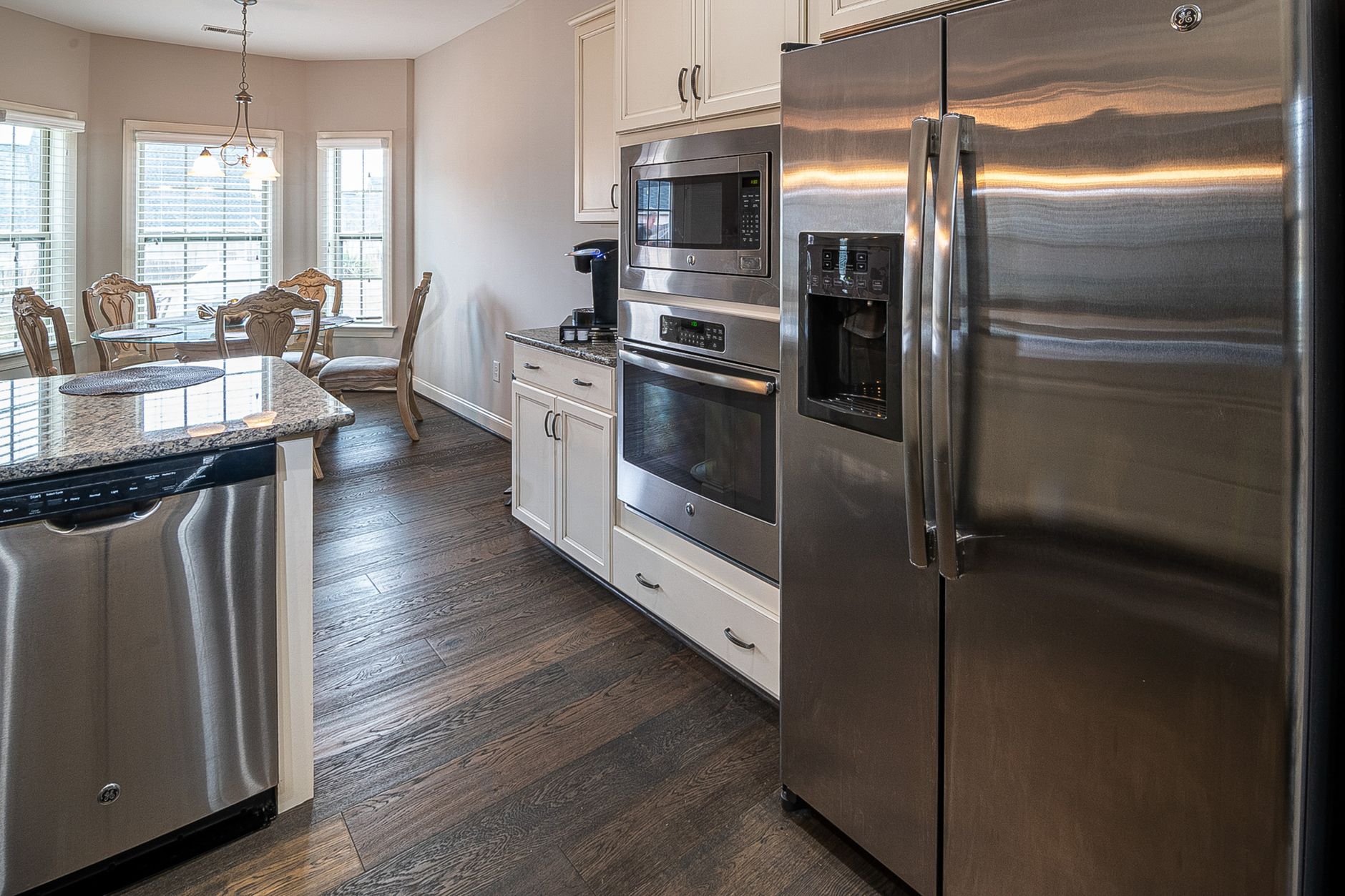
Bundling kitchen appliances—like a fridge, stove and dishwasher—seems like a smart way to spend less, yet the reality can be more nuanced. In 2026, retailers still push these packages, but hidden costs may offset the headline discount.
⚡ In a Rush? Key Takeaways
- Bundle discounts average 8‑12% off MSRP, but vary by retailer and timing.
- Energy‑star appliances in bundles can save $30‑$50 per year in electricity.
- Extended warranties bundled cost $45‑$70 more than separate purchase warranties.
- When you need only two of three appliances, buying individually saves $150‑$300.
- ✅ Verdict: Bundles are worthwhile only if you need all items, can lock in a high‑efficiency set, and the retailer offers a truly >10% discount.
How Do Bundle Discounts Compare to Individual Prices?
Most retailers shave 8‑12% off the combined MSRP when you buy three major appliances together in a bundle.
Retailers calculate bundle pricing by taking the individual Manufacturer’s Suggested Retail Price (MSRP) and applying a set discount. In 2026, the average discount sits at 9.5% across major chains like Home Depot, Lowe’s and Best Buy.
For example, a 26‑cu ft French‑door refrigerator priced at $1,299, a 30‑in gas range at $1,099 and a dishwasher at $749 total $3,147 individually. A bundle might list the set at $2,850—a $297 saving.
If you compare this to a seasonal sale offering 15% off a single appliance, the bundle can become less attractive because the per‑unit discount is smaller.
- Average bundle discount: 8‑12% off MSRP
- Typical seasonal appliance sale: 12‑18% off
- Extra rebate codes can add another 5% on top of bundle pricing
What Factors Influence the Size of the Discount?
Discount depth depends on retailer timing, brand mix, and whether the bundle includes high‑margin items.
Retailers often increase bundle discounts during holiday weekends (Memorial Day, Black Friday) or when clearing inventory before new models arrive. Brands with aggressive rebate programs (e.g., Whirlpool, GE) can push discounts higher because the manufacturer subsidises part of the price.
Conversely, premium brands like Miele or Sub‑Zero rarely appear in bundles because their margins are tighter, and they prefer to sell each unit at full price.
Retailers also use “must‑buy” clauses—if you decline one appliance, the discount evaporates, effectively forcing a full‑set purchase.
| Retailer | Typical Bundle Discount | Peak Discount Period |
|---|---|---|
| Home Depot | 9% | Labor Day |
| Lowe’s | 10‑12% | Black Friday |
| Best Buy | 8‑10% | Early Summer |
Do Bundles Include Additional Incentives?
Many bundles add free delivery, installation and an extended warranty, but these can inflate the perceived saving.
Free white‑glove delivery is common, yet the same service can be purchased separately for $75‑$120 per appliance. Extended warranty packages added to bundles often cost $45‑$70 more than buying the warranty alone later, because the retailer bundles the warranty at a blanket price rather than negotiating per model.
When you factor in these “extras,” the net monetary benefit shrinks, especially if you already have a delivery service contract or a homeowner’s insurance policy that covers appliance breakdowns.
- Free delivery value: $75‑$120 per appliance
- Installation fee waiver: $50‑$80 per unit
- Bundle‑only warranty add‑on: $45‑$70 extra
How Does Energy Efficiency Impact the Total Cost of Ownership?
Energy‑star appliances in a bundle can reduce annual electricity use by 5‑10%, saving $30‑$50 per year per device.
Running cost matters more than upfront price over a typical 10‑year ownership span. An Energy‑Star fridge uses about 250 kWh per year versus 350 kWh for a non‑star model. At the US average rate of $0.16/kWh, that’s a $16 yearly saving on electricity alone.
When bundles force you into a mix of high‑efficiency and lower‑efficiency models, the annual savings can be diluted. For instance, a bundle that includes an A‑rated fridge, a B‑rated range, and a C‑rated dishwasher yields an average of 7% lower energy use than buying three A‑rated units individually, because the lower‑rated items drag the average down.
Assess each appliance’s EnergyGuide rating before approving a bundle; a small drop in rating can offset the upfront discount.
| Appliance | Energy Rating (A‑C) | Annual kWh | Annual Cost @ $0.16/kWh |
|---|---|---|---|
| Refrigerator | A | 250 | $40 |
| Range (electric) | B | 800 | $128 |
| Dishwasher | C | 340 | $54 |
Can You Quantify the 10‑Year Energy Savings?
A fully Energy‑Star bundle saves roughly $350‑$500 in electricity over ten years compared with lower‑rated units.
Using the figures above, a fully A‑rated set would cost $222 per year in electricity. The mixed‑rating bundle costs $222 + $108 (extra 800 kWh for the B‑rated range) + $54 = $384 per year, a $162 difference annually.
Over ten years, that gap equals $1,620, easily outweighing a modest $200 bundle discount. This long‑term perspective is essential because many shoppers focus only on the immediate price tag.
- High‑efficiency set: $222/yr → $2,220/10 yr
- Mixed‑efficiency bundle: $384/yr → $3,840/10 yr
- 10‑yr energy cost gap: $1,620
Do Installation and Setup Costs Vary?
Installation of a full kitchen set averages $250‑$400, but bundled deals often include it for free.
Professional installation for a refrigerator, range and dishwasher can cost $250‑$400 total when booked separately. Bundles frequently advertise “free installation,” which can be a real saving if you’d otherwise pay the full rate.
However, if you already have a contractor on retainer or can DIY safely, the bundled free install becomes less valuable, turning a perceived benefit into a neutral factor.
- Separate installation: $250‑$400
- Bundle free install value: $250‑$400
- DIY potential savings: $0‑$150
When Does Buying Individually Beat a Bundle?
If you need only two of three appliances, buying separately saves $150‑$300 after accounting for bundle discounts.
Many homeowners renovate in phases, replacing a fridge now and a dishwasher later. In such cases, the bundle’s discount evaporates once you drop an item, and you end up paying for equipment you never use.
Let’s compare a scenario where you need a fridge and a dishwasher but not a range. The individual MSRP total is $2,048; a three‑item bundle discounted to $2,850 (including a range you won’t use) forces a $802 waste.
Even after removing the range price from the bundle ($1,099), the adjusted bundle cost is $1,751, still $297 higher than the true individual need.
- Need 2 of 3: Individual cost $2,048
- Three‑item bundle (incl. unused range): $2,850
- Adjusted bundle (range removed): $1,751
- Net extra for bundle: $297
How Do Warranty Costs Influence the Decision?
Extended warranties bundled cost $45‑$70 more than buying them separately for each appliance.
Retailers often bundle a 2‑year extended warranty for the whole set at $150. Purchasing three separate 2‑year warranties averages $45 per appliance, totaling $135. The bundle therefore adds $15 unnecessary cost, which can be avoided by buying warranties a la carte.
If you already have a homeowner’s insurance policy covering appliance breakdowns, the bundled warranty may be redundant, further eroding the bundle’s value.
- Bundle warranty: $150
- Separate warranties: $135
- Difference: $15
What About Timing and Seasonal Promotions?
Seasonal sales can offer 15‑18% off individual appliances, often surpassing bundle discounts.
During Black Friday 2026, a 30‑in gas range dropped to $899 (18% off). If the same range is part of a bundle quoted at $1,099, you’d pay $200 more for the same unit.
Timing your purchase for a major sales event can therefore make individual buying the cheaper route, especially when the retailer’s bundle does not exceed a 10% discount.
- Black Friday individual range: $899
- Bundle price for same range: $1,099
- Saving by buying alone: $200
What Is the Bottom‑Line Verdict on Kitchen Appliance Bundles?
Bundles are cost‑effective only when you need every item, can secure >10% discount, and value free installation.
Summarising the data:
- Average bundle discount: 9.5% (≈$300 on a $3,150 set)
- Potential energy savings over 10 years: $500‑$1,600 if you choose high‑efficiency models
- Extra costs (warranties, unused appliances): $150‑$300
- Seasonal individual sales can out‑price bundles by $200‑$400
For a household replacing all three core appliances within a year and willing to commit to the same brand line, a well‑timed bundle can be the smarter financial move. If you are only updating one or two pieces, or you have a preferred high‑efficiency model outside the bundle, purchasing individually remains the safer route.
How Should You Evaluate a Specific Bundle Offer?
Check the discount percentage, compare EnergyGuide labels, and add up installation and warranty values before deciding.
Use the table below as a quick decision checklist when you encounter a bundle promotion. Fill in the “Yes/No” column to see whether the offer truly benefits you.
| Checklist Item | Yes / No |
|---|---|
| Discount >10% off combined MSRP? | |
| All three appliances needed? | |
| All units are Energy‑Star A‑rated? | |
| Free delivery & installation included? | |
| Warranty cost comparable to separate purchase? | |
| Offer coincides with a major sales period? |
What Are the Top Tools to Calculate Your Savings?
Our Kitchen Appliance Cost Calculator lets you compare bundle versus individual totals in seconds.
Enter the MSRP, energy rating, estimated annual use and any additional services. The tool outputs a 10‑year total‑cost‑of‑ownership figure, highlighting the biggest cost drivers.
Link: Appliance Cost Calculator
Frequently Asked Questions
Do bundle deals include tax?
Most retailers add sales tax after the discount, so the final price may be slightly higher than the advertised bundle.
Can I negotiate a better bundle price?
Yes—especially if you’re buying multiple high‑margin items, sales staff often have room to improve the discount.
Are bundles better for renters?
Renters usually only need a fridge and possibly a microwave; bundles rarely make sense unless the landlord offers a full‑kitchen upgrade.
How do I compare EnergyGuide labels?
EnergyGuide labels list annual kWh use; lower numbers mean lower running costs. Compare these numbers directly across models.
What about recycling old appliances?
Many retailers offer a haul‑away service for a fee; some include it free with a bundle purchase.
—
Last reviewed: June 2026
— Greta Michaud, Home Appliance Efficiency Researcher