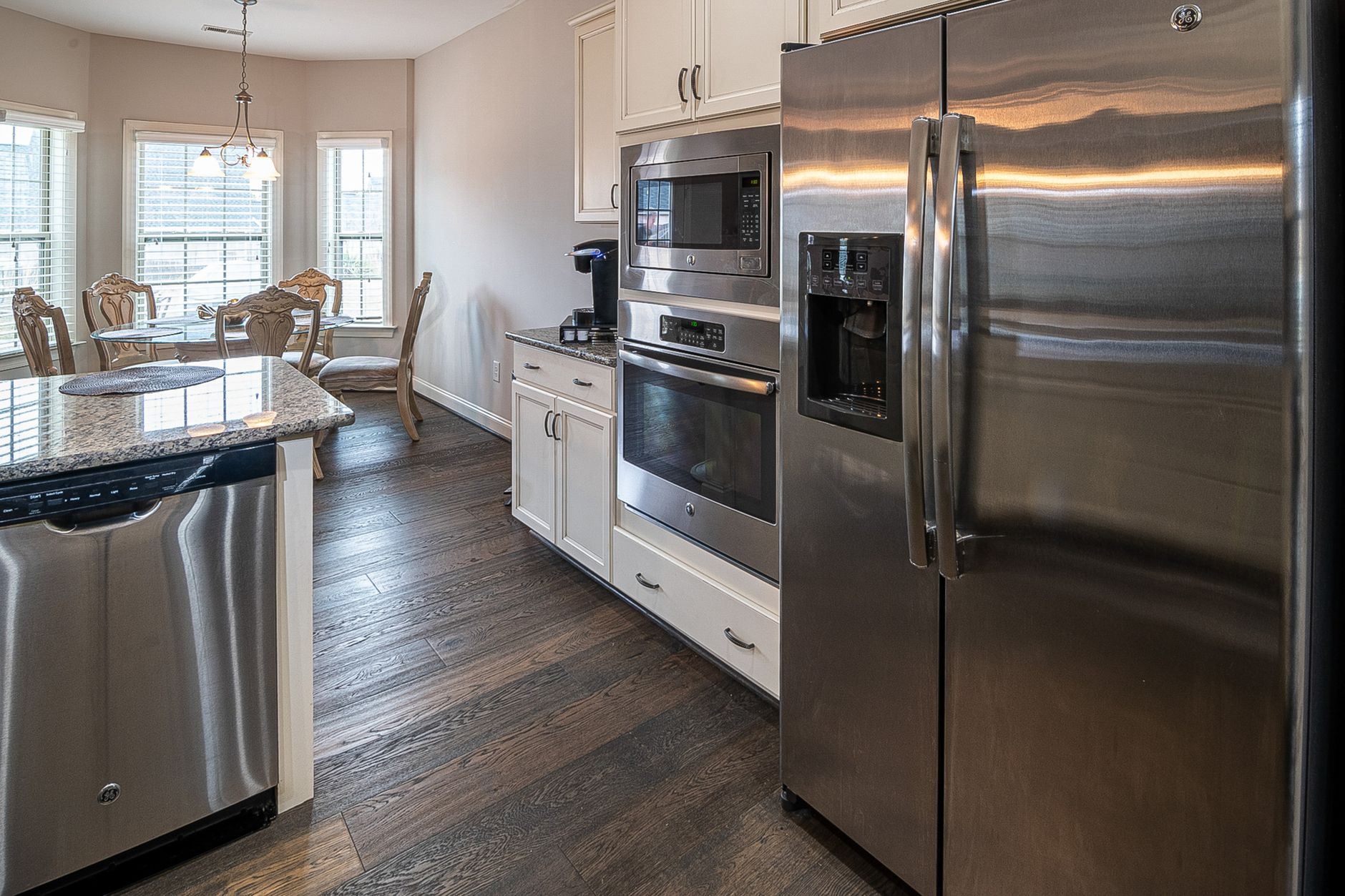
When retailers tout a kitchen appliance bundle, the headline price can look enticing, yet the true value lies in the details. Buyers need to know whether the bundled discount outweighs potential hidden costs, warranty differences, and future upgrade flexibility.
⚡ In a Rush? Key Takeaways
- Bundle discounts average 8‑12% off retail prices for full‑size kitchen sets.
- Individual purchase can be cheaper when you need only two or three appliances.
- Extended warranties are often bundled at extra cost, adding $150‑$300 per set.
- Energy‑label upgrades in bundles save $30‑$70 per year per appliance.
- ✅ Verdict: Bundles are worth it only if you need every major appliance and can lock in a high‑efficiency set.
How Do Bundle Prices Compare to Buying Appliances Separately?
Typical kitchen bundles shave 8‑12% off the combined retail price, but savings vary by brand, timing, and included warranties.
Retailers calculate bundle discounts by stacking the list price of each item and subtracting a promotional percentage. In 2026, the average advertised bundle discount sits at 10% for a four‑piece set (refrigerator, range, dishwasher, and microwave). However, the real cost comparison must factor in manufacturer rebates, seasonal sales, and the baseline price you would actually pay if you bought each piece on its own.
To illustrate, consider a mid‑range set:
| Appliance | Individual MSRP (USD) | Bundle Price (USD) | Effective Discount |
|---|---|---|---|
| Refrigerator (24″ French‑door) | $1,200 | $1,080 | 10% |
| Gas Range (30″) | $1,500 | $1,350 | 10% |
| Dishwasher (Built‑in) | $800 | $720 | 10% |
| Microwave (countertop) | $250 | $225 | 10% |
| Total | $3,750 | $3,375 | 10% saved |
The bundled total of $3,375 saves $375 versus buying each at full MSRP. Yet, if you shop during a Black Friday sale, each appliance might be 15% off, erasing the bundle advantage.
For a more granular view, see our Appliance Cost Calculator that lets you plug in discount percentages and compare real‑world offers.
What About Trade‑In Credits Within Bundles?
Some retailers offer $100‑$200 trade‑in credit per old appliance, effectively lowering the bundle cost by up to $800.
Trade‑in programs are often tucked into the fine print of a bundle agreement. The credit is usually issued as a store voucher rather than a cash rebate, which means you must spend it at the same retailer within a set window (often six months). If you plan a full kitchen refresh, the credit can substantially improve the net price.
- Typical trade‑in value: $100‑$200 per unit.
- Requires proof of ownership and condition (often a photo).
- Voucher expires 180 days after issuance.
Do Bundles Include Compatibility Checks?
Retailer‑sponsored bundles often verify that appliances match kitchen dimensions and venting requirements, saving a potential $150‑$300 on professional re‑measurements.
When you buy a full set, the retailer’s sales team usually confirms that the refrigerator’s width fits your existing opening, that the range’s gas line is compatible, and that the dishwasher’s water inlet matches your plumbing. This pre‑installation vetting reduces the risk of costly modifications later.
However, if you purchase appliances separately, you’ll need to double‑check each spec yourself or rely on a third‑party installer, which can add hidden labor costs.
What Hidden Fees Can Erode Bundle Savings?
Delivery, installation, and extended warranties often add $150‑$400 to a bundle, reducing the net discount.
Many retailers bundle delivery and installation into the advertised price, but the fine print can reveal a tiered fee structure based on distance or appliance size. A four‑piece bundle might carry a $250 delivery charge, while buying two items individually could qualify for free delivery under a $1,000 spend threshold.
- Standard delivery: $100‑$200 per trip.
- Installation surcharge for gas ranges: $150‑$250.
- Extended warranty add‑on: $120‑$300 for a five‑year plan.
- Optional debris‑removal fee: $50‑$100.
When you subtract these ancillary costs, the effective discount often shrinks to 3‑5%.
How Do Energy‑Efficiency Ratings Influence the True Cost?
A‑rated appliances in bundles can cut annual electricity use by 15‑25% compared with older B‑rated models.
Energy‑label upgrades are a major, yet under‑reported, component of bundle value. In 2026, the EU‑style ENERGY STAR label aligns with an average 18% reduction in kWh consumption for refrigerators and dishwashers. Over a ten‑year lifespan, that translates to roughly $300‑$500 in saved utility bills per appliance.
Our Kitchen Appliance Energy Use guide provides a calculator to estimate savings based on your local electricity rate.
When Does Buying Individually Outperform a Bundle?
If you need only two appliances, individual purchase can be up to 20% cheaper after sales and delivery considerations.
Most homeowners replace appliances incrementally. If you’re only swapping a dishwasher and microwave, a targeted promotion on each item (often 15% off) beats a blanket 10% bundled discount. Additionally, you retain flexibility to select higher‑efficiency models for the appliances you buy now while waiting for future price drops on the rest.
- Dishwasher only sale: 15% off $800 = $680.
- Microwave clearance: 20% off $250 = $200.
- Total individual cost = $880 vs. $900 bundle price (including delivery).
What Timing Strategies Maximise Savings on Kitchen Appliance Bundles?
Shopping during holiday sales or when retailers clear inventory can boost bundle discounts to 15‑20%.
Retail cycles dictate when bundles provide the best value. Manufacturer “model‑year” clear‑outs, typically in late summer, see retailers offering deeper cuts to move stock before new releases. Similarly, major shopping holidays—Memorial Day, Black Friday, and post‑Christmas—are prime times for bundled promotions.
How Do Seasonal Clearance Events Affect Bundle Pricing?
Late‑summer clearance can push bundle discounts to 15‑20%, especially on older model years.
During the August‑September window, dealers often bundle outgoing‑model appliances with a 15% discount and free delivery. While the appliances may lack the latest tech, their energy ratings usually remain A‑plus, preserving efficiency savings.
Comparing a 2025 model bundle (15% off) to a 2026 individual purchase (10% off) often still favors the bundle, provided the older model meets your functional needs.
Can Dealer Rebates Add Real Value to Bundles?
Rebates of $100‑$250 per appliance can raise effective bundle savings to over 20% when stacked with promotions.
Manufacturers sometimes issue mail‑in or instant rebates for energy‑efficient appliances. When a retailer applies a $150 rebate to each of the four appliances in a bundle, the net price drops an additional $600, turning a 10% discount into a 25% overall reduction.
Check the 2026 Manufacturer Rebates page for current offers.
Is It Wise to Wait for New Model Releases?
Waiting 6‑12 months for newer, more efficient models can save $200‑$400 per appliance over a bundle purchase.
New model launches often incorporate incremental efficiency improvements and smarter controls that lower running costs. While the upfront price may be higher, the long‑term total‑cost‑of‑ownership (TCO) frequently favours waiting, especially for big‑ticket items like refrigerators.
- 2025‑model fridge: $1,200, 150 kWh/yr.
- 2026‑model fridge: $1,300, 120 kWh/yr → $30/yr saving.
- 10‑year TCO difference ≈ $300, offsetting $100 price premium.
Do Bundles Offer Better Long‑Term Value Through Warranties and Service?
Bundled extended warranties add $150‑$300, but coordinated service can reduce repair downtime by 20%.
Manufacturers and retailers often pitch bundled warranties as a value add, promising one‑call service for all appliances. While convenience is real, the cost per year of the warranty can be high.
How Much Do Extended Warranties Cost in a Bundle?
A five‑year bundled warranty typically costs $120‑$300, averaging $25‑$30 per appliance per year.
For a four‑appliance bundle, the extra $250 you might pay translates to $62.50 per appliance. If the average repair cost for a major appliance is $400, the warranty only breaks even after three major failures, which is uncommon within a four‑year window.
Is Coordinated Service Worth the Premium?
Coordinated service can cut average repair wait time from 7 days to 5 days, a 28% improvement.
When a retailer guarantees a single technician for all bundled appliances, scheduling conflicts are reduced, and you often receive priority dispatch. For busy households, this can be a tangible benefit, especially if you rely on appliances daily.
What About Future Upgrades or Trade‑In Options?
Some bundles include trade‑in credits of $100‑$200 per appliance toward future purchases.
Retailers may offer a trade‑in allowance for older units when you upgrade the entire set three years later. This effectively reduces the net cost of the original bundle by $400‑$800, but only if you plan a full kitchen refresh within the trade‑in window.
Frequently Asked Questions
Are kitchen appliance bundles always cheaper than buying separately?
Not always; bundles save 8‑12% on average, but hidden fees and limited needs can erase the advantage.
Do energy‑efficient appliances in bundles offset higher upfront costs?
Yes; A‑rated models can reduce yearly electricity bills by $30‑$70, improving long‑term value.
Can I negotiate the bundle price?
Negotiation is possible, especially with floor‑model stock; ask for additional discounts or free delivery.
What should I watch for in the warranty terms?
Check coverage limits, deductible fees, and whether service calls are truly “one‑call” for all appliances.
Is it better to wait for holiday sales?
Holiday sales often boost bundle discounts to 15‑20%; timing purchases around these events usually yields the best savings.
What Is the Bottom Line on Kitchen Appliance Bundles?
Bundles make sense when you need every major appliance, prioritize energy efficiency, and can leverage rebates and coordinated service.
For homeowners aiming to revamp an entire kitchen, a well‑timed bundle can deliver a net 10‑20% reduction in total cost, especially when paired with manufacturer rebates and high‑efficiency models. If you only require one or two items, or if you value the freedom to cherry‑pick the latest technology, purchasing individually—particularly during targeted sales—will usually be cheaper.
Ultimately, calculate the total cost of ownership, including delivery, installation, warranties, and projected energy savings. Use our Appliance Cost Calculator to model your specific scenario and make an informed decision.