When you’re refitting a kitchen, the lure of a bundle can feel irresistible – a single price tag, coordinated styles, and the promise of a discount. Yet the reality of whether bundles truly save you money often hides beneath the fine print.
⚡ In a Rush? Key Takeaways
- Bundle discounts average 15‑25% off total MSRP in 2026.
- Individual appliance sales can net 10‑20% off, but require timing and research.
- Hidden costs—delivery fees, extended warranties, and mismatched finishes—can erase up to 8% of bundle savings.
- Energy‑efficiency differences matter: a 20% lower kWh rating can save $40‑$70 per year per appliance.
- ✅ Verdict: Bundles are worthwhile when you need multiple appliances, the discount exceeds 12%, and you verify matching specs.
How Do Kitchen Appliance Bundles Typically Structure Their Pricing?
Retailers combine the MSRP of each unit, then apply a bundle discount ranging from 10% to 25% before taxes and delivery.
In 2026 most big‑box retailers package a refrigerator, range, dishwasher, and sometimes a microwave. The advertised price is usually a single figure that excludes delivery, installation, and optional accessories.
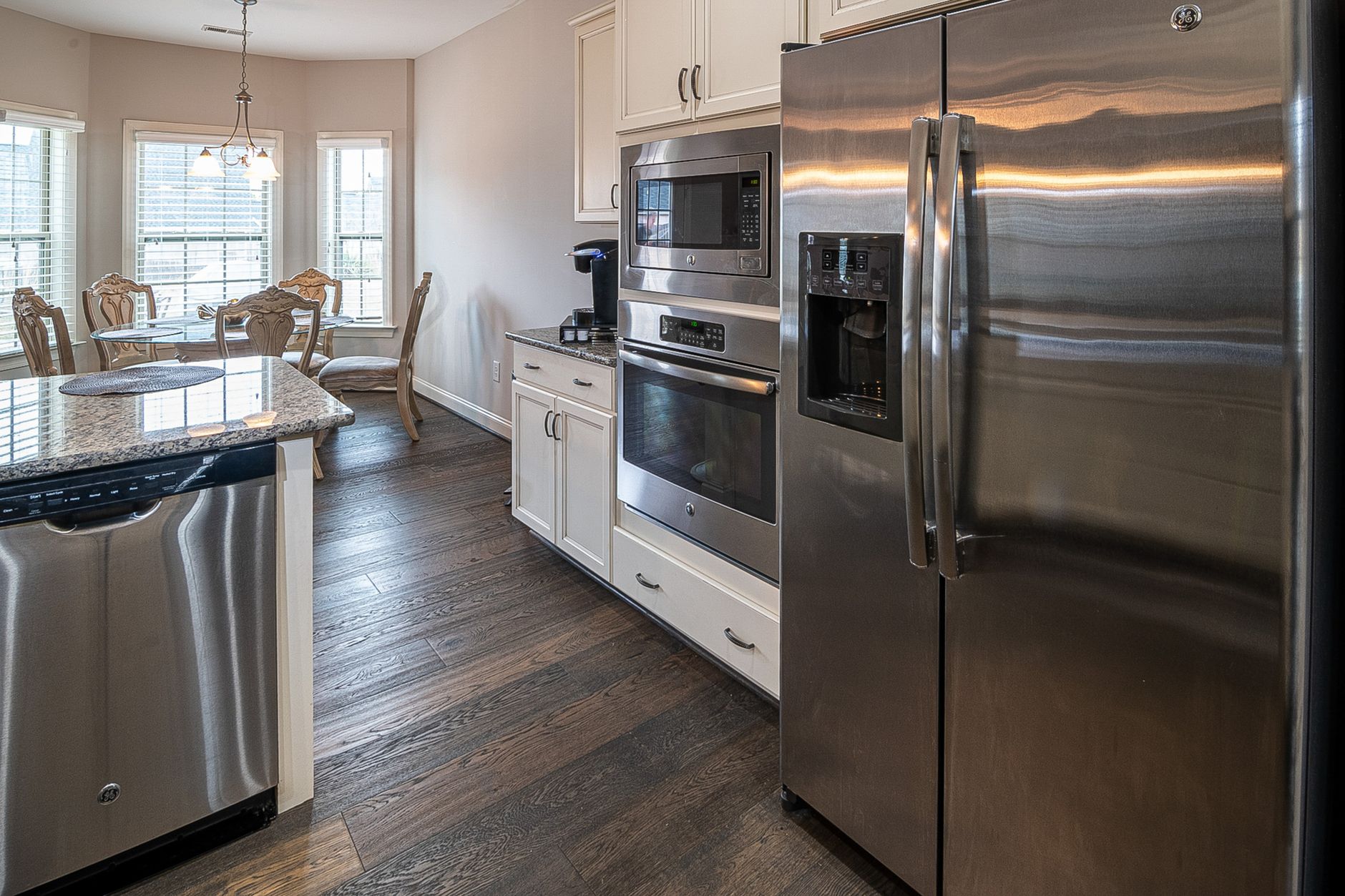
Bundles also often include a “matching finish” incentive—stainless steel across all items—which can be a design win but may limit future upgrades. This visual cohesion is attractive for resale, yet it can lock you into a particular aesthetic that may feel dated after a few years.
What Is the Typical Discount Range for Popular Retailer Bundles?
Most 2026 bundles discount 15%–25% off combined MSRP, though seasonal promotions can push savings to 30%.
| Retailer | Common Bundle | Typical Discount |
|---|---|---|
| Home Depot | Fridge + Range + Dishwasher | 15%–20% |
| Lowes | Fridge + Range + Microwave | 18%–22% |
| Sears (online) | Full 4‑piece set | 20%–25% |
These percentages are pre‑tax and pre‑delivery; the net out‑of‑pocket cost often feels higher once those extras are added.
Do Bundles Offer Any Financing Incentives?
Retailers frequently pair bundle discounts with 0% APR financing for 12‑24 months, but hidden interest can appear if you miss a payment.
Zero‑interest promotions are tempting because they spread the cash outlay without an explicit cost. However, the fine print usually defines a “deferred interest” clause: if the balance isn’t cleared by the end of the term, interest accrues retroactively at rates ranging from 12% to 22% APR.
For a $5,000 bundle, a missed payment could add $600–$1,100 in interest, effectively erasing the original discount. Treat financing as a convenience, not a cost‑saving strategy, unless you are absolutely confident you can meet the payment schedule.
Which Hidden Fees Can Erode Bundle Savings?
Delivery, installation, and extended warranties can add $150‑$500, reducing effective discount by up to 8%.
- Delivery: $79‑$149 per load, sometimes waived with a minimum spend.
- Installation: $199‑$399 for full kitchen hookup, higher for gas ranges.
- Extended Warranty: 2‑year plans average $120‑$250 per appliance.
- Removal of old appliances: $30‑$100 per unit if not included.
- Tax & Environmental Fees: 5%–9% of the subtotal in many states.
When you factor these, a 20% bundle discount may shrink to an effective 12%‑14% saving.
How Does Buying Appliances Individually Compare on Cost and Flexibility?
Individual purchases let you chase sales, but you may miss coordinated design and face cumulative delivery charges.
Smart shoppers track price histories on tools like CamelCamelCamel and set alerts for 10%‑20% off sales events such as Black Friday, Prime Day, or seasonal clear‑outs. By aligning purchases with manufacturer rebates, you can sometimes achieve a deeper discount than a retailer’s bundle.
Another advantage of buying solo is the ability to mix brands that excel in specific categories—e.g., a Bosch dishwasher famed for quiet operation paired with a Samsung refrigerator that offers superior smart‑temperature control.
What Are the Average Savings on Individual Appliance Sales?
Seasonal sales typically cut 10%‑20% off MSRP; flash sales can reach 30% but are short‑lived.
- Refrigerators: 12%‑18% off during summer clearance.
- Ranges: 15%‑22% off during holiday promotions.
- Dishwashers: 10%‑20% off during spring sales.
- Microwaves: 15%‑25% off during tech‑focused events.
- Air fryers & small appliances: up to 40% off during “Kitchen Week” specials.
Achieving multiple items at peak discount timing requires patience—often several months of monitoring. Some shoppers set up spreadsheet trackers to compare projected savings against the risk of price fluctuations.
What Flexibility Do Individual Purchases Offer?
You can select different finishes, capacities, or energy‑rating tiers for each appliance, tailoring the kitchen to precise needs.
Individual buying also lets you stagger delivery, reducing the upfront cash outlay and spreading installation costs over time. This can be especially helpful if you need to align purchases with cash‑flow events such as tax refunds or bonus payments.
However, staggered deliveries may increase total freight fees, as each shipment incurs a base charge. In addition, coordinating multiple installers can add logistical complexity, potentially extending the overall project timeline.
How Do Energy‑Efficiency Ratings Impact the True Cost of Bundles vs. Singles?
An A‑rated dishwasher uses about 30% less energy than a B‑rated model, saving $40‑$70 annually.
Energy‑efficiency is where the long‑term cost narrative diverges. Bundles sometimes pair older‑style appliances with newer ones to hit a price point, while individual buying lets you prioritize high‑efficiency units across the board.
Moreover, many newer appliances qualify for utility rebates that can further offset purchase price. These rebates are typically unavailable on bundled deals unless the retailer specifically advertises them.
What Is the Annual Running Cost Difference Between A‑ and B‑Rated Appliances?
At the 2026 US average electricity rate of $0.16/kWh, a 30% efficiency gap saves roughly $45 per year per appliance.
| Appliance | Typical kWh/year (A‑rated) | Typical kWh/year (B‑rated) | Annual Cost Difference (US $) |
|---|---|---|---|
| Dishwasher | 180 | 260 | $13 |
| Refrigerator | 350 | 500 | $24 |
| Electric Range | 900 | 1,200 | $48 |
Multiply these savings across a typical 10‑year ownership horizon, and you’re looking at $400‑$800 extra cost for lower‑efficiency models.
Can Bundle Discounts Offset Lower Energy Efficiency?
A 20% bundle discount may neutralize a $600‑$800 ten‑year efficiency penalty if the discount exceeds 12% of total MSRP.
Running the math: assume a four‑piece set totals $5,000 MSRP. A 20% discount saves $1,000. If one appliance is B‑rated, the ten‑year energy penalty might be $600, leaving a net $400 saving.
Thus, bundles remain advantageous when at most one lower‑rated unit is included, or when the discount comfortably exceeds the efficiency gap.
How Do Utility Rebates Influence the Equation?
Many states offer $100‑$300 rebates for A‑rated dishwashers or ENERGY STAR refrigerators, effectively increasing the discount.
To claim a rebate, you typically need the appliance’s serial number and proof of purchase. Retailers sometimes handle the paperwork for an extra service fee; doing it yourself can save that fee and boost the net advantage of buying a high‑efficiency unit individually.
When rebates are combined with a modest bundle discount, the combined savings can approach 35% of total cost, making the bundle a compelling option even with a single lower‑rated appliance.
What Practical Tips Can Help You Decide Whether to Take a Bundle?
Evaluate total MSRP, discount percentage, hidden fees, and energy ratings before committing to a bundle.
Below is a step‑by‑step checklist that condenses the analysis into an actionable workflow.
How Do I Calculate the Real Net Savings of a Bundle?
Subtract delivery, installation, and warranty costs from the advertised discount, then compare to individual sale prices.
- List MSRP for each appliance (use manufacturer sites).
- Apply the bundle discount to get a preliminary bundle price.
- Add delivery, installation, and any optional warranty fees.
- Compute the “effective discount” = (Total MSRP – Final Bundle Cost) ÷ Total MSRP.
- Repeat steps 1‑4 for each appliance bought individually during sales.
If the effective bundle discount exceeds the best individual combined price by at least 5%, the bundle is financially justified.
When Should I Walk Away From a Bundle Offer?
Walk away if the effective discount is under 12% or if any appliance falls below an A‑energy rating.
- Hidden fees push the effective discount below 12%.
- One or more units are older models with B or lower ratings.
- Finish mismatch limits future upgrades (e.g., stainless steel vs. black stainless).
- Retailer’s return policy is less than 30 days, restricting change of mind.
- The bundle includes a “required accessories” package you don’t need.
In those circumstances, hunting individual sales will likely net a better financial outcome.
Which Tools Can Streamline My Comparison Process?
Use the Home Cost Tracker tool on gretamichaud.com to input prices, fees, and energy ratings for a side‑by‑side view.
Our Kitchen Appliance Cost Calculator lets you plug in MSRP, discount, delivery, and kWh ratings to instantly see total five‑year cost.
Another useful resource is the Energy Label Guide, which explains how to read the new 2021 EU‑style labels now common in US imports.
Frequently Asked Questions
Do bundle warranties differ from individual warranties?
Bundle warranties are often the same length as individual ones, but they may require a single claim for multiple appliances.
Most retailers bundle an optional extended warranty at a flat rate per unit. Check whether the warranty covers parts, labor, and delivery for each appliance separately.
Can I negotiate a better bundle price?
Yes—most floor‑floor managers will shave a few percent off if you’re buying four or more units.
Bring printed quotes of individual sales, mention upcoming sales events, and be ready to walk away if the discount stalls below 12%.
Is it better to buy a bundle if I need only two appliances?
Only if the bundle discount on those two items exceeds 15% after fees; otherwise, individual sales usually win.
Two‑item bundles often have smaller percentage discounts because the retailer aims to move a full suite.
Do bundles affect resale value of a kitchen?
A coordinated, high‑efficiency suite can increase appraised value by 1%‑2% in a mid‑range home.
Buyers appreciate matching finishes and modern energy ratings, which can be highlighted in listings.
What about financing options for bundles?
Financing spreads cost but adds interest; ensure APR is below 6% to keep total expense reasonable.
Many retailers offer 0% for 12‑month plans on bundles over $2,500, but read the fine print for deferred interest traps.
Bottom Line: Should You Choose a Kitchen Appliance Bundle?
If you need three or more appliances, the bundle discount is >12%, fees are low, and energy ratings are A or better, bundles save money.
Conversely, if you only need one or two units, have flexibility on finishes, or can wait for individual sales, buying separately usually yields a higher net saving.
Use the Kitchen Appliance Cost Calculator to plug your exact numbers and make a data‑driven decision.