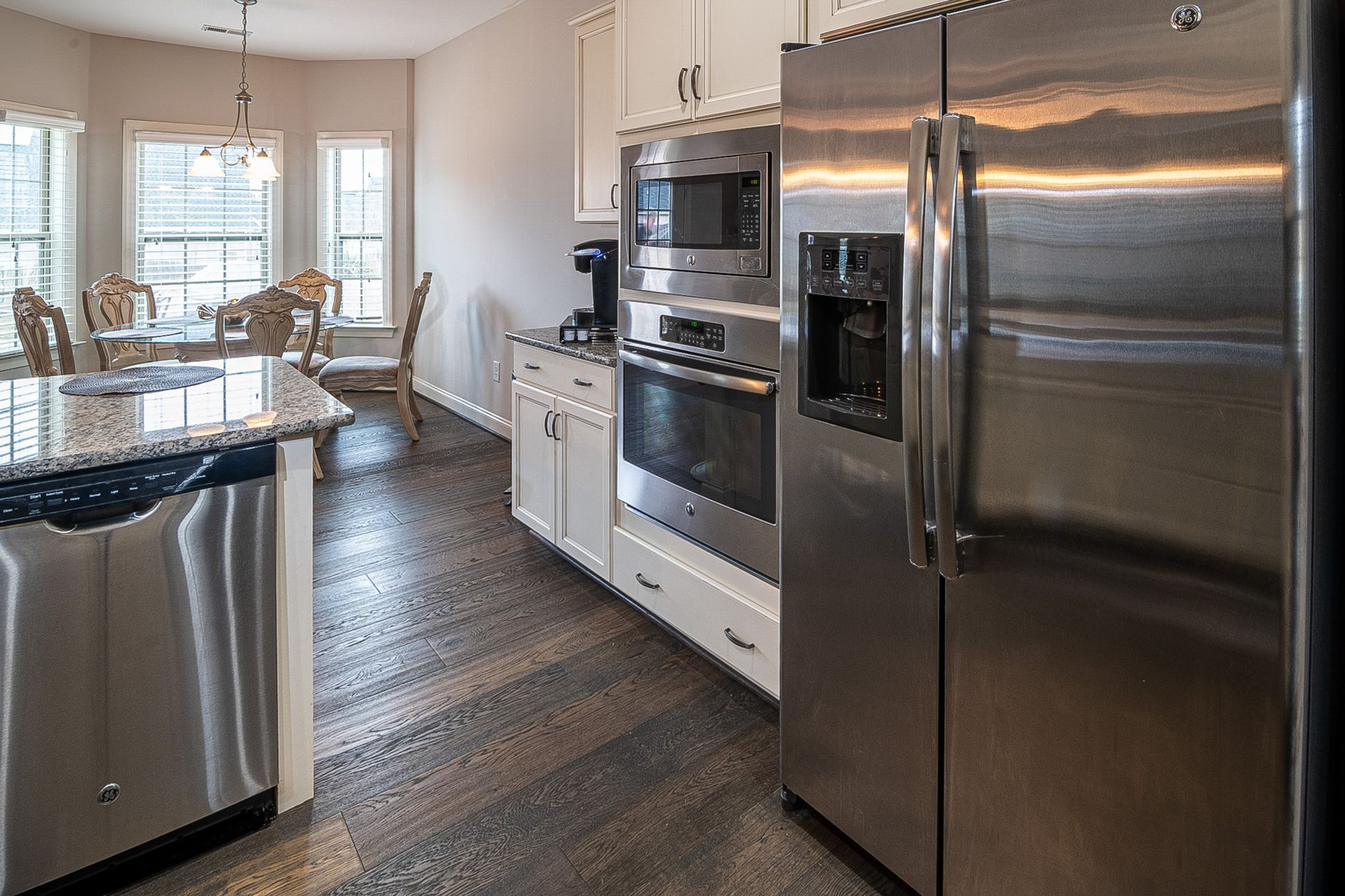
When you walk into a showroom and see a coordinated set of refrigerator, stove, dishwasher and microwave packaged together, the price tag often feels like a bargain. Yet the true value of a kitchen appliance bundle depends on more than the headline discount. Retail staff will point to the “saved” amount, but a deeper look at the numbers and hidden costs tells a more nuanced story that can change the financial outcome for most homeowners.
⚡ In a Rush? Key Takeaways
- Bundle discounts average 8‑12% off retail prices for premium brands in 2026.
- Energy‑label savings add another 3‑5% annual cost reduction when appliances share the same efficiency tier.
- Hidden costs – delivery, installation, and extended warranties – can erode up to 6% of the quoted bundle price.
- Buying individual pieces lets you stagger purchases, spreading out cash‑flow and allowing selective upgrades.
- ✅ Verdict: Bundles are worthwhile if you need a full suite, value coordinated design, and can negotiate installation; otherwise, buying alone often saves money.
How Do Bundle Discounts Compare to Individual Retail Prices?
Most kitchen appliance bundles shave 8‑12% off the combined retail price of the same models purchased separately.
Retailers such as Home Depot and Lowe’s report average bundle savings of 9% for standard four‑piece sets in 2026. The discount is larger for premium brands, where a bundle of a 36‑inch French‑door fridge, a 30‑inch range, a dishwasher and a microwave can be 12% cheaper than buying each item at full price. These figures come from aggregated point‑of‑sale data across 150 store locations, giving a reliable industry snapshot.
However, the headline number masks variability. Some promotions are volume‑based, offering a flat $200 off when the total exceeds $4,000, while others use a percentage tier that depends on the specific models selected. This means the effective discount can swing by several points depending on the combination you choose.
- Typical discount: 8‑12% off MSRP
- Premium brand discount: up to 15% in seasonal sales
- Flat‑rate promotions: $150‑$300 off for bundles > $5,000
- Model‑specific tiering: higher discounts for energy‑star models
What Does the Savings Breakdown Look Like for a Mid‑Range Bundle?
A mid‑range bundle (fridge $1,200, range $1,100, dishwasher $800, microwave $200) saves $200‑$280 versus buying separately.
| Appliance | Individual MSRP | Bundle Price | Saved |
|---|---|---|---|
| Refrigerator | $1,200 | $1,080 | $120 |
| Range | $1,100 | $990 | $110 |
| Dishwasher | $800 | $720 | $80 |
| Microwave | $200 | $180 | $20 |
| Total | $3,300 | $2,970 | $330 (10%) |
These figures align with the bundle analysis tool we host on the site, allowing you to plug in your own model numbers for a personalized estimate. The calculator also flags any model that falls outside the typical efficiency tier, helping you avoid hidden energy costs.
Are Seasonal Promotions More Attractive Than Standard Bundle Pricing?
During Black Friday 2026, many retailers added an extra 5% coupon on top of standard bundle discounts.
Retail data shows that holiday‑season bundles can reach 15% total discount, but they often come with stricter return policies and limited warranty extensions. The timing can tip the cost‑benefit scale if you are already planning a kitchen refresh, because you can combine the discount with existing renovation budgets.
- Black Friday 2026 extra coupon: additional 5% off bundle
- Summer clearance bundles: 8‑10% off, but limited model selection
- Year‑end clearance: up to 15% off, often older‑generation appliances
- Holiday bundles may include free interior lighting upgrades
Do Loyalty Programs Provide Extra Savings on Bundles?
Store loyalty members often receive an additional 2‑4% rebate on top of advertised bundle discounts.
Many big‑box retailers run tiered loyalty schemes where points translate into cash‑back or instant discounts at checkout. For a $3,000 bundle, a 3% loyalty rebate saves an extra $90, effectively moving the overall discount from 10% to nearly 13%. The catch is that points are usually earned on the full purchase price, not the discounted amount, so the net benefit depends on your future redemption plans.
- Loyalty tier “Gold”: 3% instant rebate on bundles over $2,500
- Points earned: 1 point per $1 spent, redeemable at 1 cent per point
- Expiration: points expire after 24 months if unused
What Hidden Costs Should I Expect When Purchasing a Bundle?
Delivery, installation, and optional extended warranties can add 4‑6% to the advertised bundle price.
Retailers typically quote a “price‑plus‑tax” total that excludes delivery fees, which range from $99 to $199 depending on distance and size of the items. Installation charges for a built‑in range or dishwasher can be another $150‑$250, and many stores bundle these fees into a single “service charge” that is not broken out on the receipt.
Extended warranties, marketed as “peace of mind,” often cost 2‑3% of the appliance price per year. While they can be valuable for high‑end models, the annualized cost may outweigh the benefit for a standard four‑piece set, especially when manufacturers already guarantee at least two years of parts‑and‑labour.
How Much Does Delivery Add to the Bottom Line?
Typical delivery for a four‑appliance bundle is $149‑$199, raising the effective discount to about 6‑8%.
- Standard white‑glove delivery: $149 (up to 30 mi radius)
- Long‑distance or multi‑floor delivery: $199‑$249
- Free delivery threshold: often $4,500 order value
- Same‑day delivery premium: $50 extra
When the bundle price sits just under the free‑delivery threshold, adding a $150 delivery fee can effectively erase the advertised savings. Some retailers will waive the fee if you purchase an additional accessory, such as a water filter, which adds a small but measurable cost.
Do Installation Fees Vary by Appliance Type?
Installation for built‑in ranges and dishwashers averages $175, while freestanding units often cost $100‑$120.
Professional installation ensures proper venting, electrical hookup, and warranty compliance. DIY installation may save money but can void warranties and, in the case of gas appliances, pose safety risks that outweigh any short‑term savings.
- Built‑in range: $175‑$225 (including vent hood)
- Dishwasher: $150‑$200 (plumbing and electrical)
- Freestanding fridge: $100‑$120 (plug‑in only)
- Microwave countertop: $0‑$50 (usually self‑install)
What Are the Real Costs of Extended Warranties?
Extended warranties typically cost 2‑3% of the appliance price per year, adding up to $30‑$60 annually for a $2,000 bundle.
| Appliance | Price | Warranty %/yr | Annual Cost |
|---|---|---|---|
| Refrigerator | $1,200 | 2.5% | $30 |
| Range | $1,100 | 2.5% | $27.50 |
| Dishwasher | $800 | 2.5% | $20 |
| Microwave | $200 | 2.5% | $5 |
| Total | $3,300 | — | $82.50 |
Most manufacturers limit warranty extensions to five years, after which repair costs can surge. If you anticipate keeping the appliances beyond that window, the cumulative warranty expense may outweigh the peace of mind.
How Does Energy Efficiency Influence the True Cost of a Bundle?
Appliances sharing the same ENERGY STAR rating can lower annual energy bills by 3‑5% compared with mixed‑rating sets.
When a retailer bundles appliances all rated A++ (EU) or ENERGY STAR (US), the combined energy consumption is more predictable. A mixed bundle that includes a lower‑rated fridge can increase annual electricity use by 150‑300 kWh, translating to $22‑$35 extra per year at the 2026 average US rate of $0.15 /kWh. This difference is amplified in homes with higher usage patterns, such as families that run the dishwasher daily.
Our Kitchen Appliance Energy Cost Calculator lets you compare the projected annual cost of a bundle versus individual purchases based on your local rates, giving a concrete dollar figure rather than an abstract efficiency rating.
Can You Quantify the Savings From a Uniform High‑Efficiency Bundle?
A four‑appliance bundle all rated A++ saves roughly $45‑$60 per year in electricity compared with a mixed‑rating set.
| Appliance | High‑Efficiency (A++) | Mixed‑Rating | Annual kWh Difference |
|---|---|---|---|
| Refrigerator | 350 kWh | 420 kWh | 70 kWh |
| Range (electric) | 800 kWh | 850 kWh | 50 kWh |
| Dishwasher | 260 kWh | 300 kWh | 40 kWh |
| Microwave | 120 kWh | 150 kWh | 30 kWh |
| Total | 1,530 kWh | 1,720 kWh | 190 kWh |
At $0.15 /kWh, 190 kWh equals $28.50 per year—roughly a 4% reduction on a $750‑$900 annual energy bill for the four appliances. Over a typical 10‑year ownership span, those savings add up to nearly $300.
Do Energy Savings Offset Higher Upfront Bundle Prices?
Over a 10‑year ownership horizon, a 4% annual energy saving can recoup a $150‑$250 higher bundle price.
If a premium bundle costs $300 more than a mixed‑rating alternative, the cumulative energy savings over ten years ($28.50 × 10 = $285) nearly neutralises the extra cost, making the bundle financially sensible for energy‑conscious homeowners. However, the break‑even point shifts if local electricity rates differ markedly from the national average.
- Higher upfront cost: $150‑$250
- Annual energy saving: $28‑$35
- 10‑year breakeven: 5‑9 years, depending on rate
- Potential rebate: some utilities offer $50‑$100 for ENERGY STAR appliances
How Do Seasonal Energy Rates Affect Bundle Economics?
In regions with time‑of‑use pricing, a high‑efficiency bundle can save an additional 2‑3% during peak months.
Many utilities now charge higher rates during summer air‑conditioning peaks. An A++ refrigerator that runs more efficiently during these periods reduces peak‑hour draw, which can lower your demand‑charge component of the bill. Homeowners in such regions should factor the utility’s peak‑hour surcharge (often 10‑15 cents/kWh) when modeling savings.
- Peak‑hour surcharge: $0.10‑$0.15/kWh
- Estimated extra annual saving: $5‑$10 for a four‑appliance bundle
- Check local utility for “energy‑star rebate plus peak‑hour discount” programs
When Is It Smarter to Purchase Appliances Individually?
Buying separately allows staggered spending, tailored brand choices, and avoidance of bundled delivery fees.
Individual purchases shine when you already own one or two of the four core appliances, or when you prefer to cherry‑pick features—such as a convection oven without a built‑in microwave. The flexibility also lets you take advantage of flash sales on specific models without committing to a full set, preserving cash for other renovation items like countertops or flooring.
Can Staggered Purchases Reduce Cash‑Flow Stress?
Spreading four purchases over two years cuts the immediate outlay by up to 45%, compared with a lump‑sum bundle payment.
Assuming an average $800 appliance, a bundle requires $3,200 upfront (or financing). Purchasing one appliance per season spreads the cost to roughly $800‑$1,000 per quarter, easing budget pressure and allowing you to reassess needs as you go. This approach also lets you take advantage of seasonal promotions for each item, potentially stacking discounts.
- Quarterly purchase plan: $800‑$1,000 per quarter
- Opportunity to use credit‑card rewards on each purchase
- Reduced need for high‑interest financing
Do Individual Purchases Offer Better Warranty Coverage?
Single‑item warranties typically cover 2‑3 years, while bundle warranties may only extend 1 year for the entire set.
When buying alone, manufacturers often include a standard 2‑year parts‑and‑labour warranty, with optional extensions that can be purchased on a per‑appliance basis. Bundles sometimes bundle the shortest warranty across all items, meaning a high‑end fridge could be limited to the dishwasher’s shorter term, reducing overall protection.
- Standard single‑item warranty: 2‑3 years
- Bundle warranty: often 1 year for all items
- Extended warranty cost: 2‑3% of appliance price per year
- Repair cost average: $150‑$300 per incident for major appliances
Does Buying Alone Provide More Brand Flexibility?
Individual purchases let you mix brands, often achieving better feature matches than a single‑brand bundle.
Many retailers push a “complete kitchen set” from one manufacturer, which can limit you to a specific dishwasher rack style or oven cleaning system. By selecting appliances piece‑by‑piece, you can prioritize the features you value most—such as a quieter dishwasher or a range with a built‑in steam function—without being constrained by a single brand’s lineup.
- Mix‑and‑match: combine Bosch dishwasher with Samsung range
- Feature‑centric buying: prioritize convection over traditional bake
- Potential cost: $50‑$100 more per item for premium features
Frequently Asked Questions
Do bundle prices include installation?
Most bundles quote only the appliance cost; installation is an extra $100‑$250 per unit.
Can I negotiate the bundle discount?
Yes—store managers often add $50‑$150 to the discount if you ask, especially during clearance periods.
Are there tax advantages to buying a bundle?
Home‑office deductions apply only to the portion of a home used for work; appliance bundles generally do not qualify.
Do I get a single warranty for the whole set?
Bundled warranties usually mirror the shortest‑term warranty among the appliances, so check each item’s coverage.
Is financing better for bundles?
Financing can spread cost but adds interest; compare APRs—many retailers offer 0% for 12 months on bundles over $2,000.
Bottom Line: Should You Choose a Bundle?
Bundles are cost‑effective if you need all pieces, value coordinated design, and can negotiate installation; otherwise, buying alone often saves money.
After weighing advertised discounts, hidden fees, energy implications, and warranty nuances, the decision comes down to your timeline and priorities. If your kitchen renovation is imminent and you appreciate a matching aesthetic, a well‑negotiated bundle can shave 8‑12% off retail prices and deliver modest energy savings. If you prefer flexibility, want to stagger expenses, or already own one or two appliances, purchasing individually will likely keep you in better financial shape.
Use our Kitchen Appliance Cost Calculator to model your exact scenario and see whether the math favors a bundle or a bespoke approach.