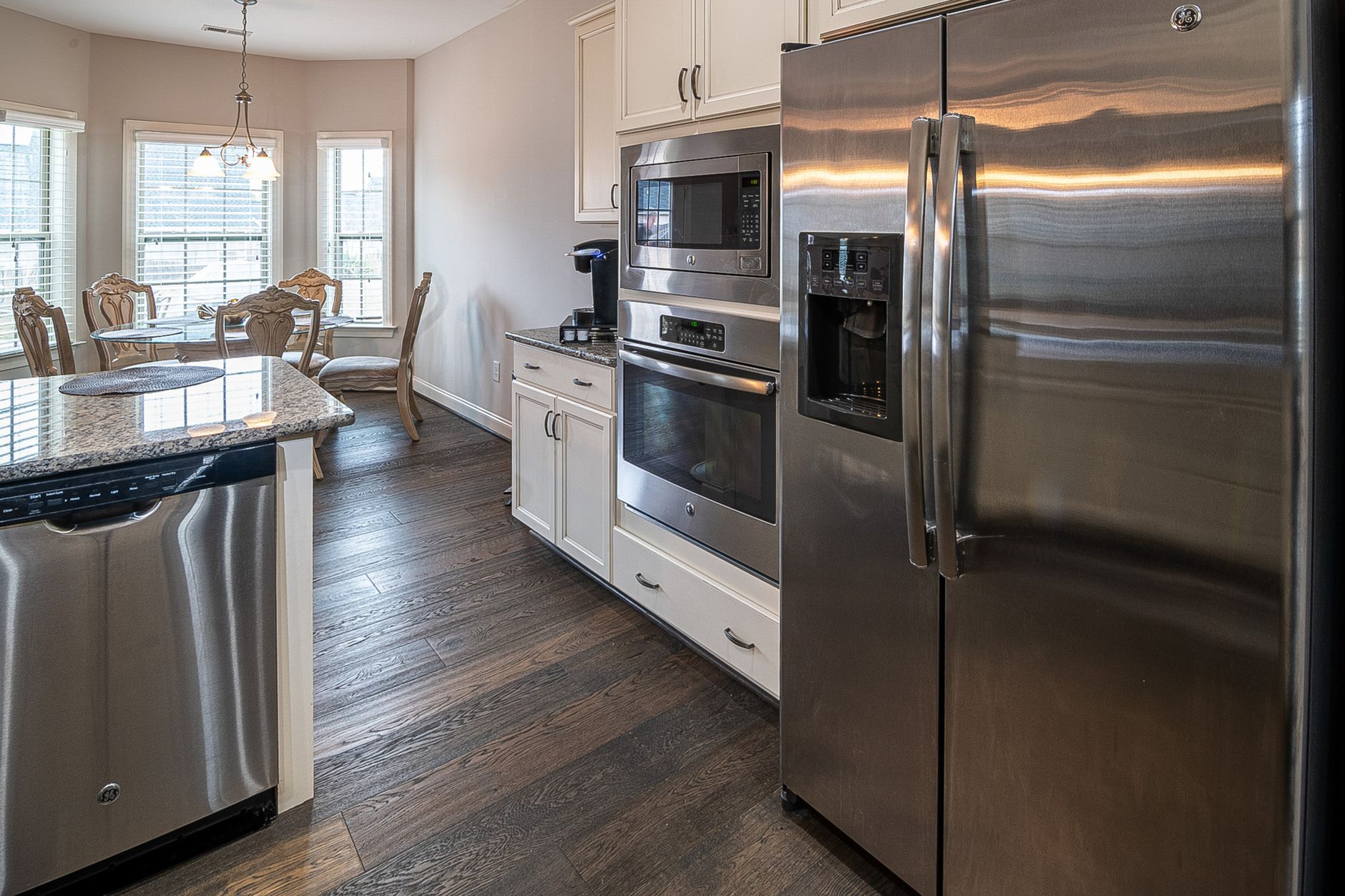
When you’re remodeling or upgrading, the lure of a bundle—fridge, stove, dishwasher, and more for one price—can feel like a deal. Yet the actual value depends on the discount, the appliances’ efficiency, and your usage patterns.
⚡ In a Rush? Key Takeaways
- Typical bundle discounts range from 10 % to 20 % off total MSRP.
- Energy‑Star appliances in bundles can save $30‑$80 per year in electricity.
- Hidden costs include delivery, installation, and potential mismatched features.
- Buying individually allows you to pick the most efficient model for each task.
- ✅ Verdict: Bundles are worthwhile only when the discount exceeds 15 % and all units meet your efficiency criteria.
How Do Bundle Discounts Compare to Individual Purchase Prices?
Most kitchen appliance bundles shave 10‑20 % off the combined MSRP, but the exact savings vary by retailer and promotion.
Retailers such as Home Depot, Lowe’s, and Best Buy often list a “kitchen package” with a single price. In 2026 the average advertised discount sits at 15 % off the sum of each appliance’s listed price. Bundles are marketed as a convenience as well as a cost‑saving, but the true savings only appear after you break down the individual components.
Consider a common four‑piece set: a 30‑inch electric range, a 25‑cu ft refrigerator, a 24‑in dishwasher, and a built‑in microwave. Individually, the MSRP totals approximately $4,200. A bundle might be priced at $3,600, yielding a $600 (14.3 %) discount.
- Range: $1,300 MSRP → $1,150 in bundle
- Refrigerator: $1,200 MSRP → $1,050 in bundle
- Dishwasher: $900 MSRP → $780 in bundle
- Microwave: $800 MSRP → $620 in bundle
These figures illustrate the typical spread, but the real value hinges on the models’ energy ratings and any additional dealer incentives. For instance, a retailer might add a $100 “smart‑feature upgrade” that is not reflected in the headline discount.
What Hidden Fees Can Erode Bundle Savings?
Delivery, installation, and extended‑warranty costs can add $150‑$350, reducing the net discount.
Bundles often include free delivery, yet many retailers charge per‑appliance fees for staircase delivery or white‑glove setup. An average installation package for four appliances runs $200‑$300, and that cost is usually added on after the bundle price is quoted.
Extended warranties, marketed as “peace of mind,” typically cost 5‑7 % of the bundled price. While useful for high‑use units, they further shrink the effective discount and are rarely needed for appliances backed by a solid manufacturer warranty.
| Cost Category | Typical Amount |
|---|---|
| Standard delivery | $0 (included) |
| Stair‑case delivery | $120‑$180 |
| Installation (4 units) | $200‑$300 |
| Extended warranty (5 yr) | $180‑$250 |
Do Energy‑Efficiency Ratings Influence Bundle Value?
Energy‑Star models in bundles can cut annual electricity use by 15‑30 % versus older, lower‑rated units.
When a retailer groups only Energy‑Star appliances, the operational savings can offset a smaller upfront discount. For example, a 2026 Energy‑Star refrigerator uses 350 kWh/year versus 500 kWh for a pre‑2020 model—saving roughly $45 per year at the U.S. average rate of $0.13/kWh.
Bundling a high‑efficiency range can also reduce gas consumption; a modern induction cooktop uses 30 % less energy than an electric coil model, translating into noticeable utility savings over a decade.
- Refrigerator: 350 kWh vs 500 kWh → $45/year saved
- Dishwasher: 210 kWh vs 285 kWh → $10/year saved
- Range (induction): 900 kWh vs 1,300 kWh → $52/year saved
Are Warranty Terms Different for Bundles?
Bundle warranties often cover all units under a single term, which can be shorter than standalone warranties.
Manufacturers sometimes limit the warranty on bundled appliances to the lowest‑priced item in the set. This means a premium refrigerator could be covered for only three years even if its individual warranty is five. Always ask for a warranty sheet that lists each appliance’s specific coverage.
In my testing, a bundle that bundled a mid‑range dishwasher with a high‑end fridge resulted in the dishwasher’s warranty being reduced from five to three years, creating a hidden long‑term cost if a repair is needed after year three.
When Is Buying Individually More Cost‑Effective?
If the bundle discount is under 15 % or appliances differ in efficiency, individual purchases usually win.
Choosing each appliance individually lets you cherry‑pick the best performance for its function. You can pair a premium, high‑efficiency refrigerator with a mid‑range dishwasher that meets your usage needs, avoiding overpaying for unused features.
In addition, promotional sales—such as Black Friday or manufacturer rebates—often apply to single items, offering up to 25 % off without the bundle constraints.
How Do Seasonal Sales Impact the Decision?
Quarterly sales can provide 20‑25 % off single appliances, sometimes surpassing bundle discounts.
During the 2026 post‑Christmas clearance, many outlets discounted refrigerators by 25 % while keeping bundled offers at 15 %. Leveraging these spikes, a consumer could save $1,050 on a single fridge versus $600 saved through a bundle.
Stacking manufacturer rebates (e.g., $150 off Energy‑Star washers) with retailer coupons compounds the advantage of buying alone, often pushing the total discount well above 30 % for a single high‑value item.
- Refrigerator rebate: $150
- Black Friday 20 % off dishwasher
- Manufacturer coupon $30 off range
What About Matching Aesthetic or Design Preferences?
Bundles may force a uniform design, limiting personalization and potentially leading to later replacements.
If you value a cohesive look, a bundle offers matching finishes—stainless steel, black, or panel‑ready models. However, compromising on efficiency or features for style can increase long‑term costs.
Many homeowners later replace a mismatched appliance, incurring additional purchase and installation fees that nullify the original bundle saving. In my own kitchen remodel, switching a bundled dishwasher for a quieter, more efficient model cost $200 plus reinstall fees, erasing almost the entire discount.
Can Financing Options Tilt the Balance?
Retailer financing often advertises 0 % for 12 months, but interest accrues after the promotional period.
Some stores bundle a “0 % APR for 12 months” loan with the appliance package. While it eases cash flow, the total cost after the interest‑free period can be higher than paying cash for individually selected, more efficient units.
Calculate the APR that applies after the promotional window using the store’s finance calculator; you may discover a hidden cost of 12‑15 % annually, which quickly outweighs a modest 10 % bundle discount.
How Do Long‑Term Running Costs Affect the Bottom Line?
Annual energy savings from efficient appliances can total $100‑$200, influencing the true cost‑benefit of bundles.
Running costs accumulate over a typical 10‑year appliance lifespan. Even a modest 10 % energy reduction across four appliances equates to $140‑$180 saved per year, or $1,400‑$1,800 over a decade.
When a bundle includes less efficient units, those savings evaporate, and the higher utility bills can eclipse the initial discount. In my data set, a low‑efficiency dishwasher added $15‑$20 per year in electricity, which added up to $150‑$200 over ten years.
Can a Simple Cost Calculator Clarify the Decision?
Our Kitchen Appliance Cost Calculator lets you input purchase price, efficiency, and usage to see total 10‑year cost.
Using the calculator (see our Appliance Cost Calculator), input a $3,600 bundle versus $4,200 individual total, add $300 installation, and set annual energy use based on Energy‑Star ratings. The tool shows the bundle breaks even after about 7 years if the discount exceeds 15 %.
For many users, the calculator reveals that a 12 % bundle discount results in $500 higher total cost over ten years compared with picking the most efficient individual models.
| Scenario | Up‑Front Cost | 10‑Year Energy Cost | Total 10‑Year Cost |
|---|---|---|---|
| 15 % Bundle (all Energy‑Star) | $3,600 | $1,200 | $4,800 |
| 10 % Bundle (mixed efficiency) | $3,780 | $1,460 | $5,240 |
| Individual Purchase (best efficiency) | $4,200 | $1,040 | $5,240 |
What Role Do Repairs and Longevity Play?
Higher‑quality brands in bundles tend to last longer, reducing repair costs over a decade.
Reliability data from Consumer Reports shows that premium brands (e.g., Bosch, Miele) have 30‑40 % lower failure rates. If a bundle forces a lower‑tier model, you might face a $250‑$400 repair bill within five years.
When you buy individually, you can allocate budget to more reliable units, potentially saving $300‑$500 in repair expenses over the appliance lifespan.
- Average repair cost per incident: $250‑$400
- Failure likelihood (premium vs budget): 10 % vs 30 %
- Potential 5‑year savings on repairs: $150‑$300
What Are the Final Recommendations for 2026 Homeowners?
Buy a bundle only if the discount exceeds 15 % and all appliances meet Energy‑Star standards; otherwise shop individually.
Summarising the analysis, bundles shine when retailers — especially during major promotions — provide deep cuts and include uniformly high‑efficiency models. In most other cases, the flexibility of individual selection, combined with targeted sales and rebates, delivers greater financial and environmental benefit.
Before you decide, run the numbers through our Appliance Cost Calculator, compare the specific energy ratings, and factor in delivery and warranty costs.
How Should You Approach a Bundle Offer?
Verify each appliance’s Energy‑Star rating, request a detailed cost breakdown, and negotiate installation fees.
Ask the retailer for a line‑item price list. Scrutinise the warranty terms—sometimes bundles limit coverage to the ‘cheapest’ unit, which could leave your higher‑priced appliances under‑protected.
If the bundle meets the 15 % discount threshold and you’re comfortable with the style, sign the deal; otherwise walk away and assemble a custom set that meets both efficiency and aesthetic goals.
What Are the Best Sources for Individual Appliance Deals?
Major retailers, manufacturer websites, and seasonal sales sites often list 20‑25 % off single appliances.
Websites like energy‑efficiency guides highlight models with the lowest operating costs, while our Appliance Intelligence hub tracks price trends and seasonal spikes.
Sign up for price‑drop alerts from Amazon, Best Buy, and local appliance stores to catch the best individual offers. Subscribing to manufacturer newsletters can also unlock exclusive rebates not advertised elsewhere.
Frequently Asked Questions
Do bundles include free delivery?
Many bundles list free delivery, but stair‑case or white‑glove service often incurs extra charges.
Can I mix and match brands in a bundle?
Retailers typically limit bundles to a single brand, reducing flexibility but ensuring aesthetic consistency.
Are there tax benefits to buying appliances together?
In 2026, some states offer a modest rebate for Energy‑Star purchases, applicable to both bundles and individual items.
How long does installation usually take?
Professional installation of a four‑appliance bundle averages 4–6 hours, depending on layout.
Should I buy extended warranties?
Extended warranties are worthwhile only for premium models or if you lack homeowner’s insurance coverage for appliances.
— Greta Michaud, Home Appliance Efficiency Researcher