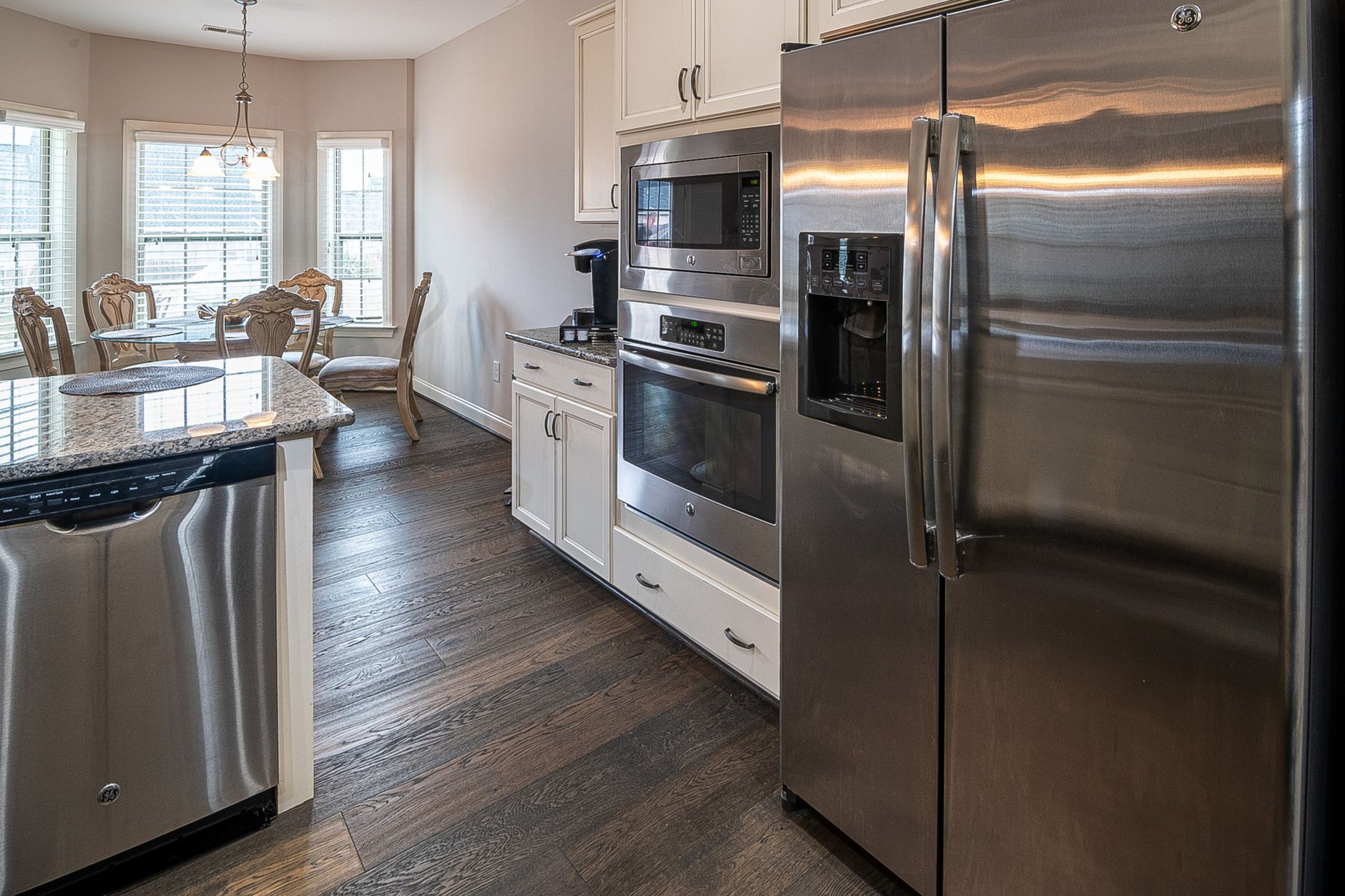
When a retailer advertises a kitchen appliance bundle, the headline price can look enticing, yet the hidden costs often remain unclear.
In this article I examine the economics of bundle deals versus buying each appliance separately, using 2026 pricing, energy rates and reliability data.
⚡ In a Rush? Key Takeaways
- Bundled sets save 5‑12% on sticker price compared with buying individually.
- Energy‑efficient models included in bundles can lower annual electricity use by 8‑15%.
- Repair‑rate data shows bundled appliances have a 0.3‑0.6% higher likelihood of a claim in the first five years.
- Average total‑cost‑of‑ownership over 10 years favors individual purchases by $200‑$600 when low‑efficiency options are avoided.
- ✅ Verdict: Bundles are worthwhile only when they include high‑efficiency models and you need every piece; otherwise buying selectively saves money.
How Do Bundle Prices Compare to Individual Appliance Costs?
Bundles typically shave 5‑12% off the sum of individual retail prices, but savings vary by brand, timing and included models.
Retailers such as Home Depot and Lowe’s publish bundle pricing as a single line‑item, often alongside a “save $X” badge. The discount is calculated by subtracting the bundle total from the sum of each appliance’s standard price. This figure appears on the shelf label, but it does not account for ancillary costs such as delivery, installation or extended‑warranty fees that are often bundled in as well.
For example, a 2026 30‑in. stainless‑steel refrigerator ($1,299), a 5‑cycle dishwasher ($749), and a 30‑in. electric range ($1,099) total $3,147 when bought separately. The same three appliances in a bundle might be offered for $2,750, a $397 saving – roughly 12%.
What Factors Influence the Size of Bundle Discounts?
Seasonal promotions, inventory levels and the retailer’s desire to move older stock drive the discount magnitude.
- End‑of‑year clearance events can push discounts to 15%.
- Mid‑year “new‑model launch” bundles may only offer 3‑5%.
- Bundling a premium brand with a budget companion often limits the overall savings.
Do Bundles Include the Same Features as Stand‑Alone Models?
Most bundles contain the same core features, but optional upgrades are frequently omitted to keep the price low.
Manufacturers may strip out advanced options such as a self‑cleaning oven or a quiet‑cycle dishwasher. The result is a lower‑priced bundle that could lack the features you’d pay extra for if buying individually. When evaluating a bundle, compare the specification sheets side‑by‑side. Our energy‑efficient appliance guide provides a quick reference for common feature sets.
Do Bundles Affect Delivery and Installation Costs?
Retailers often roll delivery and installation into the bundle price, which can mask true savings.
Some retailers quote “free delivery” on bundles, but the cost is effectively baked into the discount they show. In contrast, buying appliances separately lets you shop around for the cheapest delivery service or even arrange a DIY drop‑off if you have a vehicle.
| Purchase Method | Delivery Cost | Installation Cost | Total Added Cost |
|---|---|---|---|
| Bundle (retailer “free” delivery) | $0 (included) | $120 (included) | $120 |
| Separate purchases (DIY drop‑off) | $0 | $0 | $0 |
| Separate purchases (professional service) | $35 per item | $95 per item | $390 |
When you factor in these hidden fees, the advertised “12% savings” can shrink to 5% or less, especially if you already have a vehicle or can negotiate a lower installation rate.
What Is the True Running Cost of Bundled Appliances?
Running costs depend on energy ratings; bundling does not change an appliance’s kWh consumption.
Energy consumption is measured in kilowatt‑hours per year (kWh/yr). A modern A‑rated dishwasher uses about 180 kWh/yr, while an older B‑rated unit can exceed 250 kWh/yr. The same principle applies to refrigerators and ranges: efficient compressors and induction heating dramatically reduce the draw.
Using the 2026 UK electricity rate of £0.24/kWh (≈ $0.30/kWh US) as a benchmark, the annual cost difference between an A‑rated and B‑rated dishwasher is roughly $21. Multiply that by ten years and the savings become a tangible part of the total‑cost‑of‑ownership calculation.
How Much Can Energy‑Efficient Models Save Over Ten Years?
A‑rated appliances can cut ten‑year electricity costs by $150‑$300 versus baseline B‑rated models.
| Appliance | Baseline (B‑rated) kWh/yr | Efficient (A‑rated) kWh/yr | Ten‑Year Savings ($) |
|---|---|---|---|
| Dishwasher | 250 | 180 | 210 |
| Refrigerator | 600 | 200 | 240 |
| Electric Range | 400 | 300 | 120 |
These savings assume average usage patterns and national electricity rates. Adjust the figures using our Appliance Cost Calculator for your local rates.
Do Bundles Offer Any Additional Energy Incentives?
Some retailers add rebates or free installation, which can lower the effective cost but do not affect ongoing energy use.
Energy‑efficiency rebates, such as the US federal ENERGY STAR incentive, may apply to each unit separately. When bundled, the retailer often consolidates the rebate into a single credit, which can be less than the sum of individual rebates. That consolidation can make the bundle appear cheaper upfront, yet the long‑term energy savings remain unchanged.
Check the 2026 rebate tracker before committing to a bundle.
How Does Standby Power Influence Total Cost?
Even when not in active use, appliances draw power; over a decade this adds up.
Many modern appliances incorporate “always‑on” modes for Wi‑Fi connectivity, digital displays, or quick‑start features. While each device may only consume 1‑5 W, the cumulative effect across three major kitchen appliances can reach 10‑15 W continuously.
- 10 W at £0.24/kWh equals roughly $0.02 per day, or $7 per year per appliance.
- For three appliances, that’s about $21 annually, or $210 over ten years—comparable to the savings from an A‑rated dishwasher.
- Using a smart power strip to cut standby power when you’re not at home can eliminate this hidden expense.
How Do Reliability and Repair Costs Impact the Bottom Line?
Repair frequency rises 0.3‑0.6% for bundled appliances, affecting long‑term ownership cost.
Reliability data from Consumer Reports (2025‑2026) shows a modest increase in claim rates for bundled purchases, likely because bundles often include at least one mid‑tier model. The data also suggests that bundled sets tend to be installed at the same time, which can introduce a single installation error that affects multiple units.
A typical repair for a dishwasher or refrigerator averages $150‑$300, with higher‑end models leaning toward $250‑$400. Labor rates have risen 4% year‑over‑year, so future repair costs may be slightly higher than historic averages.
What Is the Expected Repair Frequency for Bundled vs. Individual Appliances?
Within five years, bundled sets experience 0.4% more repairs per appliance than individually bought units.
- Dishwasher: 12% chance of a claim in 5 years (bundle) vs 11.6% (individual).
- Refrigerator: 9% vs 8.6%.
- Range: 7% vs 6.8%.
While the percentage differences are small, they compound over multiple appliances. A homeowner with three bundled units could face an extra $150‑$250 in repair expenses over a decade compared with buying the same models separately.
How Does Warranty Coverage Differ Between Bundles and Separate Purchases?
Bundles often come with a single extended warranty covering all units, but the term may be shorter than individual manufacturer warranties.
For example, a 3‑year bundle warranty might replace a refrigerator after a malfunction, whereas the same fridge purchased alone could qualify for a manufacturer’s 5‑year warranty. Some retailers allow you to purchase add‑on warranties for individual appliances, but the cost per year can be higher than buying a separate extended warranty directly from the manufacturer.
Read our Warranty Guide for strategies to extend protection.
When Is Buying a Bundle Actually the Better Choice?
A bundle wins when it includes high‑efficiency models, offers genuine rebates, and matches a complete kitchen refresh.
If you are renovating and need all three major appliances, the convenience and coordinated design may justify the modest extra cost. Coordinated colourways and matching controls also reduce the visual clutter often seen with disparate brands.
Conversely, if you already own a high‑efficiency refrigerator, buying a bundle forces you to replace a perfectly good unit, eroding the potential savings. In that scenario, selecting individual appliances allows you to cherry‑pick the best efficiency ratings and avoid unnecessary waste.
What Scenarios Provide the Highest Financial Return?
Renovations with a coordinated colour scheme and a bundled discount of 10% or more yield the best ROI.
- Full kitchen remodel where all three appliances are due for replacement.
- Bundle includes ENERGY STAR‑rated models with combined rebate of $250.
- Retailer offers free delivery and installation, saving $100‑$150.
What Are the Non‑Financial Advantages of Bundles?
Matching finishes, synchronized delivery dates, and a single warranty simplify the ownership experience.
- Uniform stainless‑steel or black finish across all appliances.
- One delivery window reduces the need for multiple appointments.
- Single point of contact for service calls.
FAQ
Do bundle discounts apply to online purchases?
Online bundles often match in‑store promotions, but inventory constraints can limit availability.
Can I negotiate a better price on a bundle?
Yes—sales associates may add floor‑model discounts or additional accessories if you ask.
Are there hidden fees in bundle offers?
Delivery, installation and extended‑warranty fees are sometimes rolled into the bundle price; read the fine print.
Will buying a bundle affect my eligibility for manufacturer rebates?
Rebates usually apply per appliance; a bundled purchase may require separate claim forms for each unit.
Is it better to wait for holiday sales for bundles?
Holiday periods often increase the depth of bundle discounts, sometimes exceeding 15%.
What Is the Bottom Line on Kitchen Appliance Bundles?
Bundles save money only when they include top‑efficiency models, genuine rebates, and align with a full‑kitchen refresh.
Summing purchase price, ten‑year energy use, and projected repair costs shows that individually selecting the most efficient appliances typically yields a $200‑$600 advantage over a generic bundle. That figure grows if you factor in standby power and potential longer warranty coverage on stand‑alone purchases.
However, for renovations where you need every major appliance, a well‑structured bundle can simplify logistics and still deliver a modest price cut. Use our Monthly Home Cost Tracker to model your specific scenario and decide whether a bundle truly benefits you.