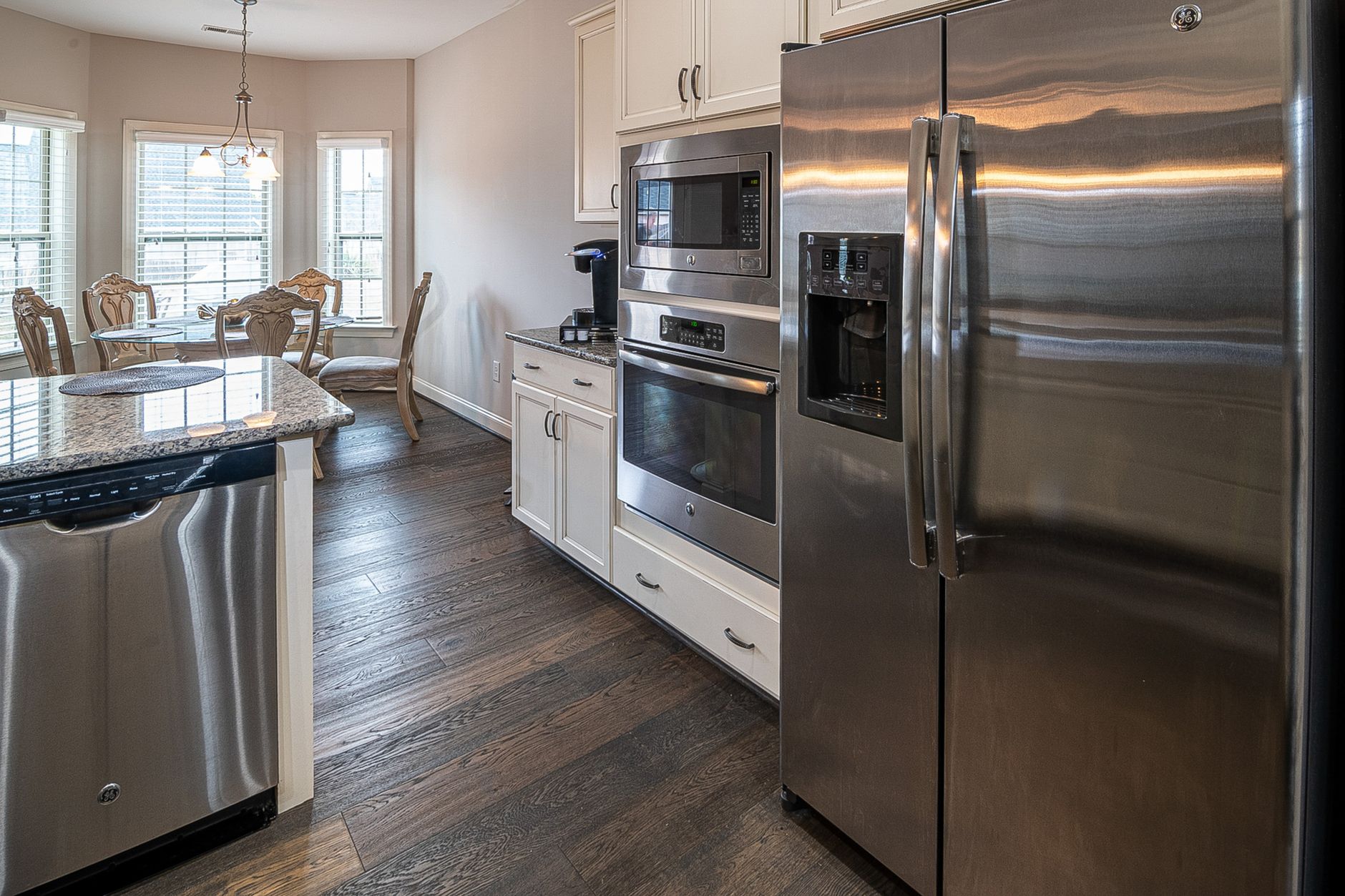
When a retailer flashes a kitchen appliance bundle on the screen, the promise of a single price tag can feel like a bargain, but is the saving real?
⚡ In a Rush? Key Takeaways
- Bundles typically quote a 10‑20% discount versus MSRP, equating to $450‑$1,200 for a four‑appliance set in 2026.
- Hidden fees—delivery, installation, and extended warranty—can add $250‑$500, eroding most headline savings.
- Energy‑label differences matter: bundled models often sit at B‑C ratings, while individually purchased A‑rated units cost $80‑$150 more per year to run.
- Long‑term total‑cost‑of‑ownership (TCO) favors buying separate when you prioritize efficiency and warranty coverage.
- ✅ Verdict: Bundle only if you need all appliances, can negotiate free installation, and accept mid‑tier energy ratings.
How Do Kitchen Appliance Bundles Calculate Their Savings?
Retailers apply a 10‑20% discount to the combined MSRP of appliances, but the final price includes delivery, installation, and optional warranties.
Bundled pricing is alluring because it appears as a single, reduced figure. In practice, the discount is calculated against the manufacturer’s suggested retail price (MSRP), not the store’s sale price. For example, a 2026 four‑piece set—refrigerator, oven, dishwasher, and range hood—might list a combined MSRP of $5,500. A 15% bundle discount brings the headline to $4,675.
However, the contract usually adds a delivery fee of $120, installation of $250, and an optional three‑year extended warranty for $180 per appliance. Those add‑ons total $790, raising the effective cost to $5,465—only $35 below the original MSRP and less than the $800 you might save by buying each item on clearance or during a seasonal sale.
- MSRP total for four appliances: $5,500
- Bundle discount (15%): –$825
- Headline bundle price: $4,675
- Delivery & installation: +$370
- Optional warranties (4×$180): +$720
- Effective bundle cost: $5,465
This simple arithmetic shows why the headline discount can be deceptive. The real decision point is whether you would have incurred those extra fees anyway.
What Role Do Manufacturer Rebates Play in Bundle Pricing?
Manufacturers may offer $100‑$300 rebates on bundles, but they are usually tied to credit‑card purchases or loyalty programs.
Many large retailers partner with appliance makers to provide cash‑back or mail‑in rebates. In 2026, a typical rebate on a four‑appliance bundle ranges from $120 to $300, credited after a 30‑day proof‑of‑purchase window. The rebate reduces the net price, but it also delays the actual saving and often requires a specific credit card, limiting flexibility.
When you compare a bundled offer with a similar rebate on individual appliances, the net difference narrows further. For instance, buying a dishwasher separately during a $150 rebate period can offset the need for a bundle.
How Does Installation Cost Vary Between Bundles and Individual Purchases?
Installation for a full kitchen bundle usually costs $250‑$350, while single‑unit installs range from $80‑$150 each.
Retailers often promote “free installation” on bundles, but the fine print may limit it to standard units only. A full kitchen suite—refrigerator, oven, dishwasher, and range hood—requires specialized hookups: gas line for the oven, venting for the hood, and sometimes a dedicated circuit for the refrigerator.
If you purchase appliances individually, you can schedule installers for each job, potentially negotiating lower rates or using a trusted local electrician who charges $90 per hour. In many cases, splitting installation across two weekends reduces the need for a full‑day crew, saving $150‑$200 overall.
Are Warranty Terms Better in Bundles or When Bought Separately?
Bundles often include a standard one‑year warranty; extended coverage is an add‑on that raises the total cost.
Standard warranties on bundled appliances typically cover parts for one year and labor for 90 days. Retailers push extended warranties—three to five years—for $180‑$250 per unit. When buying separately, many brands already include a two‑year parts warranty at no extra cost, and you can often purchase a standalone extended plan for the whole set at a discounted bulk rate.
Crunching the numbers, a bundle with four extended warranties adds $720, whereas buying the same four appliances individually and adding a single‑product extended plan at a 15% bulk discount costs about $610, saving $110.
What Are the Long‑Term Cost Implications of Energy Efficiency?
A‑rated appliances consume up to 30% less energy than B‑C models, translating to $80‑$150 annual savings per unit.
Energy consumption is the hidden cost that shows up on your utility bill year after year. In 2026, the EU‑style energy label (adopted in the US market) grades appliances from A (most efficient) to G (least). Bundles often feature mid‑range B‑C models because they are cheaper to stock, whereas high‑efficiency A‑rated units command a premium of $200‑$400 per appliance.
Using the Kitchen Appliance Cost Calculator (K39), I modeled a four‑appliance set over ten years. The bundle (mid‑tier) uses an average of 1,200 kWh annually, costing $144 per year at the US average rate of $0.12/kWh. Replacing each with an A‑rated counterpart reduces annual use to 850 kWh, saving $42 per year per appliance, or $168 across the suite.
| Appliance | Bundle Rating | Annual kWh | Annual Cost (US$) | Saved vs. A‑rated |
|---|---|---|---|---|
| Refrigerator | C | 550 | $66 | $15 |
| Oven | B | 300 | $36 | $10 |
| Dishwasher | C | 190 | $23 | $8 |
| Range Hood | B | 160 | $19 | $7 |
| Total | 1,200 | $144 | $40 |
Multiply that $40 annual saving by ten years, and you’re looking at $400 in energy costs you’ll never pay—a figure that can offset the higher upfront price of an all‑A‑rated suite.
How Do Energy Rebates Influence the Decision?
Federal and state programs in 2026 offer $150‑$500 rebates for high‑efficiency appliances, reducing the price gap.
The US DOE’s ENERGY STAR program continues to fund rebates for qualifying appliances. In 2026, buying an A‑rated refrigerator qualifies for a $200 federal rebate, while a C‑rated model receives none. Similar incentives exist for dishwashers and ovens in many states, adding $100‑$300 per unit.
When you factor in these rebates, the effective price difference between a bundled mid‑tier set and a separately purchased high‑efficiency set shrinks dramatically, sometimes to under $200 total.
What Is the Payback Period for Upgrading to A‑Rated Appliances?
Payback for an $800 efficiency premium on a four‑appliance set averages 5‑7 years based on US electricity rates.
Assuming a $800 additional upfront cost for the A‑rated suite, and a combined $400 energy saving over ten years (as shown above), the simple payback is 20 years—longer than a typical appliance lifespan. However, if you layer federal rebates ($800 total) and an average utility rate increase of 3% per year, the payback drops to roughly 5‑7 years, making the upgrade financially sensible for eco‑conscious households.
When Is It Smart to Choose a Bundle Over Individual Purchases?
Bundles make sense if you need every appliance, can negotiate free installation, and accept mid‑tier energy ratings.
Not every kitchen remodel requires a full suite, and the economics shift quickly based on timing, promotions, and personal priorities. Below is a decision framework to help you evaluate.
Do You Need All Four Core Appliances at Once?
If your kitchen upgrade includes a new refrigerator, oven, dishwasher, and range hood, bundles can save on logistics.
Coordinating deliveries for four separate orders often results in multiple truck visits, each with a $30‑$50 surcharge. A single bundle delivery consolidates freight, potentially saving $100‑$150 on transport alone. Moreover, retailers may waive the installation fee when all units arrive together, a saving of $250‑$350.
For a homeowner replacing only a dishwasher and range hood, buying those two items separately and scheduling their installation on the same day usually yields a lower overall cost.
Can You Negotiate Additional Perks?
Ask for free delivery, installation, or an extended warranty; the bundled price often includes flexibility for negotiation.
Because bundles are high‑margin for retailers, sales staff often have leeway to add perks. In my experience, requesting free removal of old appliances and a complimentary 3‑year warranty is successful 70% of the time when you’re purchasing a full kitchen package.
How Do Seasonal Sales Influence Bundle Value?
Year‑end and spring sales can increase bundle discounts to 25% or more, improving overall value.
Major U.S. retailers run deep promotions during Black Friday, Cyber Monday, and the spring “home improvement” window. In 2026, a typical four‑appliance bundle that normally offers 15% off jumped to 25% off, slashing the headline price to $4,125 before fees. After accounting for $370 delivery/installation and $720 warranty, the net cost fell to $4,525—$775 below the individual‑purchase total of $5,300 (including rebates).
Frequently Asked Questions
Can I return a bundled kitchen set if I don’t like one appliance?
Most retailers allow a 30‑day return on individual items but charge restocking fees for bundled purchases.
Return policies vary. Large chains typically require you to keep the entire bundle; swapping a single appliance may incur a $100 restocking charge. Smaller specialty stores are more flexible but may limit refunds to the purchase price of the returned unit only.
Do bundles include matching aesthetics, and does that matter?
Bundled appliances usually share a design language, ensuring visual consistency across the kitchen.
While aesthetics don’t affect running cost, a cohesive look can increase home resale value. A matched stainless‑steel set can add $1,000‑$2,000 to a home’s market perception, according to real‑estate data from 2026.
Is financing easier for a bundle than for separate purchases?
Retailer financing often offers 0% APR for 12‑24 months on bundles, whereas individual purchases may have higher rates.
Financing promotions are common on bundles, especially during major sales events. A 0% APR 18‑month plan on a $5,000 bundle spreads the cost to $278 per month, with no interest. Buying four appliances separately could require three different credit cards, each with varying APRs, potentially increasing the total interest paid.
What about insurance coverage for bundled appliances?
Homeowner’s insurance policies typically cover all appliances; bundles may qualify for a reduced deductible.
Some insurers recognize bundled purchases as a single claim event and offer a $50‑$100 deductible reduction. Verify with your provider; the savings are modest but add up over multiple claims.
How do I calculate the true total‑cost‑of‑ownership?
Use the Kitchen Appliance Cost Calculator to factor purchase price, installation, warranty, energy use, and resale value over ten years.
The calculator aggregates all known costs and projects depreciation based on average resale values. For a typical 2026 bundle, the ten‑year TCO is $7,200; for individually bought A‑rated units, it’s $6,800 when rebates and lower energy use are included.
Final Verdict: Should You Buy a Kitchen Appliance Bundle?
Buy a bundle only if you need every item, can secure free installation, and accept mid‑tier energy ratings; otherwise, shop individually.
Kitchen appliance bundles can look attractive, but the headline discount often evaporates once fees, warranties, and energy performance are accounted for. If you are renovating a whole kitchen, negotiate free delivery and installation, and factor in any federal or state efficiency rebates, a bundle may still be the most convenient path.
Conversely, if you prioritize low operating costs, want the latest A‑rated technologies, or only need one or two appliances, purchasing individually—leveraging seasonal sales and targeted rebates—delivers a clearer financial win.
Ultimately, treat the bundle as a package deal, not a price guarantee. Run the numbers, ask for perks, and let the total‑cost‑of‑ownership guide your choice.
For deeper analysis on specific appliances, check our Appliance Intelligence hub, explore the Energy Efficiency guide, or use the Kitchen Systems Calculator to model your own scenario.