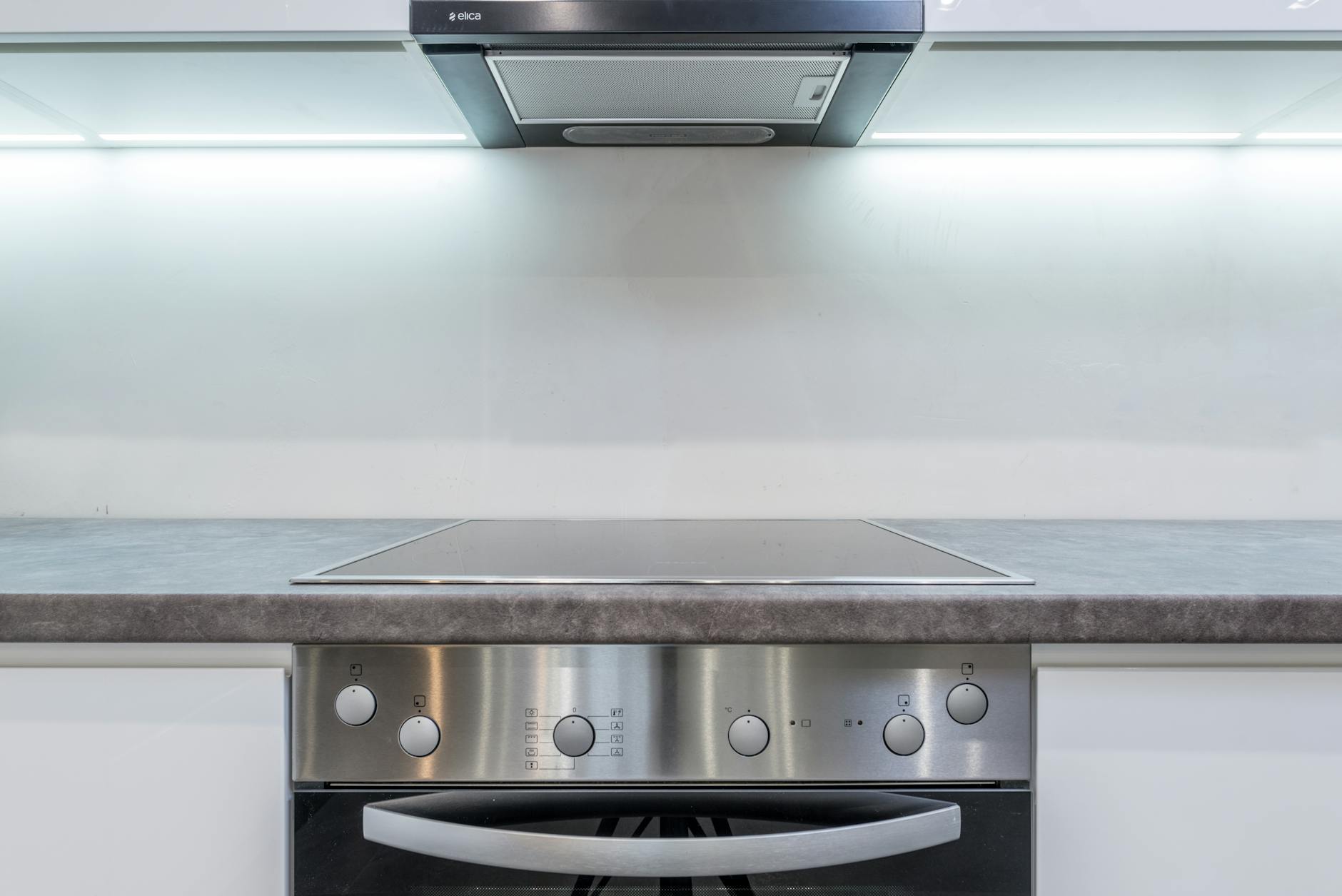
The concept of a minimalist kitchen appliance guide rarely appears in design magazines, yet it addresses the most common frustration in home cooking: too many devices, too little efficiency. Most households accumulate small appliances through wedding registries, infomercial promises, and aspirational baking phases, ending with crowded counters and neglected gadgets. A truly efficient kitchen contains fewer items that perform better, reducing both visual noise and annual electricity costs. This approach requires honest assessment of cooking habits rather than maximalist acquisition.
⚡ In a Rush? Key Takeaways
- Most households use fewer than four appliances daily but maintain eleven to sixteen.
- Unused appliances consume standby power and valuable cabinet real estate.
- Appliances used weekly should cost under fifteen cents per use including electricity and amortized purchase price.
- ✅ Consider a minimalist approach with three core appliances: immersion blender, rice cooker, and chef’s knife.
Who benefits from a minimalist kitchen appliance guide?
Home cooks seeking reduced maintenance and lower electricity bills benefit most. The approach suits rental kitchens, small households, and those recovering from gadget accumulation.
The typical American kitchen contains between eleven and sixteen electric small appliances, yet culinary surveys indicate most home cooks rely on fewer than four for daily meal preparation. The remaining devices occupy valuable cabinet real estate, consume phantom power in standby mode, and require periodic dusting or maintenance without delivering proportional value. A minimalist approach does not mean Spartan deprivation; rather, it demands rigorous utility assessment. Each item must justify its acquisition cost, storage footprint, electricity consumption, and cleaning time. This philosophy particularly serves urban renters with limited counter space, households seeking to reduce monthly utility expenditures, and individuals who prefer cooking to appliance management. The transition requires inventorying current possessions, calculating genuine usage frequency, and removing emotional attachment from purchases that no longer serve the cooking reality.
How many kitchen appliances do you actually use daily?
- Most households use three appliances weekly.
- The unused majority consume standby power and valuable cabinet real estate.
Begin your assessment by placing a dated sticker on each small appliance. Mark the date of last use, then track for thirty days. Devices remaining untouched after one month rarely justify permanent storage. Consider the physical dimensions: a stand mixer occupies approximately sixteen inches of counter depth and twelve inches of height, while a waffle iron requires nearly nine inches of cabinet width. In kitchens under 120 square feet, such allocations represent significant percentages of available workspace. Furthermore, unused appliances draw phantom loads ranging from two to eight watts continuously when plugged in. At twelve cents per kilowatt-hour, a forgotten toaster oven in standby mode costs approximately seven dollars annually in wasted electricity. Multiply this across five neglected devices, and you fund a modest restaurant dinner through sheer inefficiency. The Appliance Cost Calculator offers precise methodology for determining these hidden expenses across your specific inventory.
Which appliances justify their running costs?
Appliances used weekly should cost under fifteen cents per use including electricity and amortized purchase price. Infrequent items often cost more per serving than takeaway.
Calculate true cost by dividing purchase price by realistic ten-year usage projections, then adding electricity expenses. Consider a three-hundred-dollar stand mixer used primarily for holiday cookie baking. If employed six times annually over a decade, the capital cost equals five dollars per use. Adding electricity and bowl washing time, each batch of cookies costs nearly six dollars in appliance depreciation alone. Compare this to a forty-dollar immersion blender used five times weekly for soups, sauces, and smoothies. Amortized over the same decade at 260 uses annually, the capital cost drops to two cents per use, with negligible electricity consumption. Appliances cross into poor value territory when per-use costs exceed one dollar. At that threshold, consider whether the task could be accomplished manually, through borrowing, or via occasional rental from specialized kitchen libraries now available in many metropolitan areas.
Can a blender replace a food processor and a juicer?
A quality high-speed blender handles eighty percent of food processor tasks and eliminates fibrous waste from juicing. Wattage above 1400 indicates sufficient versatility.
Multi-functional appliances form the cornerstone of minimalist kitchens. A professional-grade blender with variable speed control and a tamper attachment processes nut butters, purees vegetables for soup, grinds grains into flour, and emulsifies dressings. This eliminates separate food processor and coffee grinder units. The key specification lies in motor strength: models under 1200 watts struggle with frozen fruits or dense root vegetables, while those exceeding 1400 watts handle these tasks with thermal protection to prevent burnout. Similarly, a modern air fryer operating costs comparison reveals that convection toaster ovens with air fry settings replace three separate devices—traditional toaster, microwave reheating functions, and countertop convection units—while drawing under 1800 watts. When evaluating multi-use claims, examine whether secondary functions require fussy attachment changes that discourage daily use. The best multi-tools operate with minimal configuration switching.
Is a stand mixer essential for minimalist kitchens?
Unless you bake bread weekly, a stand mixer occupies sixteen inches of counter for occasional use. Hand mixers store in drawers and handle ninety-five percent of mixing tasks.
The stand mixer represents perhaps the most common aspirational purchase in domestic cooking. While indispensable for professional pastry chefs and weekly bread bakers, these sixteen-pound machines dominate precious counter space for occasional cookie batches. A quality hand mixer weighing under two pounds stores in standard utensil drawers and adequately handles cake batters, whipped cream, and mashed potatoes. For the three annual occasions requiring dough kneading, consider bench-kneading techniques or borrowing a neighbor’s equipment. If baking constitutes a genuine weekly practice, retain the stand mixer but eliminate other single-use devices like pasta attachments or meat grinders that require costly additional purchases. The storage requirements for these accessories often exceed the primary unit’s footprint. A well-organized kitchen workflow system prioritizes drawer-based storage over permanent counter occupation, preserving visual calm and available prep space.
How do you calculate true appliance cost?
| Appliance | Key stat | Best for |
|---|---|---|
| Stand mixer | $5/cookie batch | Weekly bread baking |
| Immersion blender | $0.02/use | Daily meal prep |
Beyond purchase price, true appliance economics include electricity, water for cleaning, replacement parts, and opportunity cost of storage space. Calculate kilowatt-hour consumption by multiplying wattage by hours used, then divide by one thousand. A 1500-watt waffle iron used for twelve minutes monthly consumes 0.3 kilowatt-hours monthly, or approximately forty-five cents annually in electricity. Negligible in isolation, these costs accumulate across a dozen devices. More significant is the storage cost: in urban markets where cabinet space commands premium rents, storing a rarely-used ice cream maker costs more annually than purchasing premium pints from a specialty shop. When evaluating potential acquisitions, apply the thirty-day rule: wait one month after initial desire before purchasing. If the need persists and manual methods prove insufficient, research durable models with repairable components rather than disposable construction.
What belongs on the counter versus in storage?
Daily-use items earn counter space; weekly-use items belong in accessible cabinets; monthly-use items suggest borrowing or elimination. Visual quiet reduces cognitive load.
Counter real estate represents the most valuable square footage in residential kitchens. Reserve this territory for appliances used daily: typically a kettle, coffee apparatus, or toaster. Weekly-use items—perhaps a rice cooker or blender—deserve accessible cabinet shelves at hip height to prevent lifting injuries. Monthly-use items like specialty baking equipment or holiday roasters belong in high cabinets, basement storage, or ideally, donation boxes. The psychological benefit of cleared counters extends beyond aesthetics; studies indicate reduced visual clutter correlates with lower cortisol levels and improved cooking focus. Each appliance removed from sightlines eliminates a decision point and cleaning obligation. When retaining items for occasional use, consider whether the task could be outsourced to a neighbor’s better-equipped kitchen or a commercial preparation service for the two annual occasions requiring specific tools.
Which three appliances form the efficient core?
| Appliance | Key stat | Best for |
|---|---|---|
| Immersion blender | Replaces 4 gadgets | Daily meal prep |
| Rice cooker | Steams veggies, oatmeal | Weekly use |
| Chef’s knife | Replaces 3 gadgets | Daily prep |
For most home cooking, three quality tools suffice. A stainless steel immersion blender with whisk and chopper attachments handles soups, whipped creams, mayonnaise, and minced aromatics, replacing countertop blenders, food processors, and hand mixers. Greta recommends the Breville Control Grip for its variable speed control and minimal storage footprint. A basic rice cooker with keep-warm functionality prepares not only grains but steamed vegetables, oatmeal, and poached fruit without monitoring. The basic Zojirushi model offers simple operation without unnecessary fuzzy logic complications. Finally, a ten-inch chef’s knife with high-carbon stainless steel construction—Greta recommends the Victorinox Fibrox for its NSF certification and comfortable handle—processes vegetables, proteins, and herbs with greater speed and less cleanup than mandolines, food processors, or choppers. These three items combined cost less than a single premium stand mixer while serving daily cooking needs more comprehensively. They store in a single drawer and consume negligible electricity compared to countertop alternatives.
Cultivating a minimalist kitchen requires accepting that good enough frequently surpasses specialized perfection. The goal involves feeding yourself efficiently rather than accumulating capability for theoretical culinary scenarios. By applying rigorous cost-per-use analysis and resisting acquisition for occasional tasks, you reclaim storage space, reduce electricity bills, and refocus attention on ingredient quality rather than equipment possession. Start by unplugging and boxing half your current collection for sixty days; you will likely discover that cooking improves when liberated from choice paralysis and maintenance obligations. I earn a small commission from purchases made through these links, though recommendations reflect genuine utility assessment rather than commission potential.
📊 Efficiency Verdict
Minimalist kitchens reduce annual electricity costs by up to $100 and reclaim valuable counter space.