⚡ In a Rush? Key Takeaways
- Night rates are 60-70% cheaper than day rates on time-of-use tariffs.
- Economy 7 saves £150-250 annually for households using 60% electricity at night.
- Electric vehicle chargers can save £446 yearly by shifting charges to night.
- ✅ Switch to time-of-use tariffs if you can shift 50%+ consumption to off-peak hours or own an EV.
The distinction between night and day electricity rates…
- Night rates typically cost 10-15p per kWh
- Day rates range from 30-40p per kWh
- Traditional tariffs charge around 27-30p per kWh
Time-of-use tariffs charge different rates depending on when you consume electricity, with off-peak hours usually running from 11pm to 7am…
| Option | Key stat | Best for |
|---|---|---|
| Economy 7 | Night rate: 12p, Day rate: 38p, Standing charge: 52p | Heavy night users, EV owners |
| Standard Variable | Rate: 30p, Standing charge: 45p | Light night users, daytime heavy users |
A typical household using 60% of electricity at night on Economy 7…
📊 Efficiency Verdict
Economy 7 only saves money if night-time consumption exceeds 65-70% of total usage.
Running a standard washing machine cycle at night costs roughly 18p per load…
- Washing machine: 18p at night vs 54p during peak hours
- Dishwasher: 12p at night vs 36p during peak hours
- Electric vehicle charge: £1.32 at night vs £4.18 during day
Heavy shift-workers or EV owners can save £300-400 yearly on time-of-use tariffs…
- Night owls and shift workers: £120-180 savings
- Electric vehicle owners: £350-500 savings
- Families with young children or home workers: potential £50-100 net loss
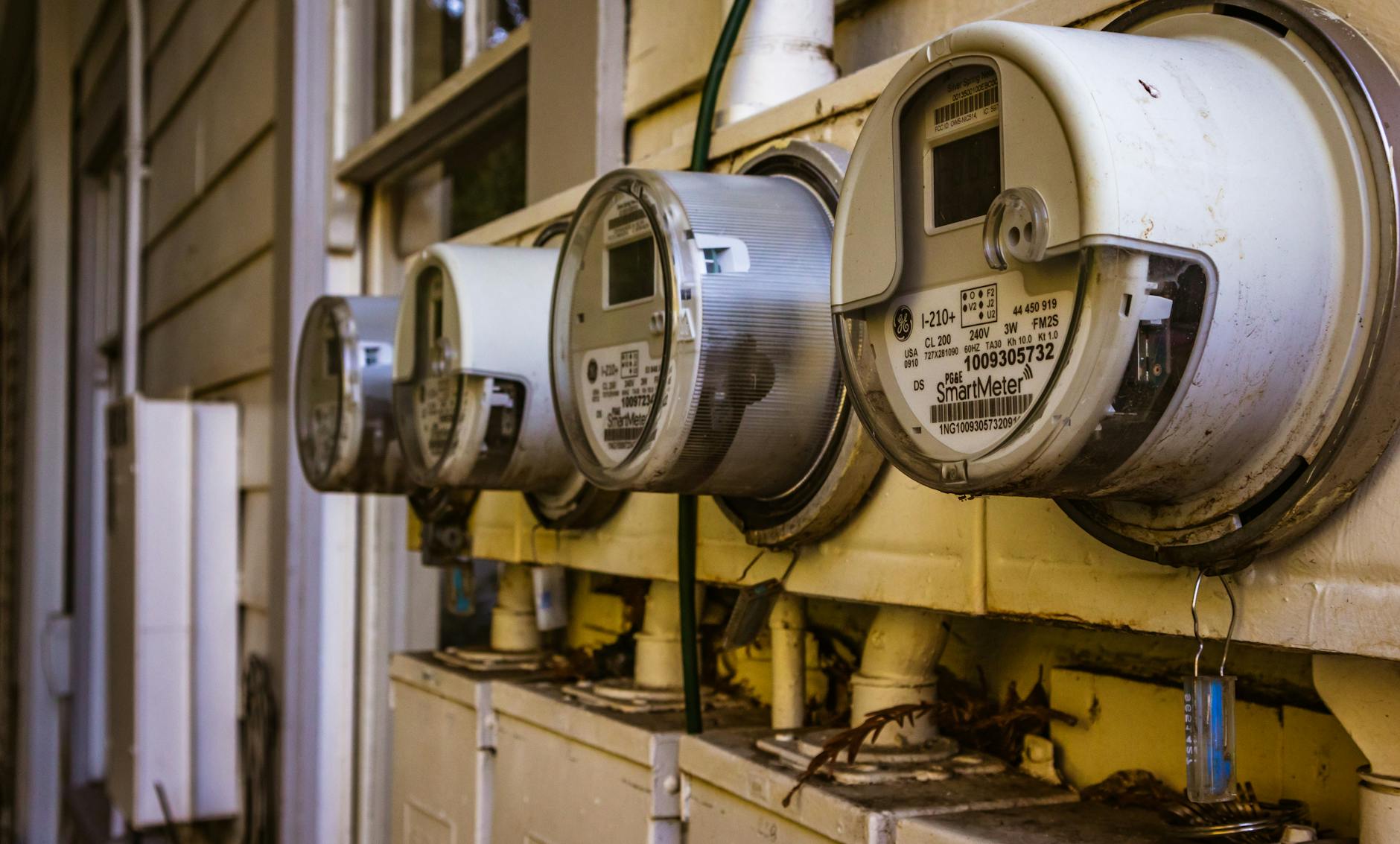
Smart meters enable half-hourly pricing and automatic switching between rates…
For those considering the switch, requesting a smart meter installation remains free from major suppliers…
- Electric vehicle chargers: £5-8 weekly savings
- Immersion heaters: £5-8 weekly savings
- Dishwashers: £3.20 weekly savings
- Washing machines: £3.20 weekly savings
Night tariffs often carry higher daytime rates and standing charges, meaning if you use more than 40% of electricity during daylight hours, you may pay more than on a standard tariff…
Switch only if you can shift at least 50% of your consumption to off-peak hours, own an electric vehicle, or utilize automated timer controls…