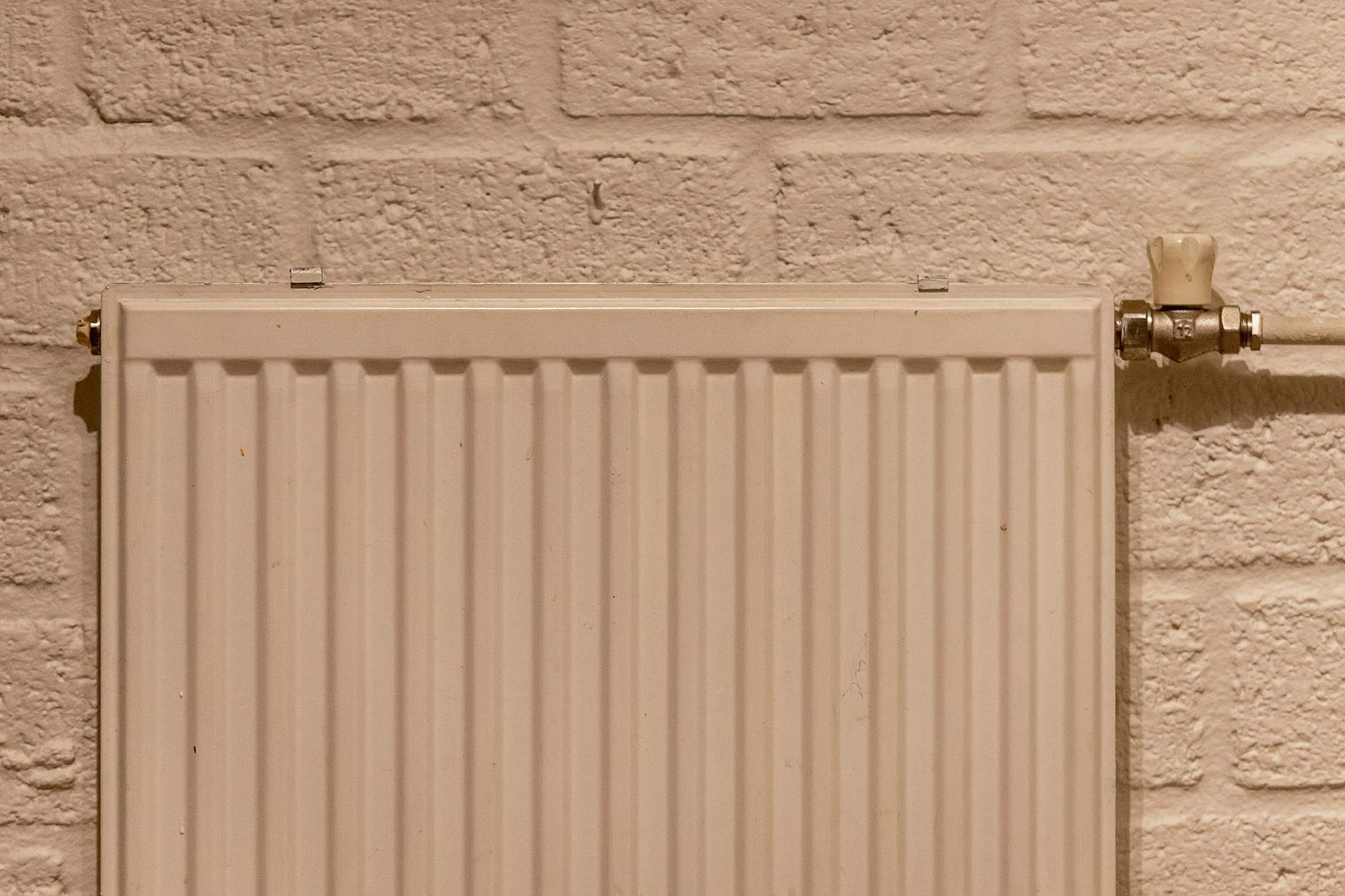
The question of whether to rely on your home’s central heating radiators or to supplement with a portable electric heater is not merely about comfort—it is a calculation of thermodynamics and household economics. When temperatures drop, the decision carries significant implications for your monthly utility expenditure. This radiator vs electric heater efficiency comparison examines the true cost per kilowatt-hour, heat distribution mechanics, and the hidden expenses that determine which option runs a better home for less.
⚡ In a Rush? Key Takeaways
- Central heating radiators cost $0.12–$0.15 per kWh, while electric heaters cost $0.15–$0.30 per kWh.
- Radiators distribute heat evenly across large spaces but slowly, while electric heaters deliver rapid directional warmth.
- Electric heaters are nearly 100% efficient at point of use but cost more per unit of heat.
- Choose radiators for whole-home heating during cold seasons and electric heaters for supplemental spot heating in single rooms used occasionally.
Which costs less to run: a central heating radiator or an electric heater?
| Option | Key stat | Best for |
|---|---|---|
| Central heating radiator | $0.12–$0.15 per kWh | Whole-home heating |
| Electric heater | $0.15–$0.30 per kWh | Spot heating |
To understand these figures, one must look beyond the sticker price of fuel. Natural gas, which powers the majority of wet central heating systems, currently averages $0.04–$0.05 per kWh in the United States. However, even modern condensing boilers operate at 90–95% efficiency at best, meaning the effective cost per kWh of heat delivered to your room rises to approximately $0.12–$0.15 after combustion and distribution losses.
Electricity, conversely, averages $0.15–$0.30 per kWh depending on your state and utility provider. Electric resistance heaters convert 100% of their electrical input into heat, suffering no flue losses or pipework dissipation. Yet the higher unit cost of electricity means that despite perfect efficiency at the point of use, electric heating typically costs two to three times more per unit of heat than a gas-powered radiator system. Before making seasonal heating decisions, I recommend using our appliance cost calculator to input your specific local energy rates and compare exact seasonal expenses.
How do heat output and room coverage compare between radiators and electric heater?
- Radiators distribute heat evenly across large spaces but slowly.
- Electric heaters deliver rapid directional warmth best for personal zones under 150 square feet.
Central heating radiators operate through convection and thermal radiation, warming the air and surfaces gradually until the entire room reaches equilibrium. A standard double-panel radiator outputs between 5,000 and 10,000 BTUs per hour, sufficient to maintain 70°F in a 200-square-foot room even in sub-freezing external temperatures. The thermal mass of the water circulating through the system creates residual heat that continues warming the space even after the boiler cycles off, providing gentle, ambient temperature stability.
Portable electric heaters, whether oil-filled, ceramic, or infrared, excel at rapid spot heating. A 1,500-watt unit produces approximately 5,100 BTUs instantly, directing warmth toward the immediate vicinity. This makes them ideal for heating a single occupant in a home office or bedroom without warming unoccupied corridors. However, they struggle to maintain consistent temperatures in spaces larger than 150 square feet or rooms with high ceilings and poor insulation. The heat dissipates quickly once the unit shuts off, lacking the thermal inertia of a hydronic system.
Is a radiator more energy efficient than an electric space heater?
| Option | Key stat | Best for |
|---|---|---|
| Radiator | 90–98% AFUE, but loses heat through pipes | Whole-home heating |
| Electric heater | 100% efficient at point of use | Spot heating |
Efficiency in heating systems requires distinguishing between combustion efficiency and distribution efficiency. Modern gas boilers achieve Annual Fuel Utilization Efficiency (AFUE) ratings of 90–98%, meaning nearly all fuel energy converts to heat. However, distribution inefficiencies complicate this metric. Heat travels from the boiler through copper or steel pipes, often passing through unheated basements or wall cavities. Uninsulated pipework can lose 10–20% of thermal energy before reaching the radiator, particularly in older homes with original plumbing.
Electric heaters bypass this logistical chain entirely. Whether ceramic, radiant, or oil-filled, electric resistance converts electrical energy to thermal energy at a 1:1 ratio. No energy escapes up a flue or through lagging. Yet the economic inefficiency remains: purchasing electricity at retail rates to produce heat costs significantly more than burning natural gas, even accounting for boiler and distribution losses. The break-even point only shifts toward electric heating in regions with exceptionally high gas prices or when utilizing heat pump technology, which moves rather than generates heat.
What are the upfront and maintenance costs of each heating method?
- Central heating installation runs $3,000–$7,000 plus annual servicing.
- Portable electric heaters need no installation but require replacement every 5–7 years.
The capital expenditure disparity between these systems is substantial. Installing a new gas central heating system, including the boiler, radiators, pipework, and controls, typically costs between $3,000 and $7,000 depending on home size and regional labor rates. Annual maintenance adds $100–$200 for professional servicing to maintain warranty validity and ensure safe combustion. Over a fifteen-year boiler lifespan, maintenance and replacement costs average $300–$400 annually when amortized.
Electric heaters require zero installation infrastructure—merely a suitable outlet. Quality oil-filled or ceramic units range from $50 to $200. However, their components—thermostats, heating elements, and safety cut-offs—degrade with thermal cycling. Most residential electric heaters exhibit declining performance or safety faults after five to seven years of regular winter use, necessitating replacement. Over the same fifteen-year period, you might purchase two or three units, resulting in a total ownership cost of $150–$600, excluding electricity. For guidance on maintaining heating infrastructure to extend its lifespan, see our boiler maintenance essentials.
When should you choose a radiator over an electric heater?
- Choose radiators for whole-home heating during cold seasons.
- Choose electric heaters for supplemental spot heating in single rooms used occasionally.
Selecting the appropriate heating modality depends on occupancy patterns and architectural factors. Central heating radiators prove superior for continuous whole-home warming during sustained cold periods. If you occupy multiple rooms throughout the day or require consistent temperatures for respiratory comfort or musical instrument preservation, the even heat distribution and lower fuel costs of radiators provide undeniable economic advantage.
Conversely, electric heaters suit supplementary or occasional use scenarios. Heating a single home office for eight hours a day while the rest of the house remains unoccupied allows you to lower the central thermostat by 5–10 degrees, potentially saving 10% on heating bills for every degree reduced. Similarly, warming a conservatory, garage workshop, or guest room used sporadically avoids the expense and delay of extending central heating pipework. The key lies in strategic zoning: use radiators for baseline thermal comfort and electric heaters for targeted, temporary warmth.
Can smart controls improve radiator or electric heater efficiency?
- Thermostatic radiator valves reduce gas bills by 10–15%.
- Smart plugs and thermostats on electric heaters prevent waste in unoccupied rooms with similar savings potential.
Intelligent controls significantly narrow the efficiency gap between these heating methods. For radiator systems, thermostatic radiator valves (TRVs) allow individual room temperature management, preventing the energy waste of overheating spaces. Installing TRVs on all radiators except the one in the room with the main thermostat typically reduces annual heating costs by 10–15%. Smart thermostats with weather compensation and occupancy detection further optimize boiler firing cycles, reducing gas consumption without comfort sacrifice.
Electric heaters benefit equally from automation. Plugging a ceramic heater into a smart plug with scheduling capability ensures the unit operates only during occupied hours, eliminating the common waste of forgetting to switch it off. Advanced models with digital thermostats maintain precise temperatures without the inefficient cycling of mechanical controls. Smart heating controls represent one of the highest-ROI interventions for either system type.
For occasional use in well-insulated rooms, Greta recommends the De’Longhi Dragon Digital Oil-Filled Radiator for its precise electronic thermostat and thermal cutoff safety features, which prevent the waste associated with overheating. Whatever your chosen method, remember that no heating system overcomes poor insulation; draught-proofing and loft insulation remain the foundational efficiency measures that reduce costs regardless of your heat source.
📊 Efficiency Verdict
Despite higher boiler efficiency, radiators lose heat through pipes and walls, while electric heaters are nearly 100% efficient at point of use but cost more per unit of heat.