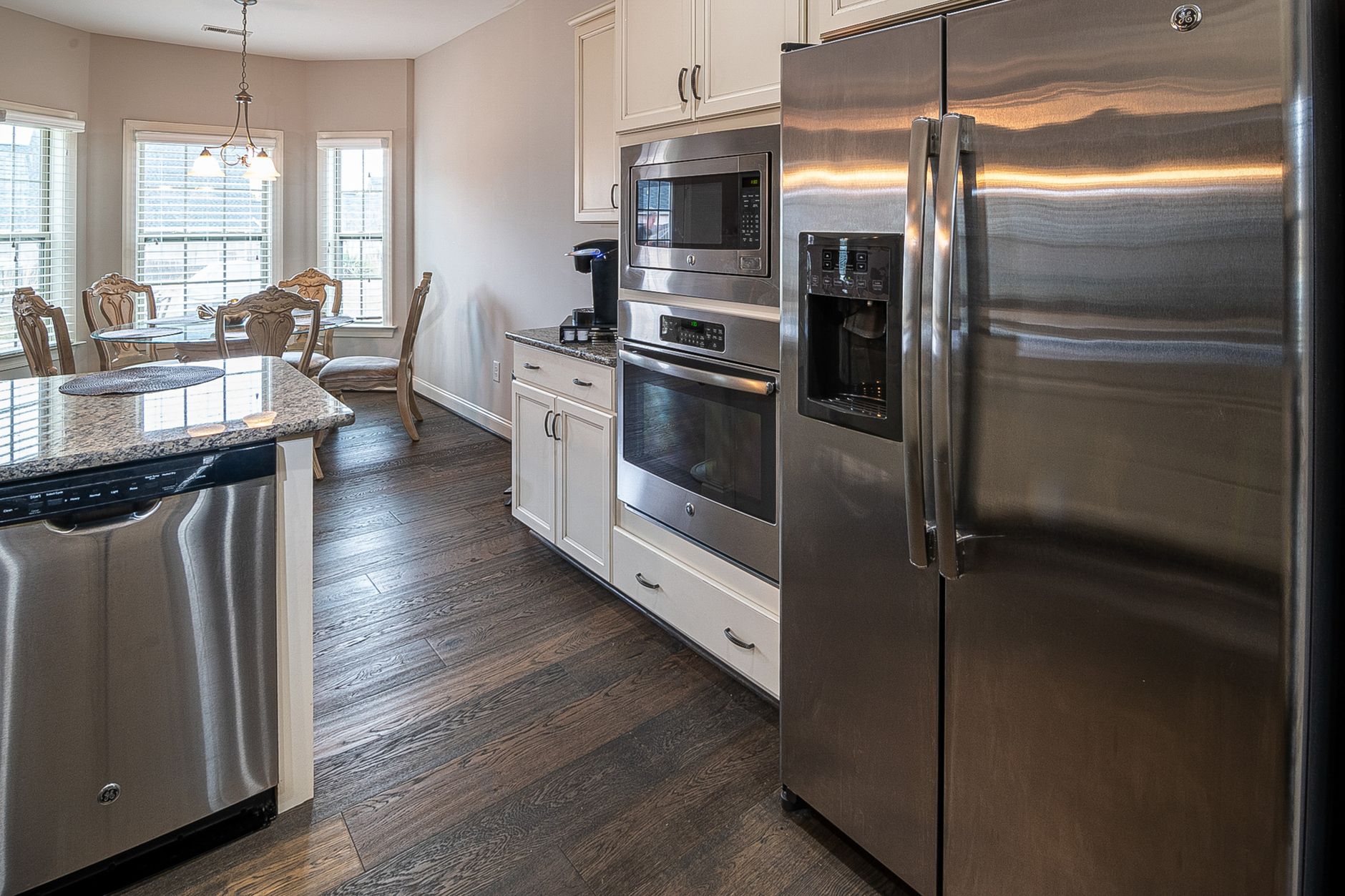
Home appliances account for approximately 20 to 30 percent of the average household’s total electricity consumption, making them the most significant area for potential cost savings. Lowering your monthly utility bills requires shifting your approach from reactive repairs to proactive management of appliance duty cycles and maintenance.
⚡ In a Rush? Key Takeaways
- Washing at 20°C instead of 40°C reduces energy consumption per cycle by 60%.
- A modern heat pump tumble dryer uses 70% less energy than a traditional vented model.
- Switching off standby modes for home electronics saves $80 to $200 annually.
- Routine maintenance like cleaning condenser coils extends appliance life by 5 years.
- ✅ Use an energy monitor to identify your home’s highest-draw appliances.
How Can You Optimise Your Laundry Efficiency?
Laundry efficiency relies on cold water cycles, high-speed spin settings, and choosing heat pump technology for drying your clothes.
Why Should You Switch to Cold Water Washing?
Heating water consumes nearly 90% of a washing machine’s total energy, making cold water washes the most effective way to lower costs.
The energy required to heat water is the single largest operating expense for a washing machine. By simply adjusting your dial to a 20°C or cold cycle, you eliminate the heating component of the load entirely.
Modern detergents are formulated to activate effectively at lower temperatures, meaning your clothes come out just as clean. This change costs nothing to implement but shows immediate results on your utility statement.
- Use cold water for lightly soiled everyday garments.
- Select the shortest cycle time appropriate for your load size.
- Avoid using ‘heavy duty’ modes for items that are only lightly used.
- Pre-treat specific stains to avoid running multiple warm cycles.
What Is the Benefit of Higher Spin Speeds?
High spin speeds remove more water before the cycle ends, which significantly reduces the energy required by your tumble dryer.
A washing machine that spins at 1,600 RPM leaves significantly less residual moisture in fabric than one spinning at 1,200 RPM. This reduces the mechanical drying time required for the next step of your laundry workflow.
Reducing your dryer’s run time by just 15 minutes per load saves substantial energy over an entire year. If you are looking for long-term savings, understanding your laundry equipment performance is essential.
How Does Kitchen Appliance Management Affect Costs?
Kitchen costs are minimised by avoiding standby power, keeping refrigerator coils clean, and using smaller appliances for smaller meals.
Is an Air Fryer Cheaper Than a Conventional Oven?
An air fryer is more cost-effective for single-portion meals, whereas an oven remains efficient for large, multi-batch family cooking.
The convenience of an air fryer often leads people to believe it is the answer to all cooking costs. While true for a single serving of vegetables, a large roast cooked in an air fryer may take longer and consume more energy than a pre-heated, well-insulated oven.
I recommend checking the energy requirements for your kitchen and cooking workflow to ensure you choose the right tool for the volume of food you are preparing.
| Appliance | Best Use Case | Energy Efficiency |
|---|---|---|
| Air Fryer | Small/Single Portions | High |
| Conventional Oven | Large Batch Cooking | Moderate |
| Microwave | Reheating/Liquids | Very High |
How Do You Prevent Refrigerator Energy Drain?
Refrigerator energy drain is stopped by cleaning condenser coils, checking door seals for leaks, and maintaining a consistent temperature.
Your refrigerator runs 24 hours a day, making even minor inefficiencies expensive over a long period. Dust-clogged condenser coils force the compressor to work harder and cycle more frequently.
Take ten minutes every few months to vacuum behind or underneath the unit. A well-maintained fridge can function 10 to 15 percent more efficiently than a neglected one.
Are Smart Investments Worth the Upfront Cost?
Smart investments like thermostats and energy monitors provide a clear return through precise scheduling and real-time consumption data.
Can Energy Monitors Actually Lower Bills?
Energy monitors identify specific appliance ‘vampire’ loads, allowing you to cut electricity waste by targeting the highest-drawing items.
You cannot manage what you do not measure. Installing a whole-home monitor or using individual smart plugs helps you visualise which devices contribute most to your monthly home running costs.
Once you see the data, you can set timers or automate power-down sequences. The initial cost of these devices is often recouped through reduced energy usage within the first year of operation.
Do Smart Thermostats Reduce HVAC Spending?
Smart thermostats reduce heating and cooling costs by 10% on average by adjusting temperatures based on occupancy and real-time demand.
- Lower heat by 3 degrees while sleeping or away from home.
- Use geofencing features to ensure HVAC is off when the house is empty.
- Review energy usage reports to adjust your cooling schedule monthly.
- Utilise room-specific sensors to prevent heating unused areas.
Frequently Asked Questions
-
Is Unplugging Appliances Actually Effective?
Unplugging appliances is effective for reducing standby power, which can account for up to 10% of a home’s total electricity usage.
-
Does Age Matter for Appliance Efficiency?
Age is a critical factor because newer models are built to meet significantly stricter energy standards than those manufactured before 2015.
-
Are Extended Warranties Worth the Price?
Extended warranties are generally not cost-effective; your money is better saved for eventual replacement or professional repair services.
Managing home appliances is a long-term commitment to efficiency. By focusing on how you use your devices daily, you can significantly reduce your household overhead without needing expensive new equipment. — Greta Michaud, Home Appliance Efficiency Researcher