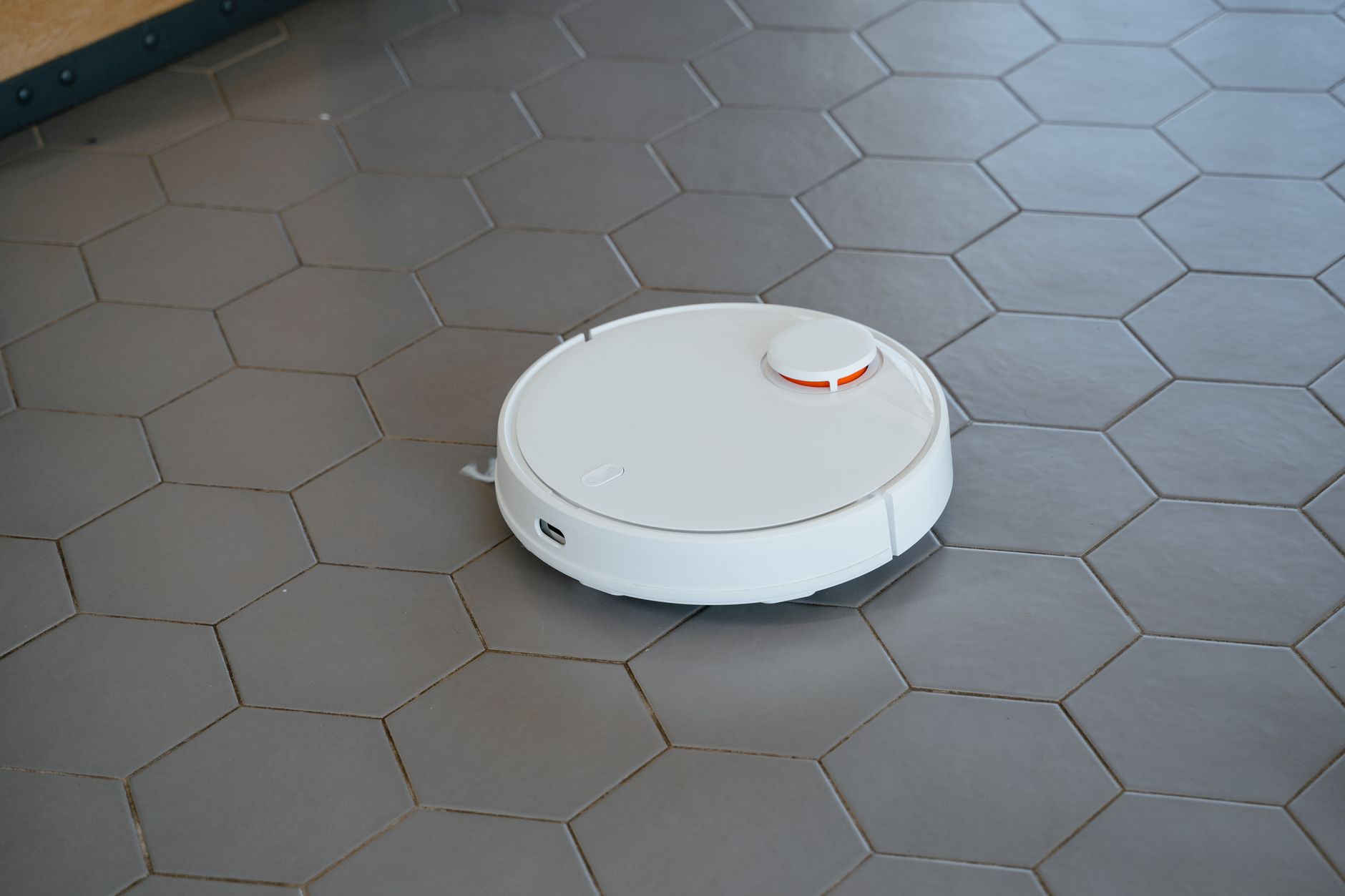
A robot vacuum is an automated floor cleaner that replaces manual sweeping with programmed navigation, though it rarely eliminates the need for a deep-clean vacuum entirely. Most households find they save 2–3 hours of chore time weekly, provided their floor plan is relatively open and uncluttered.
⚡ In a Rush? Key Takeaways
- Robot vacuums consume roughly 15-30W while charging, costing under $2 annually.
- High-end models with self-emptying bases reduce manual maintenance by 90% per month.
- Most units struggle with transitions over 0.5 inches and dense, high-pile carpeting.
- ✅ Verdict: Excellent for daily maintenance, but keep a standard vacuum for deep cleaning.
How Much Time Do Robot Vacuums Actually Save?
Expect to reclaim roughly 120 minutes of chore time each week, provided you maintain clear floor paths and clear basic household debris.
Can a robot replace your manual vacuum cleaner?
No, a robot cannot replace a manual vacuum because it lacks the suction depth required to pull dust from deep carpet fibres.
I have tested various automated cleaners, and while they excel at surface debris, they are not deep-cleaning tools. They are designed for maintenance, keeping daily dust and pet hair from accumulating before it settles into your carpets.
Think of them as a daily sweep rather than a seasonal deep clean. If you own a pet, the time saved is substantial, as these units manage shedding throughout the day.
- Reduces daily visible dust and hair.
- Maintains a cleaner aesthetic for longer.
- Cannot deep-clean rugs or stairs effectively.
- Requires a secondary vacuum for corners and upholstery.
How do you calculate the actual time ROI?
Measure your weekly cleaning time; if you spend over 3 hours manually sweeping floors, a robot will pay for itself within a year.
Most households spend significant time moving furniture or clearing obstacles. A robot vacuum’s efficiency is determined by how little prep work you have to do before letting it run.
If your home is minimalist, the return on investment is immediate. If your home has complex layouts, factor in the time spent manually untangling the robot from cables or rug tassels.
What Are the Hidden Costs of Robot Vacuum Ownership?
Beyond the purchase price, budget $30–$60 annually for side brushes, high-efficiency filters, and replacement extraction rollers.
How much energy does an automated vacuum consume?
Running a robot vacuum costs roughly $1.50 to $3.00 per year in electricity, making it one of the most efficient household machines.
The energy draw is minimal because these machines operate on small, efficient battery packs. Unlike a standard upright model that pulls 1,200W, a robot uses a fraction of that power during a 60-minute cycle.
When not in use, the charging dock remains in standby mode. This standby draw is often where the most energy is used, though it is still negligible compared to other home appliance energy footprints.
Are replacement parts and maintenance expensive?
Standard kits containing filters and brushes range from $25 to $50 annually depending on your specific model’s manufacturer pricing.
I recommend checking the availability of third-party parts before committing to a model. Proprietary parts for niche brands are often marked up significantly, impacting your long-term home maintenance budget.
| Item | Frequency | Estimated Cost |
|---|---|---|
| HEPA Filter | Every 2-3 months | $10-$15 |
| Side Brushes | Every 6 months | $8-$12 |
| Main Brushes | Every 12 months | $15-$20 |
Which Floor Types Cause Issues for Robot Vacuums?
High-pile rugs over 0.75 inches and thick shag carpets are common blockers that often trap or disable standard robot vacuum wheels.
How well do they handle transitions between rooms?
Most modern models successfully navigate thresholds up to 0.5 inches, but anything higher requires a manual ramp or physical barrier.
If your home features significant transitions between hardwood and carpet, look for models with larger wheel diameters. Small wheels often get stuck, leading to an error notification on your phone.
Many units now offer cleaning system software that allows you to define “no-go” zones. This prevents the robot from attempting to climb obstacles it cannot handle.
What should pet owners look for?
Prioritise models with rubberised, anti-tangle brush rolls to prevent long hair and fur from seizing the main extraction mechanism.
Models with basic bristle brushes require constant cleaning to remove wrapped hair. Investing in a unit specifically marketed for “pet hair” saves hours of manual maintenance over the lifespan of the machine.
Frequently Asked Questions
-
Do robot vacuums work on dark carpets?
Many models struggle with very dark carpets as their floor sensors interpret the colour as a cliff or drop-off, causing them to stop.
-
Can robot vacuums clean multiple floors?
Yes, but you must manually carry the unit and its dock to each floor or map each level separately within the companion mobile app.
-
Do they make loud noises while operating?
They average 60–70 decibels, which is quieter than a standard vacuum but still loud enough to interfere with phone calls or television.
Bottom Line
Robot vacuums are not a total replacement for manual cleaning, but they are a legitimate efficiency tool. If you value time over the occasional need to clear a stuck wheel, they belong in a modern home. For the best result, select a model based on your floor density and hair-shedding situation rather than the highest price tag.
— Greta Michaud, Home Appliance Efficiency Researcher