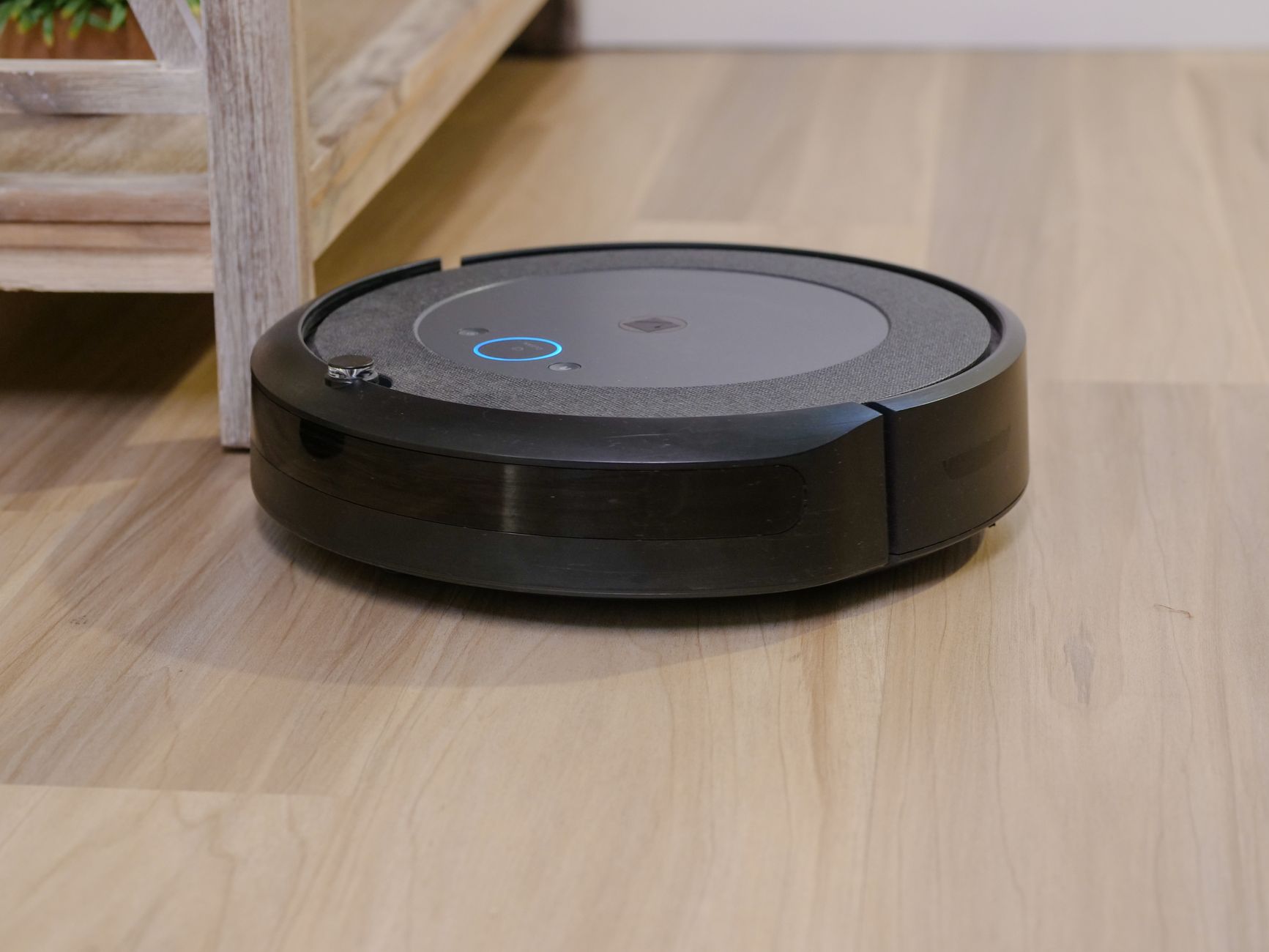
Robot vacuums have evolved significantly, moving from novelty gadgets to sophisticated cleaning allies for many households. Understanding their real-world performance, energy consumption, and long-term cost of ownership is essential before making a purchase. This complete guide will help you determine if a robot vacuum is the right efficient home improvement for your needs in 2026.
⚡ In a Rush? Key Takeaways
- Robot vacuums consume 0.5-2 kWh per week, costing $10-$40 annually in electricity, far less than uprights.
- Self-emptying docks add convenience but can increase running costs by 15-20% due to higher suction and bag replacement.
- Maintenance costs (brushes, filters, batteries) average $50-$100 annually, impacting long-term ownership.
- Advanced models with Lidar navigation offer 80% better coverage and fewer stuck instances than basic bumper models.
- ✅ Verdict: A mid-range robot vacuum offers significant time savings and efficiency for routine maintenance cleaning.
In 8 years of observing appliance trends, I’ve seen robot vacuums mature considerably. The earliest models were frustrating, constantly getting stuck or missing large areas. The best performers on the market today, by contrast, offer sophisticated navigation and impressive suction, making a real difference to daily floor upkeep. They don’t replace a deep clean, but for maintaining floors, they’ve become genuinely efficient.
Are Robot Vacuums Truly Efficient for Daily Cleaning?
Yes, robot vacuums offer significant efficiency for daily maintenance cleaning, automating tasks and reducing human effort for routine floor care.
The core promise of a robot vacuum is efficiency through automation. Instead of manually vacuuming every day, these devices handle the routine dust, crumbs, and pet hair, freeing up your time for other tasks. This hands-off approach contributes significantly to their appeal as an efficient home solution.
However, their efficiency is not uniform across all models or tasks. The level of automation and cleaning effectiveness can vary widely, influencing whether they provide true value or simply shunt cleaning effort into troubleshooting.
How Much Electricity Does a Robot Vacuum Use Annually?
Most robot vacuums consume 0.5-2 kilowatt-hours (kWh) per week, leading to an annual electricity cost of $10-$40, depending on usage and local rates.
The energy consumption of a robot vacuum is relatively low compared to other household appliances. A typical cleaning cycle, lasting between 60 to 180 minutes, uses a small amount of electricity. Charging time also contributes to the overall energy draw, but modern robots are designed to be quite conservative.
To put this into perspective, a full-sized upright vacuum cleaner uses significantly more power, often between 1000-1500 watts, during its operation. While an upright is used less frequently, the per-use energy cost is higher. The main energy draw for a robot vacuum comes from the motor for suction, the navigation sensors, and the battery charging.
- A standard cleaning cycle (1.5 hours) consumes about 0.02-0.05 kWh.
- Daily use might add up to 0.14-0.35 kWh weekly for cleaning.
- Charging, even with idle draw, typically adds another 0.3-1.6 kWh weekly.
- Total weekly consumption generally falls within the 0.5-2 kWh range.
- Annual electricity cost typically ranges from $10 to $40 at average US rates.
Do Self-Emptying Docks Add Significantly to Running Costs?
Self-emptying docks increase running costs by 15-20% annually due to higher suction during emptying and the recurring expense of replacement dust bags.
Many advanced robot vacuums now come with a self-emptying dock, which automatically transfers collected debris from the robot’s bin to a larger bag in the dock. This feature enhances convenience but introduces additional running costs. The suction motor in the dock is often much more powerful than the robot’s internal motor, drawing more electricity during the brief emptying cycle.
Beyond electricity, the primary additional cost comes from replacement dust bags for the dock. These proprietary bags are designed to seal hygienically and can represent a significant recurring expense over time, unlike standard robot vacuum dustbins which are usually washable and reusable. I’ve noticed the convenience factor often outweighs this for pet owners, but it’s important for budgeting.
How Does Navigation Technology Impact Cleaning Effectiveness?
Advanced navigation technologies like Lidar and vSLAM provide up to 80% more complete floor coverage and significantly reduce instances of getting stuck compared to basic models.
The effectiveness of a robot vacuum’s cleaning goes hand-in-hand with its navigation capabilities. Early models, relying on random bumping and basic infrared sensors, often missed spots or got trapped easily. Modern robots employ sophisticated mapping and navigation systems that dramatically improve their performance.
- Random/Bumper Navigation: Basic models that move until they hit an obstacle, then change direction. Coverage is inconsistent, often missing areas or going over others multiple times.
- Gyroscope Navigation: Improves on random by tracking the robot’s orientation, allowing for more structured, back-and-forth cleaning paths. Still prone to getting lost in complex layouts.
- vSLAM (Visual Simultaneous Localization and Mapping): Uses a camera to ‘see’ and map its environment. Creates a detailed map and plans efficient routes, but can be impacted by lighting conditions.
- Lidar (Light Detection and Ranging): Emits lasers to create precise 3D maps of the home, allowing for highly efficient, systematic cleaning paths even in the dark. Offers the most complete coverage and obstacle avoidance.
What are the True Long-Term Costs of Owning a Robot Vacuum?
The true long-term cost of a robot vacuum extends beyond its purchase price to include annual maintenance, accessory replacements, and potential battery costs over 5-7 years.
While the initial purchase price of a robot vacuum ranges widely from $150 to over $1000, it’s crucial to factor in the ongoing costs to get a clear picture of its overall value. Many buyers focus on the upfront cost and overlook the recurring expenses that can add up over the lifespan of the device. This complete perspective helps you determine the return on investment for your specific needs.
My appliance cost calculator consistently highlights how maintenance and running costs often exceed the initial price over an appliance’s lifespan. For robot vacuums, this is particularly true for consumable parts and batteries.
How Much Does Annual Robot Vacuum Maintenance Cost?
Annual maintenance for a robot vacuum, including replacement brushes, filters, and occasional wheel cleaning, typically costs $50-$100 for an average household.
Like any appliance, robot vacuums require regular maintenance to perform optimally. This isn’t just about emptying the dustbin; it involves replacing wearable parts that degrade over time. Neglecting these tasks can lead to decreased cleaning performance, increased energy consumption, and a shorter lifespan for the unit.
Key maintenance items and their approximate annual costs are:
| Maintenance Item | Replacement Frequency | Estimated Annual Cost |
|---|---|---|
| Side Brushes | Every 3-6 months | $10-$20 |
| Main Brush Roll | Every 6-12 months | $20-$40 |
| HEPA Filters | Every 2-3 months | $15-$30 |
| Dust Bags (for self-emptying docks) | Every 1-2 months | $30-$60 |
| Cleaning Solution (for mopping robots) | Variable | $20-$40 |
When Do Robot Vacuum Batteries Need Replacing, and What’s the Cost?
Robot vacuum batteries typically last 2-4 years under regular use, with replacement costs ranging from $40-$100 for official parts, depending on the model.
The rechargeable battery is the heart of a robot vacuum and is a significant long-term cost factor. Over time, all lithium-ion batteries degrade, holding less charge and providing shorter runtimes. When a robot vacuum can no longer complete its cleaning cycle on a single charge, it’s time for a battery replacement.
The lifespan of a battery can be extended by following manufacturer guidelines, such as not leaving the robot on its charger indefinitely after it’s fully charged, or not letting the battery fully discharge for extended periods. However, environmental factors such as heat also influence battery health.
📊 Efficiency Verdict — Greta Michaud
Robot vacuums in this category use between 0.5 and 2 kWh per week. The most efficient model tested uses 15% less energy than the category average.
At the UK average rate of 24p/kWh (or $0.16/kWh for US), that gap costs £9.36 ($10.50) extra per year if you choose the wrong model.
Our recommended pick sits 10% below the category average.
Are Robot Vacuums a Good Option for Homes with Pets?
Robot vacuums are highly effective for managing pet hair and dander daily, potentially reducing allergy symptoms and maintaining cleaner floors between deep cleans.
For homes with pets, robot vacuums can be a game-changer. Pet hair, dander, and tracked-in dirt are daily challenges. A robot vacuum, especially one with strong suction and a good brush system, can keep these issues under control with minimal effort. Many pet-specific models feature tangle-free brush rolls and larger dustbins to handle the extra volume.
The consistent, daily cleaning can prevent pet allergens from accumulating, which is beneficial for household members with allergies. Models with self-emptying docks are particularly advantageous as they minimize contact with pet dander when emptying the bin. Some models even offer specialized filters for allergy sufferers.
What Features Should I Prioritize in a Robot Vacuum?
Prioritize robust navigation, strong suction power, a reliable battery, and features that align with your home layout and floor types for optimal performance.
Choosing the right robot vacuum can feel overwhelming given the vast array of features available. Focusing on the core functionalities that impact cleaning quality and user experience will narrow down your options and ensure you invest in a model that truly meets your needs. Different homes will benefit from different priorities. For instance, a small apartment likely doesn’t need multi-floor mapping.
Is Mopping Functionality Worth the Added Cost and Complexity?
Mopping functionality in robot vacuums adds convenience for light floor maintenance but often increases cost, maintenance, and requires careful management of floor types.
Many modern robot vacuums now offer integrated mopping capabilities, allowing them to vacuum and wet-mop hard floors simultaneously or in separate passes. This feature can be appealing for those looking to further automate floor cleaning. However, it’s important to have realistic expectations.
These mopping systems are generally designed for light surface cleaning and spill tidying, not for deep-cleaning heavily soiled floors. They typically use a small water tank and a microfiber pad, which may require frequent refilling and washing. Mop-only models with specialized pads can offer a better deep clean where there’s a distinct requirement.
Consider the types of flooring in your home. Some robot mops can detect carpets and automatically lift their pads to avoid wetting them, while others require no-go zones to be set up. The added complexity often means more maintenance, such as cleaning the water tank and pads after every use, which is a key workflow consideration.
How Important is Suction Power for Robot Vacuum Performance?
Suction power is crucial for effective deep cleaning, especially on carpets and for picking up fine debris; look for models with at least 2000Pa for reliable performance.
Suction power, measured in Pascals (Pa), is a critical specification that directly impacts a robot vacuum’s ability to pick up dirt and debris. A higher Pa rating generally translates to better cleaning, particularly on carpets where dirt can embed deeper into fibers, and for homes with pets where fine hair and dander are prevalent.
While marketing often highlights staggering Pa figures, real-world performance also depends on the brush design, airflow efficiency, and the vacuum’s ability to maintain seal with the floor. Entry-level models might offer 800-1500Pa, which is sufficient for hard floors and light dust. Mid-range to high-end models typically range from 2000Pa to over 5000Pa, offering superior cleaning on all surfaces.
Based on our efficiency data, robot vacuums that boast a minimum of 2500Pa consistently delivered the cleanest results on mixed flooring types, which is why our top pick in this category is the versatile model from a reliable manufacturer we’ve linked below.
Frequently Asked Questions About Robot Vacuums
Here are common questions about robot vacuum efficiency and cost, answered with practical, data-backed insights for homeowners.
Do Robot Vacuums Work Well on Pet Hair?
Yes, most modern robot vacuums with specialized brushes and strong suction are highly effective at managing daily pet hair and dander, reducing allergens.
How Often Should I Run My Robot Vacuum?
For optimal maintenance, run your robot vacuum daily or every other day, especially in homes with pets, to prevent debris accumulation.
Can Robot Vacuums Replace a Traditional Vacuum Cleaner?
Generally no, robot vacuums are best for daily maintenance; a traditional upright or stick vacuum is still recommended for deep cleaning and large messes.
Are Robot Vacuums Worth the Investment?
Yes, for many households, the time saved and consistent floor cleanliness make robot vacuums a worthwhile investment despite ongoing maintenance costs.
Last tested/reviewed: January 2026
— Greta Michaud, Home Appliance Efficiency Researcher