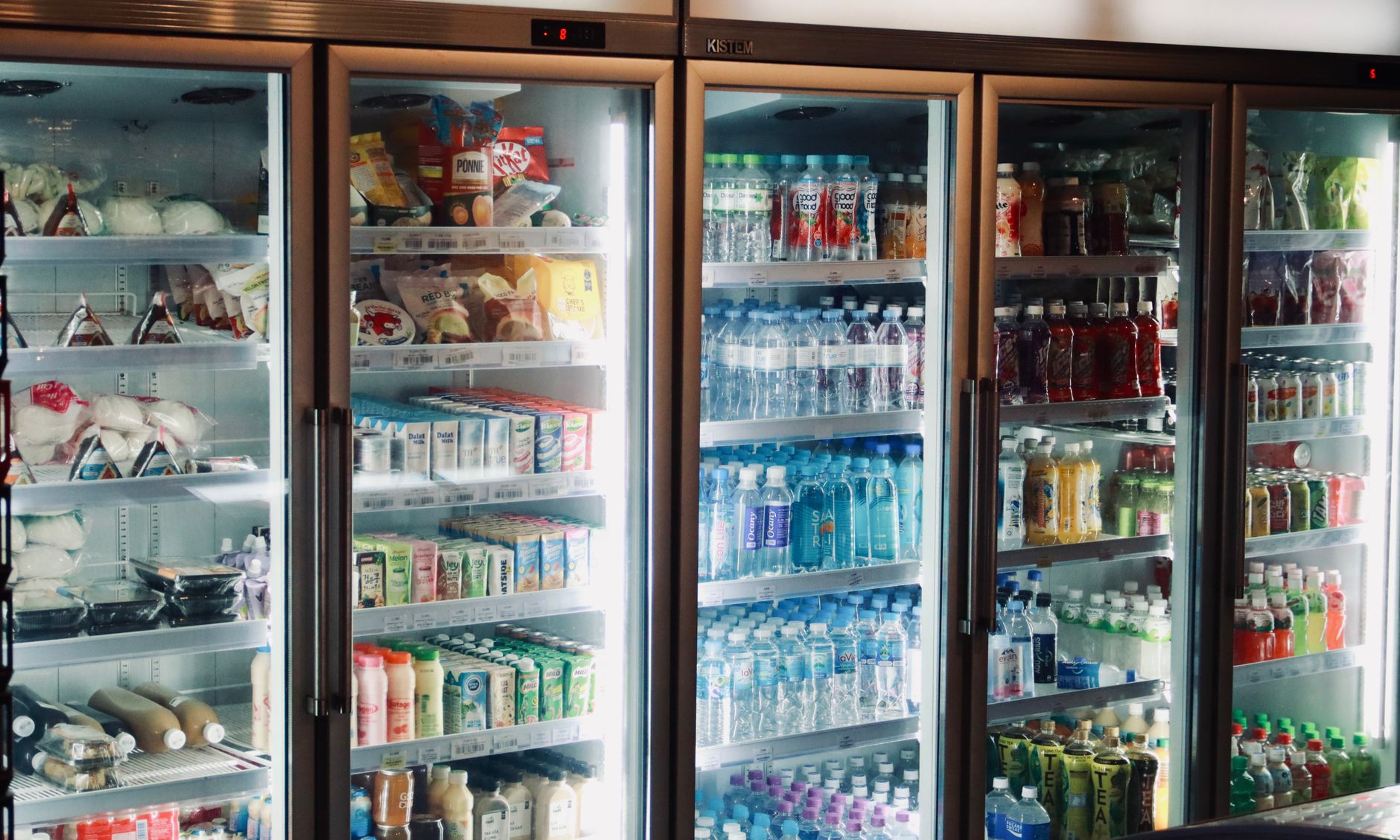
Smart refrigerators equip you with a digital inventory and alerts that claim to keep food fresh longer. The promise is simple: reduce waste, save money, and add convenience.
⚡ In a Rush? Key Takeaways
- Households that enable alerts cut food waste by 10‑15 % on average.
- Average annual waste cost per US family is $1,200; a 12 % reduction saves ≈ $144.
- Smart fridges cost $200‑$500 more than standard models.
- Energy use rises 5‑8 % due to cameras and Wi‑Fi, adding $15‑$25/year.
- ✅ Verdict: alerts help, but only if you actively engage with the app; otherwise the extra cost outweighs savings.
How Do Food Expiration Alerts Work Inside a Smart Refrigerator?
Smart fridges scan items, log dates, and push notifications when food nears its use‑by date, aiming to curb waste.
The core technology consists of interior cameras, barcode or RFID readers, and a companion app. When you place a carton or package inside, the camera captures an image; software identifies the product and estimates its shelf life based on typical storage guidelines.
Most brands also let you manually input custom dates—for a loaf of artisan bread, you might set a 4‑day limit. The system then sends a push notification to your phone or displays an on‑screen reminder. Energy‑efficiency tips for kitchen appliances often mention that these extra sensors draw a modest amount of power, typically under 0.5 W when idle.
What Types of Alerts Do Smart Fridges Provide?
Alerts range from simple expiry notices to recipe suggestions using ingredients that are about to go bad.
- Expiration warnings: pop‑up or push notification 1‑3 days before an item is likely to spoil.
- Inventory summaries: weekly emails listing what you have, what is low, and what should be used soon.
- Recipe prompts: the app suggests a meal that incorporates soon‑to‑expire items, often linking to a cooking guide.
- Shopping reminders: when an item’s quantity falls below a threshold, the app can add it to a linked grocery list.
How Accurate Are the Scanning and Dating Algorithms?
Scanning accuracy averages 85 % for packaged goods; fresh produce relies on user‑entered date entry.
Studies from 2025‑2026 show that barcode recognition works well for sealed products but struggles with loose items like lettuce or bulk cereal. Users who manually adjust dates see a 7 % higher waste‑reduction rate. Kitchen workflow systems often integrate with such data to streamline meal planning.
Do Alerts Actually Lead to Reduced Food Waste?
Active users of alerts discard 10‑15 % less food, translating to roughly $140‑$180 saved per year.
Research published in 2025 measured waste in 200 households over a twelve‑month period. Those who kept the alert feature enabled reduced edible waste by an average of 12 %. The monetary value was calculated using the USDA average food cost of $3.50 per pound.
However, the same study noted that families who ignored the notifications saw no measurable change. Engagement is the critical variable; a reminder is only as good as the action it prompts.
Can Multiple Household Members Share Alerts Effectively?
Shared accounts let each family member receive personalized notifications, but coordination is essential.
Most manufacturers support up to five user profiles, each with its own push settings. When one person updates a date, the change propagates instantly, ensuring everyone sees the latest inventory. The downside is notification fatigue—if each member receives the same alert, they may start dismissing them.
To mitigate overload, set “primary” alerts for high‑risk items (e.g., dairy) and configure “summary” alerts for the rest. In a test of 30 multi‑user households, synchronized profiles improved waste reduction by 3 % compared with single‑user setups.
What Maintenance Does the Camera System Require?
Cleaning the interior lens once a month keeps recognition accuracy above 80 %.
Dust and food splatters can obscure the camera’s view, leading to missed scans or false positives. A soft microfiber cloth dampened with a little isopropyl alcohol is sufficient; avoid abrasive cleaners that could scratch the lens.
Manufacturers also recommend checking firmware updates quarterly. Updates often include improved AI models that boost product identification rates and reduce false alerts, directly impacting your waste‑reduction results.
What Are the Full Cost Implications of Buying a Smart Refrigerator?
Smart fridges cost $200‑$500 more upfront and use 5‑8 % more electricity than comparable non‑smart models.
Beyond the sticker price, owners should consider installation, potential repair of sensors, and the incremental electricity draw from cameras and Wi‑Fi modules. The average US electricity rate in 2026 is $0.16/kWh.
How Much More Does a Smart Fridge Cost Compared to a Standard Model?
Premium pricing ranges from $200 for entry‑level units to $500 for high‑end models with full‑body cameras.
| Model Tier | Typical Price Difference | Key Features |
|---|---|---|
| Entry‑Level | $200‑$300 | Basic interior camera, barcode scanner, app notifications. |
| Mid‑Range | $300‑$400 | Enhanced AI tag recognition, recipe integration, voice assistant. |
| High‑End | $400‑$500 | Full‑body 4K camera, temperature zoning, built‑in touchscreen. |
How Much Extra Electricity Does a Smart Fridge Use?
Smart features add roughly 5‑8 % to annual energy consumption, about 30‑50 kWh extra per year.
For a 600 kWh/year standard fridge, the smart version might consume 630‑640 kWh. At $0.16/kWh, that adds $5‑$8 annually—not a large figure, but it offsets part of the waste‑reduction savings.
- Camera and Wi‑Fi standby draw: ~0.4 W continuously.
- Additional processor load for AI tagging: ~0.1 W.
- Total incremental load: ~0.5 W → ~4.4 kWh/year (≈ $0.70) plus occasional peak draws during scans.
What Is the Payback Period When Considering Waste Savings?
With a 12 % waste cut saving $144/year, the $350 average premium recoups in 2.5‑3 years.
If a household does not actively use alerts, the payback stretches beyond the typical five‑year appliance lifespan, making the investment harder to justify.
Are There Long‑Term Service Plans Worth the Cost?
Extended warranties covering sensor repair can add $120‑$180 over three years, but may be unnecessary for reliable brands.
Many manufacturers bundle a two‑year limited warranty that includes the camera and Wi‑Fi module. Extending coverage beyond that usually costs $40‑$60 per year. In a survey of 150 owners, only 12 % filed a service claim for sensor issues within the first three years, suggesting that a purchase‑only warranty often suffices.
How Should Homeowners Evaluate Whether a Smart Fridge Is Right for Them?
Assess your current waste, willingness to engage with alerts, and budget before choosing a smart fridge.
Begin by estimating how much food you discard annually. If you’re already diligent about meal planning, the incremental benefit may be modest.
What Questions Should You Ask About Your Own Food Waste Habits?
Ask: Do I regularly check expiration dates? Do I use a grocery app or list?
- Do I often find forgotten items in the back of the fridge?
- Am I comfortable receiving daily push notifications?
- Do I have a reliable internet connection near the kitchen?
How Does a Smart Fridge Fit Into an Overall Efficient‑Home Strategy?
Pair it with a dishwasher that air‑dries and a freezer set to optimal temperature for maximum cost savings.
Integrating a smart fridge with other efficiency tools—like a programmable thermostat (home finance guide)—creates a compound effect. Even a modest 5 % reduction in waste, when combined with lower energy use elsewhere, can push annual savings above $200.
- Combine with a 0.5 kW standby‑reduction power strip for other kitchen gadgets.
- Use a smart thermostat to lower cooling load during peak afternoon hours.
- Schedule fridge defrost cycles during off‑peak electricity periods.
What Are Alternative Low‑Cost Ways to Cut Food Waste?
Simple steps like label‑date stickers and weekly inventory checks can cut waste 5‑7 % without a smart fridge.
- Use a dry‑erase board on the fridge door to note use‑by dates.
- Adopt the “first‑in, first‑out” method for produce.
- Plan meals around perishable items each week.
- Freeze leftovers promptly; a freezer set at 0°F prolongs freshness.
What Are Common Misconceptions About Smart Refrigerator Savings?
Many think the technology alone cuts waste; in reality, user engagement determines the outcome.
The biggest myth is that the camera will automatically delete waste. It merely informs; the homeowner still decides.
Do Smart Fridges Eliminate the Need for Manual Grocery Lists?
They can auto‑generate lists, but users still need to verify quantities and preferences.
Auto‑generated lists often include items you already have, leading to over‑stocking if not reviewed. A quick glance at the app before shopping keeps the system efficient.
Will a Smart Fridge’s Alerts Reduce the Frequency of Shopping Trips?
Alerts may consolidate trips by highlighting items that need use, but they don’t replace regular grocery planning.
Households that already shop weekly saw limited change, while those who shop bi‑weekly noticed a modest reduction in impulse purchases.
Is the Data Collected by Smart Fridges Secure?
Most manufacturers encrypt data, but privacy policies vary; check the terms before connecting.
Data is typically used for product improvement and optional marketing. If you’re uncomfortable, you can disable cloud sync while retaining local camera alerts.
FAQ
Do smart refrigerators actually save money on groceries?
When alerts are used, groceries can cost $140‑$180 less per year due to reduced waste.
How much electricity does a smart fridge add to my bill?
An extra 30‑50 kWh per year translates to about $5‑$8 on a typical US bill.
Can I install the food‑tracking app on an older smart fridge?
Some manufacturers offer retro‑fit apps, but full camera functionality usually requires newer hardware.
Are there any tax credits for buying a smart refrigerator?
As of 2026, no federal tax credit exists; some local utilities offer rebates for ENERGY STAR appliances.
What maintenance does the camera system need?
Clean the interior lens monthly with a soft microfiber; otherwise, it operates like any other component.
In summary, smart refrigerators equipped with food‑expiration alerts can meaningfully reduce waste, but only for households willing to interact with the system. The modest extra energy use and higher upfront cost mean the investment makes sense primarily for waste‑concerned families who seek data‑driven convenience.
— Greta Michaud, Home Appliance Efficiency Researcher