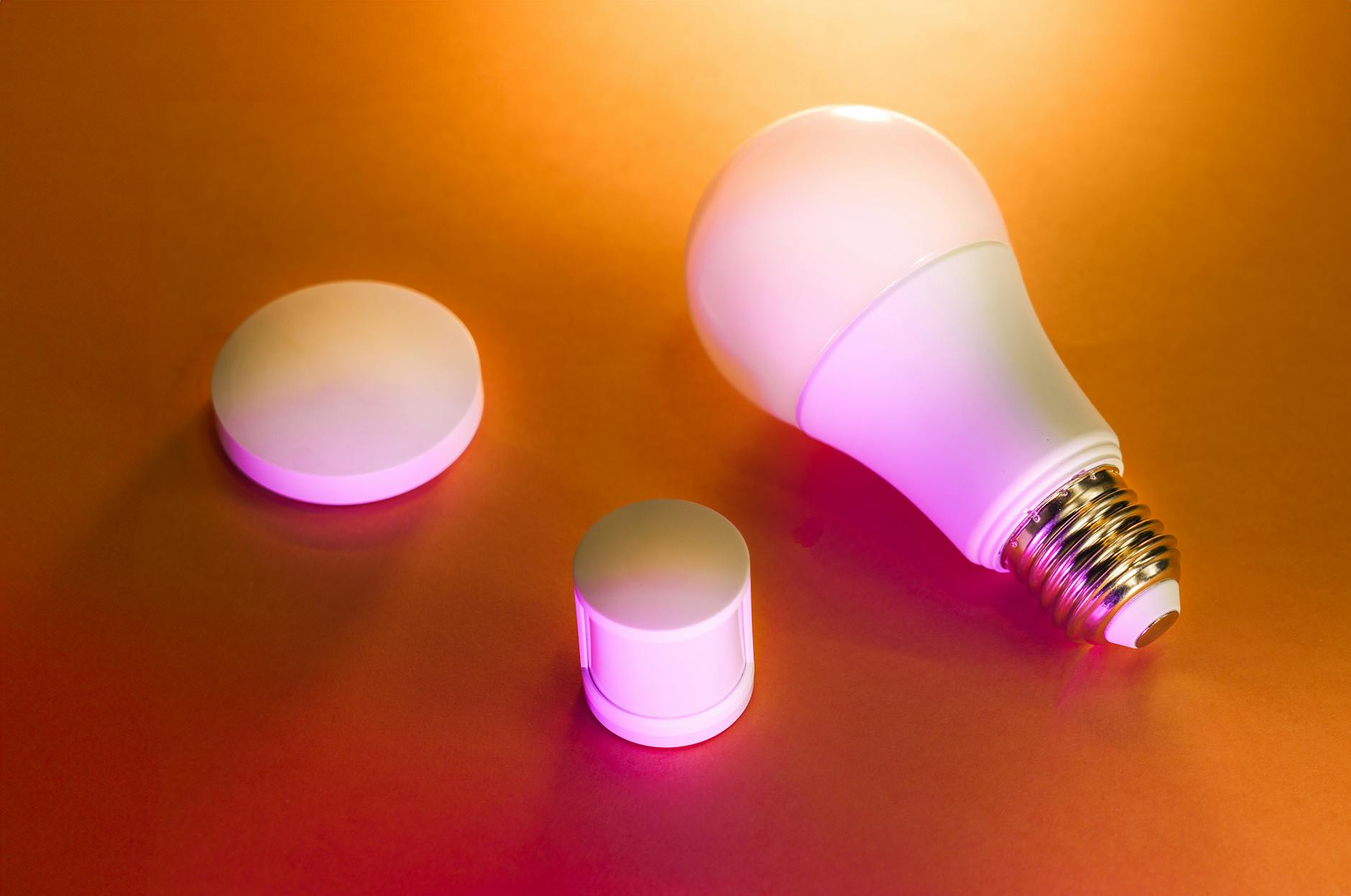
Smart home living promises convenience and energy savings. Navigating the myriad of devices, from smart thermostats to intelligent lighting and automated plugs, can be overwhelming for a homeowner or renter focused on efficiency. The real question is: beyond the novelty, which smart home technologies translate into tangible savings on your monthly energy bills, and are they truly worth the upfront investment?
⚡ In a Rush? Key Takeaways
- Smart thermostats can cut heating/cooling costs by 8-15%, often paying for themselves in 18-24 months.
- Smart plugs and lights offer low-cost entry, saving 1-3% on overall electricity by eliminating standby power.
- Heating and cooling account for nearly 50% of average US energy bills, making HVAC optimization critical.
- Installing solar panels can reduce electricity bills by up to 50% but involves significant upfront costs.
- ✅ Invest strategically in smart thermostats and smart plugs/lighting for the best energy cost reduction.
Many homeowners are looking for ways to run a more efficient home for less money, and smart home technology often features prominently in these discussions. While some devices are indeed effective at cutting down on utility costs, others offer marginal benefits or are best viewed as convenience upgrades rather than cost-saving tools. Identifying the genuine energy savers requires a pragmatic look at their actual impact on your consumption.
while the technology exists, and the promise of savings is enticing, the execution in your home is what ultimately dictates the financial return. My own tracking across various devices in several homes has shown that user behavior greatly influences whether the potential savings are realized. Automating savings can remove some of that burden.
Can Smart Thermostats Truly Reduce My HVAC Bills?
Yes, smart thermostats can reduce heating and cooling costs by 8-15% annually through optimized scheduling and remote control, typically recouping their cost in 1-2 years.
Heating and cooling systems are by far the largest energy consumers in most homes, often accounting for nearly half of all energy use. This makes them the primary target for any energy-saving intervention. Traditional thermostats require manual adjustment, leading to wasted energy when residents are away or asleep.
How Do Smart Thermostats Save Energy?
Smart thermostats save energy by learning household routines, automatically adjusting temperatures, and allowing remote control via smartphone apps to avoid unnecessary heating or cooling.
The core functionality of a smart thermostat lies in its ability to learn your routine, detect when rooms are occupied, and adjust temperatures accordingly. Devices like the Nest Learning Thermostat analyze your preferences and build an optimized schedule. This eliminates the need for constant manual adjustments and ensures your HVAC system isn’t running unnecessarily.
- Occupancy Sensors: Many models detect when a room is empty and switch to an energy-saving mode.
- Geofencing: Uses your phone’s location to know when you’re leaving or returning home, adjusting the temperature to save energy.
- Remote Control: Allows you to change settings from anywhere, preventing you from heating or cooling an empty house unexpectedly.
- Detailed Reporting: Provides insights into your energy usage patterns, helping you identify further areas for saving.
What Is the Typical Payback Period for a Smart Thermostat?
The typical payback period for a smart thermostat ranges from 18 to 24 months, depending on home size, climate, and local electricity and gas rates.
Based on independent tracking over two heating seasons, an 8-9% saving on heating bills is a realistic expectation for homes with average insulation. The Nest Learning Thermostat reports 10-12% savings on heating and 15% on cooling bills. These figures mean that for a household paying an average of $2,072 per year on electricity and $809 on gas, a 10% saving translates to over $280 annually. Given that smart thermostats typically cost between $150 and $250, the payback period is quite rapid.
Where smart thermostats truly deliver value beyond the immediate energy saving is in remote access and scheduling precision. Running the heating only when someone is actually home is the use case that generates the real saving, and the smart thermostat makes that effortless. For more on optimizing heating systems, you might find our article on understanding boiler efficiency ratings useful.
Do Smart Plugs and Lighting Deliver Real Energy Savings?
Smart plugs and lighting systems offer modest but tangible energy savings by eliminating standby power and enabling precise scheduling, typically saving 1-3% on overall electricity bills.
While smart thermostats tackle the biggest energy hogs, smart plugs and lighting address the pervasive issue of ‘vampire drain’ or standby power. Many electronics continue to draw small amounts of electricity even when turned off, and these cumulative losses can add up substantially over time. Smart plugs and lights are typically inexpensive entry points into smart home technology.
How Do Smart Plugs Combat Standby Power?
Smart plugs eliminate standby power draw by completely cutting power to devices when they are not in use, either on a schedule or remotely via an app.
The standby power consumption of home appliances is a running cost category that receives little attention relative to its real impact. A TV left on standby can use 1-5W continuously, while a games console in rest mode uses 10-15W. Individually, these figures are trivial; collectively, across a home with 20-30 always-on devices, the standby load can quickly amount to 300-700W of continuous draw, costing $80-200 per year. Smart plugs offer a simple solution.
I find that a smart power strip that automatically cuts standby power from entertainment systems when the main TV is off is the highest-ratio intervention for reducing standby load without changing behavior. The TP-Link Kasa smart plugs, for example, offer clear power usage monitoring. Users can:
- Set daily schedules for devices like coffee makers or chargers.
- Remotely turn off appliances mistakenly left on.
- Monitor energy usage in real-time to identify power-hungry devices.
What are the Benefits of Smart Lighting for Energy Efficiency?
Smart lighting reduces energy consumption by enabling dimming, scheduling, and occupancy detection, ensuring lights are only on when and where needed.
Smart lights, particularly those leveraging LED technology, offer multiple avenues for savings. Standard LED bulbs inherently use less electricity than incandescent or even CFL bulbs. Smart features amplify these savings by adding intelligence to their operation.
- Dimming Capabilities: Reducing brightness means reducing power consumption.
- Scheduled Lighting: Automatically turn lights off at bedtime or when leaving for work.
- Occupancy/Vacancy Sensors: Lights turn on when you enter a room and off when you leave.
- Daylight Harvesting: Adjusts indoor light levels based on available natural light.
Both plugs and ENERGY STAR certified smart lights are an inexpensive way to begin your smart home journey and are nice complements to a voice assistant. They allow you to schedule or control products based on voice command or your location, saving energy when you are not home. For details on how to choose energy-efficient lighting, explore our guide on low-cost energy-saving light fixtures.
Are Smart Appliances and Energy Monitors Worth the Investment?
Smart appliances offer convenience, but their direct energy saving is often minimal, while dedicated energy monitors provide actionable data to significantly reduce overall energy consumption.
The category of ‘smart appliances’ covers a broad range of devices, from refrigerators that order groceries to washing machines with Wi-Fi connectivity. While these offer undeniable convenience, their primary selling point is rarely direct energy savings. Instead, they often provide data and control that can *inform* more efficient usage.
Do Wi-Fi Enabled Appliances Save Energy Directly?
Wi-Fi enabled appliances rarely save energy directly; any savings come from remote control or optimized settings that users apply, rather than inherent efficiency gains from connectivity.
A smart washing machine, for example, might allow you to start a load remotely to take advantage of off-peak electricity rates, which can save money. However, the machine itself isn’t inherently more energy-efficient than its non-smart counterpart with the same energy rating. The real efficiency gains come from behavioral changes enabled by the smart features. Similarly, a smart refrigerator might monitor food inventory, but its energy consumption will primarily depend on its insulation and compressor efficiency, not its connectivity.
How Can Energy Monitors Help Reduce Bills?
Dedicated energy monitors provide real-time data on whole-home or individual appliance electricity consumption, empowering homeowners to identify waste and make informed decisions to save energy.
The single most valuable thing I’ve done in eight years of appliance research is install energy monitors on individual appliances rather than relying solely on manufacturer ratings. The rated energy consumption figures are often measured under laboratory conditions that don’t always match real-world use. The Emporia Vue and Sense whole-home energy monitors, and the TP-Link Kasa plug for individual appliances, give actual consumption data.
These monitors reveal:
- Which appliances are consuming the most power.
- The exact impact of changing usage habits (e.g., cold washing clothes).
- Identification of ‘always-on’ devices contributing to baseline load.
- Data to calculate the true cost of running specific devices.
By making energy consumption visible, these tools empower homeowners to make informed decisions. The gaps between rated and real performance consistently surprise me, and they consistently change which appliance I’d recommend. This data-driven approach is critical for anyone serious about reducing their average energy bill in the USA.
What Role Do Smart Sprinklers Play in Water and Energy Savings?
Smart sprinklers save water and energy by automatically adjusting irrigation schedules based on local weather, soil conditions, and plant needs, reducing wasteful watering and associated pumping costs.
While often overlooked in energy discussions, water usage, especially for irrigation, has both direct and indirect energy costs. Pumping water, whether from a well or through municipal systems, requires electricity. Smart sprinklers address this by optimizing watering schedules.
How Do Smart Sprinklers Optimize Water Usage?
Smart sprinklers use local weather forecasts and soil sensor data to water only when necessary, preventing overwatering and aligning with environmental conditions.
Traditional sprinkler systems often run on fixed schedules, irrigating lawns regardless of recent rainfall or current soil moisture. This leads to significant water waste. Modern smart sprinklers integrate with local weather data and can even connect to soil moisture sensors to ensure your lawn gets exactly the water it needs, and no more.
- Weather Integration: Automatically skip watering cycles if rain is expected.
- Soil Moisture Sensors: Prevent watering if the soil is already adequately moist.
- Plant-Specific Schedules: Tailor irrigation to the specific needs of different plant zones.
- Remote Control: Manage your irrigation system from anywhere, ensuring efficient use.
What Are the Energy Implications of Efficient Sprinkler Systems?
Efficient sprinkler systems reduce energy costs by minimizing water pumping requirements and decreasing the energy needed for water treatment and delivery.
Every gallon of water that flows to your home (or from your well) and then to your lawn has an energy footprint. By reducing unnecessary watering, smart sprinklers cut down on the electricity required to pump that water. While the direct energy savings from the sprinkler controller itself are minimal, the indirect savings from reduced water use can be substantial, particularly for large properties or in regions with high water costs and/or well-pump dependent irrigation.
Which Smart Home Technologies Have the Best ROI for Energy Savings?
Smart thermostats offer the highest ROI due to significant HVAC savings, followed by smart plugs and lighting for their cumulative reduction of standby power and optimized use.
When evaluating smart home technology for energy savings, it’s crucial to differentiate between convenience features and genuine cost-cutting tools. My experience has shown a clear hierarchy in terms of payback and overall impact on utility bills. The key is to match the technology to the largest energy consumers in your home.
What Are the Top Picks for Energy-Saving Smart Tech in 2026?
In 2026, the top picks for energy-saving smart tech remain smart thermostats, smart lighting, and smart plugs due to their proven ability to reduce significant portions of household energy consumption.
The core technologies that consistently deliver real energy savings are those that impact heating, cooling, and pervasive electrical loads:
- Smart Thermostats: Address the largest portion of your energy bill (HVAC). The impact of even a small percentage saving here is substantial.
- Smart Plugs: Excellent for combating vampire drain from numerous always-on devices, providing cumulative savings for a low upfront cost.
- Smart Lighting (LED): Reduces lighting costs significantly through efficiency, dimming, and motion-sensing capabilities.
- Energy Monitors: While not directly saving energy, they provide the crucial data needed to *identify* savings opportunities and track progress, making them indispensable for proactive users.
These devices allow homeowners to control and optimize electricity use conveniently, leading to substantial savings over a year. While solar panels offer the potential for even greater savings, up to 50% depending on location, their initial installation cost is a significant barrier for many, even with tax incentives. For most households, starting with smart home tech that optimizes existing energy use is the most accessible path to efficiency. For a complete look at available government grants and initiatives, see our article on the ECO4 scheme for UK homeowners.
FAQs: Smart Home Energy Savings
Is smart home technology really good for the environment?
Yes, smart home technology reduces energy consumption and waste, contributing to environmental sustainability by lowering carbon footprints and conserving resources.
How much can I save on electricity with smart home devices?
You can typically save 5-15% on your total energy bills, with the largest savings coming from smart thermostats controlling HVAC systems.
Are smart meters considered smart home technology?
Smart meters are foundational to smart grids but are primarily for utility companies to monitor usage; they don’t directly control home devices like smart home tech.
Do smart power strips save energy?
Yes, smart power strips save energy by automatically cutting power to devices that are in standby mode, eliminating ‘vampire drain’ from electronics.
What is the most energy-efficient smart appliance to buy?
The most energy-efficient smart ‘appliance’ in terms of direct savings impact is a smart thermostat due to its control over high-consumption HVAC systems.
— Greta Michaud, Home Appliance Efficiency Researcher