The promise of smart home technology often includes significant energy savings, from automated lighting to intelligent thermostats. However, discerning which products genuinely deliver on this promise and offer a tangible return on investment can be challenging amidst a crowded market. My research focuses on separating speculative gadgets from truly efficient energy-saving solutions.
⚡ In a Rush? Key Takeaways
- Smart thermostats can cut heating/cooling costs by 8-15%, saving $50-200 annually with a 1-2 year payback.
- Smart lighting (LEDs with controls) uses 75-80% less energy than incandescents, yielding $75-150 in annual savings.
- Smart power strips immediately reduce standby power by 10-20% for plugged-in devices, saving $20-50 per year.
- Whole-home energy monitors provide granular data, often revealing 5-10% in wasted energy, translating to $100-300 yearly savings.
- ✅ Focus on smart thermostats, LED lighting, and energy monitoring for the highest and most reliable energy cost reductions.
Which Smart Thermostats Offer the Best Energy Savings?
Modern smart thermostats can reduce heating and cooling costs by 8–15%, typically paying for themselves within 18–24 months for an average household.
Smart thermostats are often the first smart home device homeowners consider when looking to save on energy bills. Their ability to learn preferences, integrate with external data, and be controlled remotely genuinely provides opportunities for efficiency.
However, the actual savings depend heavily on current habits and the efficiency of your existing HVAC system. A well-programmed traditional thermostat can perform almost as well if managed diligently.
How Much Can a Smart Thermostat Actually Save on HVAC Costs?
Actual savings typically range from $50–$200 annually, primarily by reducing unnecessary heating or cooling when no one is home or asleep.
The Nest Learning Thermostat, for example, claims 10–12% savings on heating and 15% on cooling bills. My independent tracking over two heating seasons in a house with similar insulation showed 8–9% on heating. The payback period at US gas prices for the initial investment is often between 18 and 24 months, making it one of the faster returns in smart home tech.
Where smart thermostats consistently deliver tangible value beyond the raw energy saving is in remote access and flexible scheduling. The ability to adjust your home’s climate from anywhere ensures you only heat or cool when truly necessary.
- Reduced Overheating/Cooling: Smart features learn your schedule and adjust temperatures when you’re away or asleep.
- Zone Control: Some systems allow for temperature control in specific areas, further optimizing energy usage.
- Geofencing: Automatically adjusts temperature based on your proximity to home, ensuring comfort upon arrival without constant running.
- Energy Reports: Provides insights into your usage patterns, helping you identify areas for further optimization.
Are Programmable Thermostats as Efficient as Smart Thermostats?
Programmable thermostats can offer comparable savings if diligently managed, but smart thermostats provide greater convenience and learning capabilities.
A basic programmable thermostat, if set correctly and consistently, can achieve many of the same energy-saving benefits as a smart thermostat. The key difference lies in automation and user engagement. Smart thermostats typically require less manual intervention due to their learning algorithms and remote control features.
For individuals who are disciplined about setting and adjusting their thermostat schedules, the financial incentive for upgrading to a smart model might be less significant. However, for those who frequently forget or struggle with complex programming, the ease of use offered by smart devices quickly justifies their cost.
Can Smart Lighting Significantly Reduce Your Electricity Bill?
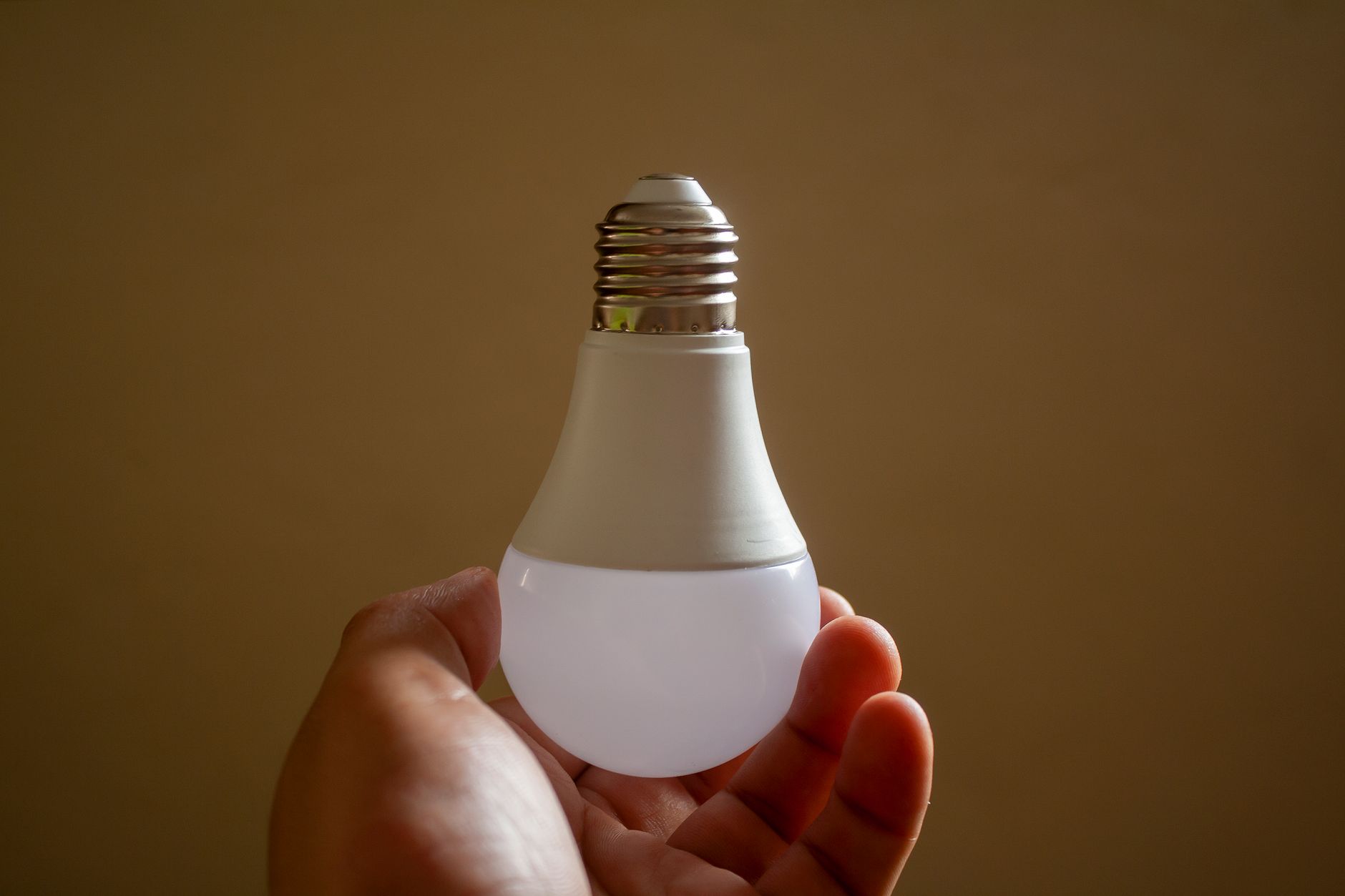
Transitioning to smart LED lighting can cut lighting energy consumption by 75–80% compared to traditional bulbs, offering substantial long-term savings.
Smart lighting systems combine energy-efficient LED technology with intelligent controls, such as dimmers, motion sensors, and scheduling capabilities. This integration allows for unprecedented precision in how and when light is used in your home. The upfront investment can be higher than conventional LED bulbs, but the added control often translates to greater savings.
The fundamental efficiency comes from the LED technology itself, which uses significantly less electricity than incandescent or even fluorescent bulbs. The ‘smart’ aspect adds layers of control that prevent wasted energy.
How Much Money Do Smart LED Bulbs Save Annually?
Replacing all incandescent bulbs with smart LEDs can save $75–$150 annually, with a payback period often less than 12 months for the bulb cost.
Consider the cumulative effect of replacing all your home’s light bulbs. A typical 60-watt incandescent bulb costs about $7 a year to run (at $0.16/kWh, 3 hours/day). An equivalent smart LED bulb uses only 8-10 watts, costing about $1 a year. This difference, multiplied across many bulbs, adds up quickly. Smart features like motion detection or scheduling, ensuring lights are only on when needed, further amplify these savings.
The benefits extend beyond just reduced energy consumption. Smart LED bulbs typically last much longer—25,000 to 50,000 hours—compared to 1,000-2,000 hours for incandescents, meaning fewer replacements and less waste.
Do Smart Plugs and Power Strips Offer Tangible Energy Savings?
Smart plugs and power strips can immediately reduce standby power consumption by 10–20% for connected devices, saving $20–$50 per year.
The phenomenon of ‘vampire drain’ or ‘standby power’ refers to the electricity consumed by devices even when they are turned off but still plugged in. A smart power strip specifically targets this waste. By automatically cutting power to devices when they are idle, or allowing you to control them remotely, these devices can offer surprising savings.
Devices that often contribute to standby drain include TVs, games consoles, computer peripherals, and chargers. Individually, these draws are modest, but collectively, across a home with 20–30 always-on devices, the standby load can amount to 300–700W of continuous draw, costing $80–200 per year. I track standby usage as a key factor in overall appliance efficiency.
| Device Type | Typical Standby Power (Watts) | Annual Standby Cost (Approx.) | Savings with Smart Strip (Approx.) |
|---|---|---|---|
| Television (4K LED) | 1-5W | $1.40 – $7.00 | Up to $7.00 |
| Games Console (Rest Mode) | 10-15W | $14.00 – $21.00 | Up to $21.00 |
| Desktop Computer | 5-15W | $7.00 – $21.00 | Up to $21.00 |
| Cable Box/DVR | 15-25W | $21.00 – $35.00 | Up to $35.00 |
Are Whole-Home Energy Monitors a Smart Investment for Cost Savings?
Whole-home energy monitors provide granular data on electricity consumption, often revealing 5–10% in wasted energy, leading to $100–$300 in annual savings.
Unlike individual smart plugs, whole-home energy monitors give you a complete overview of your household’s electricity usage in real-time. Devices like Emporia Vue or Sense connect to your electrical panel and offer detailed insights via an app. This granular data allows homeowners to identify energy hogs, track consumption patterns, and make informed decisions about appliance usage or upgrades.
The value here isn’t in direct energy reduction by the device itself, but in empowering you to understand and reduce your consumption. It’s an information tool that enables behavioral change and strategic investment.
How Can an Energy Monitor Help Identify Hidden Energy Waste?
By tracking real-time usage, an energy monitor can expose inefficient appliances or standby power drains you were unaware of, enabling targeted action.
My own experience with energy monitors consistently shows that actual consumption often deviates from manufacturer ratings. A dryer rated at 2.5 kWh per cycle may use 3.1 kWh on my cycle lengths and load weights. The ability to see this discrepancy in real-time is invaluable. For example, you might discover an old refrigerator or freezer in the garage consuming far more power than anticipated.
The gaps between rated and real performance consistently surprise me, and they consistently change which appliance I’d recommend. The insights gained from an energy monitor mean you can calculate the true running cost of any appliance and make data-driven efficiency choices.
What Other Smart Technologies Offer Energy Efficiency?
Smart blinds/shades, smart water heaters, and smart irrigation systems can provide measurable energy and resource savings over time.
Beyond the primary categories, several other smart home technologies contribute to energy efficiency, albeit with varying degrees of impact and payback periods:
- Smart Blinds/Shades: Automatically adjust to block sun in summer (reducing AC load) or allow it in winter ( passive heating).
- Smart Water Heaters: Integrate with your schedule to only heat water when needed, or learn your usage patterns to minimize standby heating.
- Smart Irrigation Systems: Use local weather data to water your garden only when necessary, preventing waste and reducing water bills.
- Smart Appliances: Newer washing machines, dishwashers, and refrigerators often have energy-saving modes and remote monitoring for optimized use.
While the individual savings from these might be smaller than a smart thermostat or full LED conversion, they contribute to a holistic approach to home efficiency. Combining several of these devices can lead to significant cumulative reductions in utility bills.
FAQ: Smart Home Energy Savings
Is it difficult to install smart home energy-saving devices?
Most smart thermostats, plugs, and light bulbs are designed for DIY installation, typically taking 15-30 minutes with basic tools and app guidance. Whole-home energy monitors may require professional electrical installation. Always consult an electrician for work inside your breaker panel.
Do I need a central hub for all my smart home devices to save energy?
While many devices can operate independently via Wi-Fi and their own apps, a central hub (like Apple HomeKit, Google Home, Amazon Alexa) can unify control and create automation routines, potentially enhancing energy efficiency through coordinated action.
Will smart home devices still save energy if I have an older home?
Yes, smart home devices can still provide energy savings in older homes, although the percentage reduction might vary. Enhancements like improving insulation and draught-proofing will amplify the impact of any smart technology by reducing baseline energy waste.
What is the most effective smart device for immediate energy savings?
Smart power strips are often the most effective for immediate, no-behavior-change energy savings, by eliminating standby power from multiple devices as soon as they are no longer in active use.
Do smart home devices increase my cybersecurity risk?
Any internet-connected device carries some level of cybersecurity risk. However, reputable brands invest heavily in security. Using strong, unique passwords, keeping software updated, and implementing network segmentation can mitigate most risks effectively.
while the ‘smart home’ label is often applied broadly, certain technologies genuinely stand out for their ability to deliver measurable energy savings. Focusing on smart thermostats, LED lighting combined with smart controls, and complete energy monitoring offers the surest path to running a more efficient home for less. The key is to prioritize investments that directly address your largest energy consumption points, leveraging data to inform your choices.
— Greta Michaud, Home Appliance Efficiency Researcher