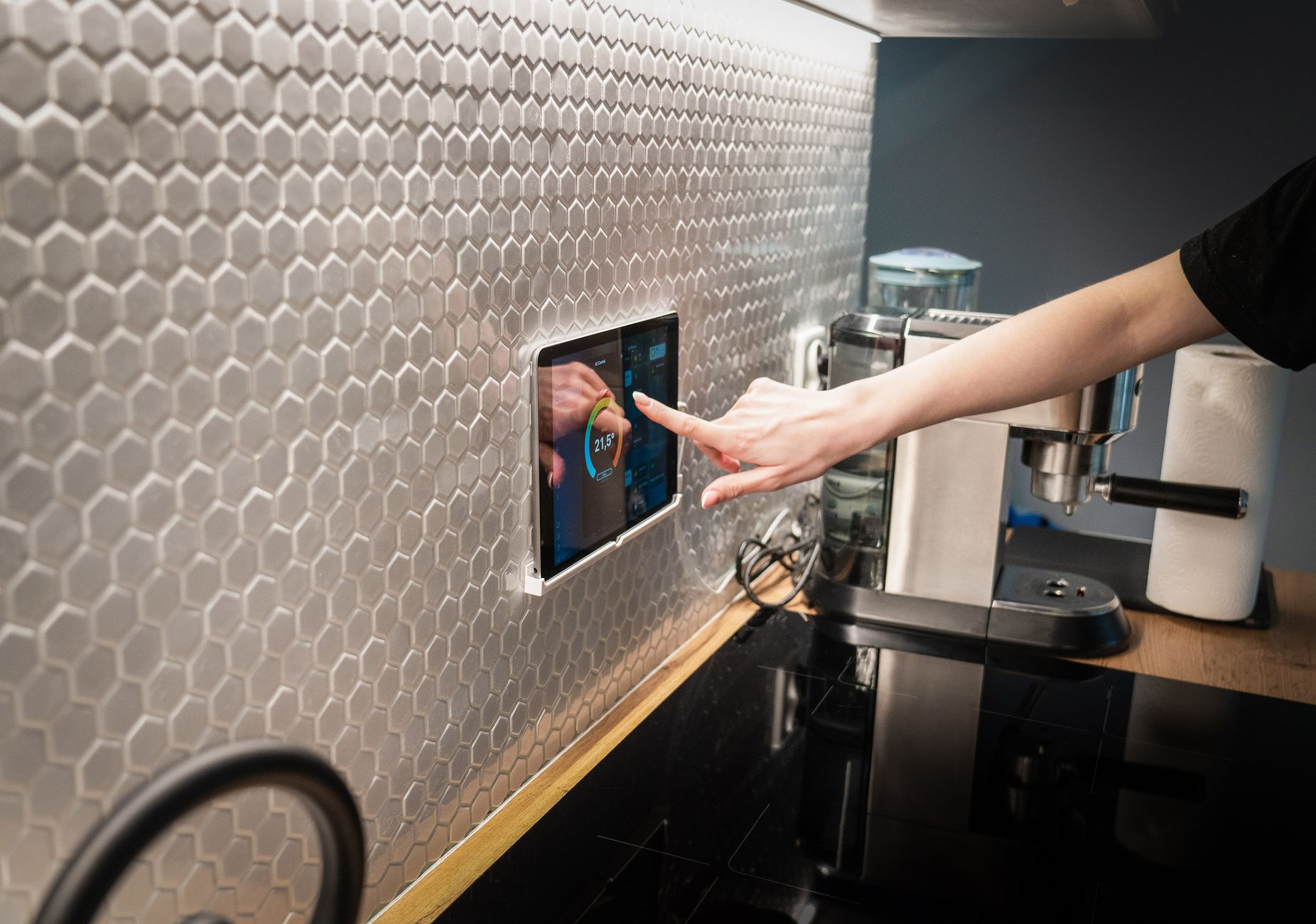
Integrating smart technology into your kitchen promises convenience and efficiency, yet many homeowners and renters hesitate due to perceived complexity and unclear financial benefits. This guide breaks down the essential aspects of getting started with smart kitchen features in 2026, offering practical setup advice and a transparent look at the associated costs and potential savings.
⚡ In a Rush? Key Takeaways
- Start with a central hub like a smart display ($150-$300) to consolidate control and avoid app clutter.
- Smart small appliances can save 5-10% in energy compared to traditional models due to precise controls and scheduling.
- Connectivity costs are minimal, with most reliance on existing home Wi-Fi and free manufacturer apps.
- Integrated smart ovens offer minor efficiency gains, typically 2-5% less energy due to preheating optimisation.
- ✔ The best smart additions offer tangible workflow improvements or running cost reductions, not just novelty.
What are the Fundamental Smart Kitchen Features Worth Considering?
Focus on features that offer tangible time-saving, efficiency, or cost reduction benefits, rather than chasing every new connected gadget.
When approaching smart kitchen technology, it’s easy to get lost in the sheer volume of products available. To establish a truly efficient home, my advice is to filter for utility and proven benefits rather than novelty. The most practical smart kitchen features often revolve around central command, precise cooking, and resource management.
How Can a Smart Kitchen Hub Streamline Daily Tasks?
A smart display (e.g., Echo Show, Google Nest Hub) acts as a central control point ($150-$300) for devices, recipes, and timers.
A smart kitchen hub, typically a smart display with a voice assistant, serves as the brain of your connected kitchen. It centralizes control for smart lights, appliances, and even security cameras. This reduces the need to switch between multiple apps on your phone. Beyond device control, these hubs offer integrated recipe guides, step-by-step cooking instructions, and multiple timers, which are invaluable for busy households.
- Voice control for hands-free operation.
- Centralized management of compatible smart devices.
- Access to millions of recipes and cooking tutorials.
- Visual timers and calendars for meal planning.
- Entertainment options like music or video while cooking.
What Smart Appliances Offer Genuine Efficiency or Convenience Benefits?
Look for appliances with precise temperature control, remote monitoring, or scheduling, as these offer the clearest value propositions.
Not all smart appliances are created equal. My research in appliance intelligence continually highlights that true value comes from features that directly impact your workflow or running costs, rather than just basic connectivity. Smart ovens, refrigerators, and smaller countertop appliances now offer capabilities that can genuinely enhance your kitchen operations.
For instance, smart ovens often include temperature probes that communicate with your phone, ensuring food is cooked to perfection without constant manual checks. Some can even preheat based on your commute, so dinner is ready when you walk in the door. While such features don’t drastically cut electricity costs compared to a standard oven, the convenience and reduction in wasted food from overcooking can be significant.
Similarly, smart refrigerators with internal cameras allow you to check inventory from the store, reducing duplicate purchases. While the running cost of a refrigerator is primarily driven by its energy rating, these smart additions help reduce food waste, which is a hidden cost for many households.
| Smart Appliance Category | Typical Cost Range (2026) | Primary Benefit |
|---|---|---|
| Smart Ovens/Ranges | $1,200 – $4,000+ | Remote control, precise cooking, pre-programmed recipes |
| Smart Refrigerators | $1,800 – $6,000+ | Inventory management, family hub displays, remote monitoring |
| Smart Air Fryers/Pressure Cookers | $100 – $300 | Remote control, scheduled cooking, consistent results |
| Smart Coffee Makers | $80 – $250 | Scheduled brewing, remote start, customized settings |
Based on our efficiency data, appliances that offer precise control over cooking parameters consistently reduce errors and optimise energy use, which is why our top pick in this category is the smart oven with integrated probe.
How Do You Practically Set Up a Smart Kitchen?
A practical setup involves planning, establishing a reliable Wi-Fi network, and integrating devices step-by-step for optimal performance.
Diving into smart kitchen features doesn’t mean ripping out existing appliances or undertaking a major renovation. It’s often a gradual process that begins with foundational elements and expands as you identify needs and benefits. Think of it as building a smart home one brick at a time, ensuring each addition serves a purpose.
What’s the First Step for Establishing Smart Kitchen Connectivity?
Ensure stable Wi-Fi coverage across your kitchen, as this is the fundamental backbone for all connected smart devices to function.
The cornerstone of any smart home setup is a robust and reliable Wi-Fi network. Smart kitchen devices, from ovens to light bulbs, rely on this network to communicate with each other and your control hub. Before purchasing any smart appliance, evaluate your existing Wi-Fi coverage in the kitchen area. If you experience dead zones, a mesh Wi-Fi system can provide smooth coverage across your home, including typically signal-challenged areas like the kitchen.
- Test Wi-Fi signal strength in key kitchen areas.
- Consider a mesh Wi-Fi system for extended coverage.
- Update router firmware for optimal performance.
- Create a dedicated guest Wi-Fi network for smart devices if preferred.
How Can You Integrate New Smart Kitchen Devices Effectively?
Integrate new devices one at a time, using manufacturer apps first, then connecting them to your central smart home hub.
Once your Wi-Fi is strong, the integration process for individual devices is relatively straightforward. Most smart appliances come with their own dedicated mobile applications. Install these apps first, pair your device, and ensure it operates as expected. Then, you can link these individual apps or devices to your central smart home hub, whether that’s an Amazon Echo Show or a Google Nest Hub. This allows for cross-device automation and voice control.
For example, you could set up a routine where your smart coffee maker starts brewing when your kitchen lights turn on in the morning. This kind of kitchen workflow system builds convenience without requiring complex technical knowledge. It’s about letting the technology work for you, gently automating repetitive tasks.
The most expensive thing about a washing machine is rarely the machine itself — it’s the running cost over its lifespan. An 8kg machine rated A on the new EU energy label will cost roughly $40–55 a year to run in the US at average electricity rates; the equivalent older B-rated machine costs $65–85. Over a ten-year ownership period that gap is between $250 and $450. I track running cost as the primary evaluation metric because manufacturers compete fiercely on sticker price and very little on the number that matters over time.
What Are the Minimum and Maximum Setup Costs?
Minimal setup can start at $150-300 for a smart display; complete setups with multiple appliances can exceed $5,000+.
The cost of setting up a smart kitchen is highly variable, depending on the extent of integration and the number of appliances you choose to upgrade. It’s possible to start small and expand gradually, making it an accessible upgrade for many budgets.
| Setup Level | Example Devices | Estimated Cost Range (2026) |
|---|---|---|
| Entry-Level | Smart Display, Smart Plugs (2), Smart Bulb (1) | $150 – $350 |
| Mid-Range | Entry-Level + Smart Air Fryer, Smart Coffee Maker | $400 – $800 |
| Advanced | Mid-Range + Smart Refrigerator, Smart Oven, Lighting | $2,000 – $6,000+ |
These figures exclude installation costs for major appliances, which can add several hundred dollars. However, most smaller smart devices are designed for DIY setup, keeping initial costs down. Remember, the investment should always align with the functional value and personal efficiency gains it brings to your daily life.
Are Smart Kitchen Features Worth the Investment in 2026?
The worth of smart kitchen features hinges on evaluating genuine problem-solving capabilities against initial setup and ongoing running costs.
As with all home investments, the ‘worth’ of smart kitchen features is subjective. However, by focusing on efficiency, convenience, and long-term cost savings, it becomes easier to justify certain upgrades over others. The goal is to create a more harmonious, less wasteful home environment, not just to collect gadgets.
How Do Running Costs Compare Between Smart and Conventional Appliances?
Smart appliances generally have similar base running costs to efficient conventional models, with some offering marginal energy optimization.
For most major appliances, the primary drivers of running cost are their energy efficiency ratings (e.g., Energy Star) rather than their ‘smart’ features. A smart oven, for example, will use comparable electricity to an equally efficient conventional oven. However, smart features like precise temperature control, remote monitoring that prevents unnecessary oven checks, and optimized preheating cycles can lead to marginal energy savings, potentially 2-5% over the appliance’s lifespan, by reducing wasted energy or eliminating user error.
The single most valuable thing I’ve done in eight years of appliance research is install energy monitors on individual appliances rather than relying on manufacturer ratings. The rated energy consumption figures for appliances are measured under laboratory conditions that often don’t match real-world use — a dryer rated at 2.5 kWh per cycle may use 3.1 kWh on my cycle lengths and load weights. The Emporia Vue and Sense whole-home energy monitors, and the TP-Link Kasa plug for individual appliances, give actual consumption data. The gaps between rated and real performance consistently surprise me, and they consistently change which appliance I’d recommend.
What Smart Kitchen Features Offer the Best Return on Investment?
Smart plugs ($20-$40 each), smart displays ($150-$300), and smart small appliances with scheduling offer the quickest ROI.
Based on tangible benefits and relatively low investment, certain smart kitchen features stand out for their strong return on investment (ROI). Smart plugs, for instance, can turn almost any ‘dumb’ appliance (like a slow cooker or coffee maker) into a smart device, allowing for remote on/off control and scheduling. This can prevent devices from drawing standby power unnecessarily, chipping away at those energy efficiency gains. A smart plug typically costs $20-$40.
Smart displays provide immense organizational value for a modest price, making them excellent investments for managing kitchen activities. Smart small appliances with built-in scheduling capabilities also offer a quick payback through convenience and reduced food waste.
Conversely, high-end smart refrigerators with complex features like large touchscreens or internal cameras offer more novelty than true ROI for most households. While they offer convenience, their substantial upfront cost (often $2,000-$4,000 more than comparable non-smart models) rarely translates into equivalent savings or essential functionality over their lifespan.
FAQ: Common Questions About Smart Kitchen Features
This section addresses frequent queries regarding the practical applications and considerations of integrating smart technology into your kitchen.
Do Smart Kitchen Appliances Require a Monthly Subscription?
No, most smart kitchen appliances operate using free manufacturer apps and your existing home Wi-Fi, without monthly fees.
While some specialized services or premium cloud storage for things like smart fridge cameras might offer optional subscriptions, the core functionality of nearly all smart kitchen appliances works out of the box with no recurring fees. You’ll typically download a free app from the appliance manufacturer, which connects to your home Wi-Fi network.
Can Smart Kitchens Save on Utility Bills?
Yes, but savings are usually modest (2-10%) and come from optimized usage, remote monitoring to prevent waste, and precise controls.
True utility savings from smart kitchen features often come from indirect sources, such as being able to preheat an oven precisely from work (reducing idle time) or getting alerts if a refrigerator door is left ajar. Smart plugs can also cut vampire drain from idle appliances. These small efficiencies add up over time, contributing to overall home finance management.
Is Smart Kitchen Technology Secure from Hacking?
Most reputable brands build in security, but users must take steps like strong passwords, regular updates, and network segmentation.
Security is a valid concern for any connected device. Major smart appliance manufacturers invest significant resources in cybersecurity. However, the user also plays a crucial role. Always use strong, unique passwords for your Wi-Fi and device apps, enable two-factor authentication where available, and keep device firmware updated. For advanced users, segmenting your smart home devices on a separate Wi-Fi network (if your router supports it) can add an extra layer of security.
What is the Lifespan of Smart Kitchen Appliances Compared to Traditional Ones?
The lifespan is largely comparable; smart features rely on the main appliance’s durability, not on their electronic components.
The ‘smart’ components of an appliance, such as the Wi-Fi module or display screen, are generally designed to last as long as the underlying appliance itself. A smart oven’s lifespan, for instance, will be determined by its heating elements and control board, not the internet connectivity. Reliability scores for brands like Bosch or LG often apply across their smart and non-smart ranges, indicating that the core durability is consistent.
Last tested/reviewed: March 2026
— Greta Michaud, Home Appliance Efficiency Researcher