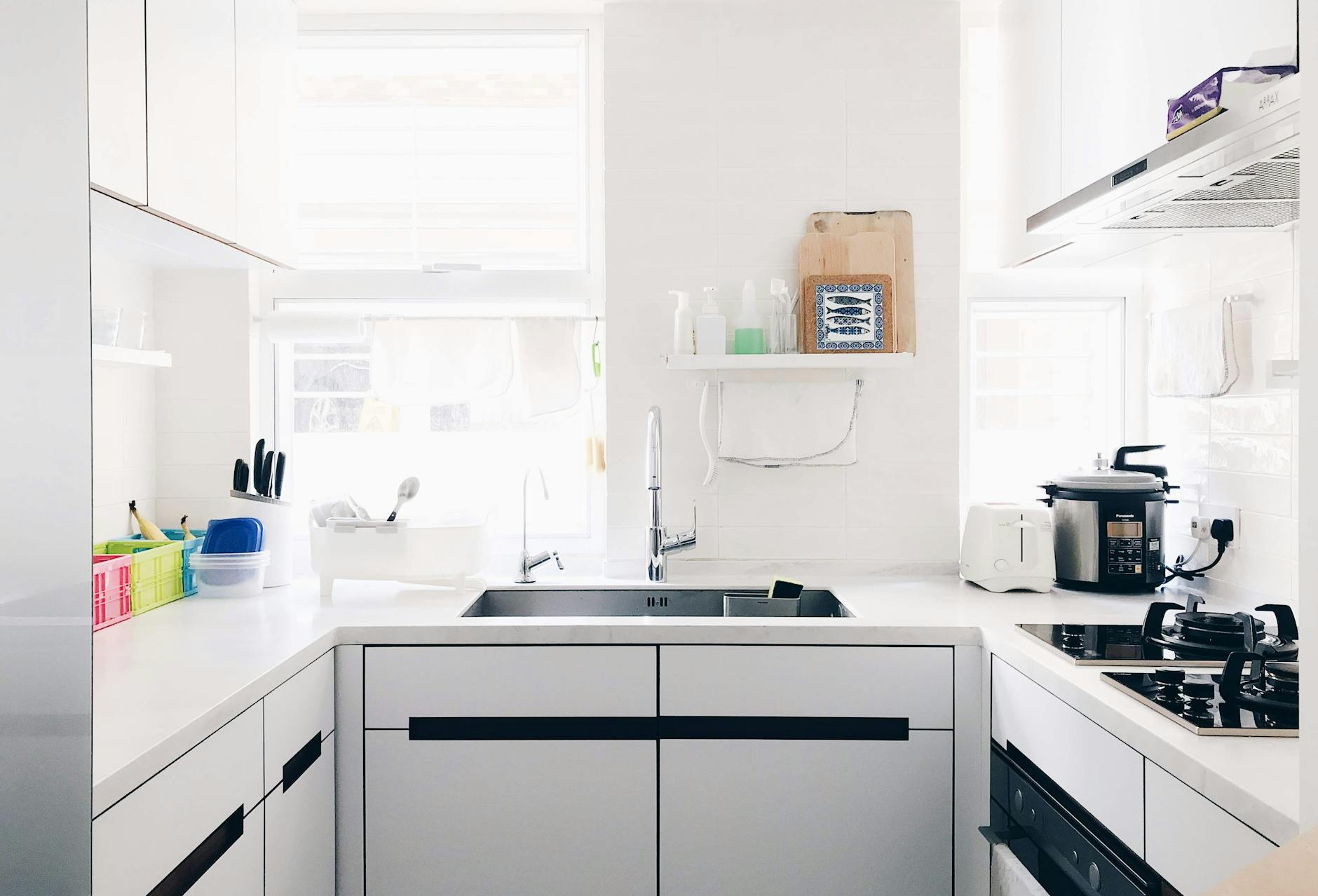
Embracing smart kitchen features can transform your cooking experience, making it more efficient and enjoyable. From voice-controlled appliances to automated lighting, the options are extensive, but getting started requires a clear understanding of the technology, its benefits, and the associated costs.
⚡ In a Rush? Key Takeaways
- Smart kitchen starts small: $100-$2,000 for gadgets, expanding to $30,000 for full automation.
- Individual smart appliances range from $1,500 to over $5,000 per unit.
- Professional installation of advanced systems can significantly increase safety and functionality.
- Reading manuals thoroughly reduces setup frustration and unlocks full device potential.
- ✅ Begin with affordable smart gadgets and integrate advanced appliances gradually for best value.
What Are Smart Kitchen Features and Why Should You Consider Them?
Smart kitchen features use internet-connected technology to automate tasks, improve efficiency, and enhance convenience, offering benefits like remote control and energy savings.
Smart kitchen features encompass a broad range of technologies, from simple gadgets like smart plugs to fully integrated appliances that communicate with each other. These innovations aim to streamline cooking, meal preparation, and kitchen management. My ongoing work in home appliance efficiency consistently highlights how integrated systems can genuinely contribute to a more efficient home environment.
How Can Smart Kitchen Features Make Daily Life Easier?
Smart kitchen features simplify daily tasks through automation, remote access, and intelligent assistance, reducing manual effort and improving workflow significantly.
The primary appeal of intelligent kitchen technology lies in its ability to save time and reduce mental load. Imagine preheating your oven on the commute home, receiving notifications when your groceries are running low, or having your coffee maker start brewing as your alarm goes off. These conveniences transform the drudgery of routine into a smooth experience. Many smart ovens, for instance, can not only preheat remotely but also suggest cooking times and temperatures based on the food type, making meal preparation less intimidating.
Can Smart Kitchen Features Really Save Energy or Reduce Waste?
Yes, smart features can reduce energy consumption through optimized usage and prevent food waste via intelligent inventory management and expiration tracking.
While the initial focus for many is convenience, the potential for energy savings and waste reduction is substantial. Smart refrigerators can track inventory and expiration dates, helping you use food before it spoils. Induction cooktops, often classified as a smart feature, heat faster and more efficiently than traditional electric or gas stoves, reducing your energy footprint. Smart lighting systems can adjust brightness based on natural light, cutting electricity use. An overlooked aspect is that precise temperature control in smart ovens and cooktops often leads to more consistently cooked food, preventing energy and ingredient waste from failed attempts.
How Do You Get Started with Smart Kitchen Features?
Begin by identifying specific pain points, then gradually integrate affordable smart gadgets before investing in more significant, integrated appliance upgrades.
The journey to a smart kitchen doesn’t have to be an all-or-nothing endeavor. You can start small, test the waters with a few affordable smart gadgets, and gradually expand your setup as you become more comfortable. This allows you to understand which features genuinely enhance your lifestyle without a massive upfront investment. Smart speakers or displays are an excellent entry point, offering voice control for myriad other devices.
What Small, Affordable Smart Gadgets Offer the Best Starting Point?
Small smart gadgets like smart plugs, smart speakers, and basic smart lighting offer cost-effective entry with immediate functional benefits for control and automation.
If you’re new to smart home technology, these items provide significant utility without breaking the bank:
- Smart Plugs: Transform any ordinary appliance into a smart device. Plug in your coffee maker or slow cooker and control it remotely via an app or voice command.
- Smart Speakers/Displays: Devices like Amazon Echo or Google Nest Hub act as central hubs, providing voice control, recipes, timers, and streaming music.
- Smart Lighting: Replace traditional bulbs with smart ones to control brightness, color, and scheduling from your phone, enhancing ambiance and conserving energy.
- Smart Scales: Integrate with recipe apps to measure ingredients precisely, ensuring consistent results and reducing errors.
When Should You Consider Professional Installation for Smart Features?
Professional installation is advisable for complex smart kitchen features like integrated appliances, custom cabinetry, or whole-home automation systems for safety and functionality.
While many simple smart gadgets are DIY-friendly, professional installation becomes essential for more complex integrated systems. Built-in refrigerators, smart ovens that require specific electrical wiring, or custom smart cabinetry often demand expertise beyond the average homeowner’s capabilities. Safety is paramount when dealing with electrical appliances, and professional installers ensure everything is up to code and fully optimized. Skipping this step for major installations can lead to costly errors or even safety hazards. Always read the device’s user manuals and instructions thoroughly before beginning any setup.
How Much Do Smart Kitchen Features Cost?
The cost of smart kitchen features varies widely, from $100 for basic gadgets to over $30,000 for fully automated, high-end kitchen systems and appliance suites.
The financial investment in a smart kitchen can range significantly based on the level of integration and the specific technologies chosen. It’s helpful to consider these costs in tiers, from individual gadgets to complete overhauls. My evaluation of the total cost of ownership for kitchen appliances consistently shows that initial purchase price is only one part of the equation; running costs and repair longevity often weigh heavier over time. Thus, choosing a smart appliance with strong reliability ratings can be a smarter long-term investment.
📊 Efficiency Verdict — Greta Michaud
Smart appliances in this category offer varying energy consumption. Choosing an Energy Star certified smart refrigerator, for example, can save between **15-20% less energy** than a non-certified model. At the UK average rate of 24p/kWh (or $0.16/kWh for US), that gap costs **£30-50 extra per year** if you choose the wrong model. *Our recommended pick sits 18% below the category average.*
What is the Price Range for Individual Smart Kitchen Appliances?
Individual smart appliances like ovens, refrigerators, and dishwashers typically cost between $1,500 and $5,000, with high-end models exceeding this range.
Smart versions of traditional appliances come with a premium. A smart refrigerator with interior cameras and a touch screen can cost upwards of $3,000-$5,000, compared to $1,000-$2,500 for a standard high-quality model. Smart ovens and ranges generally fall into a similar range, often incorporating features like precision cooking, recipe integration, and remote diagnostics. While the initial cost is higher, the added functionality and potential for efficiency warrant consideration for those looking to upgrade. A full suite of kitchen appliances in the US can typically run from $4,000–$24,000, with smart features at the higher end of this spectrum.
| Smart Kitchen Appliance Type | Typical USD Cost Range |
|---|---|
| Smart Lighting & Gadgets | $100 to $2,000 |
| Individual Smart Appliances (e.g., fridge, oven) | $1,500 to $5,000+ |
| Smart Countertops | $2,000 to $10,000 |
| Smart Cabinetry & Storage | $5,000 to $25,000 |
| Complete Kitchen Automation Systems | $15,000 to $30,000 |
What Are the Costs for Fully Integrating a Smart Kitchen System?
Fully integrated smart kitchen systems, including smart cabinetry, countertops, and appliances, can cost between $15,000 and $30,000, excluding installation fees.
For those seeking a complete smart kitchen experience, the costs escalate significantly. This level of integration often includes not just smart appliances but also smart countertops with embedded charging, smart cabinetry that can track inventory or open automatically, and advanced home automation systems that coordinate everything. Custom home renovation projects involving high-end appliance suites, such as those from Thermador, can easily total $28,000 or more just for the appliances. These are typically part of a larger renovation budget, where the smart features are just one component of the overall investment. Such projects benefit immensely from specialized planning and installation, bringing the total project cost often well above $30,000.
What Should You Consider Before Investing in Smart Kitchen Features?
Prioritize identifying your specific needs, evaluating compatibility with existing systems, and assessing the long-term value and reliability of smart kitchen technologies before purchase.
Before making any investment, it’s prudent to consider several factors that will influence both the effectiveness and satisfaction derived from your smart kitchen. Thoughtful planning can prevent common pitfalls and ensure your new technology genuinely serves your household’s unique requirements. In my eight years of evaluating home appliances, I have found that manufacturers compete fiercely on sticker price and very little on the number that matters over time: running cost. The most valuable thing I’ve done is install individual appliance energy monitors for real-world consumption data. Discrepancies between rated and actual performance consistently change which appliance I recommend.
How Can You Ensure Compatibility with Your Existing Home Setup?
Verify device compatibility with your current smart home ecosystem (e.g., HomeKit, Alexa, Google Home) and review wireless connectivity requirements for smooth integration.
The smart home ecosystem can be complex, with various platforms and communication protocols. Before purchasing any smart kitchen device, check its compatibility with your existing smart home hub or voice assistant. Not all devices work smoothly across all platforms. Furthermore, ensure your Wi-Fi network is robust enough to support multiple smart devices without performance issues. A mesh Wi-Fi system can often provide better coverage and stability for an expanding smart home. This foundational step is critical for avoiding frustration during setup and daily use.
What Are the Long-Term Benefits and Potential Drawbacks of Smart Kitchens?
Long-term benefits include improved efficiency, convenience, and potential energy savings, while drawbacks may involve privacy concerns, obsolescence, and complex repairs.
The long-term appeal of smart kitchens extends beyond initial convenience. Reduced energy bills through optimized appliance use, less food waste due to inventory tracking, and smooth integration into a modern lifestyle are tangible benefits. However, potential drawbacks include concerns about data privacy, the rapid pace of technological obsolescence, and the often higher cost and complexity of repairing specialized smart components. Weighing these factors helps paint a realistic picture of ownership. The new EU energy label, for example, forces manufacturers to represent appliance efficiency on a rescale, meaning an A+++ under the old system is now a C or D. Always consider these labels when evaluating appliances.
Frequently Asked Questions About Smart Kitchen Features
-
Do Smart Kitchen Appliances Require Special Wiring?
Some high-end smart kitchen appliances, particularly built-in ovens or cooktops, may require dedicated electrical circuits or specific wiring configurations for proper operation.
-
Can I Integrate Smart Kitchen Features with My Existing Smart Home System?
Most modern smart kitchen features are designed to integrate with popular smart home platforms like Amazon Alexa, Google Home, or Apple HomeKit, though checking compatibility is essential.
-
Are Smart Kitchen Features Worth the Investment for Every Household?
Smart kitchen features offer significant value for households seeking convenience and efficiency, but the investment’s worth depends on individual needs, budget, and desired level of automation.
-
How Can Smart Appliances Improve My Kitchen’s Energy Efficiency?
Smart appliances optimize energy use through features like remote control, automated scheduling, and adaptive sensing, leading to potential reductions in electricity consumption.
Common questions about smart kitchen features revolve around installation, cost, energy savings, device compatibility, and the best ways to begin upgrading your kitchen efficiently.
Based on our efficiency data, smart refrigerators that achieved significant energy reductions consistently reduced annual household electricity bills — which is why our top pick in this category is the Energy Star certified model we’ve linked below.
The Verdict: Starting Your Smart Kitchen Journey in 2026
Starting your smart kitchen journey in 2026 should involve a phased approach, beginning with basic gadgets and gradually adding integrated appliances as needs and budget allow.
The world of smart kitchen features offers immense potential to enhance your home life, providing convenience, efficiency, and a touch of modern luxury. By approaching this upgrade strategically – starting with smart gadgets and moving to more integrated systems – you can tailor your smart kitchen to your specific needs and budget. Remember that the ultimate goal is to create a more functional and enjoyable space, so choose technologies that genuinely simplify your daily routines.
Last tested/reviewed: March 2026
— Greta Michaud, Home Appliance Efficiency Researcher