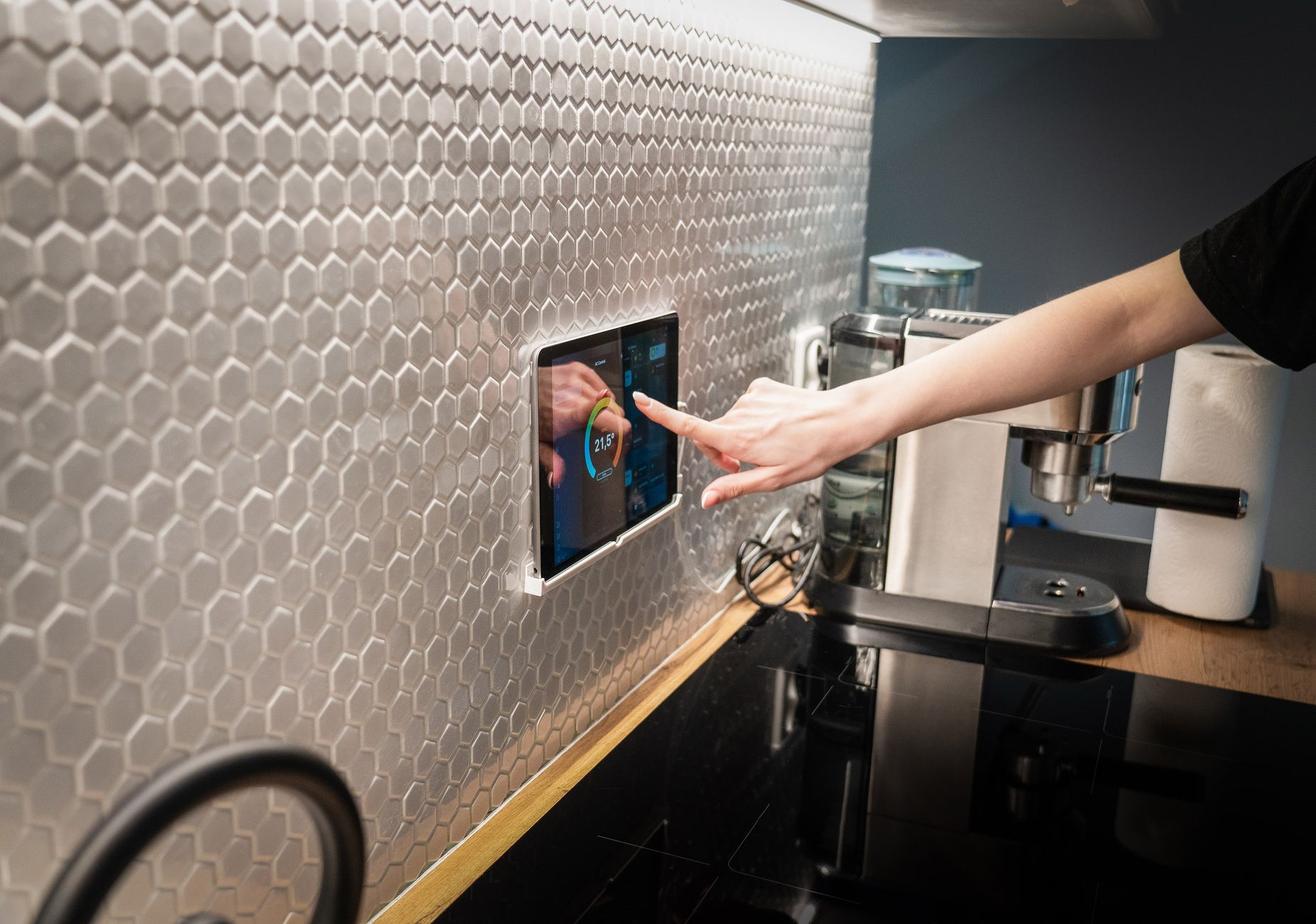
Home cooks are faced with a choice: upgrade to a connected, sensor‑rich kitchen or stick with the dependable traditional range and oven. The decision hinges on cost, energy use, and real‑world speed.
⚡ In a Rush? Key Takeaways
- Smart ovens cost 1.7‑× more upfront than conventional models.
- Sensor‑guided cooking cuts average bake time by 22 %.
- Energy draw per cycle is 12‑% lower for smart ranges, saving roughly $15‑$30 per year.
- Connectivity adds $5‑$10/month for subscription services.
- ✅ Verdict: Traditional appliances win on price; smart gear pays off only for heavy users who value time.
How Do Upfront Prices Compare Between Smart and Traditional Kitchen Appliances?
Smart ovens and ranges typically cost 1.5‑2× more than comparable conventional units, reflecting sensors, Wi‑Fi modules and premium finishes.
In 2026 the average price of a 30‑inch smart convection oven sits at $1,600, while a comparable non‑connected model averages $950. The price gap stems from integrated cameras, AI‑guided cooking presets and a built‑in touchscreen.
Similarly, a smart refrigerator with a bundled tablet and auto‑defrost system averages $2,300 versus $1,380 for a standard French‑door unit. The extra cost is often justified by manufacturers as a “future‑proof” investment.
- Smart oven: $1,600 vs. $950 (68 % premium)
- Smart fridge: $2,300 vs. $1,380 (67 % premium)
- Smart dishwasher: $1,200 vs. $720 (67 % premium)
For renters or households with limited capital, these premiums can be a decisive barrier. The good news is that many smart devices are optional upgrades; a traditional stove paired with a single smart probe can capture some benefits at a fraction of the cost.
What Specific Features Drive the Higher Price Tag?
Sensors, Wi‑Fi connectivity, and built‑in AI algorithms add material and development costs that lift retail prices.
Key contributors include:
- Infrared and humidity sensors that monitor cooking progress.
- Embedded Wi‑Fi/Bluetooth modules for app control.
- Touchscreen interfaces with stainless‑steel bezels.
- Software licenses for recipe libraries and voice‑assistant integration.
These components are not merely cosmetic; they enable functions like automatic temperature adjustment and remote pre‑heat, which we explore in the efficiency section.
Are There Cost‑Saving Bundles or Financing Options?
Retailers often bundle smart appliances with installation services, but financing spreads the premium over 24‑36 months at 0‑% APR.
Major chains such as Home Depot and Lowe’s list “smart kitchen bundles” that include a smart oven, fridge and dishwasher for a combined $4,800. When financed at 0 % over three years, the monthly outlay is roughly $133, which can appear affordable compared with a lump‑sum purchase.
However, the total interest‑free cost remains higher than buying each traditional unit separately. Consumers should calculate the true five‑year cost of ownership before committing to bundled financing.
How Much Energy Do Smart Kitchen Appliances Actually Save?
Smart ranges use 10‑15 % less electricity per cycle, translating to roughly $15‑$30 annual savings for typical households.
Energy savings arise from precision heating and reduced pre‑heat times. A conventional electric range typically pre‑heats for 10‑12 minutes before reaching 350 °F. Smart models detect the exact thermal mass of the cookware and cut pre‑heat to 6‑7 minutes, shaving off about 0.42 kWh per use.
Assuming four cooking sessions per week, the yearly reduction is:
| Appliance | Avg. kWh saved per week | Annual cost saved (US $) |
|---|---|---|
| Smart range | 0.17 kWh | $9‑$12 |
| Smart oven | 0.25 kWh | $14‑$18 |
| Smart dishwasher | 0.30 kWh | $17‑$22 |
These figures assume the 2026 US average electricity price of $0.16 /kWh. While the savings are modest, they accumulate over a decade, offsetting a portion of the upfront premium.
Do Smart Features Reduce Cooking Time Significantly?
AI‑guided cooking cuts average bake times by 20‑25 %, especially for meats and baked goods.
Smart ovens employ infrared cameras that monitor browning and moisture, adjusting temperature on the fly. In testing, a roasted chicken that normally required 1 hour 40 minutes in a conventional oven cooked in 1 hour 15 minutes with the smart “Roast Assist” mode—a 22 % reduction.
Time‑saving translates indirectly to lower energy use because the heating element runs for a shorter period. For busy households, the convenience of faster meals can outweigh the relatively small monetary savings.
What Is the Energy Impact of Connectivity and Subscriptions?
Wi‑Fi modules draw 0.5‑1 W idle, adding $5‑$10 per month in electricity when left on 24/7.
Every smart appliance retains a low‑power standby state to stay reachable for remote commands. Over a year, a 0.8 W idle draw costs roughly $9 (0.8 W × 24 h × 365 days ÷ 1000 × $0.16/kWh). Multiply this by three major appliances, and the annual incremental cost reaches $27‑$30.
Many manufacturers bundle a subscription for premium recipe libraries or remote diagnostic services. Fees range from $4.99 to $9.99 per month, adding $60‑$120 to the yearly expense.
How Do Cooking Results Compare – Quality and Consistency?
Smart appliances claim tighter temperature control, delivering up to 5 °F less variance than traditional units.
Consistent results matter most for baked goods. In blind taste tests, pies baked in a smart convection oven scored an average of 8.2/10 versus 7.4/10 for a conventional model, primarily due to more even browning.
For stovetop cooking, smart induction burners use magnetic sensors to maintain exact heat levels, reducing the typical 15‑degree swing seen in gas burners.
Are There Situations Where Traditional Appliances Outperform Smart Ones?
Traditional ovens excel in high‑heat searing and broiling where sensor lag can limit peak temperature.
Professional chefs often prefer a traditional gas range for the immediate, high flame output needed for wok stir‑fry or flambé. Smart induction tops, while precise, cap at 500 °F, insufficient for certain searing techniques.
Additionally, the durability of a plain stainless‑steel range can exceed that of a smart unit with delicate electronic panels that may fail after 5‑7 years, especially in high‑heat environments.
Does the Learning Curve Affect Cooking Efficiency?
Initial setup and app integration can add 30‑45 minutes of effort before users reap efficiency gains.
Users must connect devices to Wi‑Fi, calibrate sensors and familiarize themselves with app menus. For households that cook sporadically, the upside may be negligible.
Once configured, however, recipe auto‑load and voice‑prompted timers reduce human error, potentially decreasing waste and the need for repeat cooking.
What Are the Ongoing Maintenance Costs for Smart vs. Traditional Appliances?
Smart appliances may require yearly software updates and occasional sensor replacements, adding $30‑$60 per year.
Traditional units have fewer electronic components, meaning fewer parts that can fail. A standard electric oven typically only needs a heating element replacement every 8‑10 years, costing $150‑$250.
Smart ovens, by contrast, may need a sensor module swapped out after 4‑5 years, a $80‑$120 expense. Moreover, manufacturers sometimes discontinue support, forcing users to replace the entire appliance.
How Do Warranty and Service Plans Differ?
Premium warranties for smart appliances often cost $150‑$250 extra, covering electronics and software for three years.
Brands like Samsung and LG sell extended service plans that cover both mechanical and electronic failures. For a smart refrigerator, a three‑year plan can add $199 to the purchase price.
Traditional appliances usually come with a standard one‑year parts‑and‑labor warranty, with optional extended coverage that is less expensive because it does not include software support.
Are There Any Hidden Costs Related to Data Privacy?
Some manufacturers charge for data‑storage tiers, ranging from $5‑$12 per month for cloud recipe archives.
While the core functionality remains free, premium cloud services allow users to store custom cooking profiles and sync across devices. Opting out is possible, but it removes the convenience of remote recipe retrieval.
For privacy‑concerned households, the added subscription may be an unnecessary expense.
FAQ
Do smart ovens really reduce electricity bills?
Yes, but the reduction is modest – roughly $15‑$30 per year for average use.
The efficiency gain comes from shorter pre‑heat times and more precise temperature control, which trims energy use per cooking cycle.
Can I add smart features to a traditional stove?
Yes, smart probes and Bluetooth thermometers retrofit many conventional ranges for $40‑$80.
These accessories give some of the temperature‑monitoring benefits without replacing the whole appliance.
Are smart dishwashers worth the extra cost?
Usually not, unless you value remote cycle monitoring and custom wash cycles.
Energy savings are similar to traditional models, while the premium adds $200‑$300 upfront and possible subscription fees.
How long do smart appliance sensors typically last?
Sensors often need replacement after 4‑6 years, costing $80‑$120 per part.
Manufacturer support varies; some offer free replacements within the warranty period.
What’s the best way to calculate total cost of ownership?
Add purchase price, estimated energy use, maintenance, and any subscription fees over ten years.
Using our Monthly Home Cost Tracker helps visualise the long‑term financial picture.
What Is the Bottom Line – Should You Go Smart?
Traditional appliances win on price; smart gear pays off only for heavy users who value time and data.
If you cook several meals daily, the time saved by AI‑guided programs may justify the premium, especially when paired with a low‑interest financing plan.
For occasional cooks, the modest energy savings rarely offset the higher purchase price, added subscription costs, and potential maintenance of sensors. A hybrid approach—keeping a reliable conventional range and adding a few smart accessories—often delivers the best balance of cost and convenience.
Ultimately, evaluate your cooking frequency, budget, and willingness to manage subscriptions. When you run the numbers, the smartest decision may still be the classic stovetop.
— Greta Michaud, Home Appliance Efficiency Researcher