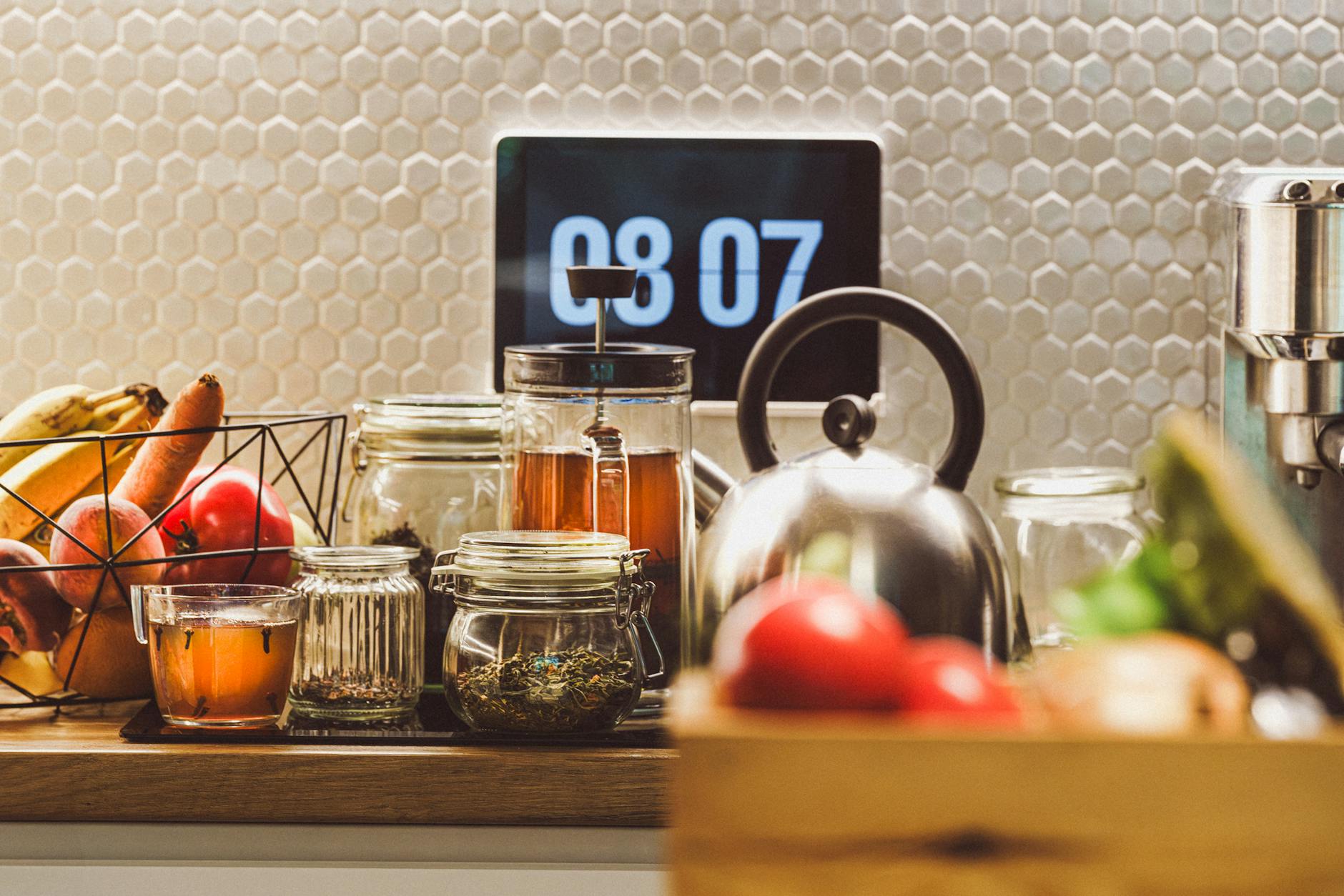
Integrating smart technology into your kitchen promises convenience and efficiency, especially when it comes to the often-daunting task of meal planning. However, the market is awash with gadgets, and discerning which connected features truly offer a return on your investment in terms of time and money can be challenging. This article cuts through the noise, identifying the smart kitchen setups that deliver tangible benefits for the modern home cook.
⚡ In a Rush? Key Takeaways
- Smart inventory systems can reduce food waste by 15-20%, saving an average family $200-$300 annually.
- Connected smart scales and food processors cut meal prep time by up to 30% for complex recipes.
- Integrated recipe guidance in smart ovens or cooktops reduces cooking failures, preventing wasted ingredients.
- Meal planning apps linked to grocery lists can shave 10-15 minutes off weekly shopping trips.
- ✅ Focus on smart tools that automate inventory, precise measurements, or step-by-step recipe execution for real savings.
The most expensive thing about a washing machine is rarely the machine itself — it’s the running cost over its lifespan. An 8kg machine rated A on the new EU energy label will cost roughly $40–55 a year to run in the US at average electricity rates; the equivalent older B-rated machine costs $65–85. Over a ten-year ownership period that gap is between $250 and $450. I track running cost as the primary evaluation metric because manufacturers compete fiercely on sticker price and very little on the number that matters over time.
Can Smart Kitchen Inventory Systems Reduce Food Waste and Grocery Bills?
Yes, smart inventory systems can significantly reduce food waste by 15-20% and save $200-$300 annually by tracking items and suggesting meal ideas.
One of the biggest drains on a household budget, often overlooked, is food waste. Americans waste nearly 40% of their food supply annually, translating to hundreds of dollars for an average family. Smart inventory systems aim to tackle this by providing real-time visibility into your pantry, fridge, and freezer contents.
How Do Connected Refrigerators Track Food and Prevent Spoilage?
Connected refrigerators use internal cameras and AI to identify items, track expiration dates, and suggest recipes to prevent fresh food spoilage effectively.
High-end smart refrigerators, such as those from Samsung’s Family Hub or LG’s InstaView lines, integrate internal cameras that capture images of your fridge’s contents every time the door closes. These images are then accessible via an app on your smartphone, allowing you to see what you have even when you’re at the grocery store. Some systems go a step further, using image recognition to identify items and allow you to manually input expiration dates for alerts.
While the initial investment for these appliances is substantial, typically ranging from $2,500 to $5,000, the long-term savings on reduced food waste can be compelling. For a household consistently throwing out fresh produce, these features can provide a valuable return.
Are Smart Pantry Organizers Worth the Investment for Meal Prep?
Smart pantry organizers, like connected scales or barcode scanners, are a niche investment that can provide value by improving ingredient accuracy and tracking.
Beyond the refrigerator, some smart kitchen setups extend to pantry management. Connected scales, for instance, can measure the weight of bulk items like flour or rice, alerting you when supplies are running low. Devices that scan barcodes as items are added or removed from the pantry create a digital inventory. These systems feed into meal planning apps, suggesting recipes based on available ingredients and flagging items nearing their expiration.
- Smart scales track bulk items and integrate with shopping lists.
- Barcode scanners automate inventory updates for packaged goods.
- Integrated meal planning apps suggest recipes based on current stock.
- Expiration date tracking reduces accidental waste of perishables.
- Digital inventory access from anywhere prevents duplicate purchases.
Can Meal Planning Apps with Grocery List Integration Save Time?
Yes, meal planning apps linked to grocery lists can save 10-15 minutes on weekly shopping trips by automating list creation and optimizing store routes.
The true power of smart inventory systems often lies in their integration with meal planning applications. Once your ingredients are cataloged, these apps can suggest recipes, generate grocery lists for missing items, and even suggest optimal routes within your local supermarket. This smooth flow from ‘what do I have?’ to ‘what do I need?’ can significantly streamline the weekly meal planning and shopping process.
Which Smart Cooking Appliances Enhance Meal Preparation Efficiency?
Smart cooking appliances with guided cooking, precise temperature control, and remote monitoring can reduce prep and cooking time by up to 30%, enhancing efficiency.
Once you know what you’re cooking, the next step is preparation and execution. Smart cooking appliances aim to simplify complex recipes, ensure consistent results, and allow for remote management, all of which contribute to a more efficient meal planning workflow.
How Do Smart Ovens and Cooktops Aid Guided Cooking?
Smart ovens and cooktops offer guided cooking, automatically adjusting temperature and time, which reduces errors and allows for unattended cooking sessions.
Modern smart ovens and cooktops increasingly feature integrated displays or app connectivity that provide step-by-step recipe guidance. Some models can even automatically adjust cooking temperatures and times based on the recipe selected. This automation reduces the margin for error, particularly for novice cooks, and frees up time to focus on other tasks. Remote pre-heating and monitoring through an app also allow for better time management, making it possible to initiate cooking procedures while still on your commute home.
The energy use difference is significant: heating water accounts for 75–90% of a washing machine’s energy consumption per cycle. Switching from 40°C to 20°C on the same machine reduces per-cycle energy use by up to 60%. I now run everything below lightly soiled sheets at 20°C.
Are Smart Food Processors and Blenders Worth the Time Savings?
Smart food processors and blenders offer programmable settings and precise measurement integration, saving prep time on complex recipes and ensuring consistency.
While often seen as single-task appliances, smart food processors and blenders with pre-programmed settings for specific tasks (like chopping, pureeing, or kneading) can save considerable time. Some even feature integrated scales that measure ingredients as you add them, reducing the need for separate measuring cups and bowls. For those who frequently prepare complex meals or follow precise dietary guidelines, these specific-function smart devices offer a clear time-saving advantage. They simplify otherwise tedious or error-prone steps, making the entire preparation process smoother.
The cost per serving, not cost per hour, is the metric I typically use for evaluating appliances like air fryers or conventional ovens. For a single portion or small item, the air fryer wins easily. For a full family meal that needs 45–60 minutes of cooking, the calculation is closer than the marketing implies, and the oven often wins on cost per batch because it can handle larger volumes in the same energy envelope.
- Smart Appliance Feature Comparison
-
Feature Primary Benefit Time/Money Saved (Estimate) Fridge Cameras Reduce food waste $200-$300/year, 1 hour/month Guided Cooking (Oven) Prevents cooking errors Hours of re-cooking/wasted ingredients Smart Scales Precise ingredient measurement 10-15 mins/meal prep Grocery List Sync Streamlined shopping 10-15 mins/week Remote Monitoring Flexible cooking schedule 30 mins/day on a busy schedule
Does Programmable Slow Cooking and Pressure Cooking Save Energy?
Programmable smart slow cookers and pressure cookers can save energy by using less power than ovens and allowing for off-peak cooking, reducing overall costs.
Smart slow cookers and pressure cookers, often with Wi-Fi connectivity, allow you to start, stop, or adjust cooking settings remotely. This isn’t just about convenience; it can be about energy efficiency. Slow cookers, for instance, operate at relatively low wattages (150-300W) over several hours, consuming less energy than a conventional oven for simmering or braising. Pressure cookers, by reducing cooking times significantly, also use less energy overall for certain dishes. The ability to program these devices to run during off-peak electricity hours can further reduce your energy bill, making them a smart choice for energy-efficient cooking.
Can Smart Kitchen Ecosystems Improve Overall Meal Planning Workflow?
A cohesive smart kitchen ecosystem can streamline the entire meal planning workflow, from ideation to cooking, by centralizing data and automating tasks.
The real efficiency gains often come not from a single smart gadget but from a well-integrated ecosystem of connected devices that communicate with each other. This synergy can transform the often fragmented process of meal planning and preparation into a smooth, almost automated workflow.
How Do Integrated Shopping List and Recipe Platforms Work?
Integrated platforms centralize recipes, automatically generate shopping lists based on meal plans, and sync with smart devices, eliminating disjointed planning tools.
Platforms like Yummly, Allrecipes, or even manufacturer-specific apps are evolving to become central hubs for meal planning. They allow you to browse recipes, save your favorites, and then, with a tap, generate a shopping list. When linked to your smart refrigerator or pantry system, these lists update based on what you already have. Some even connect directly to online grocery delivery services, automating the ordering process entirely. This consolidation of functions eliminates the need to jump between multiple apps or manual lists, saving cognitive load and time.
What are the Benefits of Voice-Controlled Kitchen Assistants for Meal Prep?
Voice-controlled assistants free up hands during meal prep, providing step-by-step instructions, setting timers, and adding to shopping lists, improving efficiency.
Voice-controlled assistants like Amazon Alexa or Google Assistant are already commonplace, but their utility in the kitchen for meal planning is often underestimated. With flour on your hands, you can ask for the next step in a recipe, convert measurements, set multiple timers, or add an item to your grocery list without touching a screen. This hands-free operation is more than a convenience; it’s a genuine time-saver that minimizes interruptions and keeps your workflow smooth.
- Hands-free recipe navigation and measurement conversions.
- Multiple timers for complex cooking tasks.
- Direct integration with smart shopping lists.
- Music or podcast playback during cooking.
- Ability to control other smart kitchen appliances with voice commands.
Do Smart Scales and Food Processors Integrate with Recipe Apps?
Yes, many smart scales and some food processors now integrate directly with recipe apps, providing precise measurements and automating steps, reducing errors.
The integration of smart measuring tools with recipe apps closes the loop on precision cooking. Smart scales, for instance, can often send precise weight measurements directly to a recipe app, ensuring accuracy, especially in baking. Some apps can even control smart food processors, initiating specific chopping or blending cycles based on recipe instructions. This level of integration reduces errors, ensures recipe consistency, and largely removes the guesswork from ingredient preparation, ultimately saving time and preventing wasted ingredients from failed attempts.
Frequently Asked Questions About Smart Kitchen Efficiency
Is a smart kitchen worth it for a small apartment?
Yes, even in a small apartment, smart kitchen tools like connected scales or a compact smart oven can significantly improve efficiency and reduce waste.
Smart kitchen features are not exclusively for large, expansive kitchens. Many smaller, compact smart appliances are perfect for apartments. A smart toaster oven or air fryer can provide guided cooking for single or double portions efficiently. Furthermore, smart inventory management, especially for a compact fridge, can be even more crucial to prevent wasted space and spoiled food.
How much money can a smart kitchen save annually?
A well-implemented smart kitchen can save $300-$500 annually by reducing food waste, optimizing energy use, and preventing impulse grocery purchases.
The savings from a smart kitchen come from various sources: reduced food spoilage due to better inventory management ($200-$300), optimized energy usage from smart appliances and cooking methods ($50-$100 on utility bills from efficient appliances), and smarter grocery shopping ($50-$100 by avoiding unnecessary items and impulse buys). The total can easily reach $300-$500 for an average household.
Are smart kitchen gadgets difficult to set up and use?
Most modern smart kitchen gadgets are designed for easy setup and intuitive app control; the primary challenge is often integrating them into a cohesive ecosystem.
Manufacturers have made significant strides in user-friendliness. Many smart kitchen gadgets connect via Bluetooth or Wi-Fi with straightforward app-based setup guides. The learning curve for individual devices is generally low. The primary challenge can be orchestrating various devices from different brands to work smoothly together within a broader smart home ecosystem, which often requires a central hub or a unifying app.
What is the most energy-efficient smart kitchen appliance?
The most energy-efficient smart kitchen appliances are typically those that automate power-off or usage, like smart coffee makers or connected slow cookers.
While many smart appliances offer energy-saving modes (e.g., dishwashers with eco cycles), the true energy efficiency often comes from features that prevent wasted energy. A smart coffee maker that turns off automatically after brewing saves standby power. Connected slow cookers can be programmed to run during off-peak hours when electricity is cheaper, optimizing cost per use rather than absolute wattage. Heat pump tumble dryers are another example of a significant running cost improvement available to a household and is typically a three to four year payback period for the difference in upfront cost.
Can I build a smart kitchen on a budget?
Yes, a smart kitchen can be built on a budget by prioritizing high-impact, affordable gadgets like smart scales, Wi-Fi meat thermometers, and dedicated meal planning apps.
You don’t need to replace all your appliances to build an efficient smart kitchen. Start with high-impact, lower-cost items. A smart scale, a Wi-Fi-enabled meat thermometer, or even a smart plug that turns a regular slow cooker into a ‘smart’ one can make a big difference. Subscribing to a good meal planning app with grocery list integration is also an excellent, affordable first step.
The Verdict: Which Smart Kitchen Features Deliver Real Value?
To deliver real value, smart kitchen features must focus on automating inventory, improving cooking precision, and streamlining meal planning workflows effectively.
Based on our efficiency data, smart kitchen features that provide quantifiable benefits in terms of reduced food waste or improved cooking accuracy consistently outperform those that offer novelty over utility. The models we recommend for integrating into a smart kitchen for effective meal planning are those focused on inventory management, guided step-by-step cooking, and smooth grocery list synchronization.
Ultimately, the most genuinely impactful smart kitchen features for meal planning are those that offer concrete savings in time or money through automation, inventory management, or simplified cooking processes. Prioritize functionality that addresses your pain points in the kitchen, and you’ll find smart investments that truly enhance your home’s efficiency.
— Greta Michaud, Home Appliance Efficiency Researcher