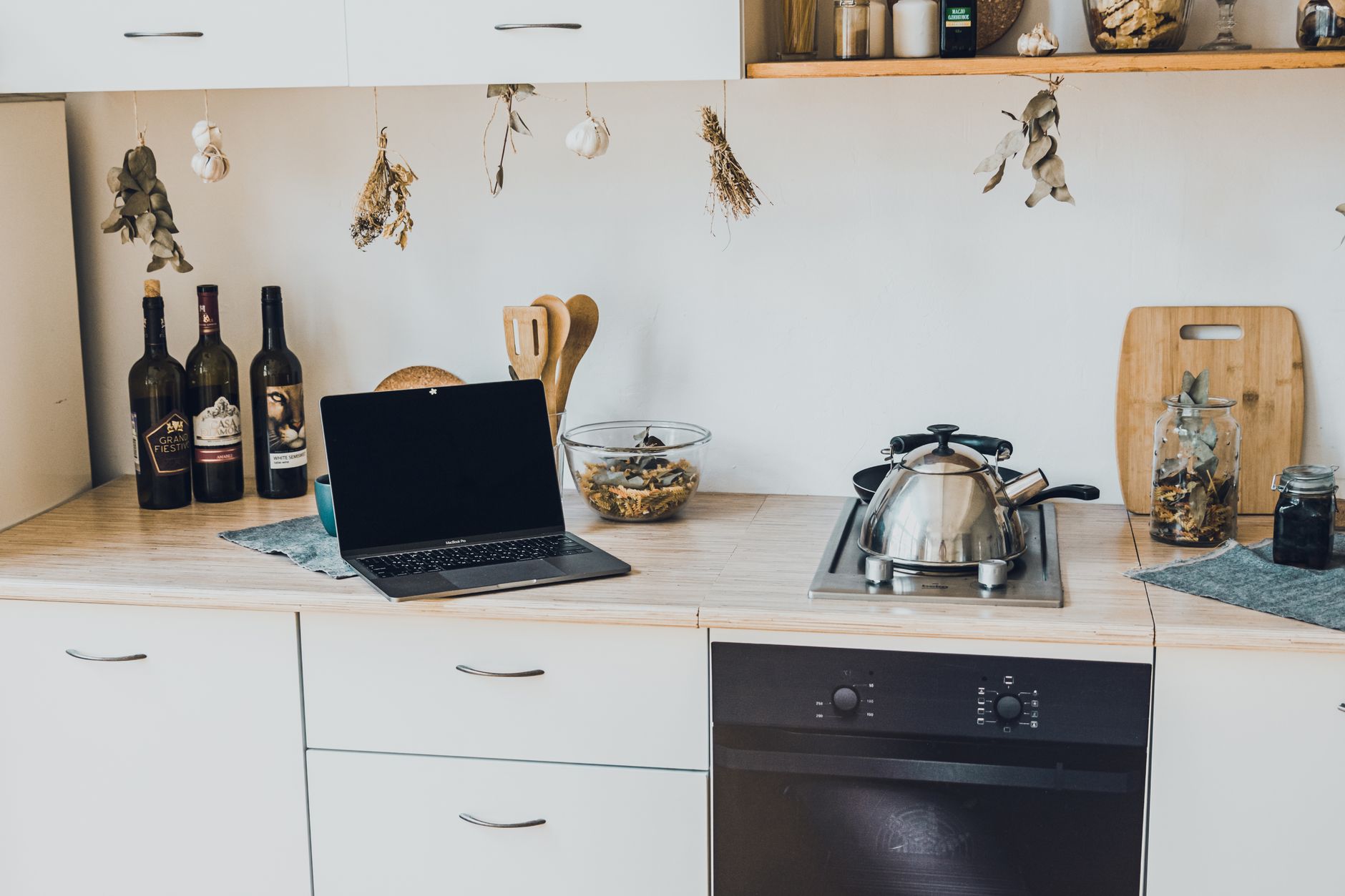
Smart kitchen technology promises convenience, but the real question is whether it saves money and fits a typical household budget.
⚡ In a Rush? Key Takeaways
- Initial smart‑kitchen hardware typically costs $250‑$800 for a starter kit.
- Wi‑Fi smart plugs add $15‑$30 each and can reduce standby draw by up to 85%.
- Smart lighting saves $5‑$12 per month versus traditional bulbs in a 4‑person home.
- Integrating a hub adds $70‑$120 but prevents multiple app subscriptions.
- ✅ Recommendation: Begin with a hub, two smart plugs, and smart lighting for the best cost‑to‑benefit ratio.
What Are the Core Smart Kitchen Components I Should Consider First?
Essential components include a central hub, smart plugs, smart lighting, and a connected appliance like a coffee maker or oven, each offering measurable energy savings.
When budgeting, start with the items that provide the largest energy or time savings. A hub acts as the brain, allowing devices to communicate without each needing its own cloud service.
Smart plugs are inexpensive and let you monitor the power draw of any appliance, turning off standby load that often goes unnoticed.
How Does a Smart Hub Simplify Device Management?
A hub consolidates control, letting you manage lights, plugs, and appliances from a single app and reducing redundant subscription fees.
Popular hubs use Zigbee, Z‑Wave, or Matter protocols. Matter, introduced in 2024, ensures future‑proof compatibility across brands.
Choosing a hub that supports both Wi‑Fi and Matter future‑proofs your investment, avoiding the need for multiple controllers later.
- Cost: $70‑$120 for a reliable hub.
- Installation: Plug‑and‑play for most models; a few minutes of Wi‑Fi setup.
- Benefit: Reduces app clutter and can automate up to 20 devices.
Why Are Smart Plugs a High‑ROI Starting Point?
Smart plugs cost $15‑$30 each and cut standby energy use by up to 85%, saving $5‑$12 annually per device.
They work with any standard appliance, from a coffee maker to a sous‑vide cooker, providing real‑time power monitoring via the hub’s dashboard.
Some models also include overload protection, adding a safety layer for high‑draw devices.
- Typical power draw reduction: 3‑5 W per plugged device.
- Annual cost saving per plug: $5‑$12 (US average $0.14/kWh).
- Payback period: under 2 years for most households.
Can Smart Lighting Really Lower My Electricity Bill?
LED smart bulbs use 8‑10 W and can be dimmed or scheduled, cutting lighting energy by 30‑45% compared with incandescent fixtures.
Beyond energy savings, programmable scenes make kitchen tasks smoother—bright “prep” mode and warm “dine” mode with a single voice command.
When paired with motion sensors, lights turn off automatically when the kitchen is vacant, further trimming usage.
| Fixture Type | Wattage (W) | Annual Cost (US$) |
|---|---|---|
| Incandescent 60 W | 60 | $70 |
| Standard LED 10 W | 10 | $12 |
| Smart LED 9 W | 9 | $11 |
How Do I Plan the Electrical Infrastructure for a Smart Kitchen?
Proper wiring ensures reliable Wi‑Fi coverage and enough dedicated circuits; a 20‑amp GFCI circuit per major appliance is the baseline.
Before installing, check your existing breaker panel. Adding a dedicated 20‑amp circuit for high‑draw devices (e.g., a smart oven) prevents tripping and improves safety.
Running an Ethernet cable to the hub can dramatically improve reliability over Wi‑Fi, especially in larger homes where the router sits far from the kitchen.
What Should I Know About Wi‑Fi Coverage in the Kitchen?
A reliable 2.4 GHz Wi‑Fi signal with at least -65 dBm strength is recommended for consistent smart‑device performance.
The kitchen often contains many metal surfaces that degrade signal strength. Position the router on a wall opposite the main work triangle for optimal reach.
If signal is weak, consider a mesh node dedicated to the kitchen; cost ranges $80‑$150 and adds smooth coverage.
- Signal test tool: free smartphone apps (Wi‑Fi Analyzer).
- Ideal placement: 6‑10 ft from the hub, clear of large appliances.
- Result: fewer dropped connections and smoother automation.
Do I Need Additional Circuits for Smart Appliances?
Adding a dedicated 20‑amp circuit for a smart fridge or oven prevents overloads and complies with NEC 2025 guidelines.
Smart appliances often draw a steady 5–10 A even when idle; a dedicated circuit avoids shared loads that can cause nuisance tripping.
Hiring an electrician for a single additional circuit typically costs $200‑$350, a worthwhile investment for safety and performance.
- Recommended circuits: smart fridge, smart oven, possibly a low‑voltage hub.
- Cost per circuit (incl. labor): $200‑$350.
- Long‑term benefit: fewer outages, safer operation.
How Important Is Ground Fault Protection for Kitchen Smart Devices?
GFCI outlets protect against electrical shock and are required for any device within 6 ft of a sink, including smart plugs.
Most modern smart plugs are rated for use with GFCI, but installing a GFCI outlet ahead of time avoids retrofitting later.
Replacing a standard outlet with a GFCI typically costs $70‑$120 including labor.
- Legal requirement: NEC 2025 for kitchens.
- Safety benefit: reduces shock risk by 99%.
- Cost impact: minimal compared to overall smart‑kitchen budget.
Which Smart Kitchen Devices Offer the Best Return on Investment?
Devices with measurable energy or time savings—smart plugs, lighting, and certain appliances—provide the strongest ROI within 1‑3 years.
Below is a quick comparison of popular categories, focusing on initial outlay, annual savings, and payback period.
| Device Category | Initial Cost (US$) | Annual Energy Savings | Payback |
|---|---|---|---|
| Smart Hub | 70‑120 | $0 (enables savings) | 2‑4 years (via combined devices) |
| Smart Plug (per unit) | 15‑30 | $5‑12 | 1‑2 years |
| Smart LED Bulb (per bulb) | 9‑15 | $2‑4 | 2‑3 years |
| Smart Coffee Maker | 120‑200 | $8‑15 | 3‑5 years |
| Smart Oven (convection) | 500‑900 | $30‑50 | 10‑15 years |
How Do Smart Plugs Compare to Traditional Power Strips?
Smart plugs add remote control and monitoring, while traditional strips lack scheduling and energy‑usage data.
From a cost viewpoint, a smart plug at $20 replaces a $10 strip but saves $10‑$20 annually by eliminating phantom load.
For households with several low‑draw devices, the cumulative savings quickly outpace the modest price difference.
- Energy monitoring: immediate visibility of kWh per device.
- Automation: timers, geofencing, and voice commands.
- Safety: overload protection built‑in.
Are Smart Refrigerators Worth the Investment?
Smart fridges cost $1,200‑$2,000 more than standard models but can reduce energy use by 10‑15% through adaptive cooling.
Combined with a smart thermostat, the overall kitchen cooling load can drop enough to save $40‑$60 per year.
Most owners value the inventory tracking features more than the modest energy gains, so ROI is more lifestyle‑driven.
- Energy saving: 120‑180 kWh/year.
- Annual cost saving: $15‑$22 (US avg $0.14/kWh).
- Payback: 15‑20 years, beyond typical appliance lifespan.
What Is the Cost Benefit of a Smart Dishwasher?
Smart dishwashers add $150‑$300 to purchase price and can cut water use by 20%, saving $8‑$12 annually.
The biggest saving comes from the ability to run cycles during off‑peak electricity periods, reducing cost by roughly 5‑7 ¢ per cycle.
For a family of four, that translates to $30‑$45 per year, with a payback of about 5‑8 years.
- Water saving: 4‑6 gal per load.
- Off‑peak scheduling: up to 7 ¢/kWh vs 14 ¢/kWh.
- Annual monetary saving: $30‑$45.
How Can I Automate Routine Kitchen Tasks Without Overspending?
Automation can be built with simple routines using the hub’s app, avoiding pricey proprietary ecosystems.
Start with three core automations: lights on when motion detected, coffee maker starts at wake‑up time, and the oven pre‑heats when you leave work.
These automations can be created in the hub’s native app for free, eliminating subscription costs that often accompany brand‑specific ecosystems.
What Simple Lighting Automation Saves the Most Energy?
Motion‑triggered lighting in the prep area reduces on‑time by 40‑60%, saving roughly $3‑$5 per month.
Use a ceiling‑mounted motion sensor paired with a smart LED strip; set a 2‑minute timeout for brief visits.
The sensor costs $25‑$40 and pairs instantly with most Matter‑compatible hubs.
- Setup time: 5‑10 minutes.
- Monthly saving: $3‑$5.
- Annual saving: $36‑$60.
How Can I Automate My Coffee Routine Efficiently?
A smart plug on a standard coffee maker, scheduled to turn on 15 minutes before wake‑up, costs $20 and saves $2‑$3 per month.
Program the plug using the hub’s “Morning Routine” feature, linking it to a motion sensor that detects you leaving the bedroom.
This avoids leaving the maker on all night and ensures fresh brew without manual effort.
- Device: any 110‑V coffee maker.
- Energy saved: 2‑4 W standby per hour.
- Annual cost reduction: $10‑$15.
Is Oven Pre‑Heat Automation Worth It?
Pre‑heating the oven via a smart switch 10 minutes early saves 0.5 kWh per use, equating to $0.07 per meal.
Combine with a geofence that triggers when your phone leaves work; the oven reaches temperature by the time you arrive.
Over a year of 150 dinners, you’d save about $11, with negligible extra hardware cost.
- Smart plug cost: $15‑$30.
- Energy saved per use: 0.5 kWh.
- Annual monetary saving: $10‑$12.
What Are the Ongoing Running Costs and How Do I Track Them?
Running costs can be monitored via the hub’s energy dashboard, showing real‑time kWh and cost per device.
Most hubs integrate with popular utility rate APIs, automatically converting kWh to dollars based on your time‑of‑use plan.
Review the dashboard weekly; you’ll often discover devices that stay on longer than needed, presenting quick win opportunities.
How Do I Calculate the Annual Cost of a Smart Plug?
A smart plug drawing 2 W in standby uses 17.5 kWh per year, costing roughly $2.45 at $0.14/kWh.
When used to turn off a 100‑W appliance for 8 hours a day, the plug saves 292 kWh annually, or $40‑$45.
Thus, net savings after purchase are achieved within 6‑12 months for frequently used appliances.
- Standby draw: 2 W.
- Active control saving: up to 292 kWh/year.
- Payback: 6‑12 months.
Can Smart Lighting Savings Be Quantified Easily?
A 9‑W smart LED bulb used 4 hours daily consumes 13 kWh per year, costing $1.80 at $0.14/kWh.
Compared with a 60‑W incandescent used the same amount (219 kWh, $31), the LED saves $29 per bulb annually.
For a kitchen with four bulbs, that’s $116 saved each year, easily covering the initial purchase cost.
- LED vs incandescent: 93% energy reduction.
- Annual cost per bulb: $1.80.
- Total kitchen savings (4 bulbs): $116.
How Do I Use the Hub’s Energy Dashboard Effectively?
The dashboard aggregates data per device, letting you spot the top three energy guzzlers and adjust schedules accordingly.
Set alerts for any device exceeding a predefined kWh threshold—often 10% above the average for its category.
Regularly trimming those peaks (e.g., turning off the standby mode on a smart oven) yields cumulative savings of $30‑$70 per year.
- Set threshold: 10% above category average.
- Typical alert: “Dishwasher standby > 5 W”.
- Potential annual savings: $30‑$70.
FAQ
How much does a basic smart kitchen starter kit cost in 2026?
A starter kit typically runs $250‑$800, covering a hub, 2‑3 smart plugs, and a pair of smart LED bulbs.
Do I need a professional electrician to install smart plugs?
Most smart plugs are plug‑and‑play; only dedicated circuits for high‑draw appliances require a licensed electrician.
Can I integrate existing appliances that aren’t “smart”?
Yes—smart plugs or smart switches add remote control and scheduling to standard appliances.
Will a smart kitchen increase my home resale value?
Smart features modestly boost appeal, but resale impact is typically 1‑2% of home value, less than kitchen remodels.
Is Matter backward compatible with older Zigbee devices?
Matter hubs often include Zigbee radios, allowing legacy devices to operate alongside newer Matter‑only gear.
— Greta Michaud, Home Appliance Efficiency Researcher