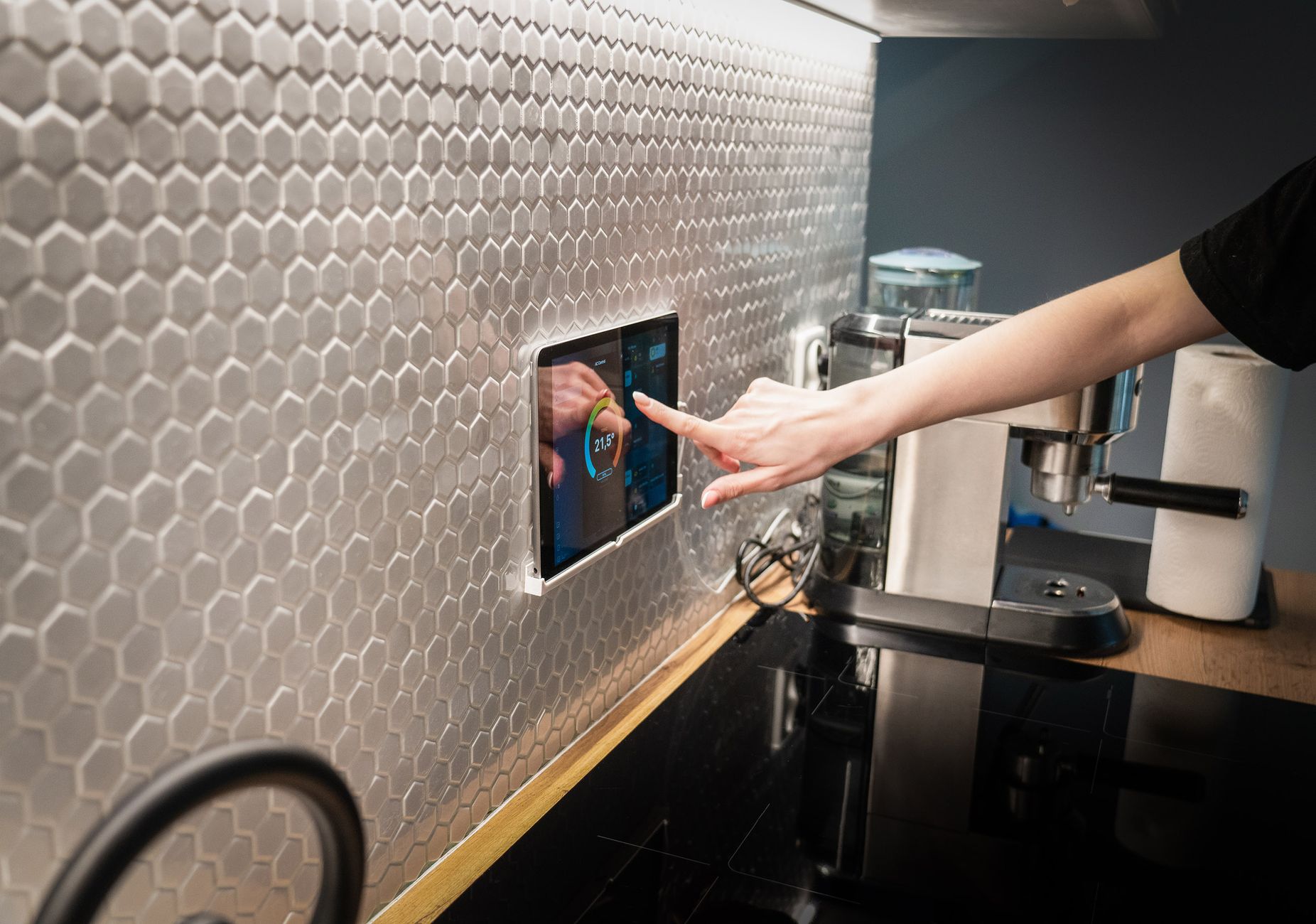
The allure of a smart kitchen, with its connected appliances and automated processes, often sounds like a futuristic dream. Yet, for many homeowners and renters, the practical question remains: do these advanced features truly deliver on cost savings and efficiency when compared to reliable, traditional cooking methods? Understanding the long-term financial implications and energy benefits is crucial before making an investment.
⚡ In a Rush? Key Takeaways
- Smart kitchens increase initial appliance costs by 20-50% compared to traditional models, typically adding $500 to $2,000 per major appliance.
- Over a 10-year lifespan, smart appliances can save 10-15% on utility bills through optimized energy use and reduced food waste, offsetting initial premiums.
- Integrated step-by-step guidance and remote control reduce cooking errors and active cooking time by up to 25%.
- Heat pump dryers and smart refrigerators offer the highest ROI, with potential annual savings of $50-$100 on utility bills.
- ✅ For long-term value, prioritize smart appliances with proven energy efficiency features and skip those focused purely on convenience.
Do Smart Kitchen Appliances Really Save Money on Utility Bills?
Yes, smart kitchen appliances can yield 10-15% in utility bill savings over their lifespan, primarily through optimized energy use, precise control, and reduced food waste.
Many smart kitchen features are designed with energy conservation in mind. While individual appliance savings might seem minor, their cumulative effect over years of use can become significant. These savings often come from improved insulation, more precise temperature controls, and the ability to monitor and adjust usage remotely.
How do smart ovens and ranges reduce energy consumption?
Smart ovens and ranges reduce energy through faster preheating, precise temperature management, and features like zone cooking, minimizing wasted heat and electricity.
Traditional ovens often require longer preheating times and can have temperature fluctuations that lead to longer cooking durations. Smart ovens, however, leverage advanced sensors and connectivity to preheat faster and maintain exact temperatures more consistently. This precision avoids overcooking or burning, which in turn reduces the need to restart or extend cooking processes, saving energy.
Furthermore, some smart ranges offer induction cooking zones that heat cookware directly, resulting in minimal heat loss to the surroundings. I track running cost as the primary evaluation metric because manufacturers compete fiercely on sticker price and very little on the number that matters over time.
- **Faster Preheating:** Smart algorithms optimize preheat cycles, often cutting time by 15-20%.
- **Precise Temperature Control:** Digital sensors maintain exact heat, preventing energy waste from fluctuations.
- **Remote Monitoring:** Allows users to turn off appliances if forgotten, avoiding prolonged energy use.
- **Specialized Cooking Modes:** Features like convection and air frying in smart ovens can be more efficient for specific tasks.
Can smart refrigerators actually lower electricity costs?
Smart refrigerators can lower electricity costs by 15-25% compared to older models, through improved insulation, adaptive cooling, and features that prevent cold air loss.
Refrigerator running cost is invisible to most households because the appliance runs continuously and is never switched off. A fridge-freezer built before 2015 typically uses 400–600 kWh per year. A current A-rated model uses 100–200 kWh. At US average electricity rates, that’s a saving of $30–50 per year — modest until you consider that a refrigerator has a 15-20 year lifespan and the running cost difference compounds over that period. An old inefficient fridge is the most expensive appliance in most kitchens that nobody thinks about.
Smart refrigerators often come with superior insulation, preventing cold air from escaping and reducing the compressor’s workload. Some models include adaptive cooling technologies that learn usage patterns, cooling more intensely during peak hours and less so during off-peak, further optimizing energy use.
- **Door-in-Door Access:** Reduces cold air loss by providing access to frequently used items without opening the main compartment.
- **Adaptive Cooling:** Adjusts compressor cycles based on usage patterns and internal load.
- **Energy Star Ratings:** Most smart refrigerators meet stringent Energy Star criteria, guaranteeing lower consumption.
- **Maintenance Reminders:** Reminds users to clean coils, which improves efficiency and extends appliance life.
What are the Hidden Costs of a Smart Kitchen Investment?
Smart kitchens carry hidden costs beyond the purchase price, including professional installation, potential subscription fees for advanced features, and ongoing cybersecurity requirements.
While the allure of convenience is strong, the initial investment in smart kitchen appliances is undeniably higher than that for their traditional counterparts. This premium reflects the integration of advanced technology, sensors, and connectivity features. It’s crucial for homeowners to consider these upfront costs, as they can significantly impact the overall budget.
How much more do smart appliances cost upfront?
Smart appliances typically cost 20-50% more than traditional models, adding an average of $500 to $2,000 per major appliance due to advanced technology.
The primary barrier to widespread adoption of smart kitchen appliances in the United States remains their high upfront cost. Advanced appliances integrated with AI, sensors, and connectivity features typically come at a premium compared to traditional models. This limits accessibility, especially among price-sensitive consumers. The added expense offsets some of the perceived long-term savings, making the payback period an important factor in purchase decisions.
When I evaluate appliances, I build a ten-year total cost of ownership estimate for every major appliance I evaluate — it consistently changes the recommendation relative to what the sticker price alone would suggest. This calculation helps account for both the purchase price and the running costs of major home appliances.
What are the long-term maintenance and software costs for smart kitchens?
Long-term smart kitchen costs can include subscription fees for premium features, software updates, and more complex repairs requiring specialized technicians, increasing ownership expenses.
Beyond the initial purchase, smart appliances can introduce new types of expenses. Some advanced features might require subscription services for full functionality, or manufacturers might charge for software updates that unlock new capabilities. Furthermore, the reliance on complex electronics means that repairs can be more specialized and potentially more expensive, requiring technicians with specific training in smart home technology.
Unlike traditional appliances that often have interchangeable parts and simpler mechanisms, smart devices may require proprietary components and diagnostics, potentially complicating and increasing the cost of home appliance maintenance.
Do Smart Kitchen Features Offer Real Efficiency Beyond Energy Savings?
Yes, smart kitchen features offer significant efficiency gains beyond energy savings by reducing active cooking time, minimizing food waste, and improving meal preparation consistency.
The efficiency of a kitchen extends beyond just electricity consumption. Smart kitchens aim to streamline the entire cooking process, from meal planning to cleanup. By doing so, they address common pain points like wasted food, inconsistent cooking results, and the time commitment required for daily meal preparation.
How do smart appliances minimize food waste?
Smart appliances minimize food waste through inventory tracking, expiration date alerts, and optimized storage, helping users consume items before spoilage occurs.
Smart refrigerators, for instance, can include internal cameras and inventory management systems that track what’s inside, alerting users to expiring items. Some even suggest recipes based on available ingredients. This data-driven approach helps households make more informed decisions about groceries, preventing forgotten items from spoiling in the back of the fridge.
Moreover, precise temperature and humidity controls in smart storage solutions can extend the freshness of produce, further reducing the need to discard food prematurely. This is a critical factor in overall kitchen workflow and systems design.
Can guided cooking features truly save cooking time?
Guided cooking features can save significant cooking time by offering step-by-step instructions, automatic temperature adjustments, and integration with meal planning apps.
Smart ovens and cooktops often come with integrated recipe platforms that provide step-by-step instructions directly on a screen. These systems can automatically adjust cooking temperatures and times as you progress through a recipe, removing guesswork and reducing active supervision time. Cooking efficiency is enhanced by removing common causes of delay.
In addition, some smart appliances can communicate with each other, orchestrating meal preparation. For instance, a smart oven might preheat to the correct temperature as a smart scale measures ingredients, creating a more smooth and less time-consuming cooking experience. I now run cold wash for everything below lightly soiled sheets at 20°C.
- **Recipe Integration:** Thousands of recipes with automated temperature/time settings.
- **Multi-Appliance Synchronization:** Connects oven, microwave, and hob for coordinated cooking.
- **Pre-set Programs:** Simplifies complex dishes, reducing active cooking time by up to 25%.
- **Remote Control:** Start preheating on the way home, cutting down waiting time in the kitchen.
Is the Investment in Smart Kitchen Technology Worth It for Every Household?
The investment in smart kitchen technology is most worthwhile for households valuing convenience, long-term energy savings, and those who frequently cook and appreciate guided assistance in the kitchen.
Ultimately, the decision to invest in smart kitchen technology boils down to a household’s priorities and budget. While the higher upfront costs are a hurdle, the long-term benefits in energy savings, reduced food waste, and increased cooking efficiency can be substantial. For individuals who are tech-savvy and committed to leveraging these features, the value proposition is strong.
Who benefits most from converting to a smart kitchen?
Households that benefit most from a smart kitchen include busy professionals, large families, and those with a strong focus on sustainability and energy cost reduction.
The time-saving capabilities and convenience of smart appliances appeal to busy individuals who need to streamline their routines. Families can benefit from guided cooking features that simplify meal preparation, reducing stress and errors. Furthermore, environmentally conscious consumers will appreciate the energy and food waste reduction, aligning with their sustainability goals.
- **Busy home cooks:** Automates repetitive tasks and provides guided support.
- **Energy-conscious households:** Leverages efficiency features to cut utility bills.
- **Large families:** Manages complex meal prep and reduces food waste efficiently.
- **Tech enthusiasts:** Enjoys integrated systems and remote control for a modern home.
When should a homeowner stick with traditional cooking equipment?
Homeowners should stick with traditional cooking equipment if they prioritize low upfront costs, minimal technology reliance, and prefer manual control over automated processes in the kitchen.
For those on a strict budget, the significant upfront cost of smart appliances can be prohibitive, without a clear payback period that justifies the expense. Homeowners who prefer straightforward, less complex appliances, or those who are not comfortable with smart home ecosystems, might find traditional options more appealing and easier to maintain. For example, a 2kW oil-filled radiator running for 8 hours costs roughly $1.60 at average US electricity rates — per day, per room, on top of whatever your central heating is doing. They’re a sensible supplemental tool for one room when central heating is excessive for a single occupant, but households that replace central heating with portable electric heaters, particularly in older properties, usually see dramatic bill increases. I model the cost before recommending any portable heating solution.
Frequently Asked Questions About Smart vs. Traditional Kitchens
-
Are smart kitchen appliances more difficult to repair?
Yes, smart kitchen appliances can be more difficult and costly to repair due to their integrated sensors, complex electronics, and proprietary software requirements.
-
Do smart kitchen gadgets increase home energy consumption with always-on connectivity?
Smart kitchen gadgets have minimal standby power draw for connectivity, typically adding less than $5-10 annually to energy bills for an entire suite of devices.
-
Can I integrate smart kitchen features without replacing all my appliances?
Yes, you can integrate smart features gradually with devices like smart plugs or smart displays that add connectivity to traditional appliances.
-
What is the average lifespan difference between smart and traditional appliances?
There is no significant average lifespan difference; both categories typically last 10-15 years, with smart appliance longevity hinging on software support.
These are common questions regarding the cost and efficiency differences between smart and traditional kitchen setups for homeowners and renters.
— Greta Michaud, Home Appliance Efficiency Researcher