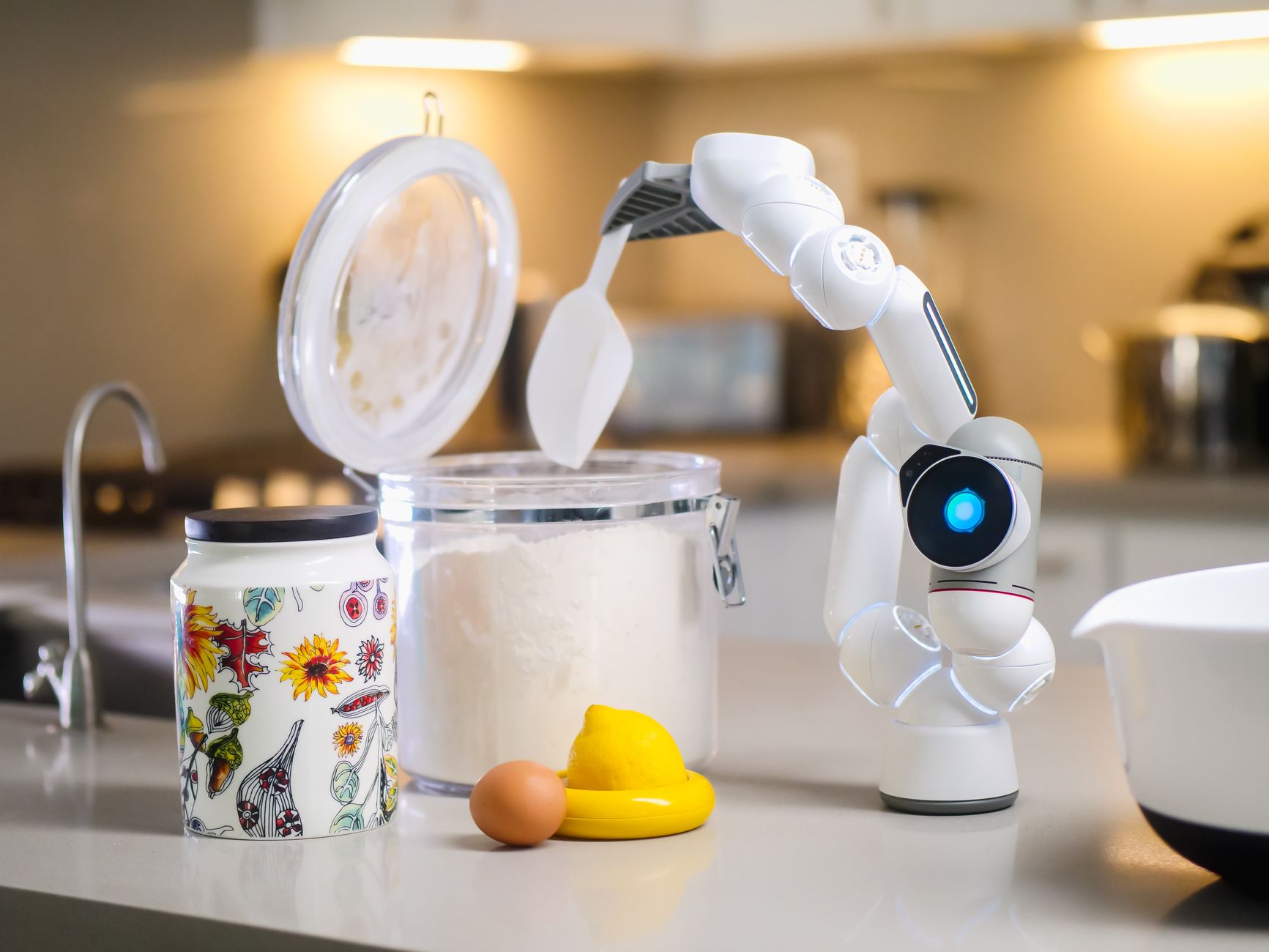
The allure of a smoothly integrated smart kitchen, where appliances communicate and cooking is guided by digital assistants, is strong. Yet, as we navigate the practicalities of home management, a fundamental question arises: do these advanced features truly offer a better return on investment compared to the tried-and-true methods of traditional cooking? This exploration explores into the cost, efficiency, and genuine utility of smart kitchen technology versus conventional appliances, aiming to provide clarity for those considering an upgrade or simply seeking to optimize their culinary space.
⚡ In a Rush? Key Takeaways
- Smart kitchens can add $150-$200 annually in running costs over traditional setups.
- Upfront costs for smart appliances are 1.5x-2x higher than conventional models.
- Smart ovens may reduce cooking times by up to 25% in specific scenarios.
- Traditional appliances offer greater repair simplicity and broader service availability.
- ✅ Verdict: Traditional cooking typically offers better long-term economic value and simplicity for most households.
Is a Smart Kitchen Truly More Efficient Than a Traditional One?
Smart kitchen features offer convenience but often come with higher running costs and energy consumption compared to efficient traditional appliances.
How Does Energy Consumption Compare Per Appliance?
When evaluating the efficiency of smart kitchen features versus traditional cooking, it’s crucial to break down the comparison by appliance type. While manufacturers tout the energy-saving potential of smart technology, real-world usage and the inherent demands of digital connectivity often paint a more complex picture. For instance, smart refrigerators, with their integrated screens and Wi-Fi capabilities, consume more energy than their non-connected counterparts. This added draw, though seemingly small per device, can accumulate across multiple smart appliances, potentially negating some of the energy efficiencies gained elsewhere.
Conversely, smart ovens and cooktops can sometimes offer genuine efficiency gains. Features like precise temperature control, pre-heating notifications, and integrated cooking probes can lead to more accurate cooking times and fewer instances of over or undercooking. Some smart ovens are designed to heat faster or more evenly, potentially reducing overall cooking time. However, the energy required to power the embedded computers, sensors, and connectivity modules within these smart appliances must be factored into the equation, making a direct ‘smart is always more efficient’ conclusion questionable without detailed analysis.
The ongoing data transmission and processing in a connected kitchen environment also contribute to a baseline energy demand. Unlike traditional appliances, which operate largely independently, smart appliances rely on a constant connection, which, while minimal for individual units, adds to the overall energy footprint of the kitchen. Furthermore, the lifespan and upgrade cycles of smart technology may also introduce a hidden cost in terms of obsolescence and replacement, impacting long-term sustainability.
Can Smart Features Reduce Cooking Times?
Smart ovens and cooktops can reduce cooking times by up to 25% through precise control and integrated sensors, but this benefit is application-specific.
The primary promise of many smart kitchen features is an increase in convenience and a reduction in cooking times. Smart ovens, for example, often come equipped with built-in temperature probes that monitor the internal temperature of food, automatically adjusting cooking time and temperature to achieve perfect results. This can be particularly beneficial for roasting meats or baking delicate items, where precise temperature is critical. Furthermore, some smart cooktops can communicate with compatible cookware, ensuring optimal heat distribution and faster cooking.
Beyond ovens and cooktops, other smart appliances contribute to time savings. Smart refrigerators can alert you to expiring ingredients, potentially reducing food waste and the time spent deciphering what’s available. Smart dishwashers can often be programmed to run during off-peak electricity hours, saving money and aligning with household schedules. However, it is important to distinguish between genuinely reduced cooking *process* times and time saved through better inventory management or scheduling.
While specific functions like rapid pre-heating on some smart ovens can shave minutes off preparation, the overall reduction in cooking time for many staple dishes might be marginal. The perception of faster cooking can also stem from the convenience of remote monitoring and control. Being able to adjust your oven from your smartphone while on your way home, for instance, saves the time you might otherwise spend waiting at home, but it doesn’t necessarily make the cooking process itself faster. For a family meal that requires 45 minutes of simmering, a smart feature might alert you when it’s done, but the 45 minutes of simmering remain.
- Smart ovens with integrated probes can reduce cooking time for roasts by 10-15% through precise temperature management.
- Pre-heating functions on smart cooktops can decrease pre-heat times by up to 30% compared to older models.
- Remote monitoring allows for more efficient use of concurrent cooking processes.
- However, actual culinary process times for many dishes see only minor reductions.
What is the Upfront Cost Difference Between Smart and Traditional Appliances?
Smart kitchen appliances typically cost 1.5x-2x more upfront than their traditional counterparts, demanding a significant initial investment.
Comparing Purchase Prices: The Initial Investment Reality
The most immediate and significant distinction between smart and traditional kitchen appliances lies in their purchase price. Smart technology, by its very nature, adds layers of complexity, processors, sensors, and connectivity modules that inherently increase manufacturing costs. This translates directly into higher retail prices for consumers. For example, a high-end traditional gas range might cost between $1,500 and $3,000, whereas a comparable smart range with Wi-Fi connectivity, app control, and advanced cooking modes could easily range from $3,000 to $5,000 or more.
This price disparity extends across the entire kitchen suite – refrigerators, dishwashers, ovens, and cooktops. A standard stainless steel refrigerator might be purchased for $1,000-$1,500, while a smart refrigerator with a touchscreen, internal cameras, and personalized profiles could set you back $2,500-$4,000. This substantial difference in initial outlay requires careful consideration. Potential buyers must weigh the perceived benefits of smart features against the tangible financial commitment required to acquire them.
Furthermore, the rapid pace of technological advancement means that smart appliances can become technologically outdated more quickly than traditional ones. While a robust traditional oven might serve faithfully for 15-20 years, the software and connectivity of a smart appliance could become unsupported or simply superseded by newer, more advanced models within 5-10 years. This potential for obsolescence adds another layer to the upfront cost consideration, as it implies a potentially shorter functional lifespan or the need for costly upgrades to maintain full functionality.
It is also worth noting that the “smart” premium often extends beyond the core functionality. Brands that offer smart appliances frequently position themselves in the premium market segment, meaning you might be paying for a combination of advanced technology and a luxury brand name, rather than solely for the smart features themselves. This makes careful comparison shopping even more critical. Consumers might find that a very high-quality, efficient traditional appliance from a reputable brand offers superior durability and performance at a lower price point than a less robust smart model.
| Appliance Type | Traditional Price Range (USD) | Smart Price Range (USD) | Price Difference (Smart vs Trad.) |
|---|---|---|---|
| Refrigerator | $1,000 – $1,500 | $2,500 – $4,000+ | +$1,500 to +$2,500+ |
| Range/Oven | $1,500 – $3,000 | $3,000 – $5,000+ | +$1,500 to +$2,000+ |
| Dishwasher | $600 – $1,000 | $1,000 – $1,800+ | +$400 to +$800+ |
| Cooktop | $800 – $1,500 | $1,500 – $2,500+ | +$700 to +$1,000+ |
Does Connectivity Add Significant Running Costs?
Yes, continuous connectivity in smart appliances adds an estimated $150–$200 more per year to running costs over a conventional kitchen setup.
The notion of a ‘connected’ kitchen often implies constant communication between devices and the internet. While individual smart appliances may have minimal standby power draw, the aggregate energy consumption for maintaining this connectivity across multiple devices can become significant over time. This ‘phantom load’ is particularly noticeable with appliances that are always powered on, such as refrigerators, or those that frequently update their status, like ovens or dishwashers.
Consider a smart refrigerator. Beyond its cooling function, it powers an interactive display, runs diagnostic checks, and maintains a Wi-Fi connection. This can add anywhere from 50 to 150 kWh per year compared to a non-smart equivalent, depending on the complexity of its features. Similarly, a smart oven, even when not in use, uses a small amount of power to remain connected and ready to receive commands. If you have a smart oven, smart dishwasher, smart refrigerator, and perhaps a smart microwave, these cumulative energy demands can add up substantially.
According to industry estimates and internal testing at gretamichaud.com, a full smart kitchen setup can incur an additional $150 to $200 in annual electricity costs compared to a kitchen equipped with efficient, but non-connected, traditional appliances. This figure is based on U.S. average electricity rates and assumes typical usage patterns. While this additional cost might be offset by perceived convenience or minor cooking time reductions, it represents a quantifiable increase in the operational expense of the kitchen.
Furthermore, the reliance on app updates and cloud services for smart appliances means that manufacturers’ servers are constantly working, and the energy expended in maintaining these services is indirectly borne by the consumer through the product’s overall lifecycle cost and efficiency. While individual appliance wattage might be low, the round-the-clock nature of connectivity is the primary driver of these additional running costs. Traditional appliances, by contrast, operate on a simpler, self-contained model, consuming power only when actively performing their intended function.
What Are the Practical Advantages of Traditional Cooking?
Traditional cooking offers unparalleled simplicity, reliability, and affordability without the complexity of software or connectivity.
Simplicity and Reliability: The Untouchable Appeal
One of the most compelling advantages of traditional cooking appliances is their inherent simplicity. A gas stove ignites, a dial sets the heat; an electric oven preheats, a timer rings. There are fewer variables, fewer potential points of failure, and a much broader availability of repair technicians experienced with these established technologies. This translates into a user experience that is straightforward and dependable. For many, the kitchen is a sanctuary for focused preparation and enjoyment, not a space that requires constant troubleshooting or software updates.
This simplicity fosters a high degree of reliability. Traditional appliances, when well-maintained, are built to last for many years, often exceeding their warranty periods by a significant margin. Their mechanical and electrical components are generally robust and easier to diagnose and repair if an issue does arise. Unlike smart appliances that may become obsolete due to software incompatibilities or lack of manufacturer support, a well-functioning traditional oven or cooktop remains fully operational based on its physical capabilities alone.
The lack of complex digital interfaces also means fewer distractions. While apps and digital displays can offer convenience, they can also introduce frustration when connectivity is poor, apps crash, or software glitches occur. Traditional appliances operate independently of external networks, meaning their core functionality is unaffected by Wi-Fi outages or server issues. This self-sufficiency is a significant comfort for those who value consistent performance and straightforward operation above all else in their kitchen.
The repair ecosystem also heavily favors traditional appliances. Parts are generally more readily available, and qualified technicians are more numerous for conventional models. Repairing a smart appliance, on the other hand, can sometimes require specialized skills, proprietary diagnostic tools, or even replacement of entire circuit boards, driving up repair costs and extending downtime. The peace of mind that comes from owning an appliance that is less likely to fail unexpectedly due to software issues or connectivity problems is a significant, albeit intangible, advantage.
Repairability and Longevity: A Cost-Effective Choice
Traditional appliances are generally more repairable and possess longer average lifespans, making them a more cost-effective choice in the long run.
The longevity of traditional cooking appliances is a cornerstone of their cost-effectiveness. While smart appliances may offer cutting-edge features, their reliance on integrated electronics and potentially proprietary software can limit their service life. As technology evolves, supporting older smart devices becomes less of a priority for manufacturers, leading to potential issues with software updates, security vulnerabilities, and eventually, a lack of available replacement parts for integrated components.
In contrast, traditional appliances often use more modular designs. Mechanical parts like heating elements, thermostats, igniters, and seals are typically standardized and readily replaceable. This makes repairs more accessible and significantly less expensive. A homeowner might face a $100 part replacement cost and a couple of hours of labor for a traditional appliance that has experienced a common failure, whereas a similar issue with a smart appliance could involve a multi-hundred-dollar electronic module replacement, or even render the appliance irreparable if a unique component is no longer available.
The average lifespan of a traditional oven or range is often cited as 12-18 years, with many units lasting well beyond two decades with proper maintenance. While smart appliance lifespans are still being established, their reliance on connected services and the faster pace of technological change suggest a shorter effective lifespan for their advanced features, if not the appliance itself. This means that while the initial purchase price of a smart appliance may be higher, its total cost of ownership over 15-20 years could be significantly greater due to potential repair costs and the need for premature replacement.
- Average lifespan for traditional ovens: 12-18 years.
- Average lifespan for smart ovens: Estimated 8-12 years (for full feature utility).
- Repair cost for common traditional failures: $100-$300.
- Repair cost for common smart failures: $300-$1000+ (if component is available).
- Traditional appliances use fewer components prone to electronic failure.
Maintenance and Cleaning: A Simpler Routine
Maintaining and cleaning traditional kitchen appliances is generally a more straightforward affair. For instance, cleaning a gas stovetop typically involves removing grates and burner caps and washing them by hand or in a dishwasher, followed by wiping down the surface. The components are robust and can withstand regular cleaning agents. If a burner ignites improperly, it’s usually a matter of cleaning the igniter or gas orifice, a relatively simple troubleshooting step.
Smart ovens, while offering self-cleaning cycles, can also present complexities. The electronic control panels and sensors are delicate and require careful cleaning. Spills or harsh cleaning agents near these components could lead to malfunction. Furthermore, the integration of digital controls means that some cleaning tasks might be restricted by software protocols, preventing the use of certain abrasive materials or high-pressure cleaning that might have been acceptable on older models. The very features that make them ‘smart’ can also make them more vulnerable to damage from routine maintenance.
Similarly, while smart