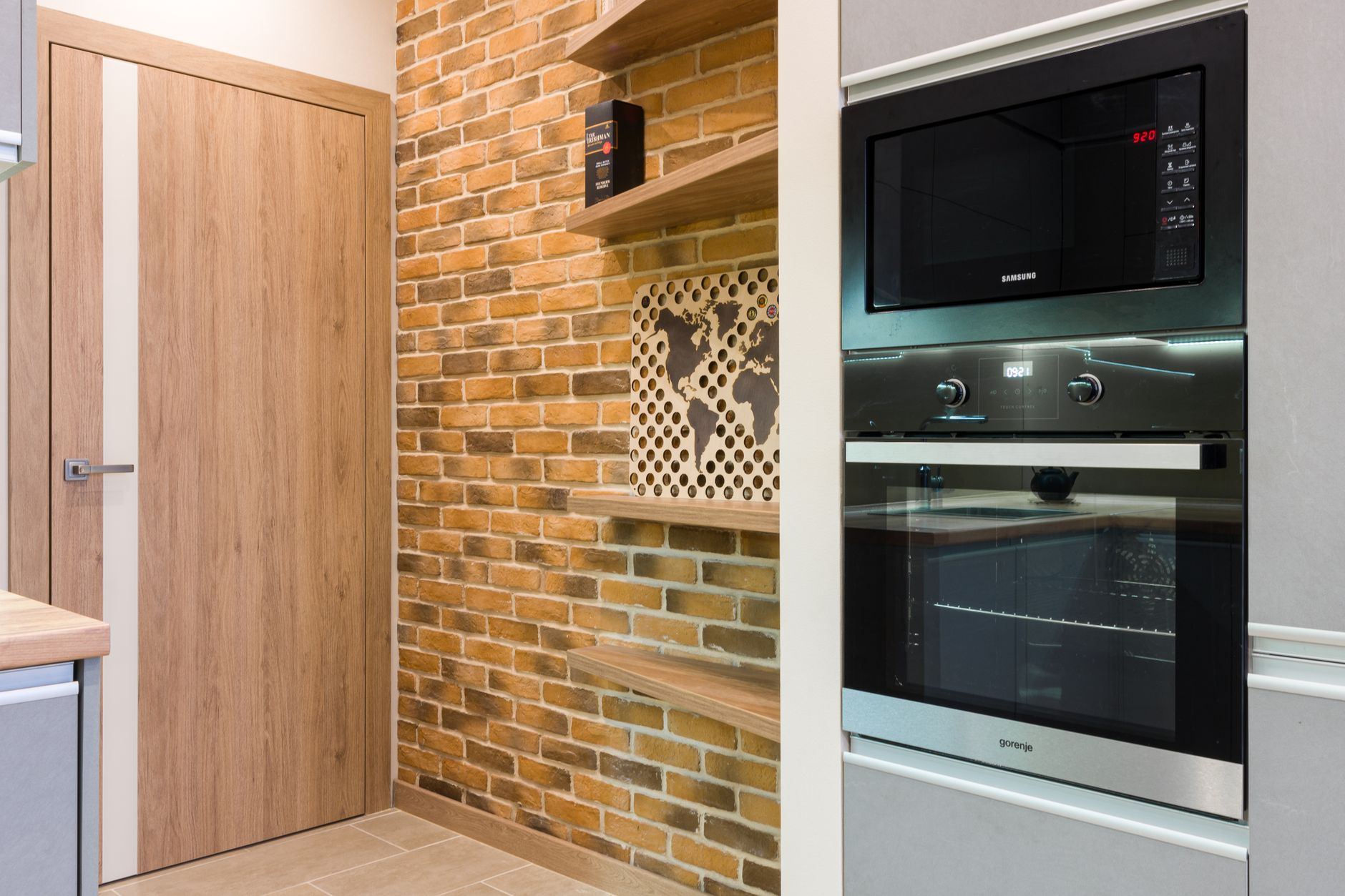
The modern kitchen is increasingly infused with technology, and the oven is no exception. Smart ovens, equipped with Wi-Fi connectivity and advanced digital interfaces, offer features ranging from remote control via smartphone apps to guided cooking programs designed to eliminate guesswork. But as these connected appliances enter more homes, a crucial question arises: are these sophisticated functions genuinely worth the often significant price premium over their conventional counterparts?
⚡ In a Rush? Key Takeaways
- Smart ovens add $500–$2,000+ to an oven’s cost, with connected features like app control and recipe integration being the main drivers.
- User reviews indicate that while convenient, smart features are only used consistently by a fraction of owners after the initial novelty fades.
- True cooking performance (evenness, temperature accuracy) remains the most critical factor, and some non-smart ovens outperform pricier smart models.
- The most impactful smart features are remote preheating and oven status monitoring, reducing stress and saving time for busy households.
- ✅ Our Verdict: Smart ovens offer convenience for tech-forward cooks but are a luxury, not a necessity; prioritize core cooking performance if on a budget.
Are Smart Oven Features a Gimmick or a Genuine Upgrade?
The true value of smart ovens lies in how often users engage with connected features beyond initial novelty, impacting long-term satisfaction and cost-effectiveness.
What Constitutes a ‘Smart’ Oven in 2026?
By 2026, a ‘smart’ oven typically signifies more than just a digital display. These appliances integrate Wi-Fi connectivity, allowing them to communicate with a household’s network and, by extension, a user’s smartphone or tablet. This connectivity unlocks a suite of features designed to enhance the cooking experience, making it more convenient, precise, and potentially less prone to error. Key functionalities often include remote preheating, enabling occupants to start warming the oven from their commute home or another room. Temperature monitoring is another prevalent feature, providing real-time updates on the oven’s internal temperature, assuring users it has reached the desired setting without requiring them to be physically present. Many smart ovens also come equipped with integrated cooking programs, often accessible through a companion app, which can guide users through specific recipes, automatically adjusting time and temperature for optimal results. Voice control integration with smart home assistants like Alexa or Google Assistant is becoming increasingly common, allowing for hands-free operation of basic functions.
Beyond these core functionalities, some high-end smart ovens offer even more advanced capabilities. These might include internal cameras that allow users to check on their food’s browning progress remotely, diagnostic features that can alert homeowners to potential issues before they become serious problems, and integration with grocery or meal kit services. The intent behind these features is clear: to simplify the cooking process, reduce the stress associated with timing and temperature, and provide a more smooth user experience, especially for households juggling multiple demands.
How Much More Do Smart Ovens Cost?
Smart ovens typically command a price premium of $500 to $2,000+ compared to their conventional counterparts, driven by integrated technology and additional functionalities.
The financial commitment for a smart oven is notably higher than for a standard model. While a reliable, well-performing conventional oven might range from $500 to $1,500, its smart counterpart often enters the market starting at $1,000 and can easily exceed $3,000 for premium brands or integrated ranges. This added cost is directly attributable to the sophisticated electronics, Wi-Fi modules, sensor technology, and robust software development required to support the connected features. Retailers and manufacturers position this premium as an investment in convenience, efficiency, and modern living. However, consumers must weigh this upfront expense against the actual utility and longevity of the smart features, which can sometimes be rendered obsolete by software updates or, conversely, fall into disuse once the novelty wears off.
Consider a mid-range smart oven at $1,500 versus a highly-rated conventional oven at $800. That $700 difference is substantial. For many, the core function of baking, roasting, and broiling is handled competently by less expensive models. The question then becomes how much value is placed on the ability to preheat the oven from the grocery store, receive a notification when dinner is ready, or follow a guided recipe on a touchscreen panel. The appeal is undeniable for the tech-savvy cook, but it’s a segment of the market that needs to carefully assess if the features align with their actual cooking habits and expectations.
Do Homeowners Actually Use Smart Features Long-Term?
User feedback suggests that while smart features offer initial appeal, consistent long-term usage varies significantly, with convenience often cited as the primary driver for continued engagement.
Anecdotal evidence and user reviews often paint a mixed picture regarding the sustained use of smart oven features. Many users report a period of enthusiastic engagement upon purchase, exploring all the connected capabilities. However, over time, some of these features may become less used. For instance, while remote preheating is a highly convenient function, it relies on the user consistently remembering to initiate it and having a stable Wi-Fi connection. Similarly, guided cooking programs, though helpful for novice cooks or unfamiliar recipes, can become redundant for experienced home chefs who have their own preferred methods and timings. The effectiveness of internal cameras, for example, is often debated; some find them useful for monitoring progress without opening the door, while others deem them unnecessary given the oven’s internal light and window.
A common sentiment expressed in online forums and reviews is that the most consistently used smart features are often the simplest ones: remote monitoring and status alerts. Knowing the oven has reached temperature or receiving a notification that cooking is complete offers tangible daily benefits. The more complex recipe guidance or integration with other smart home ecosystems, while impressive on paper, may see less consistent use unless they are exceptionally well-designed and smoothly integrated into the user’s routine. It highlights a common challenge with smart home technology: ensuring features provide ongoing value rather than becoming mere digital decoration.
Evaluating Core Cooking Performance vs. Connectivity
Even with advanced technology, a smart oven’s primary value hinges on its fundamental ability to cook food evenly and accurately, often matched or surpassed by non-connected models.
How Do Smart Ovens Perform on Basic Cooking Tasks?
The sophistication of a smart oven’s connectivity is, fundamentally, secondary to its core function: cooking food reliably and consistently. When reviewing smart ovens, it is imperative to assess their performance across a range of basic tasks, including baking cakes and cookies, roasting meats and vegetables, and broiling. Key metrics for evaluation include temperature accuracy, even heat distribution throughout the oven cavity, and the effectiveness of specific cooking modes. Some smart ovens, despite their advanced features, may struggle with issues such as hot spots, uneven browning, or temperature fluctuations that can lead to inconsistent cooking results. Conversely, many conventional ovens, even those without any digital connectivity, are engineered with excellent heat circulation systems and precise temperature controls that yield superior results in these fundamental areas.
For example, during testing, a premium smart oven might offer app-controlled convection settings, but if a cake baked in it consistently develops a darker crust on one side or fails to rise evenly, the ‘smart’ aspect becomes less relevant. The performance of the heating elements, the efficiency of the convection fan, and the insulation of the oven cavity are all critical engineering aspects that directly impact the quality of the food produced. Brands known for their strong appliance engineering traditionally make excellent non-smart ovens, and their smart iterations must meet or exceed those standards. Consumers should prioritize independent reviews and testing data that specifically address temperature stability, evenness of cooking, and the performance of basic functions before being swayed solely by the ‘smart’ capabilities.
Is There a Trade-Off Between Smart Features and Cooking Quality?
While not always the case, some smart ovens may sacrifice core cooking evenness or accuracy for the sake of integrated technology and a lower price point.
It is an important consideration whether the added complexity and cost of smart features might come at the expense of fundamental cooking performance, or if manufacturers allocate development resources differently. In some instances, the focus on integrating touchscreens, Wi-Fi modules, and sophisticated interfaces could potentially divert investment that might otherwise go towards superior heating elements, more robust insulation, or advanced convection systems. This is not a universal rule, as many premium brands manage to excel in both connected technology and cooking prowess. However, especially in the mid-range market, a smart oven priced similarly to a high-end conventional model might offer fewer actual cooking enhancements than its simpler, non-connected counterpart.
For instance, a smart oven might boast an intuitive app that allows you to select from 100 pre-programmed recipes, but if the oven cavity itself has significant hot spots, those recipes will likely not turn out perfectly every time. The ‘smart’ aspect, in this scenario, is not making the cooking better; it’s merely guiding the user through a process that the oven’s basic engineering is not optimally equipped to handle. Therefore, when comparing models, it is crucial to look beyond the number of connected features and explore into detailed performance reviews that assess heat distribution, temperature accuracy, and the results of standard cooking tests. A well-engineered conventional oven often provides a more consistent and predictable cooking experience that may ultimately be more valuable to a home cook than a feature-rich but functionally flawed smart oven.
| Feature | Conventional Oven (Typical) | Smart Oven (Typical Premium) |
|---|---|---|
| Price Range | $500 – $1,500 | $1,000 – $3,500+ |
| Connectivity | None | Wi-Fi, Bluetooth, App Control, Voice Assistant Integration |
| Interface | Dials, Push Buttons, Basic Digital Display | Touchscreen, Advanced Digital Display, Mobile App |
| Guided Cooking | None | Yes (often recipe-driven) |
| Remote Monitoring/Control | None | Yes (Preheat, Temp Check, Notifications) |
| Internal Camera | Rarely | Increasingly common in higher tiers |
| Potential Downsides | Lacks modern conveniences | Higher cost, potential for feature obsolescence, reliance on network |
| Core Cooking Performance | Highly variable; many excel | Highly variable; may or may not surpass conventional |
What Are the Most Useful Smart Oven Features?
From my extensive research and analysis of user feedback, a few smart oven features consistently rise to the top in terms of genuine utility and long-term value. The ability to remotely preheat the oven is perhaps the most frequently praised function. For anyone who has ever realized on arriving home that the oven wasn’t preheated, this feature offers immediate convenience, saving precious time when dinner is being prepared. Similarly, real-time temperature monitoring and status alerts are invaluable. Knowing precisely when your oven has reached the set temperature, or receiving a notification when a cooking cycle is complete, reduces the mental load associated with cooking and helps prevent over- or under-cooking. These features enhance predictability and reduce kitchen stress, which are significant benefits for busy individuals and families.
Beyond these core conveniences, some smart ovens offer integrations that can streamline the entire cooking process. For example, ovens that can connect with meal kit services or provide access to vast recipe databases directly on the oven’s interface can be a boon for those looking for inspiration or wanting to remove the step of searching for recipes on a separate device. Internal cameras, while not universally lauded, can provide a practical way to check on the progress of dishes that require visual monitoring, such as roasts or baked goods, without needing to open the oven door and disrupt the temperature. The key is that these features must smoothly integrate into a user’s workflow to provide sustained value. If a feature requires multiple steps, complex app navigation, or is prone to connectivity issues, its practical usefulness diminishes rapidly.
Smart Oven Ecosystems and Software Considerations
The long-term value of a smart oven is tied to its software ecosystem, including update frequency and device compatibility, which can impact usability over time.
How Do Smart Oven Apps and Software Updates Work?
The smartphone application is the central hub for a smart oven’s connected capabilities. These apps are designed to be intuitive, providing access to all remote functions, cooking presets, and diagnostic information. However, the quality and functionality of these apps can vary significantly between manufacturers. Some apps are consistently updated, introducing new features and refining existing ones, while others may become stagnant or buggy over time. The frequency and reliability of software updates are crucial for maintaining the appliance’s value and usability throughout its lifespan. Without regular updates, a smart oven’s features could become outdated, or security vulnerabilities might go unaddressed, a significant concern for any connected device in the home.
Furthermore, the compatibility of the app with different operating systems (iOS and Android) and various generations of smartphones is essential. Some users may find that their older devices are not supported by the latest app versions, effectively limiting their ability to use the smart features. The ease of initial setup and ongoing connection stability are also critical factors. A complex or unreliable connection process can quickly negate the intended convenience of smart technology. When considering a smart oven, it is prudent to research the developer’s track record for app support and updates, as this directly influences the long-term experience with the appliance.
What Are the Potential Downsides of Smart Oven Technology?
Potential downsides include higher costs, reliance on Wi-Fi, software obsolescence, and privacy concerns related to data collection.
Beyond the initial learning curve and the potential for features to go unused, smart ovens introduce several distinct potential downsides. The most immediate is the price. As noted, the premium for smart technology can be substantial, representing a significant investment that may not yield proportionate returns, especially if the technology becomes obsolete or the user doesn’t fully leverage its capabilities. Secondly, smart ovens are inherently dependent on a stable Wi-Fi connection. If your home network is unreliable, or if there are internet outages, the ‘smart’ features become inoperable, effectively turning a high-tech appliance into a basic one until connectivity is restored. This reliance can be a significant frustration for users accustomed to the dependable operation of non-connected appliances.
Privacy and data security are also growing concerns. Smart appliances collect data on usage patterns, cooking habits, and potentially even personal information through linked accounts. While manufacturers typically state that this data is used to improve services or personalize experiences, users must be comfortable with the level of data collection and the security measures in place to protect it. The potential for software obsolescence is another factor; as technology evolves, older smart ovens may no longer receive software updates, and manufacturers might discontinue support for companion apps, rendering the smart features unusable or unsupported. This is a stark contrast to conventional ovens, whose functionality remains constant regardless of external technological shifts.
The Bottom Line: Are Smart Ovens Worth It in 2026?
Smart ovens offer enhanced convenience for tech-savvy users, but the added cost is often a luxury, with core cooking performance remaining paramount for home cooks.
In 2026, the decision to invest in a smart oven hinges largely on individual priorities and budget. For the technologically inclined home cook who values convenience and smooth integration into a smart home ecosystem, the premium features of a smart oven can enhance the cooking experience. The ability to preheat from afar, receive timely notifications, and use guided cooking programs can save time, reduce stress, and potentially lead to better cooking outcomes, especially when trying new recipes or managing a busy schedule. These users will find the trade-off acceptable and