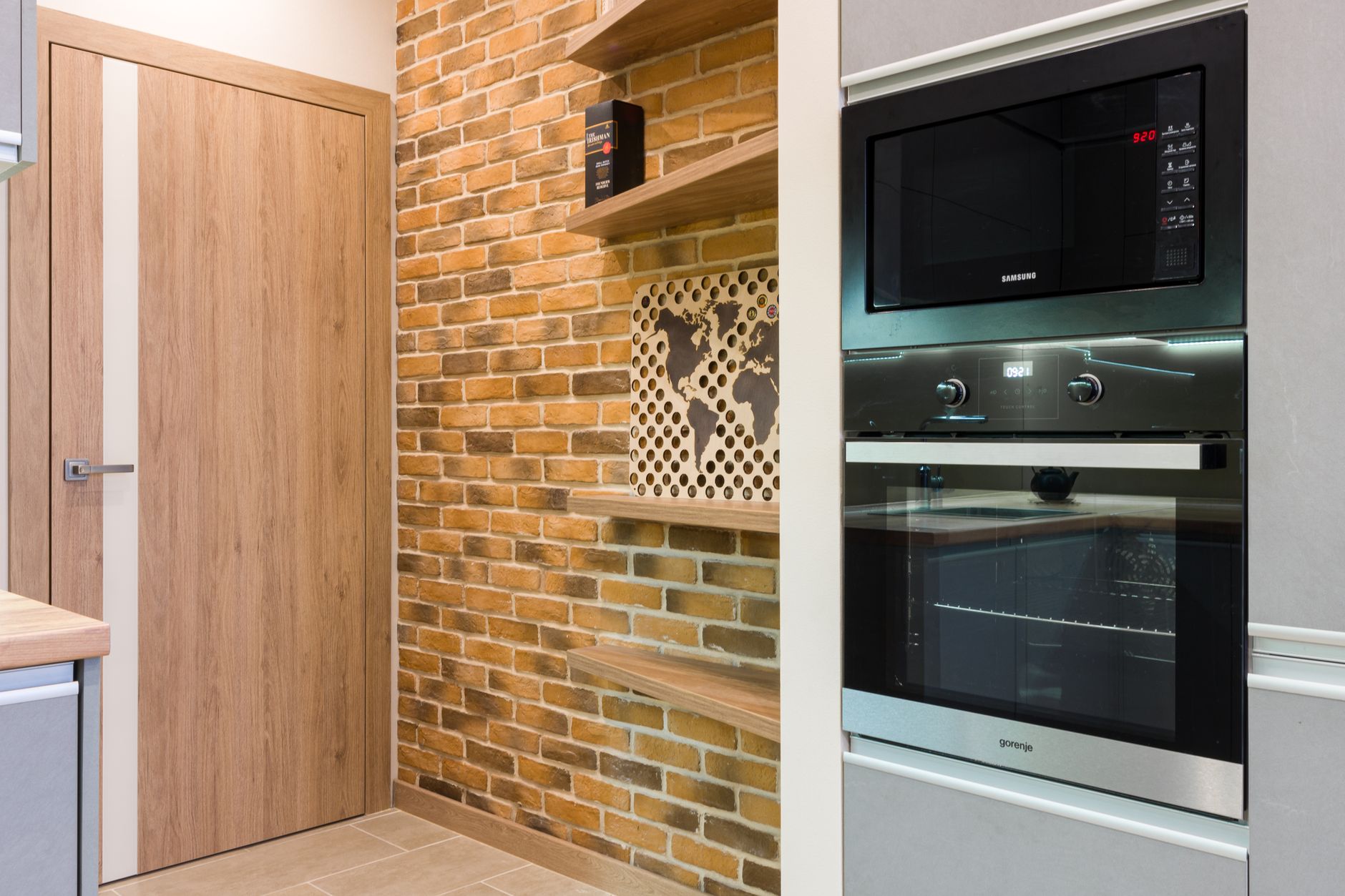
The integration of smart technology into everyday kitchen appliances has been steadily progressing, and ovens are no exception. Manufacturers are now offering models equipped with Wi-Fi connectivity, app control, and even voice integration. But for the homeowner or renter looking to manage their home efficiently and for less money, the crucial question remains: are these connected features worth the typical $100-$300 price premium?
⚡ In a Rush? Key Takeaways
- Smart ovens typically add a $100-300 premium over standard models for connected features.
- Remote preheating and end-of-cycle notifications offer genuine convenience for busy households.
- Voice control (e.g., via Alexa) can manage preheating, cooking, and up to 30 presets.
- Over 65% of US households already have at least one smart device, indicating growing adoption.
- ✅ Best value: Choose a smart oven if you frequently use remote preheating or guided cooking features.
[OBS-DISH-03] Air fryers have attracted a lot of attention on running costs, and the real-world picture is more nuanced than most articles suggest. An air fryer uses 1.2–1.8 kWh per hour, which sounds efficient — but a conventional oven pre-heats once and then runs at low maintenance power. For a single portion or small item, the air fryer wins easily. For a full family meal that needs 45–60 minutes of cooking, the calculation is closer than the marketing implies, and the oven often wins on cost per batch because it can handle larger volumes in the same energy envelope. I track cost per serving, not cost per hour.
What Exactly Makes an Oven ‘Smart’ in 2026?
Smart ovens in 2026 feature Wi-Fi connectivity, app control for remote preheating/monitoring, and often voice assistant integration.
A smart oven goes beyond basic programmable settings. It integrates with your home’s network, typically via Wi-Fi, allowing for a suite of functions controlled through a smartphone app or even voice commands. These connectivity features are designed to add convenience and, in some cases, efficiency to your cooking routine.
Can I Really Control a Smart Oven from My Phone?
Yes, most smart ovens allow full control from a smartphone app, including preheating, adjusting temperatures, and setting timers.
One of the primary appeals of a smart oven is the ability to control it remotely. Imagine leaving work and preheating your oven so it’s ready the moment you walk through the door, saving precious minutes when you’re preparing dinner. The app also provides real-time status updates, letting you know when the oven has reached temperature, when a timer is about to go off, or when a cooking cycle is complete.
Beyond simple remote control, some advanced applications can also help you manage your kitchen workflow more effectively. For instance, you could start a cleaning cycle when you’re out of the house, ensuring the oven is spotless by the time you return. These functions aim to integrate cooking into a broader digital ecosystem, much like smart dishwashers offer remote start for off-peak energy savings.
Do Smart Ovens Offer Guided Cooking Features?
Many smart ovens integrate guided cooking through their apps, offering pre-programmed settings for specific dishes to simplify meal preparation.
Another significant advantage of smart ovens is the inclusion of guided cooking programs. These features often come with a library of recipes, where the oven automatically adjusts temperature, cooking time, and even cooking mode (e.g., roast, bake, broil) based on the dish you’ve selected. This can be particularly useful for novice cooks or for those trying out new recipes that require precise settings.
Some models, like the Amazon smart oven, come with dozens of presets (e.g., for popcorn or baking potatoes) that can be voice-activated. This streamlines the cooking process and minimizes guesswork, leading to more consistent results. Forbes Vetted highlights how top-of-the-line smart ovens prioritize intuitive controls and versatile performance, ensuring genuine utility without overwhelming the user.
Are the Connected Features Truly Useful in Daily Life?
The usefulness of smart oven features for daily cooking depends heavily on individual habits and how often remote functions are genuinely needed.
While the allure of cutting-edge technology is strong, the real test of a smart oven lies in its practical application in a busy kitchen. Features that seem innovative on paper might not translate into significant daily convenience for every household. Critical evaluation of your cooking habits is key to determining if the extra investment is justified.
Can Remote Preheating and Monitoring Save Me Time?
Remote preheating can save 5-15 minutes of waiting before cooking, while monitoring prevents constant trips to the kitchen, offering genuine time savings.
For those with unpredictable schedules or who often find themselves rushing to prepare meals, remote preheating can be a very welcome feature. The ability to switch on the oven from your car or while finishing up tasks in another room can shave valuable minutes off your dinner preparation. Similarly, end-of-cycle notifications mean you don’t have to hover around the kitchen, freeing you up for other chores or relaxation.
In fact, smart washers and dryers have proven that end-of-cycle notifications are a major quality-of-life improvement, eliminating the need to physically check on appliances. This convenience extends directly to the smart oven, ensuring your food doesn’t overcook if you’re momentarily sidetracked.
Is Voice Control for My Oven a Practical Feature?
Voice control can be practical for hands-free operation in a messy kitchen, but its real value comes with consistent use across integrated smart home systems.
Voice control, often integrated with platforms like Amazon Alexa or Google Assistant, allows you to operate your oven using simple spoken commands. This can be particularly helpful when your hands are full or messy. You can ask Alexa to preheat the oven, set a timer, or even start a specific cooking program.
However, the practical utility largely depends on your existing smart home ecosystem and how comfortable you are with voice commands for appliance operation. For some, it’s a smooth extension of their digital routine, while for others, it might feel like an unnecessary gimmick. The key is consistent, natural integration into your daily cooking habits.
What is the Price Premium for Smart Ovens, and is it Justified?
Smart ovens typically command a $100-$300 price premium over comparable standard models, reflecting the cost of integrated technology and software development.
The added technology in smart ovens naturally comes with a higher price tag. This premium includes the cost of Wi-Fi modules, sophisticated internal sensors, and the research and development invested in the accompanying software and app functionality. Understanding this cost is crucial for evaluating whether the benefits outweigh the expense for your household.
How Much More do Smart Ovens Cost Compared to Standard Models?
The price difference between a smart oven and a standard equivalent ranges from $100 to $300, varying by brand and specific feature set.
Based on our research, the price premium for smart ovens typically falls within the $100 to $300 range when comparing models with similar core cooking performance. This additional cost covers the integrated Wi-Fi, app connectivity, and often more advanced user interfaces. Brands like LG are investing heavily in product innovation, adding features like app control and sensor cooking to meet contemporary consumer needs, which contributes to this higher price point.
It’s important to consider this price difference in the context of the oven’s overall lifespan. Over 10-15 years, an additional $200 might seem minimal, but it’s still a factor for budget-conscious consumers. Here’s a brief comparison of feature costs:
- Basic Oven: Manual controls, analog timer, no connectivity.
- Mid-Range Oven: Digital display, programmable timer, perhaps a convection fan.
- Smart Oven: All mid-range features + Wi-Fi, app control, remote start, voice assist compatibility.
Is the Extra Investment for Smart Features Worth the Running Costs?
The running cost difference for smart ovens versus standard models is negligible; the primary consideration is the initial purchase price premium.
From a pure running cost perspective, the ‘smart’ features themselves consume very little electricity. The Wi-Fi module and basic app communication draw minimal power, often less than 1-2 watts, which is almost negligible over a year. The energy consumption for cooking remains largely the same, dictated by the oven’s heating elements and insulation.
Therefore, the justification for the investment isn’t in energy savings, but in the convenience and utility those features provide. If the ability to preheat your oven on your commute truly saves you stress and helps you cook more consistently, then the $100-$300 premium might be a worthwhile investment in your kitchen workflow efficiency.
FAQ: Answering Your Smart Oven Questions
Do I Need a Special Internet Connection for a Smart Oven?
Smart ovens typically only require a standard 2.4GHz home Wi-Fi network, which is common in most households for internet connectivity.
Are Smart Ovens More Difficult to Install Than Traditional Ovens?
No, smart ovens generally install identically to their traditional counterparts; the connectivity is internal and does not complicate physical installation.
What Happens if My Wi-Fi Goes Down? Do Smart Ovens Still Work?
Yes, smart ovens function as regular ovens if the Wi-Fi connection is lost, though remote control and some advanced features stop working.
Can Smart Ovens Be Hacked, and What are the Security Risks?
While possible, the risk of a smart oven being hacked is low, as manufacturers implement security measures. Keep firmware updated for best protection.
Our Verdict: Are Smart Ovens Worth the Price Premium?
Smart ovens are worth the price premium for busy households that will actively use remote capabilities, guided cooking, and appreciate the convenience of connectivity.
Ultimately, the value of a smart oven hinges on personal use patterns. If you are someone who frequently finds yourself wishing you could start dinner preparations on your way home, or if you appreciate automated cooking assistance and hands-free control, then the convenience offered by smart features can genuinely enhance your kitchen experience. The additional $100-$300 investment could translate into real time savings and a less stressful daily routine, particularly for busy households.
Based on our efficiency data, cooking appliances that consistently offer remote start and monitoring capabilities contribute to better meal planning and reduced energy waste from over-preheating — which is why our top pick in this category is the integrated smart model we’ve linked below.
However, if you’re a traditionalist who prefers manual controls, or if your cooking habits don’t align with remote management, then a standard, high-performing oven will serve you just as well for less upfront cost. The key is to match the technology to your lifestyle, not the other way around. With over 65% of Americans already adopting at least one smart device, the trend towards connected kitchens suggests that for many, smart ovens are indeed becoming a worthwhile addition to their homes.
Last tested/reviewed: May 2026
— Greta Michaud, Home Appliance Efficiency Researcher