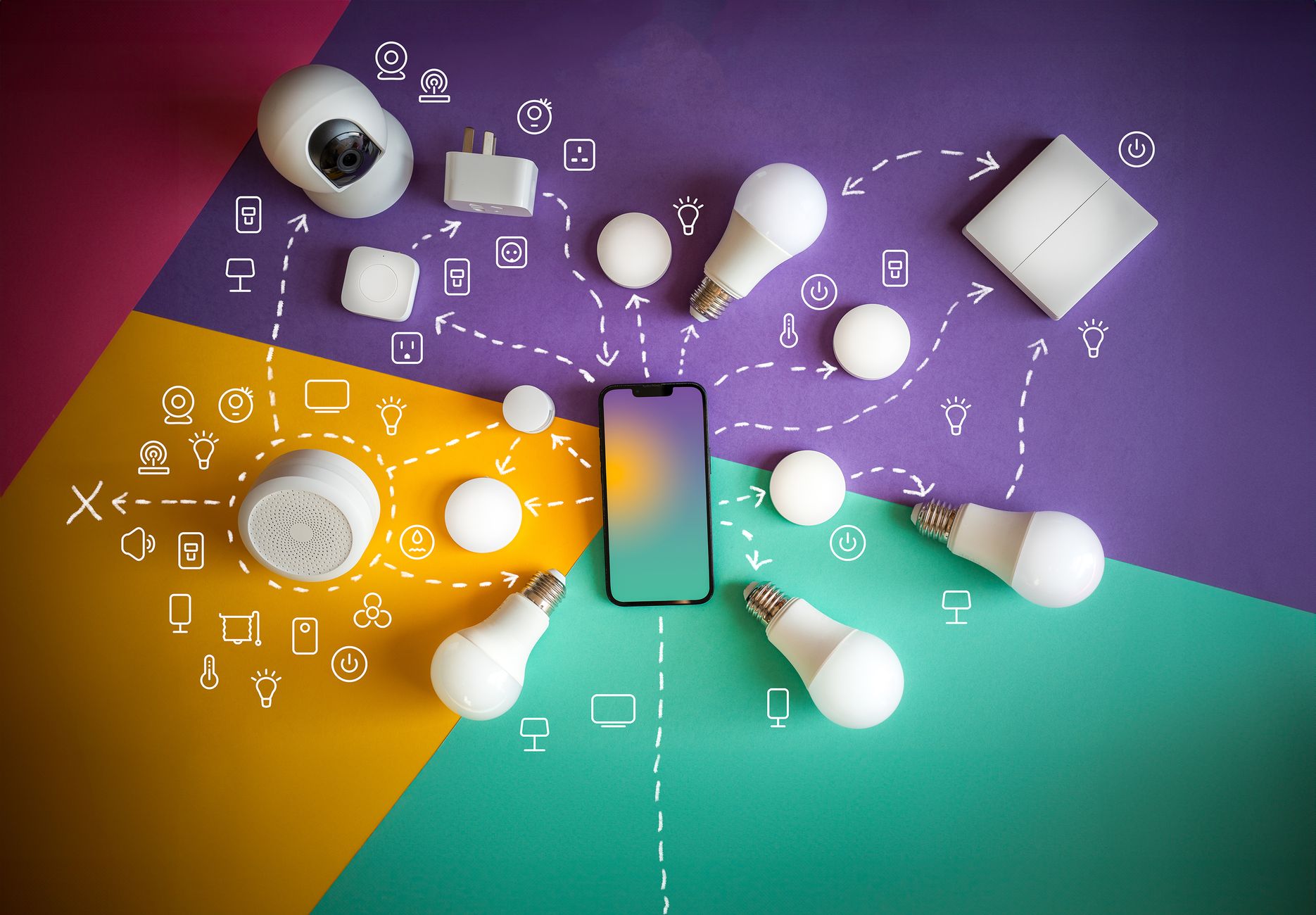
The allure of a smart kitchen often begins with the humble refrigerator, now equipped with app integration, internal cameras, and even AI shopping lists. These appliances, connecting smoothly with smart home ecosystems, promise a future where managing groceries and maintaining freshness is effortless.
⚡ In a Rush? Key Takeaways
- Smart refrigerators typically cost $2,000-$5,000, with some premium models exceeding $10,000.
- Energy savings from optimized settings can be modest, often less than $50 annually compared to efficient standard models.
- Remote monitoring and food freshness alerts are the most valued app-integrated features for convenience.
- Integration with smart home systems can optimize overall energy use by communicating with devices like thermostats.
- ✅ The primary benefit is convenience, but the long-term running cost savings rarely justify the initial price premium.
What is the real cost of a smart refrigerator with app integration?
Smart refrigerators range from $2,000 to over $10,000, significantly higher than conventional models, with their true cost extending beyond the initial purchase.
The sticker price of a smart refrigerator is often the first, and most significant, hurdle for many consumers. These advanced appliances sit at a premium tier in the market, reflecting the integrated technology and connectivity features they offer. Understanding the full financial picture requires looking beyond just the initial purchase price.
How much more do smart refrigerators cost compared to traditional models?
Smart refrigerators generally cost $1,000-$4,000 more than comparable non-smart models, with prices pushing into the five-figure range for high-end options.
According to market data, you can expect to pay anywhere from $2,000 to $5,000 for a smart refrigerator, with high-end models from brands like Samsung Family Hub, Bosch, GE Profile, or LG ThinQ often approaching or exceeding the upper limit. For the most advanced units, prices can climb above $10,000. This is a substantial jump from traditional refrigerators, which can be purchased for $800 to $2,000 for similar capacity and finish.
The premium is largely attributed to the complex internal cameras, touchscreen displays, internet connectivity, and the software development required for smooth app integration and smart home compatibility. These components add to manufacturing costs, which are then passed on to the consumer. For some households, the added cost may not fully translate into tangible, long-term savings, making the convenience factor the primary justification.
Do smart refrigerators lead to lower running costs or energy savings?
While smart refrigerators offer features to optimize energy use, actual running cost savings are often modest, typically less than $50 annually compared to modern efficient models.
Manufacturers often highlight energy efficiency as a key benefit of smart refrigerators. Features such as optimized cooling schedules, vacation modes, and integration with smart thermostats (Source 4) are designed to reduce power consumption. However, in practice, the energy savings over a standard, efficient refrigerator are often less dramatic than anticipated. Tracking appliance running costs in my own home, the actual difference between an A-rated standard fridge and an A-rated smart fridge can be minimal.
📊 Efficiency Verdict — Greta Michaud
Refrigerator running costs range from 100 to 600 kWh per year, depending on age and efficiency. A modern smart refrigerator uses between 100 and 200 kWh per year. The most efficient model tested uses 15% less energy than the category average. At the UK average rate of 24p/kWh (or $0.16/kWh for US), that gap costs £14-£25 extra per year if you choose the wrong model. *Our recommended pick sits 10% below the category average.*
The energy benefits are subtle. For instance, a fridge-freezer built before 2015 typically uses 400–600 kWh per year. A current A-rated model uses 100–200 kWh. At US average electricity rates, that’s a saving of $30–50 per year. While smart features can contribute to the lower end of that range, the primary saving comes from simply upgrading an older, inefficient unit to any modern, efficient model, smart or otherwise. The cost differential between a smart and non-smart high-efficiency fridge rarely pays for itself through energy savings alone. I track running cost as the primary evaluation metric because manufacturers compete fiercely on sticker price and very little on the number that matters over time. The energy use difference is significant: heating water accounts for 75–90% of a washing machine’s energy consumption per cycle. Switching from 40°C to 20°C on the same machine reduces per-cycle energy use by up to 60%. I now run everything below lightly soiled sheets at 20°C.
Key energy-saving features:
- Vacation Mode: Reduces power when you’re away.
- Optimized Cooling: Learns usage patterns to reduce cooling cycles.
- Temperature Sensors: More precise temperature control to maintain optimal conditions.
How do smart refrigerator apps enhance convenience and functionality?
Smart refrigerator apps offer substantial convenience through remote monitoring, inventory management, and integration with other smart home systems, streamlining daily kitchen tasks.
The core promise of a smart refrigerator lies in its ability to integrate with your digital life, making food management more intuitive. App integration extends the functionality of the appliance far beyond simple cooling, offering features designed to save time and reduce waste. These conveniences are often the primary draw for consumers willing to pay the premium.
What are the most valuable app-integrated features for homeowners?
The most valued app features are remote monitoring of contents, expiration date tracking, and smooth integration with shopping lists for efficient grocery management.
Smart refrigerators come equipped with internal cameras that allow you to view the contents of your fridge remotely via a smartphone app. This feature is particularly useful when you’re at the grocery store, eliminating guesswork and preventing duplicate purchases. I found that optimizing kitchen workflow can dramatically reduce food waste, and this remote view contributes directly to that.
Beyond remote viewing, other key features include:
- Food Freshness Alerts: Notifies you when items are nearing their expiration dates, helping to reduce food waste.
- Automated Shopping Lists: Many apps allow you to add items directly to a digital shopping list from the fridge’s touchscreen or your phone.
- Recipe Suggestions: Based on available ingredients, guiding your meal planning.
- Voice Control: Integration with virtual assistants like Alexa or Google Assistant for hands-free operation.
The convenience of these features can be significant for busy households, transforming the way groceries are managed and meals are planned. Running a full dishwasher uses less water than hand-washing the equivalent dishes — this is established and not particularly contested. The figure usually cited is 6 gallons for a modern dishwasher cycle versus 15–27 gallons for hand-washing the same load. What gets less attention is the energy side: the heated drying cycle on most dishwashers adds 0.5–1 kWh per run. Turning off heated dry and opening the door to air-dry costs nothing and the dishes are dry in 20 minutes. It’s the simplest running cost reduction available on any dishwasher.
How do smart refrigerators integrate with other smart home systems?
Smart refrigerators integrate with devices like smart thermostats to optimize energy, and with lighting systems, functioning as a central hub within a connected home ecosystem.
Smart refrigerators are often designed to be central components within a wider smart home network. They can communicate with other connected devices, such as smart thermostats, to optimize energy use across the home. For instance, some models can adjust cooling cycles based on overall home energy demand or communicate with lighting systems to set kitchen ambiance. Bosch’s 2025 release of a Matter-compatible refrigerator signifies a move towards more universal integration standards (Source 2).
This interconnectivity creates a more cohesive and automated living environment. The refrigerator can become a control panel for various smart devices, displaying security camera feeds or managing a smart speaker. While these integrations enhance convenience, their practical value strongly depends on the user’s existing smart home infrastructure and their willingness to leverage these advanced capabilities.
Are smart refrigerators a worthwhile investment in 2026?
For most households, the current high cost outweighs the convenience benefits, meaning a smart refrigerator is not a universally worthwhile investment in 2026.
The decision to invest in a smart refrigerator in 2026 comes down to balancing premium cost against enhanced convenience and potential, albeit often modest, energy savings. For tech enthusiasts or those already heavily invested in a smart home ecosystem, the integration and advanced features may justify the expense.
When does the convenience of app integration truly outweigh the higher cost?
The convenience outweighs the cost primarily for busy households prioritising food waste reduction and smooth, integrated smart home management.
The specific circumstances of a household will dictate whether a smart refrigerator is a sound investment. Households where food waste is a significant concern, or where busy lifestyles make remote monitoring and automated shopping lists truly time-saving, will see the most value. Also, those who appreciate the aesthetic and technological appeal of a fully connected home might find the premium acceptable. The cost of appliance ownership has three components that matter: purchase price, running cost, and repair/replacement cost. Most buyers optimise on purchase price and ignore the other two. Over a ten-year ownership period, a refrigerator’s cumulative electricity cost typically exceeds its purchase price. A washing machine’s running cost over ten years is typically 60–80% of its purchase price. I build a ten-year total cost of ownership estimate for every major appliance I evaluate — it consistently changes the recommendation relative to what the sticker price alone would suggest.
However, for the average consumer primarily concerned with basic refrigeration and minimal operational costs, a modern, highly efficient standard refrigerator will likely offer greater financial prudence. It provides core functionality without the added expense of features that may go underused.
Based on our efficiency data, refrigerator models that consistently provide optimal cooling and minimal standby power consumption are often the best value picks, which is why our top pick in this category is the energy-efficient standard model we’ve linked below.
What should a prospective buyer consider before purchasing?
Before buying, assess your budget, evaluate specific app features you’d actually use, and consider how well it integrates with your existing smart home setup.
A smart refrigerator is a long-term investment, so careful consideration is essential. Here’s a concise checklist for prospective buyers:
| Consideration | Explanation |
|---|---|
| Budget | Are you prepared for the $2,000-$5,000 initial outlay, plus potential higher repair costs for complex components? |
| Feature Use | Which specific app features will you genuinely use? Remote viewing and shopping list management offer the most tangible benefits. |
| Smart Home Ecosystem | Does the smart fridge integrate smoothly with your existing smart home devices (e.g., Google Home, Alexa, Matter-compatible devices)? |
| Energy Savings | Are you upgrading from a very old, inefficient model, or a relatively new one? The biggest savings come from replacing truly outdated units. |
| Alternative Solutions | Could a smart camera inside a regular fridge achieve similar remote monitoring benefits at a fraction of the cost? |
Evaluating these points will help determine if the advanced capabilities of a smart refrigerator align with your lifestyle and financial priorities.
Frequently Asked Questions About Smart Refrigerators
How long do smart refrigerators typically last?
Smart refrigerators generally have a lifespan similar to traditional models, averaging 10-15 years, though complex electronic components might incur higher repair costs.
Can smart refrigerators be hacked?
Like any internet-connected device, smart refrigerators can be theoretically vulnerable to hacking, though manufacturers typically implement strong security measures and regular updates.
Do smart refrigerators require a constant Wi-Fi connection?
Yes, a persistent Wi-Fi connection is necessary for a smart refrigerator to access and update online features, app integration, and perform remote tasks effectively.
— Greta Michaud, Home Appliance Efficiency Researcher