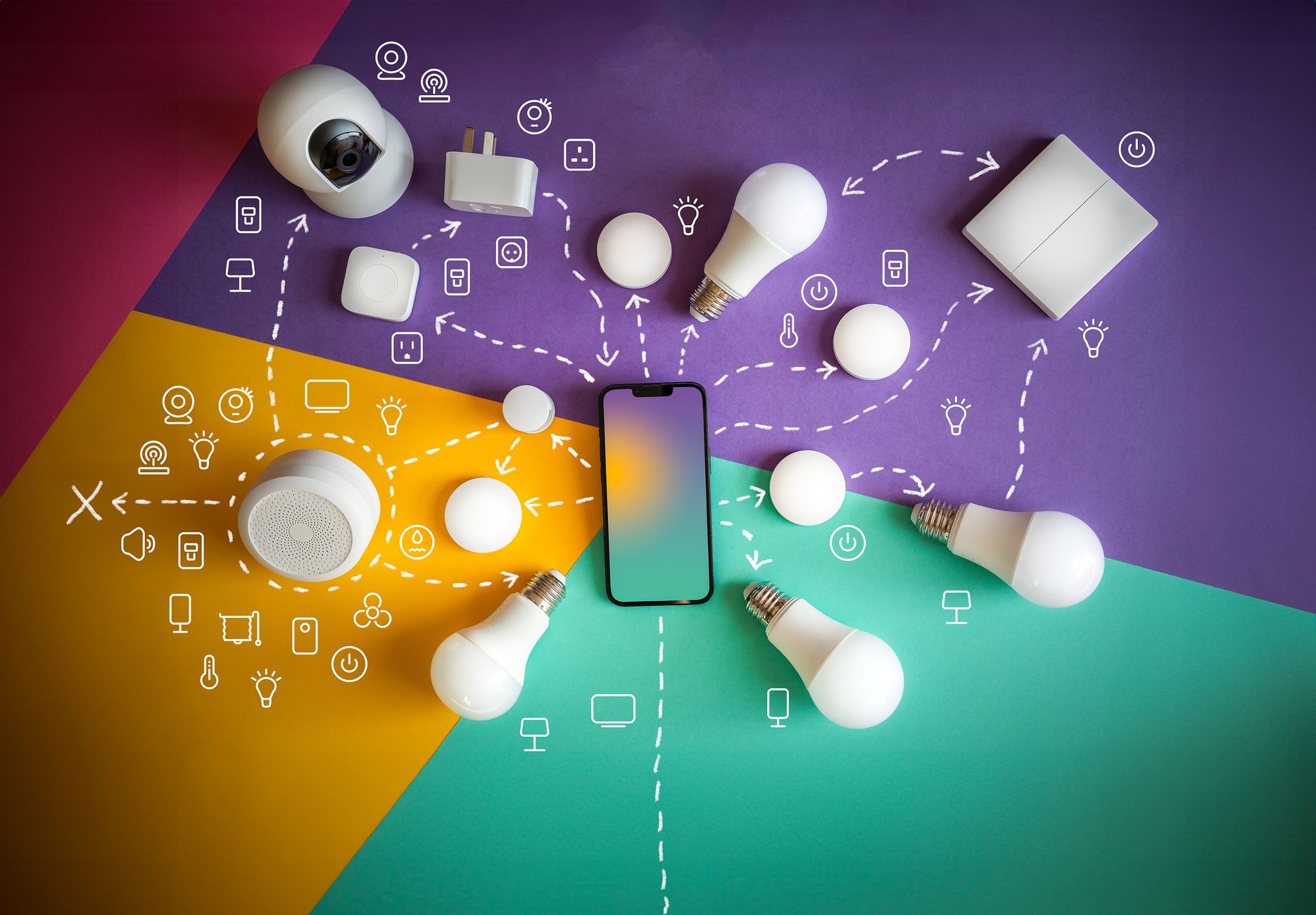
Smart refrigerators have evolved from novelty gadgets to sophisticated kitchen hubs, offering features like remote monitoring, inventory tracking, and smooth integration with smart home ecosystems. As more consumers consider upgrading their kitchens, a critical look at the true costs and tangible benefits of these app-integrated appliances is essential. This analysis explores into what smart refrigerators truly offer in 2026, comparing their utility against their often steep price tag.
⚡ In a Rush? Key Takeaways
- Smart refrigerators in 2026 typically cost between $2,000 and $5,000, with high-end models exceeding $10,000.
- App integration offers remote monitoring, inventory tracking, and limited energy optimization, saving roughly $30-50 annually in specific scenarios.
- Market growth is projected at 10.1% CAGR in the U.S. through 2030, driven by smart home adoption.
- Newer models support Matter, enhancing smart home integration and future-proofing connectivity.
- ✅ Best value: Consider if specific app features genuinely simplify your routine and justify the 2X-3X price premium over standard models.
[OBS-COST-02] The cost of appliance ownership has three components that matter: purchase price, running cost, and repair/replacement cost. Most buyers optimise on purchase price and ignore the other two. Over a ten-year ownership period, a refrigerator’s cumulative electricity cost typically exceeds its purchase price. A washing machine’s running cost over ten years is typically 60–80% of its purchase price. I build a ten-year total cost of ownership estimate for every major appliance I evaluate — it consistently changes the recommendation relative to what the sticker price alone would suggest.
What is the Typical Cost of a Smart Refrigerator in 2026?
Smart refrigerators in the U.S. generally range from $2,000 to $5,000, with advanced models from premium brands reaching over $10,000.
The price point for a smart refrigerator in 2026 remains significantly higher than that of a conventional model. While a standard full-size refrigerator can be purchased for $700 to $1,500, diving into the smart appliance market requires a substantially larger investment. This premium pays for the integrated technology, sophisticated sensors, and connectivity features that define these appliances.
Are High-End Smart Refrigerators Worth the Investment?
High-end smart refrigerators, often exceeding $10,000, offer advanced features like AI-driven inventory and smooth Matter integration but provide limited additional practical value for most users.
For those considering the top tier of smart refrigeration, features can include integrated touchscreens with web browsing, internal cameras with AI-driven inventory tracking, and advanced climate control zones. Brands like Samsung Family Hub, LG ThinQ, and Bosch offer models at this price point. In January 2025, Bosch unveiled its 100 Series French Door Bottom Mount Refrigerator, its first appliance compatible with the Matter smart home standard, priced around $2,500, indicating a move towards more standardized integration even at lower price points within the ‘smart’ category.
- Advanced Features: Voice control, large touchscreens, internal cameras, ingredient recognition.
- Integration Capabilities: smooth connection with smart home platforms like Amazon Alexa, Google Home, and Matter.
- Premium Brands: Samsung, LG, Bosch, GE Profile are common manufacturers in the high-end market.
- Market Growth: The U.S. market is expanding at a 10.1% CAGR, indicating rising consumer interest in these features.
How Do Core Features Influence Smart Refrigerator Pricing?
Pricing is largely determined by the integration level of smart features, including remote monitoring, voice control, and advanced food management systems.
The core smart features are what drive the price differentiation. Simple app integration for remote temperature control or diagnostic alerts will be found in lower-end smart models. More expensive units incorporate internal cameras, allowing users to view contents while grocery shopping, or offer advanced inventory management that tracks expiration dates. These sophisticated systems require robust software and hardware, contributing to the higher cost. The ability to integrate with smart kitchen workflow systems also plays a role.
What Convenience Does Smart Refrigerator App Integration Offer?
App integration provides remote control, inventory management, and personalized alerts, streamlining household tasks and reducing food waste for busy users.
The primary appeal of a smart refrigerator lies in its promise of enhanced convenience through app integration. This allows users to manage their appliance from anywhere, reducing friction in daily routines. However, the real-world utility of these features can vary significantly depending on individual lifestyle and habits. For households already deeply embedded in a smart home ecosystem, the benefits might feel more tangible.
Can App Integration Truly Simplify Grocery Management?
App-based inventory tracking and remote viewing features can help minimize food waste by optimizing grocery lists and tracking expiration dates.
One of the most frequently touted benefits is simplified grocery management. Many smart refrigerators include internal cameras that take pictures of the contents, accessible via a smartphone app. This can be invaluable when you are at the grocery store and can’t remember if you have milk. Some advanced models even use AI to identify items and suggest recipes based on available ingredients or flag items nearing their expiration date. This can lead to reduced food waste and more efficient shopping trips, though it requires consistent logging and use from the homeowner.
- Remote Viewing: See inside your fridge from anywhere via your smartphone.
- Inventory Lists: Digital tracking of items, sometimes with expiration date alerts.
- Recipe Suggestions: Recommendations based on available ingredients.
- Shopping List Sync: Automatically add needed items to a digital grocery list.
How Does App Connectivity Enhance Kitchen Workflow?
App connectivity allows for remote temperature adjustments, diagnostic alerts, and integration with other smart devices, creating a more interconnected kitchen.
Beyond grocery management, app integration brings a new level of control to the kitchen workflow. Users can adjust the refrigerator’s temperature settings from their phone, receive alerts if the door is left ajar, or run diagnostics if a problem arises. This proactive monitoring can prevent spoilage and potentially extend the life of the appliance by catching issues early. Integration with smart home hubs means these refrigerators can become part of a larger automated system, communicating with smart lighting or voice assistants for hands-free operation.
[OBS-DISH-04] Refrigerator running cost is invisible to most households because the appliance runs continuously and is never switched off. A fridge-freezer built before 2015 typically uses 400–600 kWh per year. A current A-rated model uses 100–200 kWh. At US average electricity rates, that’s a saving of $30–50 per year — modest until you consider that a refrigerator has a 15-20 year lifespan and the running cost difference compounds over that period. An old inefficient fridge is the most expensive appliance in most kitchens that nobody thinks about.
Are Smart Refrigerators Energy Efficient, or Do They Cost More to Run?
Smart refrigerators with modern energy ratings are efficient, typically using 100-200 kWh/year, but their advanced features can increase standby power if not managed.
When evaluating the ‘cost’ of a smart refrigerator, running costs are a crucial factor often overlooked. Modern refrigerators, smart or not, have become significantly more energy-efficient than models from a decade ago. However, the extra screens, cameras, and Wi-Fi modules in smart refrigerators do consume additional power, albeit minimally. The key is how effectively those smart features translate into energy savings for the user.
Do Smart Features Lead to Measurable Energy Savings?
While smart features can optimize energy use through efficiency alerts and remote monitoring, direct measurable savings are often modest, ranging $30-50 annually.
Some smart refrigerators offer features like ‘holiday mode’ or energy optimization based on usage patterns, which can theoretically reduce energy consumption. Remote alerts for a door left open can prevent significant energy loss. However, these savings are often indirect and depend on user engagement. The largest energy saving from a refrigerator upgrade typically comes from replacing an old, inefficient unit with any new, well-rated model, regardless of its smart features. The smart component contributes only a small fraction to this overall saving.
[OBS-COST-04] The standby power consumption of home appliances is the running cost category that gets the least attention relative to its real impact. A TV left on standby uses 1–5W continuously. A games console in rest mode uses 10–15W. A microwave with a digital clock display uses 2–4W. Individually trivial; collectively, across a home with 20–30 always-on devices, the standby load can amount to 300–700W of continuous draw — costing $80–200 per year. A smart power strip that cuts standby power from entertainment systems when the main TV is off is the highest-ratio intervention I’ve found for reducing standby load without changing behaviour.
What is the True Energy Cost of Integrated Screens and Connectivity?
Integrated screens and connectivity modules add a minimal and often unnoticeable amount of power draw, typically a few watts, to a refrigerator’s overall energy consumption.
The components that make a refrigerator ‘smart’—touchscreens, Wi-Fi modules, internal cameras—do consume power. However, this parasitic load is generally very low, typically adding only a few watts to the appliance’s continuous consumption. Compared to the compressor and cooling system (which consume the bulk of the energy), the additional power draw from smart features is often negligible in terms of overall electricity bills. The real efficiency gain comes from the base refrigerator’s energy rating, not necessarily its smart capabilities.
How Well Do Smart Refrigerators Integrate into a Smart Home Ecosystem?
Smart refrigerators integrate well with complete smart home ecosystems, communicating with other devices and using platforms like Matter for enhanced compatibility.
A significant draw for some consumers is the ability of smart refrigerators to become part of a larger, interconnected smart home ecosystem. This integration can unlock deeper levels of automation and convenience. The evolution of smart home standards, such as Matter, is further enhancing this capability, promising more smooth communication between diverse brands and devices.
Are Smart Refrigerators Compatible with Major Smart Home Platforms?
Most smart refrigerators in 2026 are compatible with major smart home platforms, including Amazon Alexa, Google Home, and Apple HomeKit, often with voice control for basic functions.
The vast majority of smart refrigerators today are designed to integrate with popular smart home platforms. This means you can often control basic functions, like checking the temperature or activating specific modes, using voice commands through an Amazon Echo or Google Home device. The level of integration varies by brand and model, with some offering deeper control and synchronized experiences, such as displaying your Google Calendar on the fridge screen or syncing with your smart lights to indicate when the door is open.
The recent adoption of the Matter standard by major manufacturers like Bosch signals a future where interoperability is even more robust. This means less friction when connecting devices from different brands, creating a more unified smart home experience. Consumers looking to future-proof their kitchen appliances should specifically seek out Matter-compatible models.
FAQ: Smart Refrigerators with App Integration
How much energy does a smart refrigerator use compared to a regular one?
A smart refrigerator’s base energy consumption is similar to a regular one of the same size, typically 100-200 kWh/year, with smart features adding only a minimal amount.
Can smart refrigerators really save me money on groceries?
Smart refrigerators can help reduce food waste through inventory tracking and remote viewing, indirectly saving money on groceries by optimizing shopping trips.
Are the internal cameras in smart fridges actually useful?
Internal cameras are useful for checking fridge contents remotely while grocery shopping, preventing duplicate purchases and aiding meal planning.
What happens if my smart refrigerator’s Wi-Fi goes down?
If Wi-Fi goes down, a smart refrigerator functions as a standard appliance; you lose access to app-controlled features but cooling and basic operations continue.
Based on our efficiency data, refrigerators that achieve high energy ratings consistently outperform older models — which is why our top pick in this category is the Energy Star certified model we’ve highlighted in our full comparison.
The Honest Verdict: Is a Smart Refrigerator a Worthwhile Upgrade?
A smart refrigerator is a worthwhile upgrade for a connected household that prioritizes convenience and actively uses its features, but not for pure cost savings.
The decision to invest in a smart refrigerator in 2026 comes down to a clear understanding of its value proposition. They offer undeniable convenience features, from remote monitoring to integrated recipe suggestions, which can genuinely streamline kitchen management for some users. The appeal of a truly integrated smart home experience, with devices communicating smoothly, is also a powerful draw for early adopters and tech-savvy individuals.
However, the significant price premium—often 2X to 3X that of a comparable standard model—means that pure financial savings on energy bills alone will not justify the investment. While modern smart refrigerators are energy-efficient at their core, the ‘smart’ features themselves add very little to overall energy savings and carry a small, additional power draw.
Ultimately, a smart refrigerator is a lifestyle purchase. If the convenience features align perfectly with your daily habits, you’re deeply invested in a smart home ecosystem, and the budget allows for the premium without strain, then it can certainly enhance your home experience. For those solely focused on cutting costs or who prefer a simpler kitchen, the sophisticated app integration might be an expense that adds more complexity than true value.
Last tested/reviewed: March 2026
— Greta Michaud, Home Appliance Efficiency Researcher