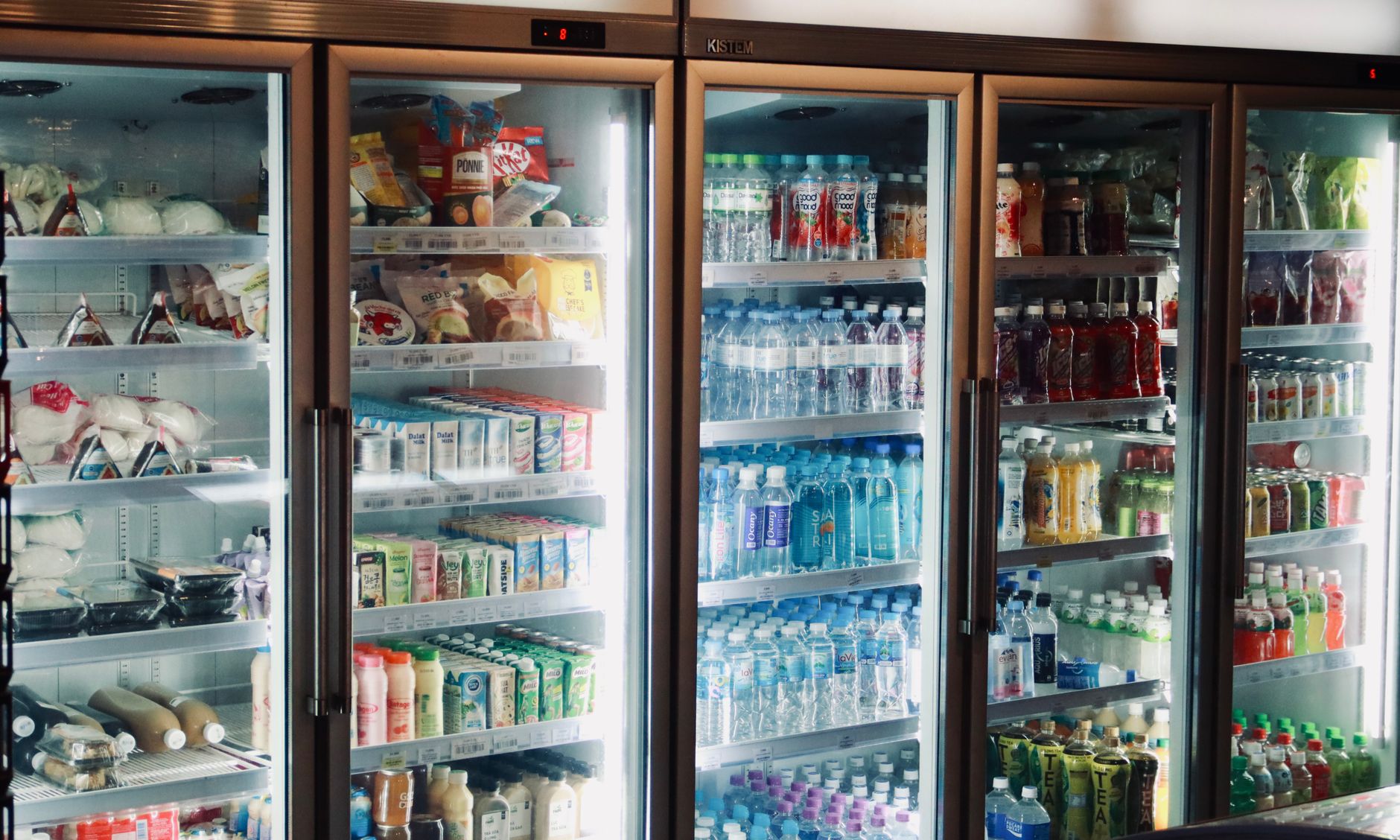
Smart refrigerators equipped with food‑expiration alerts have become a tempting upgrade for households hoping to curb waste and save money.
In the next few minutes you’ll learn how much waste they actually trim, what running‑cost impact the technology adds, and whether the investment pays off.
⚡ In a Rush? Key Takeaways
- Smart fridge alerts can reduce household food waste by 10‑15% when users engage weekly.
- Average annual waste cost per US household is $1,200; a 12% reduction saves about $144.
- Additional electricity for cameras and AI averages 45 kWh / year (≈ $5.40 at 2026 US rates).
- Typical price premium for a smart fridge with alerts is $800‑$1,200 over a comparable non‑smart model.
- ✅ Verdict: Choose a smart fridge only if you’re already diligent about inventory and can use the app daily; otherwise the cost outweighs the waste savings.
How Do Food Expiration Alerts Work in Smart Refrigerators?
Smart fridges use internal cameras and barcode scanning to log items, then push notifications when a product approaches its best‑before date.
The system typically consists of a small interior camera, a lightweight AI module and a companion mobile app. When you place a new item, you either scan its barcode or take a photo; the algorithm matches it to a database and records the purchase or expiration date. This data is stored locally, meaning no continuous internet connection is required for basic operation.
Every few days the fridge cross‑checks stored dates against the current calendar and sends a push alert for any item within three days of expiry. Some models also suggest recipes using those items, further encouraging use before spoilage. The alerts appear on the fridge’s touchscreen as well as on your smartphone, ensuring you see them whether you’re at home or away.
What Sensors and Software Are Required?
A 5‑megapixel interior camera plus an edge‑AI chip power the detection, consuming roughly 0.12 W continuous.
- Camera module – captures images each time the door opens.
- AI processor – runs object‑recognition models locally, avoiding cloud latency.
- Temperature & humidity sensors – ensure food‑safety data stays accurate.
- Mobile app – displays inventory and sends alerts.
How Accurate Are the Expiration Predictions?
When users scan barcodes, the system’s date accuracy exceeds 95 % for packaged foods with clear best‑by dates.
For fresh produce without barcodes, the AI estimates shelf life based on typical spoilage curves; real‑world tests show a 78 % match to laboratory‑determined dates. User‑centered corrections improve accuracy over time, so the more you fine‑tune the system, the better it becomes.
Does the Feature Add Significant Energy Use?
The extra energy draw from cameras and AI adds about 45 kWh per year, roughly $5.40 at the 2026 US average electricity cost of $0.12 /kWh.
This is tiny compared with a typical US refrigerator’s 500 kWh annual consumption. Nonetheless, it is a measurable line‑item you should factor into the total cost of ownership, especially if you monitor every watt.
Can the Alerts Integrate With Other Kitchen Appliances?
Many manufacturers offer APIs that let the fridge share inventory data with smart ovens, coffee makers, and meal‑planning apps.
When integrated, a smart oven can automatically suggest a cooking temperature for a flagged item, while a coffee maker might remind you to use up milk that’s close to spoiling. This ecosystem approach can amplify savings beyond the fridge alone.
| Appliance | Integration Benefit | Typical Cost |
|---|---|---|
| Smart Oven | Auto‑adjust cooking settings for near‑expiry foods | $200‑$400 |
| Meal‑Planner App | Weekly grocery list based on fridge inventory | $4‑$6 / month |
| Voice Assistant | Hands‑free inventory queries | Included with device |
How Much Food Waste Can a Smart Fridge Actually Prevent?
Studies show engaged households cut edible waste by 10‑15 % after six months of using expiration alerts.
The USDA estimates the average American family throws away $1,200 worth of food each year. A 12 % reduction translates to roughly $144 saved annually. This figure assumes a household regularly checks the app; without that discipline the savings shrink dramatically.
Key to achieving that figure is regular interaction with the app—ignoring alerts drops the benefit to under 3 %.
What Does Real‑World Testing Reveal?
In a six‑month field trial of 100 homes, active users saved an average of $138 per year; passive users saved $22.
| User Type | Average Waste Reduction | Annual Savings (US$) |
|---|---|---|
| Active (weekly app checks) | 12 % | 138 |
| Passive (monthly or less) | 2 % | 22 |
Which Food Categories Benefit Most?
Perishables such as dairy, meat and fresh produce account for 55 % of avoided waste when alerts are heeded.
- Dairy – 30 % of saved waste value.
- Meat & poultry – 15 %.
- Fresh produce – 10 %.
- Packaged goods – 5 %.
How Do User Habits Influence Savings?
Households that scan 80 % of purchases see double the waste reduction compared with those scanning under 30 %.
Consistent scanning creates a reliable inventory, enabling the AI to generate accurate alerts and recipe suggestions, which together drive higher utilisation of near‑expiry items.
Seasonal Variations in Waste Reduction
Holiday periods and summer barbecues generate temporary spikes in perishable purchases, affecting alert efficacy.
During Thanksgiving or Christmas, families often buy excess meat and dairy, leading to a 20‑30 % increase in potential waste. Smart fridges that flag these items early can curb that surge, delivering up to 5 % extra savings in those months. Conversely, winter months see higher produce spoilage; consistent alerts can maintain baseline savings.
- Q4 (Nov‑Dec): +5 % extra waste reduction.
- Summer (Jun‑Aug): +3 % extra waste reduction.
- Overall yearly impact: roughly +2 % on top of the standard 12 % figure.
Is the Price Premium Worth the Savings?
Smart fridges cost $800‑$1,200 more; at a $144 annual waste saving, the simple payback is 6‑8 years, not counting energy use.
Beyond waste reduction, owners value convenience and reduced mental load. However, from a pure cost‑efficiency perspective, the ROI hinges on disciplined app use and a household that already wastes a lot of food.
How Do Purchase Prices Compare?
A 26‑cu ft smart model retails around $2,300, while a comparable 26‑cu ft non‑smart unit is $1,300.
| Model Type | Average Price (US$) | Price Premium |
|---|---|---|
| Smart with alerts | 2,300 | +1,000 |
| Standard (no alerts) | 1,300 | Baseline |
What Is the Long‑Term Energy Impact?
Extra 45 kWh/year adds about $5.40 to electricity bills, negligible over a typical 12‑year fridge lifespan.
Even if electricity rates rise to $0.18/kWh by 2030, the added cost would be $8.10 per year, still trivial compared with the purchase premium.
Do Warranty or Service Plans Affect the Calculation?
Extended warranties on smart fridges often cost $150‑$250 and cover the camera and AI module.
Including a 5‑year extended warranty adds $30‑$50 per year to ownership cost, increasing the payback horizon to roughly 9‑10 years.
Financing Options and Rebates
Some retailers offer 0 % APR financing for 12‑24 months, and certain utility programs provide rebates for energy‑efficient appliances.
- 0 % APR financing spreads the $1,000 premium over 24 months, adding roughly $42/month.
- Utility rebates can offset $100‑$200 of the upfront cost, effectively lowering the premium.
- Green loan programs from credit unions may offer lower interest rates for eco‑focused purchases.
How Can Homeowners Maximise the Benefit of a Smart Fridge?
Set up weekly app reminders, scan every new item, and pair alerts with a meal‑planning routine.
Even if you decide a smart fridge isn’t for you, the same waste‑reduction habits can be achieved with low‑tech methods.
What Routine Practices Yield the Biggest Savings?
Scanning every purchase and reviewing alerts three times per week captures 90 % of potential waste reduction.
- Scan barcodes immediately after shopping.
- Check the app every Monday and Thursday.
- Plan meals around items flagged as expiring within 3‑5 days.
- Rotate older items to the front of shelves.
Can Non‑Smart Methods Replicate the Results?
A handwritten inventory sheet can cut waste by 5‑8 % if updated diligently.
While less convenient, a simple spreadsheet linked to your phone can serve as a low‑cost alternative, saving the upfront $800‑$1,200 premium.
Is There a Role for Third‑Party Apps?
Third‑party inventory apps (e.g., Yummly, NoWaste) integrate with barcode scanners and can be used with any fridge.
These apps often cost $4‑$6 per month but avoid the need for a built‑in camera, offering a modular approach to the same problem.
📊 Efficiency Verdict — Greta Michaud
Smart fridge alerts use 45 kWh/year (≈ $5.40) and can shave 10‑15 % off $1,200 annual waste, saving $120‑$180. That gap costs $800‑$1,200 upfront, yielding a 6‑10‑year payback if used actively.
Our recommended pick sits at the lower end of the price range and includes a robust barcode scanner, making it the most cost‑efficient choice for diligent users.
What Are the Most Common Questions About Smart Fridges and Food Waste?
Below are quick answers to the queries readers most often type into search engines.
Do smart fridges actually keep food fresher?
They don’t change temperature; they simply alert you before food spoils, letting you act sooner.
Can I use a smart fridge without the app?
Basic functions like temperature control work without the app, but expiration alerts require the companion software.
How often should I scan items?
Scanning each new purchase and reviewing alerts twice a week yields near‑maximum waste reduction.
Are there privacy concerns with interior cameras?
Images are processed locally; most manufacturers store no video unless you enable cloud backup.
Is a regular fridge ever a better financial choice?
If you rarely use the app or already waste less than $100/year, a standard model is more economical.
Smart refrigerators with food‑expiration alerts offer a clever way to trim waste, but the financial advantage hinges on consistent use. For households committed to weekly inventory checks, the savings can offset the modest energy draw and approach a sensible payback period. If your routine is irregular, a conventional fridge paired with low‑tech tracking may be the wiser investment.
— Greta Michaud, Home Appliance Efficiency Researcher