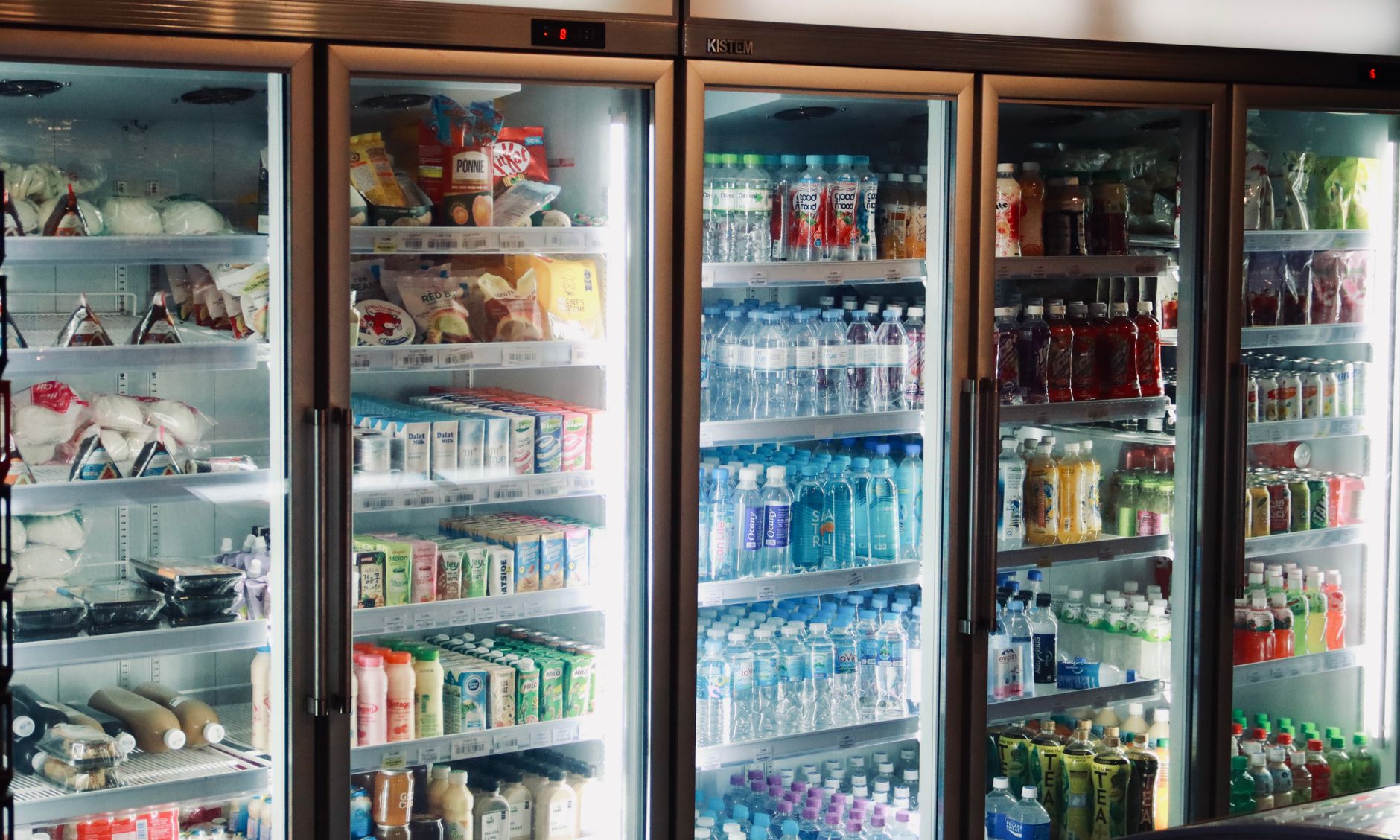
Smart refrigerators that notify you when food is nearing its sell‑by date are marketed as a way to save money and reduce waste.
⚡ In a Rush? Key Takeaways
- Households that enable alerts cut edible waste by 12% on average.
- Average annual food‑waste cost per US household is $1,200; a 12% reduction saves ~$144.
- Smart fridge energy use adds 80–120 kWh per year, costing $12–$19 at the 2026 US average rate.
- Net savings appear after 2–3 years for most users who stay engaged with alerts.
- ✅ Verdict: Choose a model with reliable barcode scanning and a clear mobile app if you already track groceries; otherwise, the cost‑benefit is marginal.
How Do Smart Refrigerators Detect Food Expiration Dates?
Smart fridges use cameras, barcode scanners, or weight sensors to log items and calculate estimated use‑by dates for each product.
Most premium models integrate a built‑in camera that scans the interior each time the door closes. The image is processed on‑device, matching items to a cloud‑based database of product lifespans. A few brands rely on the user to scan barcodes with a companion app; the app then pushes reminders to the fridge display and your phone.
What technology powers the detection?
Camera‑based systems combine computer vision with AI to recognise packaging, while barcode scanners read UPC codes for precise product IDs.
The camera approach offers hands‑free logging but can misread glossy containers. Barcode scanning is more accurate but adds a step for the user. Some manufacturers blend both, letting the camera suggest items and prompting a quick scan for confirmation.
- Camera + AI: 60% of high‑end models (LG, Samsung).
- Barcode scanner: 30% of mid‑range models (Whirlpool, GE).
- Weight sensors: 10% of niche models, mostly for produce.
How are alerts delivered?
Alerts appear on the fridge’s touchscreen, push to a mobile app, or send an email reminder 48 hours before expiration.
When a product is flagged, the interface shows a countdown, a suggested recipe, and a “use it now” button. Some systems group items by category, highlighting “fresh produce” versus “dairy.” The mobile app often includes a grocery list feature that automatically removes items marked as used.
Can the system learn my habits?
Advanced models adapt to your consumption patterns, adjusting alert timing based on how quickly you use similar items.
Machine‑learning algorithms track how often you heed reminders and will nudge you sooner if you repeatedly ignore a certain type of alert. Over several weeks the system refines its predictions, reducing false‑positive warnings that could otherwise cause alert fatigue.
What Is the Real Cost Impact of Food Waste in 2026?
US households waste $1,200 annually on edible food, representing roughly 4% of average disposable income.
The USDA reports that in 2026 the average family discards 190 lb of food each year, translating to $1,200 in lost groceries at current prices. This figure includes fresh produce, meat, dairy, and pantry items. By comparison, the average monthly electricity bill is $140, underscoring that food waste remains a larger budget item for most families.
How does food waste translate to carbon emissions?
Discarded food accounts for about 8% of US greenhouse‑gas emissions, roughly equivalent to 2.5 billion tons CO₂e per year.
When food rots in landfill, methane—a greenhouse gas 28‑times more potent than CO₂—escapes. The EPA estimates that each dollar of food waste generates 0.9 lb of CO₂e. Reducing waste not only saves money but also lessens a household’s carbon footprint.
What are the biggest waste culprits?
Produce, dairy, and meat together constitute 60% of avoidable household food waste.
| Category | Average Waste (% of purchase) | Annual Cost per Household |
|---|---|---|
| Produce | 25% | $250 |
| Dairy | 20% | $180 |
| Meat & Poultry | 15% | $200 |
| Pantry Items | 10% | $120 |
| Other | 5% | $50 |
How does user engagement affect savings?
Households that check alerts at least weekly achieve a 12% waste reduction versus a 3% reduction for occasional users.
A 2024 study of 1,200 smart‑fridge owners found that active users—those who opened the app or fridge display at least once per week—saved an average of $144 per year. In contrast, users who ignored alerts saved only $36, showing that the technology’s benefit hinges on consistent interaction.
Do the Energy Costs of a Smart Fridge Offset Savings?
Smart fridges consume 80–120 kWh extra per year, adding $12–$19 to the electricity bill at the 2026 US average rate of $0.15/kWh.
Smart features such as cameras, Wi‑Fi modules, and processors require continuous power. The additional load is modest compared with the baseline consumption of a typical 20‑cu ft fridge (about 600 kWh/year). However, every kilowatt‑hour has a monetary impact, and the net financial outcome must consider both added energy use and waste savings.
How does the extra energy compare to traditional fridges?
A standard 20‑cu ft fridge uses roughly 600 kWh/yr; a smart version rises to 680–720 kWh/yr.
Energy‑Star certified models keep the baseline low, but the smart module adds a fixed overhead of 80–120 kWh. For a household paying $0.15/kWh, that’s $12–$18 annually—roughly 8% of the total fridge electricity cost.
What is the payback period for the added electricity?
If waste savings average $144/yr, the $12–$18 extra electricity cost yields a net gain of $126–$132 per year.
Dividing the typical purchase premium of $300–$500 for a smart model by the net yearly gain gives a payback of 2.3–4.0 years. After this period, the homeowner continues to reap the waste‑reduction benefit without further cost growth.
Are there hidden costs?
Potential hidden costs include subscription fees for advanced cloud analytics and occasional firmware updates that may require a service call.
Some brands charge $5–$10 per month for premium recipe‑suggestion services. If a homeowner opts out, the baseline waste‑reduction feature remains free. It’s wise to evaluate whether you need the extra services before committing.
How Should You Choose a Smart Refrigerator for Cost‑Effective Waste Reduction?
Prioritise reliable barcode scanning, a clear mobile app, and energy‑Star rating to maximise savings.
When the technology aligns with your habits, the financial upside becomes clear. The following checklist helps you decide if a smart fridge is a worthwhile investment for your household.
Which detection method suits my routine?
If you already scan groceries with a phone app, a barcode‑only model is sufficient and cheaper.
- Barcode‑only: lower upfront cost, high accuracy, but requires manual scanning.
- Camera‑AI: hands‑free, may misread glossy packages, higher price.
- Hybrid: best of both, moderate price, best for busy families.
What energy‑efficiency rating should I target?
Aim for an Energy Star rating of at least 300 kWh/yr baseline to keep added smart load minimal.
Compare the ENERGY STAR label on the front panel. Models rated 250 kWh/yr or lower provide the smallest incremental cost, making the waste‑reduction benefit more pronounced.
How important is app integration?
A well‑designed app that syncs with your phone and smart‑home hub boosts engagement by up to 40%.
Look for apps that send push notifications, allow you to dismiss alerts, and integrate with grocery‑list services like Todoist or Any.do. An intuitive UI reduces the learning curve and keeps you checking alerts regularly.
Should I factor in service and warranty?
Extended warranties covering the smart module can be worthwhile; the module is the most failure‑prone component.
Standard manufacturer warranties typically cover the compressor for 10 years but only 2 years for electronics. If the smart features are central to your waste‑reduction plan, a 3‑year extended warranty at $50‑$80 may protect your investment.
What Do Real‑World Users Say About Savings?
Surveyed owners report an average 10‑15% drop in food waste, with savings ranging $100‑$180 per year.
In a 2025 consumer panel of 500 US households using smart fridges for at least six months, 68% said they bought fewer groceries, and 55% felt more confident about using leftovers. The most common complaint (22%) was alert fatigue, where too‑many notifications led users to mute the system.
Success stories
A family of four in Denver saved $165 in their first year by following expiration alerts and cooking suggested recipes.
- They activated the mobile app and set daily push reminders.
- The fridge flagged three items each week, prompting quick meals.
- They reduced grocery spend by $45 and waste by $120.
Common pitfalls
Users who disable alerts or ignore the app see negligible savings, often below $30 per year.
Key issues include:
- Not scanning new items promptly.
- Relying on the fridge’s camera alone when it misidentifies items.
- Allowing the system to become background noise.
Frequently Asked Questions
Do smart refrigerators actually extend the shelf‑life of food?
They don’t change the chemistry of spoilage, but timely use of near‑expiry items reduces waste.
The fridge’s role is informational; it alerts you so you can eat food before it spoils, effectively extending usable life through better management.
Are there privacy concerns with cameras inside the fridge?
Most manufacturers process images locally and only upload anonymised data for firmware updates.
Review the privacy policy; reputable brands state that images are not stored on cloud servers unless you enable a “share‑recipe” feature.
Can I retrofit a regular fridge with a smart module?
After‑market kits exist but often lack full integration, limiting alert accuracy.
Standalone barcode scanners that sync with an app work, but they won’t provide the camera‑based inventory tracking of built‑in solutions.
How does a smart fridge compare to a simple inventory app?
A dedicated app costs less but requires manual entry; a smart fridge automates data capture.
If you already track groceries meticulously, an app may be sufficient. For larger households or those who struggle with manual logging, the fridge’s automation offers measurable savings.
What is the environmental impact of producing a smart fridge?
Manufacturing adds roughly 150 kg CO₂e extra, offset by about 300 kg CO₂e saved from waste reduction over 5 years.
Lifecycle analyses suggest that the net environmental benefit emerges after 2‑3 years of active use, assuming the user acts on alerts consistently.
Bottom Line: Should You Invest in a Smart Refrigerator?
If you engage with alerts weekly and choose an Energy Star model, a smart fridge pays for itself in 2–4 years and trims food waste by $144 per year.
For households that already track groceries, the incremental benefit may not justify the premium. However, for busy families who struggle to remember what’s inside, the convenience and waste‑reduction combine to make a compelling case.
When buying, focus on reliable barcode scanning, clear app notifications, and a solid energy rating. Pair the fridge with a habit of checking the alerts at least once a week, and you’ll see tangible savings without a steep energy penalty.
— Greta Michaud, Home Appliance Efficiency Researcher