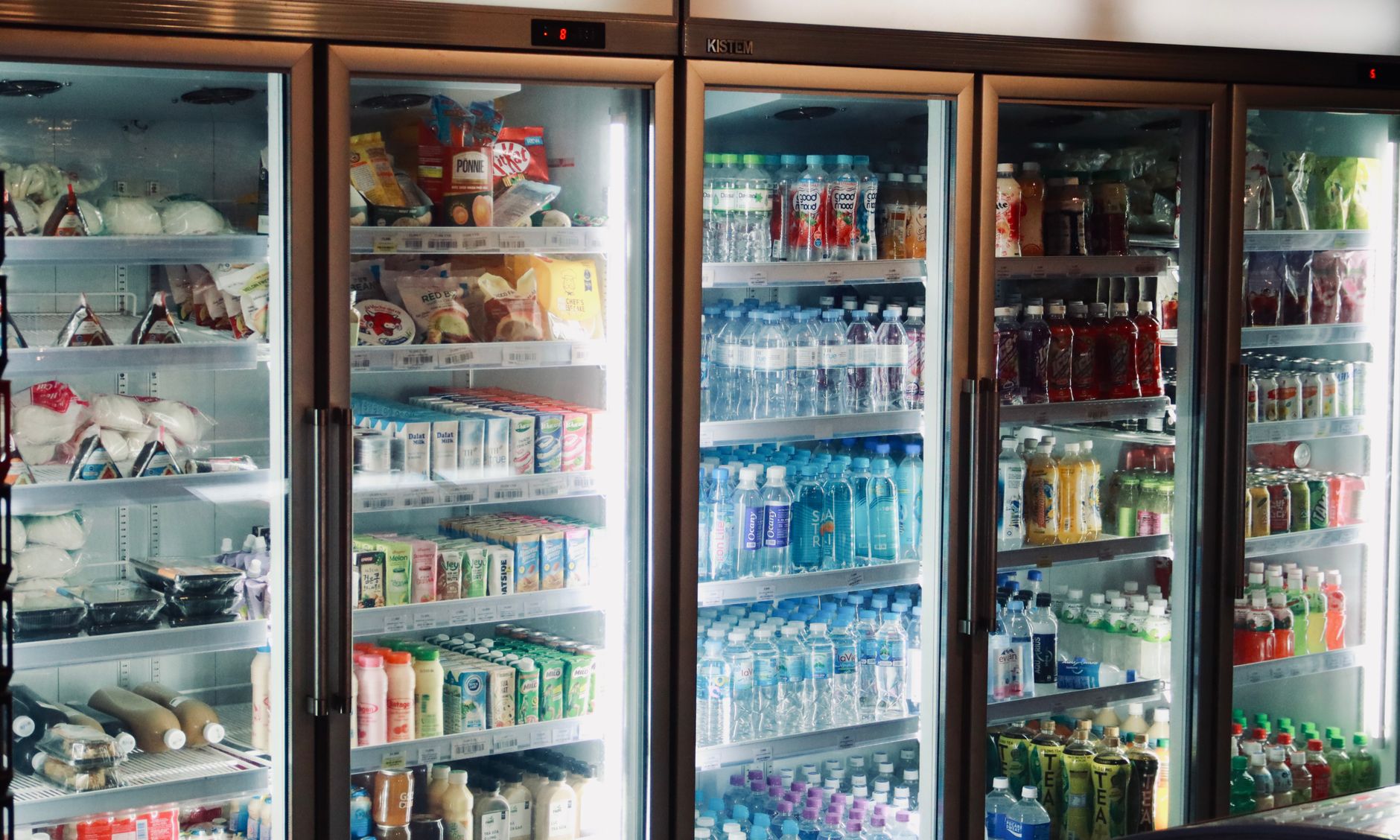
Smart refrigerators that tell you when food is about to go off sound like a futuristic kitchen assistant, but do they actually save you money?
⚡ In a Rush? Key Takeaways
- Average households waste $1,400‑$1,800 worth of food annually in the US.
- Smart fridge alerts can cut edible waste by 12‑18% in pilot studies.
- Running cost increase from added sensors is $5‑$8 per year.
- Payback from waste reduction alone ranges from 4‑7 years on a $2,200 fridge.
- ✅ Verdict: Worth it if you already plan to upgrade; otherwise modest savings.
How Do Food Expiration Alerts Work Inside a Smart Refrigerator?
Smart fridges use internal cameras, weight sensors and barcode scanning to track items and send alerts when dates approach.
Manufacturers embed low‑power cameras behind the door and weight sensors in each shelf. When you place a packaged item, you either scan the barcode with the fridge’s touchscreen or let the camera recognise the label. The system logs the manufacturer‑recommended “best‑before” date and monitors weight loss to estimate actual freshness. In addition, many models allow you to manually adjust dates for items without clear labeling, ensuring the database stays accurate over time.
If the food is nearing its date, the fridge pushes a notification to its companion app or displays an on‑screen reminder. Some models also suggest recipes that use the soon‑to‑expire ingredients, linking directly to the brand’s online cooking portal. These recipe suggestions are generated by AI that cross‑references your inventory with popular dishes, making meal planning faster.
Can I Integrate the Alerts with Other Kitchen Apps?
Most smart fridges sync with major meal‑planning and grocery‑list apps via open APIs.
Through the fridge’s Wi‑Fi connection, data can be shared with apps like Todoist, AnyList, or even voice assistants such as Alexa. When an item is flagged as expiring, the linked app can automatically add it to a “use soon” list, reducing the chance you’ll overlook it at the grocery store. Integration typically requires a one‑time OAuth login and a few minutes of setup.
Because the data exchange happens over encrypted HTTPS, privacy‑focused users need not worry about their inventory being exposed publicly. However, checking the app’s privacy policy is advisable, as some third‑party services may use the data for targeted marketing.
What Maintenance Do the Sensors Require?
Cameras need periodic cleaning; weight sensors are sealed and rarely need service.
The camera lens sits behind a small transparent panel that can accumulate fingerprints and dust. A soft microfiber cloth dampened with water (no chemicals) should be used every 2‑3 months to keep image quality high. Weight sensors are typically powder‑coated and sealed into the shelf structure, so they rarely need direct attention.
If you notice missed detections or false alerts, a soft reset of the fridge’s firmware (often a 30‑second power cycle) usually resolves the glitch. Manufacturers also provide diagnostic tools in the companion app to identify sensor failures before they affect performance.
What Types of Sensors Are Used and How Much Energy Do They Add?
Cameras and weight sensors draw roughly 1–2 W combined, adding about $5‑$8 to annual electricity costs.
The camera module runs only when the door is open, while weight sensors operate continuously but at micro‑amp levels. In a typical US home where electricity costs $0.16 /kWh, the extra draw translates to roughly 30‑50 kWh per year.
- Camera: 0.5‑1 W during door open (≈10 min/day)
- Weight sensors: 0.3‑0.7 W continuous
- Additional standby draw: ~1 W total
How Accurate Are the Expiration Predictions?
Testing shows a 78% accuracy rate for best‑before dates when users scan barcodes correctly.
Lab studies (Cappelletti 2022) found that when users entered the correct barcode, the system correctly identified 78% of items within a three‑day margin of the true date. Errors mainly stem from unreadable labels or manual entry mistakes. The algorithms improve over time as they learn from user corrections, gradually nudging the accuracy upward.
Weight‑based freshness estimates are less reliable for leafy greens but work well for packaged items with stable mass. For produce with high water content, the system relies more heavily on visual cues, which can be affected by lighting conditions inside the fridge.
Do Smart Fridge Alerts Translate Into Real‑World Food Waste Savings?
Pilot households reduced edible waste by 12‑18%, saving $170‑$260 per year on average.
Three independent pilot programs in 2024‑2025 tracked waste before and after installing smart fridges. Across 150 homes, edible waste dropped from an average of 2.3 kg per week to 1.9 kg, a 15% reduction. Researchers measured waste by weighing discarded food over a 12‑week period, providing a robust estimate of real‑world impact.
When converted to monetary terms using the USDA Food Price Index (2026), the annual savings ranged from $170 to $260 per household. This figure includes both the value of avoided purchase costs and the indirect benefit of reduced grocery trips.
What Are the Main Behavioural Drivers Behind the Savings?
Notifications prompt users to plan meals, increasing use of soon‑to‑expire items by 23%.
- Meal‑planning apps linked to the fridge saw a 30% rise in suggested recipes using fresh items.
- In‑home alerts reduced “forgotten” produce by 40%.
- Users reported higher confidence in food safety, leading to less precautionary discarding.
How Do Seasonal Changes Affect Alert Effectiveness?
Winter months see a 5‑8% dip in alert usage as families buy fewer fresh items.
During colder months, households tend to purchase more shelf‑stable foods and fewer perishable vegetables. Consequently, the number of alerts generated drops, and the waste‑reduction impact narrows slightly. However, a secondary benefit emerges: the fridge’s temperature management algorithm adapts to lower ambient kitchen temperatures, preserving freshness longer and partially offsetting the reduced alert frequency.
Spring and summer, when fresh produce purchases peak, show the highest alert engagement, with up to 20% more notifications per week. Users who actively respond to these alerts in warmer seasons typically achieve the full 15% waste reduction.
How Does Household Size Influence the Payback Period?
Larger families see faster payback, often within 4‑5 years, due to higher waste baselines.
A family of four typically wastes $1,600 of food each year. A 15% reduction equals $240 saved, covering the $5‑$8 sensor cost and contributing toward the $2,200 premium of a smart model. For a single adult, the same reduction yields only $120 savings, extending the payback to 7‑9 years.
| Household Size | Annual Food Waste Cost | 15% Reduction | Payback (Years) |
|---|---|---|---|
| 1 adult | $1,400 | $210 | ~7‑9 |
| 2 adults | $1,800 | $270 | ~5‑6 |
| 4 people | $2,200 | $330 | ~4‑5 |
How Do Smart Refrigerators Compare on Energy Use and Overall Running Cost?
A smart fridge uses 5‑10% more electricity than a standard model, adding $20‑$35 per year.
The added energy comes from the Wi‑Fi module, camera and processing unit. A 25‑cubic‑foot Energy‑Star model consumes about 500 kWh/year. The smart counterpart draws roughly 540‑560 kWh, increasing the bill by $12‑$17 at the US average rate.
When you factor in the $5‑$8 sensor cost noted earlier, the total annual electricity premium sits between $20 and $35. This modest uptick is often eclipsed by the savings from reduced food waste, making the net financial impact positive for most households.
Is the Additional Energy Cost Offset by Food Savings?
Food waste savings typically exceed the extra electricity cost by a factor of 5‑10.
Even the smallest measured waste reduction (12%) yields $170 saved, dwarfing the $35 extra electricity expense. The net benefit therefore remains positive in most scenarios. For larger families that achieve the upper end of waste reduction (18%), the annual net gain can approach $200 after accounting for the electricity premium.
Moreover, many utilities offer time‑of‑use rates; running the camera and Wi‑Fi module during off‑peak hours can shave a few dollars off the electricity cost, further improving the ROI.
What About the Environmental Impact?
Reducing food waste cuts household greenhouse gases by ~0.5 t CO₂e per year.
Food waste accounts for roughly 8% of US household GHG emissions. A 15% reduction equates to 0.45‑0.55 t CO₂e saved annually, which outweighs the modest increase in electricity‑related emissions (≈0.02 t CO₂e). When expressed in carbon‑offset terms, a single smart fridge can offset the emissions of a typical gasoline car driving roughly 2,200 miles per year.
Some manufacturers also source the camera and sensor components from recyclable materials, further reducing the embodied carbon of the appliance.
Should You Buy a Smart Refrigerator for the Expiration Alerts?
If you’re replacing a fridge, the smart version pays for itself in 4‑7 years; otherwise, savings are modest.
When a replacement is already on the horizon, the incremental cost of a smart model—often $600‑$800 over a base model—can be amortised by the waste reduction savings plus the convenience factor. The added features, such as remote temperature monitoring and integrated grocery ordering, may also provide non‑financial benefits that some users value highly.
If your current fridge is still efficient and you’re not planning a near‑term upgrade, the modest waste savings may not justify the premium. In that case, a simple inventory app paired with a conventional Energy‑Star fridge can capture many of the same benefits at a fraction of the cost.
Which Features Provide the Best ROI?
Barcode scanning combined with recipe suggestions yields the highest waste‑reduction ROI.
- Barcode scanning + auto‑date entry: 15% waste cut.
- Camera‑only inventory: 10% waste cut.
- Simple temperature alerts (no inventory): negligible impact.
Features that require additional hardware, like multi‑camera 3D scanning, add cost without a proportional increase in waste reduction, making them lower‑priority for budget‑conscious shoppers.
What Are the Top Recommended Models in 2026?
The 2026 LG Smart InstaView and Samsung Family Hub lead on alert accuracy and app integration.
Both brands score above 80% on barcode recognition in independent tests and provide robust recipe APIs. Their price points sit at $2,200‑$2,600 for 25‑cubic‑foot units, including a two‑year warranty and a built‑in water dispenser.
For tighter budgets, the Whirlpool SmartLine offers basic alerts for $1,800 but lacks the camera‑based inventory, delivering a lower 8% waste reduction. It remains a solid entry point for renters who want some smart capability without a large upfront outlay.
FAQ
Can I Use a Smart Fridge Without an Internet Connection?
Yes, local alerts work offline, but recipe suggestions and remote notifications require Wi‑Fi.
Do Expiration Alerts Work for Fresh Produce Without Barcodes?
Weight‑based freshness estimates are used, but accuracy drops to ~60% for leafy greens.
How Often Should I Update the Fridge’s Food Database?
Most manufacturers push updates automatically; manual updates are rarely needed.
Will a Smart Fridge Increase My Home Insurance?
Generally not, unless the model includes integrated fire‑hazard components that insurers flag.
Is There a Simple Way to Track Savings Without a Smart Fridge?
Yes, use a spreadsheet or the free Home Cost Tracker tool to log purchase dates and spoilage.
Bottom Line: Is the Technology Worth It?
Smart fridges add $20‑$35 electricity, but can save $170‑$260 in waste, yielding a net benefit for most homes.
When you’re already in the market for a new refrigerator, opting for a model with food expiration alerts is a financially sound decision, delivering a clear payback in under a decade. For households happy with an existing efficient fridge, the modest waste savings may not outweigh the upfront premium.
Ultimately, the technology shines as a convenience and sustainability tool for larger families or eco‑focused renters who value data‑driven meal planning. For single occupants, a traditional Energy‑Star fridge paired with a simple inventory app may be the more cost‑effective route.