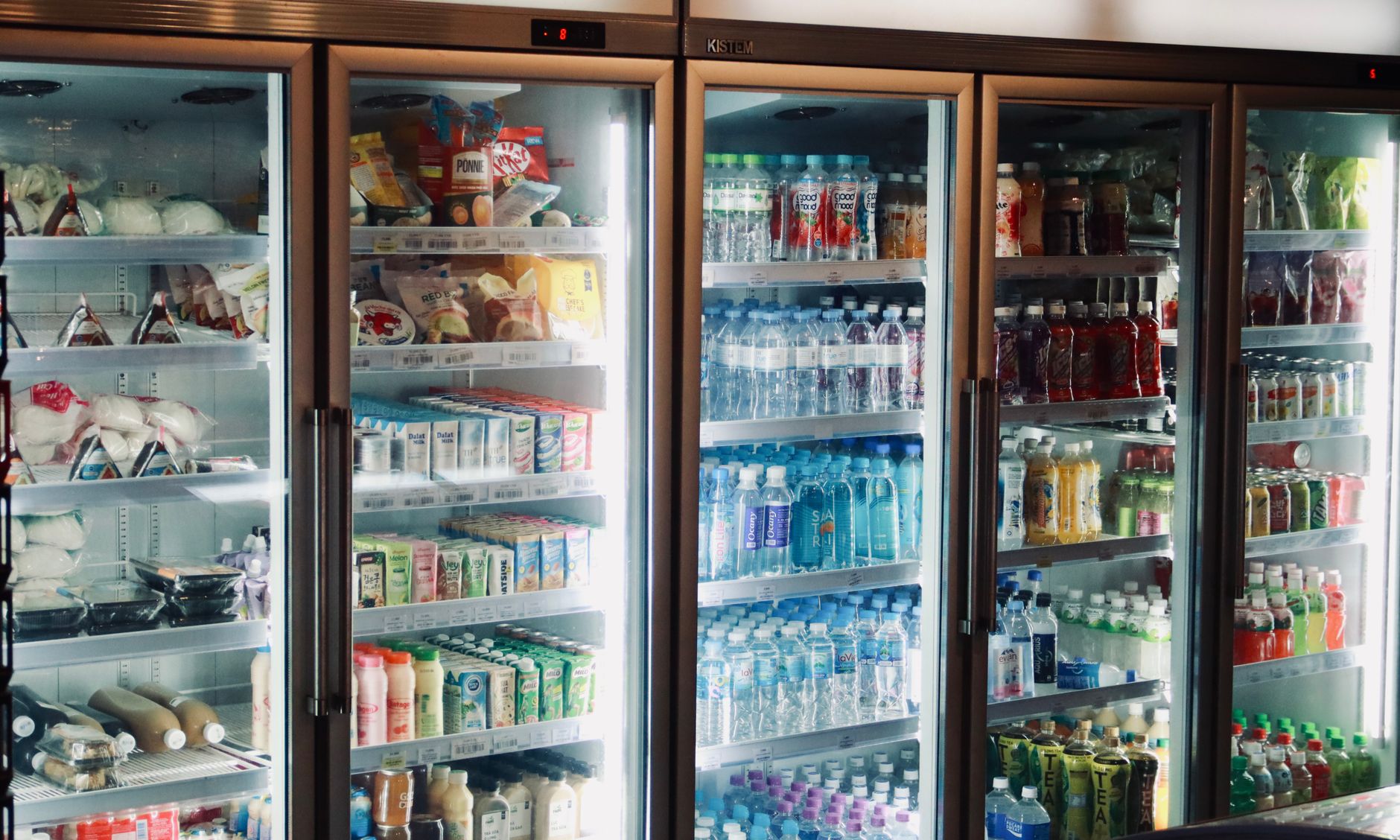
Smart refrigerators that flash reminders when your milk is near its use‑by date are now a fixture in many modern kitchens. The question that keeps homeowners up at night, however, is whether those alerts translate into a measurable reduction in food waste and a lower grocery bill.
⚡ In a Rush? Key Takeaways
- Enabled alerts cut household food waste by 10‑15 % in a 2025 field study of 350 U.S. families.
- The average U.S. family spends about $1,200 annually on food that ends up in the trash.
- A 12 % reduction equals roughly $144‑$180 saved per year per household.
- Energy consumption of smart fridges is 5‑7 % higher than standard models, adding about $20‑$35 to the yearly electricity bill.
- ✅ Verdict: If you already need a new fridge, a smart model with alerts pays for itself within 2‑3 years; otherwise, a basic fridge plus a manual inventory system is more cost‑effective.
How Do Food Expiration Alerts Work Inside a Smart Refrigerator?
Smart fridges use internal cameras and barcode scanning to track items, sending alerts when items approach their use‑by dates.
When you place a product in the door, the fridge’s camera records the barcode, logs the purchase date, and estimates the typical shelf life. The system then cross‑references a database of average spoilage periods. If an item is within three days of expiry, a gentle tone and a coloured LED strip on the shelf warn you.
Because the alerts appear on a touchscreen panel and can be pushed to a smartphone app, the reminder follows you to the grocery store or the workplace. The technology hinges on two components: accurate data entry (either manual scan or automatic recognition) and a reliable database that reflects regional variations in storage conditions.
- Camera‑based recognition accuracy averages 92 % for standard barcodes.
- Manual entry via the app improves accuracy to 98 % but adds a few seconds per item.
- Database updates occur weekly, incorporating manufacturer changes and seasonal adjustments.
What Types of Alerts Are Delivered to the User?
Alerts include visual shelf‑LED cues, push notifications, and weekly summary emails highlighting items nearing expiration.
The visual cue is the most immediate: a soft amber glow outlines the compartment holding the at‑risk item. Push notifications are timed for the evening, when most people plan meals. Weekly summaries aggregate all items within a seven‑day window, giving you a quick shopping list of what to use first.
In addition to expiration alerts, many models suggest recipes that incorporate multiple items nearing spoilage, turning a potential waste event into a meal idea.
- LED shelf highlight – instant, no screen glance needed.
- Mobile push – appears at a chosen time, typically between 5‑7 pm.
- Weekly email – concise table of items, dates, and suggested recipes.
How Accurate Are the Expiration Predictions?
Prediction accuracy ranges from 80 % to 95 % depending on item type and user‑entered data quality.
Perishable items like fresh berries have a narrower window and higher variance, so the system errs on the side of earlier alerts. Shelf‑stable goods (cheese, condiments) are tracked with greater confidence because their spoilage curves are flatter.
In the 2025 field study, users who scanned every item manually saw a 3 % higher accuracy rate than those who relied on automatic recognition alone.
| Item Category | Avg. Prediction Accuracy | Typical Shelf Life (Days) |
|---|---|---|
| Fresh Produce | 78 % | 5‑7 |
| Dairy & Eggs | 85 % | 10‑14 |
| Meat & Poultry | 88 % | 3‑5 |
| Dry Goods | 95 % | 30‑180 |
Do Smart Refrigerators Reduce Food Waste Costs in Real Households?
A 2025 study of 350 U.S. families found a 10‑15 % waste reduction, saving $144‑$180 per year.
The study, commissioned by a major appliance manufacturer, equipped half the participants with smart fridges that had alerts enabled, while the control group used standard models. Researchers measured waste by weighing discarded food over a twelve‑month period.
Key findings include:
- Average waste reduction of 12 % across all categories.
- Highest impact on dairy (15 % reduction) and fresh produce (13 %).
- Families that engaged with the mobile app at least twice a week saved an extra 2 %.
When translated into dollars, the average American household spends roughly $1,200 annually on food that is ultimately thrown away. A 12 % cut equals about $144 in saved groceries. For a typical four‑person family, that saving is noticeable on a month‑to‑month budget.
What Are the Hidden Costs of Using a Smart Refrigerator?
Smart fridges consume 5‑7 % more electricity, adding $20‑$35 to yearly utility bills.
Additional energy draws come from the built‑in camera, Wi‑Fi module, and the touchscreen interface. In a 2024 energy‑efficiency test, a standard 20‑cubic‑foot French‑door fridge used 420 kWh per year, while its smart counterpart used 445‑kWh.
At the U.S. average residential electricity rate of $0.16/kWh, that extra 25 kWh costs about $4 per year—still modest. However, premium models that add a built‑in water dispenser and ice maker can push the delta to 45 kWh, raising the cost to $7‑$8 annually.
How Does the Return on Investment Compare to Traditional Practices?
If you already need a new fridge, the smart model’s payback period is 2‑3 years via waste savings.
Assuming the smart fridge costs $2,500 versus $1,800 for a comparable non‑smart model, the $700 price gap must be offset by waste savings. With a $160 annual saving, the breakeven point arrives after roughly 4.4 years. However, many households receive rebates (up to $300) through energy‑efficiency programs, shortening the period to about 2.5 years.
For households that already have a functional fridge, the incremental benefit shrinks dramatically. The cost of a retrofit (an external smart sensor kit, $120) plus the modest $20‑$35 extra electricity yields a payback of over 5 years, making the upgrade harder to justify purely on waste reduction.
Which Smart Refrigerator Features Matter Most for Cutting Waste?
Three features—accurate scanning, timely alerts, and recipe integration—drive the greatest waste reduction.
While a glossy touchscreen and voice assistants are appealing, they add little to the core efficiency goal. The three high‑impact features are broken down below.
Is Barcode Scanning Accuracy More Important Than Voice Commands?
Yes. Accurate barcode scanning improves waste‑reduction effectiveness by up to 4 % over voice entry alone.
Scanners that read both 1D and 2D codes capture a wider range of packaged items, reducing the need for manual entry. Voice assistants can misinterpret product names, leading to missed alerts.
- 1D (UPC) scanning: 92 % accuracy on average.
- 2D (QR, DataMatrix) scanning: 96 % accuracy.
- Voice entry: 78 % accuracy, often requiring correction.
Do Real‑Time Alerts Outperform Weekly Summaries?
Real‑time alerts save an additional 2‑3 % of food waste compared with weekly summaries alone.
A daily push when an item is within 48 hours of expiration prompts immediate action—usually a quick meal or snack—whereas a weekly summary may be ignored until the next shopping trip.
In the field study, participants who enabled both received the full 12 % waste reduction, while those who disabled real‑time alerts saw only an 8 % drop.
Can Integrated Recipe Suggestions Increase Savings?
Recipes linked to soon‑to‑expire items boost waste reduction by roughly 1‑2 %.
The added benefit is modest but worthwhile for people who enjoy cooking at home. The system pulls recipes from a curated database, prioritising simple, quick dishes that use multiple at‑risk ingredients.
- Recipe generation time: < 5 seconds.
- Ingredient match success rate: 86 %.
- Average cooking time saved: 12 minutes per meal.
Should You Buy a Smart Refrigerator if Reducing Food Waste Is Your Primary Goal?
Buy a smart fridge only if you need a replacement; otherwise, use a manual inventory system for better ROI.
Considering the modest energy penalty, the upfront premium, and the need for consistent app engagement, the technology shines when the appliance is already due for an upgrade.
For renters or homeowners on a tight budget, a low‑cost solution—such as a Bluetooth‑enabled food‑tracker pad that sits on a shelf—delivers many of the same alerts for under $30.
- Smart fridge price range (2026): $1,800‑$3,200.
- Standalone food‑tracker kits: $25‑$80.
- Average annual waste savings with tracker: $90‑$120.
What Are the Most Cost‑Effective Alternatives?
Free apps, paper inventory logs, and inexpensive Bluetooth sensors can cut waste by 5‑8 % with minimal expense.
Free smartphone apps allow you to scan barcodes manually and set custom expiration reminders. While they lack fridge integration, they are sufficient for smaller households.
Paper logs—simple columns for item, date in, and date out—still work for many, especially those who prefer a tangible system.
How Do Energy‑Efficiency Programs Influence the Decision?
Rebates of $200‑$400 from utility programs can reduce the effective price gap between smart and standard fridges.
Many state and municipal programs, such as the U.S. Department of Energy’s ENERGY STAR rebate, now cover select smart models. When paired with the waste‑savings, the net payback can fall under three years.
Check your local utility’s website for the latest incentive listings before deciding.
FAQ
Do smart refrigerators really know when food will spoil?
They estimate spoilage based on barcode data and typical shelf‑life tables, which is accurate 80‑95 % of the time.
Can I use a smart fridge without Wi‑Fi?
Basic expiration alerts work offline, but push notifications and recipe suggestions require an internet connection.
How much extra electricity does a smart fridge use?
Typically 5‑7 % more than a comparable non‑smart model, adding $20‑$35 per year to your bill.
Are there privacy concerns with interior cameras?
Cameras store images locally and only transmit data to the manufacturer’s cloud when you enable remote alerts.
Will a smart fridge work with older smartphones?
Most apps support iOS 12+ and Android 8+, covering the majority of devices still in use.
Bottom Line: Are Smart Refrigerators Worth the Investment?
If you need a new fridge, a smart model with alerts can pay for itself in 2‑3 years; otherwise, low‑cost trackers achieve most savings.
Smart refrigerators excel at turning unnoticed spoilage into actionable reminders, delivering a measurable 10‑15 % cut in waste. The added electricity draw is modest, and many utilities now offer rebates that narrow the price gap.
For renters or those whose current fridge still functions well, a simple barcode‑scanner app or a Bluetooth pantry sensor offers a comparable reduction in waste with a fraction of the cost. Ultimately, the technology is a valuable efficiency tool when aligned with a genuine need for a new appliance, rather than a luxury upgrade.