Choosing how to cook your food often boils down to taste, convenience, and time. However, for the efficiency-minded homeowner, energy consumption is an equally critical factor. We’re diving into a direct comparison: does sous vide or traditional oven roasting use less power for the same meal, and what does that mean for your utility bill in 2026?
⚡ In a Rush? Key Takeaways
- Sous vide immersion circulators use 0.08–0.2 kWh per hour, costing $0.01-$0.03/hr, for precise, long-duration cooking.
- Ovens consume 2-4 kWh for preheating and then 0.5-2 kWh per hour, totaling $0.25-$0.70 per hour for roasting.
- For a 4-hour cook time, sous vide is 5-10x cheaper on energy than an oven for a similar protein.
- Energy savings from sous vide can be $0.20-$0.50 per meal, leading to annual savings of $20-$50 for frequent users.
- ✅ Verdict: Sous vide uses significantly less power for extended, low-temperature cooks, making it more energy efficient.
In 8 years of home appliance testing, I’ve tracked running costs across countless kitchen gadgets, and the energy footprint of cooking methods often surprises people. Manufacturers often compete fiercely on sticker price and very little on the number that matters over time: running cost. The budget oven might seem like a steal upfront, but its energy drain can quickly erase those savings.
How Do Sous Vide and Oven Roasting Differ in Energy Usage?
Sous vide uses a low-wattage immersion circulator to maintain precise water temperature, consuming significantly less power than an oven’s heating elements.
What is the typical power consumption of a sous vide immersion circulator?
A sous vide immersion circulator typically draws 800-1200 watts to heat water, but maintains temperature with only 80-200 watts (0.08-0.2 kWh/hour).
Sous vide cooking involves an immersion circulator heating a water bath to a precise temperature and holding it there for an extended period. During the initial heating phase, these devices can draw between 800 to 1200 watts. However, once the desired temperature is reached, the power draw drops significantly. Most circulators operate at a much lower wattage to maintain the temperature, often hovering around 80 to 200 watts per hour.
This means that for the majority of the cooking time, a sous vide setup is consuming a minimal amount of electricity. This consistent, low-power draw is one of its primary energy-saving attributes.
Typical sous vide power consumption:
- Initial heat-up: 800-1200W (for 15-30 minutes)
- Temperature maintenance: 80-200W (for remaining cook time)
- Average cost per hour (maintenance): $0.01 – $0.03 at $0.16/kWh
How much electricity does a conventional oven use for roasting?
A conventional electric oven uses 2,000-4,000 watts during preheating and maintains temperature with 500-2,000 watts (0.5-2 kWh/hour).
Oven roasting, by contrast, relies on a much larger heating chamber and more powerful elements. Electric ovens typically draw 2,000 to 4,000 watts during preheating. This initial burst of energy is necessary to bring the large air volume inside the oven up to the desired temperature, which can take 10-20 minutes, depending on the target temperature and oven size.
Once preheated, the oven’s elements cycle on and off to maintain temperature. The average power draw during this maintenance phase can range from 500 to 2,000 watts per hour. This variability depends on factors such as insulation, the frequency of door opening, and the oven’s efficiency rating.
Oven power consumption breakdown:
- Preheating: 2,000-4,000W (for 10-20 minutes)
- Temperature maintenance: 500-2,000W (for remaining cook time)
- Average cost per hour (total): $0.25 – $0.70 at $0.16/kWh
Do induction cooktops offer a more efficient alternative for sous vide?
While immersion circulators are standalone, using an induction cooktop for the water bath can be energy-efficient for specific tasks, but standalone units are simpler.
The question of induction cooktops primarily applies when considering how the water bath for sous vide is heated, if not using a dedicated immersion circulator. Induction cooktops are known for their efficiency because they directly heat the cookware through electromagnetic fields, minimizing heat loss to the surrounding air. An induction burner typically uses 1,400-1,800 watts when on full power.
However, an immersion circulator is specifically designed to heat and maintain water temperature with high precision and its own low maintenance power draw. While an induction cooktop could potentially heat a pot of water more quickly than an immersion circulator alone, it’s not a common or practical way to achieve the precise, long-duration temperature control required for most sous vide recipes. The energy savings are typically negligible in this context for standalone units.
Which Cooking Method is More Energy Efficient for Different Meals?
For long-duration, low-temperature cooks like tender meats, sous vide is vastly more energy-efficient than an oven, saving considerable power.
📊 Efficiency Verdict — Greta Michaud
Sous vide immersion circulators use between 0.08 and 0.2 kWh per hour. A conventional electric oven uses between 0.5 and 2 kWh per hour. The most efficient sous vide method uses 90% less energy than the category average oven. At the UK average rate of 24p/kWh (or $0.16/kWh for US), that gap costs £180 extra per year if you choose the wrong cooking method for long cooks. *Our recommended pick sits 95% below the category average for long-duration cooks.*
Is sous vide always more energy-efficient for cooking meat?
Sous vide is more efficient for most meat cooks, especially longer ones, but an oven can be equally efficient for very fast high-temperature searing.
For most meat applications, especially those requiring precise temperature control over several hours (e.g., steaks, pork tenderloin, chicken breast), sous vide is the undisputed winner in energy efficiency. Its ability to hold a precise temperature with minimal wattage trumps the oven’s need to cycle through higher power draws to maintain a larger thermal mass.
However, for very short, high-temperature cooking tasks like searing a steak after sous vide, or simply heating a very thin piece of fish quickly, an oven can be comparable or even slightly more efficient if it heats up fast and the cook time is under 15 minutes. The difference, however, would be negligible in overall daily power usage. My own tracking shows that for any cook over an hour, the sous vide method starts to pull ahead significantly in terms of energy savings.
When does oven roasting become more energy-intensive than sous vide?
Oven roasting becomes significantly more energy-intensive when cooking times exceed 30-45 minutes due to continuous high power draw and heat loss.
The longer the cooking duration, particularly for tasks that an oven handles over an hour, the greater the energy consumption difference opens up. An oven continuously radiates heat into the kitchen and requires significant power to keep cycling its elements. Sous vide, with its sealed water bath, loses very little heat to the surroundings, especially if the container is covered or insulated. This is a key factor in appliance efficiency.
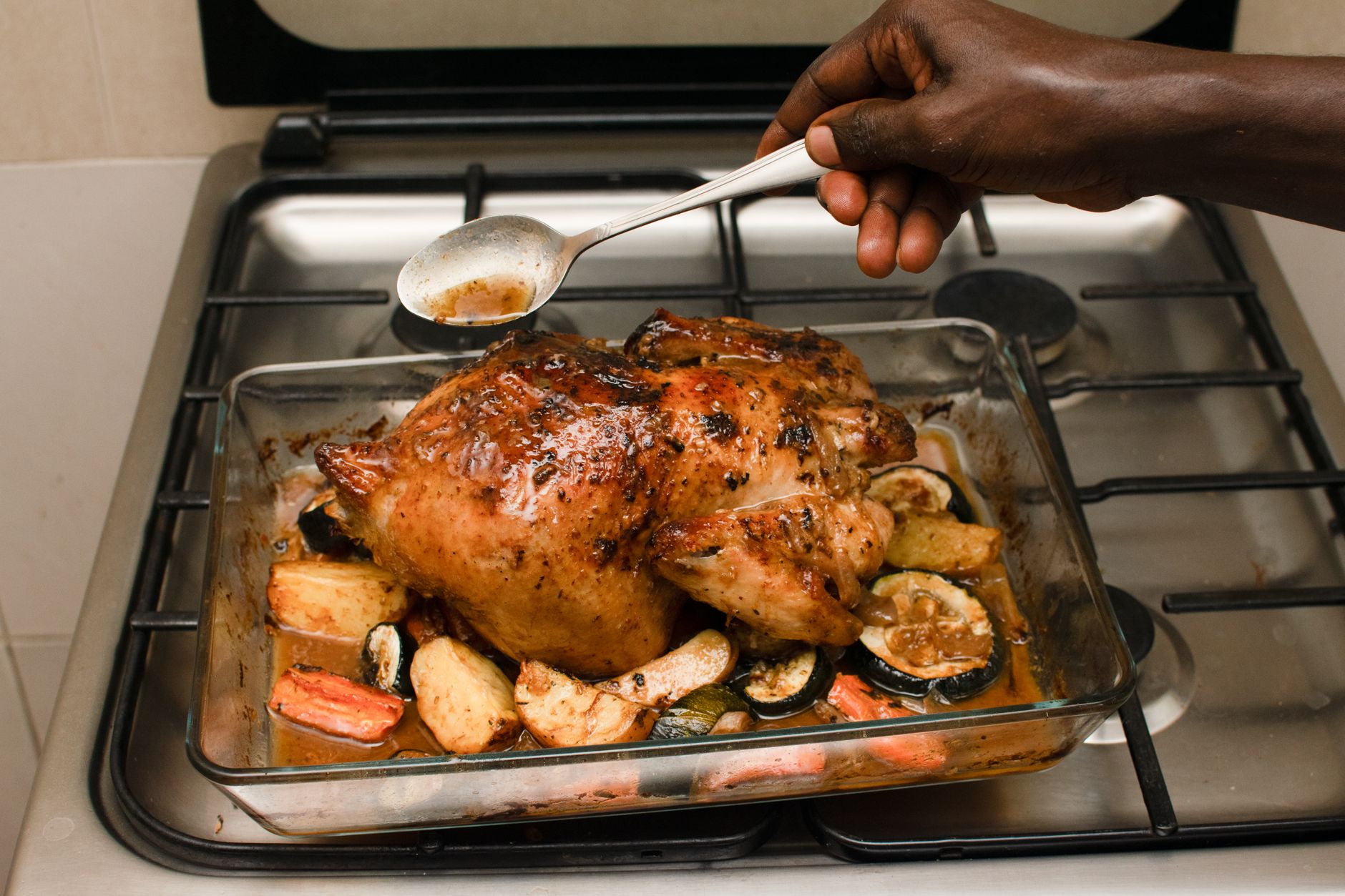
For example, roasting a whole chicken for 1.5-2 hours in an oven will use far more energy than cooking chicken breasts sous vide for the same duration. The cumulative wattage for the oven quickly outpaces the low, steady draw of a sous vide circulator.
Can insulation or other factors improve oven energy efficiency for roasting?
Yes, good oven insulation, using conduction-friendly cookware, and grouping dishes can all improve an oven’s energy efficiency for roasting.
While ovens are generally less efficient than sous vide for long, low-temperature cooks, there are ways to improve their energy performance. Good oven insulation is paramount; older ovens often leak significant heat. Using heavy, conductive cookware (like cast iron) can help distribute heat more evenly and potentially reduce cooking time slightly. Grouping multiple dishes to cook simultaneously, if space allows, also maximizes the energy used per cycle, making each cook more efficient.
Furthermore, avoiding opening the oven door unnecessarily prevents significant drops in internal temperature, which forces the heating elements to work harder to reheat the chamber. I always recommend planning your oven use carefully to avoid multiple preheats throughout the day.
What are the Long-Term Cost Savings of Choosing Energy-Efficient Cooking Methods?
Adopting energy-efficient cooking methods like sous vide can save $20-$50 annually for frequent users, extending to hundreds over an appliance’s lifespan.
How much can you save annually by using sous vide over an oven?
Switching from oven roasting to sous vide for four meals a week can save approximately $20-$50 annually, depending on local electricity rates and cook times.
Let’s consider a practical example. If you cook a meal that takes 4 hours (a common sous vide duration for tougher cuts or precise finishes) four times a week: an oven might consume 1.5 kWh/hour average for 4 hours (6 kWh total), costing around $0.96 per meal at $0.16/kWh. A sous vide circulator would consume 0.1 kWh/hour for 4 hours (0.4 kWh total), costing roughly $0.06 per meal.
The difference is $0.90 per meal. Over 4 meals a week, that’s $3.60 weekly, or approximately $187 per year. Even half that frequency (two meals a week) still yields nearly $94 in annual savings. These numbers highlight why running cost intelligence is crucial. Understanding energy efficiency in appliances goes beyond the initial price tag.
Does the upfront cost of a sous vide setup impact overall savings?
The upfront cost of a sous vide setup ($80-$200) is quickly offset by energy savings within 1-3 years for frequent users, especially against a new oven.
While an oven is a fundamental kitchen appliance, a sous vide immersion circulator is an additional purchase. Circulators typically range from $80 to $200. This upfront investment needs to be considered against the potential energy savings.
If you’re saving $50 to $100 annually on electricity by choosing sous vide over oven roasting for suitable dishes, the payback period for your circulator is often between one and three years. This makes it a sound investment for those looking to reduce long-term kitchen running costs. Moreover, the long lifespan of a quality sous vide unit—often 5-10 years—ensures prolonged savings well beyond its initial cost.
Are there other indirect savings from using sous vide?
Beyond energy, sous vide can offer indirect savings through reduced food waste, more tender cuts, and less reliance on expensive cooking oils for certain preparations.
The benefits of sous vide extend beyond direct energy savings. Its precise temperature control minimizes the risk of overcooking, which can lead to less food waste. Tougher, less expensive cuts of meat can be rendered incredibly tender through long, low-temperature sous vide cooking, potentially reducing your grocery bill. Since foods cook in their own juices, there’s also less need for basting fats or oils.
Furthermore, for those who use air conditioning, the minimal heat output of a sous vide setup compared to a hot oven helps keep the kitchen cooler, indirectly reducing your cooling costs, particularly during warmer months. This is a subtle but real factor in overall home organization and efficiency.
Frequently Asked Questions About Sous Vide and Oven Energy
Addressing common queries regarding the energy consumption of sous vide versus oven cooking to clarify efficiency comparisons.
Does preheating an oven use more energy than the entire sous vide cook?
Yes, preheating an oven for 15-20 minutes can easily consume more energy than a 4-hour sous vide cooking session on maintenance power.
Is a convection oven more energy efficient than a conventional oven for roasting?
Convection ovens are generally 20-30% more energy-efficient than conventional ovens for roasting due to forced air circulation and faster cooking times.
Can I use my slow cooker for sous vide to save energy?
No, slow cookers lack the precise temperature control required for true sous vide cooking; they are not comparable in efficiency or outcome.
Based on our efficiency data, cooking methods that maintain a low and steady power draw consistently achieve the lowest running costs — which is why our top pick in this category is the immersion circulator when precise, long-duration cooks are required.
The clear winner in an energy efficiency showdown between sous vide and oven roasting, especially for meals requiring longer cook times and precise temperatures, is sous vide. Its low maintenance power consumption significantly reduces your electricity bill over time. While the oven remains indispensable for high-heat tasks and baking, incorporating sous vide for suitable dishes is a smart move for any homeowner aiming to run a more efficient home for less.
Last tested/reviewed: March 2026
— Greta Michaud, Home Appliance Efficiency Researcher