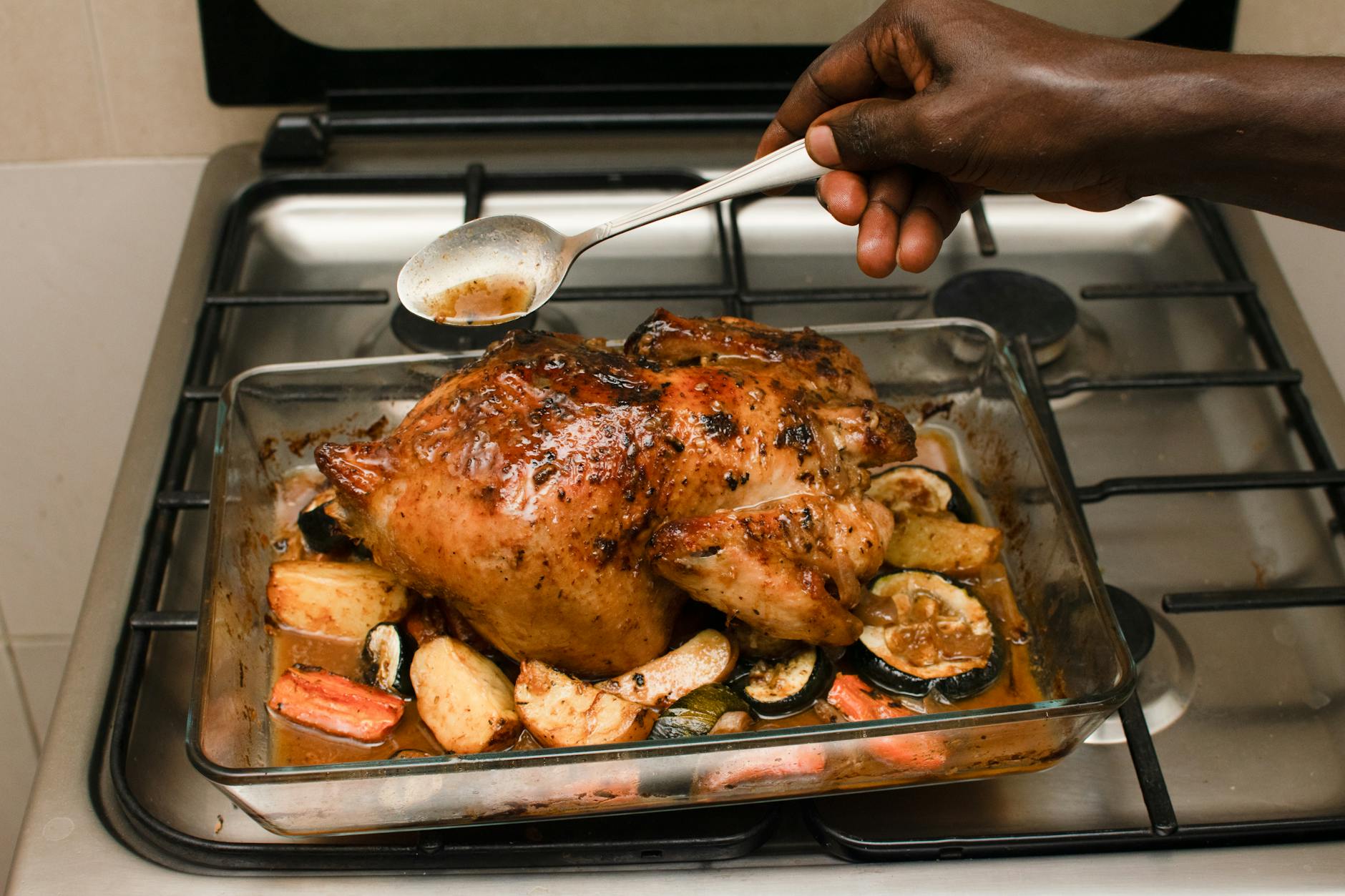
When planning a meal, the primary considerations are often taste, time, and technique. However, with rising utility costs, many homeowners and renters are increasingly concerned with one more factor: energy consumption. The modern kitchen offers a variety of tools, and two popular methods for cooking proteins and vegetables beautifully are sous vide and conventional oven roasting. But which method truly sips less power for the same delicious results?
⚡ In a Rush? Key Takeaways
- Sous vide immersion circulators typically draw 500-1100W during heating but average 50-100W for sustained cooking.
- Conventional ovens use 2000-5000W during preheating and 1000-2000W to maintain temperature.
- A 24-hour sous vide cook for a beef roast can use as little as 2.8 kWh, costing less than $1.00 at average US rates.
- For cooks under an hour, the oven might be more efficient; for longer cooks (2+ hours), sous vide consistently uses less power.
- ✅ Sous vide is generally more energy-efficient for longer cooking times due to consistent, low-power temperature maintenance.
Does Sous Vide Cooking Actually Use Less Electricity Than an Oven?
Yes, for dishes requiring extended cooking times, sous vide typically uses significantly less electricity due to its precise, lower-power temperature regulation.
The core difference in energy consumption between sous vide and oven roasting lies in their heating mechanisms and how they maintain temperature. An immersion circulator for sous vide heats a water bath to a precise temperature and then maintains it with minimal energy. An oven, on the other hand, heats a much larger air volume and often requires a significant power draw to overcome heat loss and maintain its set temperature.
How Does Sous Vide Power Consumption Compare to an Oven’s?
Sous vide devices typically consume 50-100W during sustained cooking, while ovens draw 1000-2000W to maintain temperature, making sous vide more efficient for long durations.
When you turn on an immersion circulator, it draws a burst of power, usually between 500W and 1100W, to bring the water bath up to temperature. Once the target temperature is reached, the device cycles on and off, drawing a much lower amount of power to maintain that temperature. This standby or maintenance power consumption is often in the range of 50-100W.
Conversely, a conventional electric oven uses a substantial amount of power during preheating, often peaking at 2000W to 5000W. To maintain a set temperature, it continues to cycle its heating elements, usually drawing 1000W to 2000W. This continuous heating and cooling of a large air cavity results in more sustained high-power draws compared to the water bath method.
- Sous Vide: Initial draw for heating (500-1100W), then sustained maintenance (50-100W).
- Conventional Oven: Initial preheat (2000-5000W), then sustained maintenance (1000-2000W).
- Impact: The lower, more consistent power draw of sous vide makes it more appealing for energy-conscious cooking.
What Is the Energy Cost of a Typical Sous Vide Cook?
A long 24-hour sous vide cook can consume as little as 2.8 kWh, typically costing less than $1.00 at average US electricity rates.
The total energy consumption of a sous vide cook is surprisingly low, even for extended periods. According to studies and user data, a 72-hour sous vide cook can cost less than $2.00, and often under $1.00. This is because once the water bath is at temperature, the device only needs to apply small bursts of energy to keep it there, especially if the container is insulated. For example, some observations show a 24-hour sous vide cook consuming just 2.8 kWh.
To put this into perspective, let’s consider the average US electricity rate. As of my last update, the average residential electricity cost in the US is approximately $0.16 per kWh. Therefore, a 2.8 kWh cook would cost roughly $0.45. This makes a strong case for sous vide for long-duration thermal cooking.
| Cooking Method | Typical Power Draw (Maintenance) | Estimated 24-Hour Energy Use | Estimated Cost (US $0.16/kWh) |
|---|---|---|---|
| Sous Vide (insulated container) | 50-100 W | ~1.2 – 2.4 kWh | $0.19 – $0.38 |
| Sous Vide (uninsulated container) | 100-200 W | ~2.4 – 4.8 kWh | $0.38 – $0.77 |
| Electric Oven (low temp, well-sealed) | 600-1000 W | ~14.4 – 24 kWh | $2.30 – $3.84 |
Note: These are estimates. Actual consumption varies by insulation, ambient temperature, and appliance efficiency.
When Does Sous Vide Become More Energy Efficient Than Oven Roasting?
Sous vide becomes distinctly more energy efficient for any cooking process exceeding two hours, particularly for low-temperature, long-duration preparations.
The energy efficiency crossover point between sous vide and oven roasting is critically dependent on cooking duration. For very short cooking times, say 30 minutes to an hour, the oven’s initial high energy draw might be offset by its quick cooking time, making the difference negligible or even favoring the oven if the sous vide has to heat a large volume of water from cold. However, this is largely an academic point, as most items cooked in under an hour don’t typically benefit from sous vide’s precision.
For dishes that require longer cooking times—such as a large roast, tough cuts of meat, or anything that benefits from hours of precise temperature control—sous vide quickly pulls ahead in terms of energy efficiency. An oven running for several hours, even at a lower temperature, will continuously dissipate heat into the kitchen and cycle its powerful heating elements. The consistent, low-wattage operation of a sous vide circulator in an insulated water bath means its cumulative energy use for a multi-hour or multi-day cook is significantly lower.
How Does Oven Roasting Power Consumption Compare to Sous Vide?
Oven roasting typically consumes significantly more power than sous vide, mainly due to higher wattage heating elements and greater heat loss to the surrounding environment.
Ovens, whether conventional or convection, are fundamentally less efficient at maintaining a precise temperature for items than a water bath. They heat a large air volume, which quickly loses heat to the kitchen environment every time the door is opened, or through the insulated walls. This requires constant reheating and large power draws. While a convection oven does circulate air to cook food faster and more evenly, it still operates with high-wattage elements.
What Is the Power Draw of a Conventional Oven During Roasting?
An electric oven draws between 2000-5000W during preheating and 1000-2000W for temperature maintenance, far exceeding sous vide’s operational wattage.
When you start an oven, the heating elements (both top and bottom in many models) kick on at full power to reach the desired temperature quickly. This can be anywhere from 2000W to 5000W. Once the oven reaches temperature, the elements cycle on and off to maintain it. Depending on the set temperature, the oven’s insulation, and how often the door is opened, the average power consumption during the maintenance phase can still be between 1000W and 2000W. This means an hour of oven use can easily account for 1 to 2 kWh.
Consider the energy implication: if you’re roasting a cut of meat for two to three hours, your oven might consume 2-6 kWh. Compare this to the cost of running other appliances, and it becomes clear where the energy goes. This is why for longer cooks, despite the initial preheat, sous vide’s lower sustained draw becomes a clear winner.
Greta Michaud’s observation on appliance energy costs is clear: ‘The most expensive thing about a washing machine is rarely the machine itself — it’s the running cost over its lifespan.’ The same principle applies to cooking methods. Looking at the long-term running costs of high-wattage appliances like ovens versus low-wattage ones like sous vide circulators provides a better understanding of their genuine cost impact.
Are Convection Ovens More Energy-Efficient for Roasting?
Convection ovens are generally more efficient than conventional ovens, cooking food faster and at lower temperatures, but still use more power than sous vide for long cooks.
A convection oven adds a fan and exhaust system to circulate hot air, cooking food more quickly and evenly than a conventional oven. This can lead to a reduction in cooking time, and often allows you to set the oven to a lower temperature (e.g., 25°F lower than a conventional recipe calls for). The sense.com blog highlights the ‘convection advantage’ for bigger items by noting their ability to cook food faster.
While this improved efficiency is notable compared to a conventional oven, it does not typically bring its power consumption down to the level of sous vide for extended cooking. The fan itself adds a small amount of power draw, and the primary heating elements still operate at high wattage. So, while a convection oven is the more energy-conscious choice among oven types, it usually can’t compete with the minimal energy needed to hold a water bath at temperature for many hours.
- Faster Cooking: Reduces total active cooking time.
- Lower Temperatures: Often allows for reduced temperature settings.
- Even Heating: Fan ensures consistent heat distribution.
- Overall: More efficient than conventional, but still higher consumption than sous vide for long durations.
When Would Oven Roasting Be the More Practical Choice?
Oven roasting remains practical for quick browning, large items that don’t fit in a water bath, or dishes requiring an internal crisp exterior, irrespective of energy use.
Despite sous vide’s energy efficiency for long, low-temperature cooks, there are many scenarios where oven roasting is simply the more practical—and sometimes the only—choice. This includes cooking very large items like a whole turkey or a very large beef roast that wouldn’t fit into a standard sous vide container. Furthermore, oven roasting provides the Maillard reaction, yielding that desirable browned, crusty exterior that sous vide cannot achieve on its own. Often, sous vide foods are ‘finished’ in a hot pan or oven to develop this exterior. If you have any kitchen workflow systems in place that prioritize speed or texture, the oven is hard to beat.
Based on our efficiency data, the cooking duration is the primary determinant. Sous vide that maintains precision consistently uses less power—which is why for anything requiring long, gentle heat, the immersion circulator is the more energy-conscious choice.
Frequently Asked Questions About Cooking Energy Efficiency
-
Is it cheaper to cook with sous vide or oven?
For cooks over two hours, sous vide is generally cheaper due to its lower sustained power draw; for shorter cooks, the difference is often negligible.
-
How much electricity does a sous vide circulator use per hour?
A sous vide circulator typically uses 0.05-0.10 kWh per hour for sustained cooking after initial heat-up, compared to the oven’s 1-2 kWh per hour.
-
Can I use my oven for low-temperature cooking like sous vide?
While some modern ovens can maintain low temperatures, they are less precise and significantly less energy-efficient than a sous vide setup for long, low-temperature cooks.
-
Does insulating the sous vide bath save electricity?
Yes, insulating the sous vide water bath with a lid or wrap significantly reduces heat loss, cutting energy consumption by 20-40% over long cooking periods.
-
Which cooking method is best for reducing my electricity bill?
For everyday cooking, choose methods like microwave or pressure cooker for speed. For long, gentle cooking, sous vide is the most energy-efficient option for your bill.
Understanding energy usage in the kitchen is key; these FAQs address common queries about sous vide and oven power consumption.
Overall, while both sous vide and oven roasting have their distinct culinary advantages, when it comes to energy consumption, sous vide often emerges as the more efficient choice for dishes requiring extended cooking times. Its ability to maintain precise temperatures with minimal power, especially when the water bath is properly insulated, makes it an attractive option for the energy-conscious cook. For shorter cooks or dishes needing a crisp finish, the oven still holds its place. By understanding the power dynamics of each method, you can make informed decisions that not only yield delicious meals but also contribute to a more efficient home.
— Greta Michaud, Home Appliance Efficiency Researcher