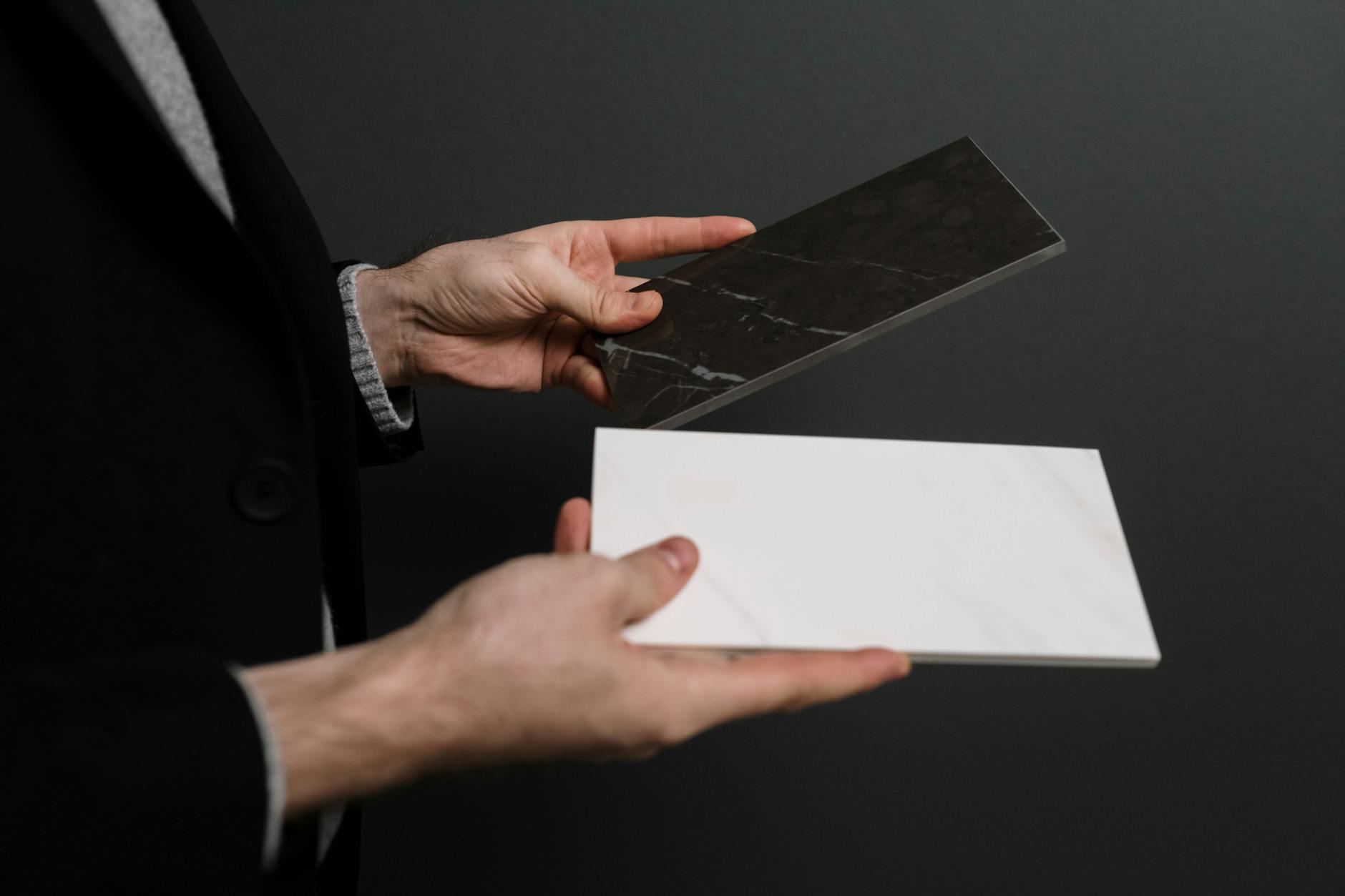
Choosing a splashback for your kitchen renovation requires balancing aesthetic preference against the reality of heat resistance, cleaning frequency, and replacement cycles. This splashback material comparison cost guide examines twelve common options across three price tiers, factoring in both supply and installation costs to reveal true lifetime value. Whether you are replacing a tired tile run behind a gas hob or designing a new build utility room, understanding how material choices impact your household maintenance budget prevents expensive missteps.
⚡ In a Rush? Key Takeaways
- Glass splashbacks last 15–20 years without discolouration.
- Vinyl-wrapped MDF requires replacement every 5–7 years in high-heat zones.
- Large-format porcelain tiles have a 20+ year lifespan and minimal maintenance.
- ✅ Porcelain offers the best 10-year value at under £5 annual depreciation.
Is a glass splashback worth the premium over ceramic tile?
Toughened glass costs 3–4 times more per square metre than ceramic, but eliminates grout maintenance and lasts 15–20 years without discolouration.
| Option | Key stat | Best for |
|---|---|---|
| Glass | 3–4x cost of ceramic, lasts 15–20 years | High-end kitchens, long-term investment |
| Ceramic | £40–£80 per sqm, requires grout maintenance | Budget renovations, short-term solutions |
Painted toughened glass typically ranges from £180 to £350 per square metre installed, depending on whether you select standard RAL colours or metallic finishes. By contrast, mid-range ceramic subway tiles cost £40 to £80 per square metre including adhesive and grout. The economic divergence appears when you factor in labour. Glass requires laser templating of your wall’s exact dimensions—including socket cut-outs—and specialist fitting, adding £250 to £400 to the total. Ceramic tiling labour for the same 3-metre wall run averages £200.
However, the organised kitchen workflows you employ daily influence long-term costs. Glass offers a seamless surface that wipes clean in seconds; ceramic requires grout line scrubbing every six months to prevent staining in cooking zones. Over ten years, the time cost alone—approximately four hours annually of grout maintenance—offsets the £400 upfront premium for many households.
What about back-painted glass colour options?
Back-painted glass in custom colours costs an additional £40–£60 per square metre compared to clear toughened glass with a painted reverse. Opting for a neutral off-white rather than a specific Pantone match avoids premium paint-mixing charges while maintaining the hygienic, grout-free surface that defines glass splashback practicality.
What is the cheapest splashback material that lasts?
Vinyl-wrapped MDF costs £15–£25 per square metre but requires replacement every 5–7 years in high-heat zones adjacent to hobs.
Budget renovations often turn to laminate panels or moisture-resistant MDF with an acrylic facing. These materials suit pantries and low-use utility walls, but fail quickly behind active cooktops where temperatures exceed 90°C regularly. The replacement cycle transforms an initial £200 outlay into £600 over fifteen years, plus the labour of removal and re-installation.
- Laminate panels: £200 initial outlay, £600 over 15 years
- Moisture-resistant MDF: £200 initial outlay, £600 over 15 years
A more viable economy option is large-format porcelain tile (600mm x 1200mm). At £25–£45 per square metre for materials plus £30–£40 per square metre installation, you achieve minimal grout lines and heat tolerance to 120°C. While the upfront cost exceeds laminate, the ongoing maintenance budgets drop significantly—porcelain does not warp, stain, or require sealing.
The false economy of vinyl wraps
Self-adhesive vinyl wraps promise transformation for under £50 per wall, yet adhesive failure begins at 18–24 months in steam-rich environments. The labour cost of stripping failed vinyl—often taking 4–6 hours of solvent work—exceeds the initial material saving. For rental properties or temporary solutions, vinyl suffices; for owner-occupied homes, porcelain offers genuine long-term value.
📊 Efficiency Verdict
Porcelain tiles offer the best balance of upfront cost, lifespan, and maintenance, depreciating at under £5 per year.
How much does professional installation add to material costs?
Standard tiling labour runs £200–£400 for a 3-metre run; glass, acrylic and stone splashbacks typically cost £300–£500 installed due to templating.
Installation economics vary by material rigidity. Acrylic and PVC panels suit competent DIY installation with adhesive and silicone sealant, potentially saving £300–£400 in trades fees. However, errors in cutting around electrical outlets ruin entire sheets—factor a 10% waste allowance into your costing. Stone and quartz require diamond blade wet saws and vacuum lifting equipment due to weight, making professional fitting mandatory.
For materials requiring expert fitting, obtain itemised quotes separating material supply from labour. This transparency allows you to source materials independently—often saving 20–30% on retailer mark-ups—while ensuring the installer warranties their fitting work. Using a maintenance cost estimation tool before commissioning work prevents budget overruns.
Templating costs for complex cuts
Walls with multiple socket cut-outs, extractor fan ducting, or window reveals require laser templating for glass and stone. This service costs £80–£120 and must occur after cabinets are fixed but before worktops are fitted. Rush templating—requested within 48 hours—adds 50% surcharges. Schedule templating three weeks ahead of your target installation date to avoid premium charges.
Do metallic splashbacks save money long-term?
Brushed stainless steel costs £100–£180 per square metre installed and withstands decades of impact, but shows scratches and fingerprints immediately.
Commercial kitchens favour stainless steel for its heat tolerance and structural integrity. In domestic settings, the same durability applies, yet the aesthetic penalty—constant polishing to remove grease marks—adds hidden labour. Copper and zinc splashbacks develop a patina that some homeowners value, but these metals require annual sealing at £50–£80 per application to prevent oxidation in humid kitchen environments.
When calculating cooking appliance heat output, consider how your splashback material interacts with heat sources. Induction hobs reduce ambient wall temperatures compared to gas, potentially allowing less expensive materials in certain configurations.
Copper and zinc patina maintenance
Raw copper transitions from bright salmon to brown and eventually verdigris within eighteen months. While aesthetically pleasing, this oxidation process releases compounds that stain adjacent grouting and silicone. Sealing with beeswax or lacquer arrests the patina but requires reapplication every 9–12 months at £60 per treatment, altering the lifetime cost calculation significantly.
Which material offers the best 10-year value?
Large-format porcelain tiles (£60–£90 per square metre installed) balance upfront cost, 20+ year lifespan and minimal maintenance at under £5 annual depreciation.
Value calculations must include replacement frequency and cleaning labour. Over a decade, painted glass (£200–£300 initial cost) depreciates to £15–£20 per year with zero maintenance spend. Ceramic tiles (£80–£120 installed) depreciate similarly but require £40–£60 in grout cleaning products and sealants over the same period.
Quartz composite splashbacks—matching your worktop material—cost £300–£500 per square metre but integrate seamlessly with counter surfaces, eliminating the joint-line grime accumulation typical between dissimilar materials. For households prioritising hygiene and time efficiency, this integration justifies the 40% premium over standard tile.
Quartz-worktop integration benefits
Specifying a quartz upstand rather than a separate splashback material removes the 3–4mm silicone joint where worktop meets wall. This eliminates bacterial harbours and the annual replacement of discoloured sealant. The continuous surface wipes as a single plane, reducing daily cleaning time by approximately three minutes—accumulating to eighteen hours saved over ten years.
Can you install a splashback yourself to cut costs?
Acrylic, laminate and adhesive-up tile panels suit competent DIYers; glass, stone and quartz require professional templating and cutting to prevent thermal cracking.
DIY installation reduces project costs by 30–50%, but material selection dictates success. Self-adhesive acrylic panels install with silicone adhesive and require only a jigsaw with a fine blade for socket cut-outs. Conversely, toughened glass cannot be cut on-site; measurements must be final before ordering, and the weight—25kg per square metre for 6mm glass—demands two-person fitting.
If you choose the DIY route, invest in a laser level (£30–£50 hire) to ensure your substrate is plumb. Uneven walls telegraph through thin acrylic and glass, creating shadows and stress points that compromise longevity.
Fire ratings and insurance considerations
Verify fire-resistance ratings for gas hobs (BS 476 Class 0); non-rated materials may void insurance claims if they contribute to flame spread during kitchen fires.
Some insurers reject claims for kitchen fires where non-rated materials contributed to flame spread. Retain installation certificates from tradespeople; these validate warranties and prove compliance during property sales. Materials installed behind induction hobs face less stringent requirements, though Class 0 rated products remain preferable for resale value.
\