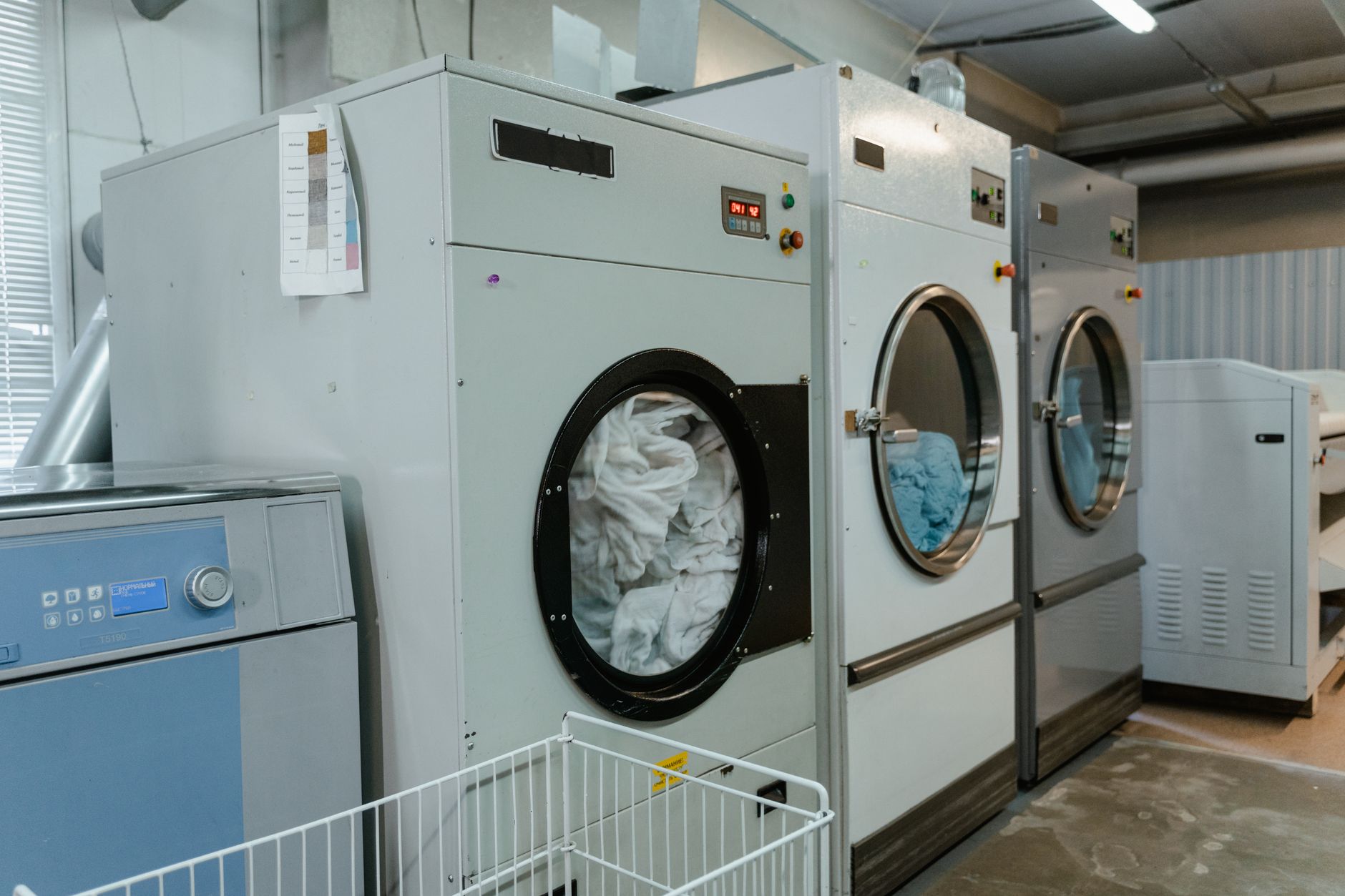
A tumble dryer is a significant household appliance that represents one of the highest energy-consuming devices if not managed or selected with efficiency in mind. Choosing the right machine involves balancing initial purchase costs against long-term electricity consumption, capacity requirements, and specific laundry habits.
⚡ In a Rush? Key Takeaways
- Heat pump dryers use 60-70% less electricity than traditional vented models.
- The average dryer cycle costs between $0.40 and $0.90 depending on machine type.
- Higher spin speeds on your washer can reduce dryer energy use by up to 15%.
- Full loads improve efficiency by ensuring you aren’t running partial, energy-hungry cycles.
- ✅ Best value: Choose a heat pump model if you dry more than twice per week.
What Are the Different Types of Tumble Dryers Available?
There are three primary dryer types: heat pump, condenser, and vented, each offering distinct levels of energy efficiency and venting requirements.
How Do Heat Pump Dryers Save Energy?
Heat pump dryers recycle hot air through an evaporator, using 60-70% less energy than standard dryers by lowering operating temperatures.
Heat pump technology is currently the gold standard for efficiency in 2026. Instead of exhausting hot air, the unit reuses it, which prevents the heat loss associated with other designs.
Because they run at lower temperatures, they are also gentler on fabrics. This reduces the wear and tear on your clothing over several years of use.
- Energy savings of over 60% compared to vented units
- Gentler drying cycle protects delicate fabric fibers
- Requires no external vent, allowing flexible placement
- Lower environmental impact due to reduced electricity draw
Why Are Vented Dryers Less Efficient?
Vented dryers exhaust all hot, humid air outside through a hose, constantly requiring new energy to heat cold air from the room.
Vented dryers are the traditional choice and often come with a lower purchase price. However, they demand a permanent vent to the outside, which limits where you can place them.
They pull in cold ambient air, heat it, pass it through clothes, and then eject it. This cycle is energy-intensive and essentially wastes the heat generated during the process.
How Do Condenser Dryers Function Without a Vent?
Condenser dryers trap moisture from the air into an internal tank, allowing for placement in any room without needing external venting.
These units collect moisture in a removable drawer or tank that you must empty periodically. They are convenient for apartments or homes without easy access to exterior walls.
They generally sit in the middle ground for energy efficiency. While more efficient than vented models, they typically consume more energy than heat pump versions.
How Much Does It Cost to Run a Tumble Dryer?
Annual running costs range from $80 to $300, determined by your dryer type, frequency of use, and local residential electricity rates.
Can You Reduce Your Drying Costs With Better Habits?
You can cut costs by 15% through higher spin speeds in your washer, cleaning the lint filter after every load, and using sensor drying.
The moisture level of clothes before they enter the dryer is the biggest variable in drying cost. A higher spin speed on your washing machine extracts more water, significantly reducing the energy needed for the dryer to finish the job.
Always maintain your appliance to keep it running at peak performance. Clogged lint filters restrict airflow, forcing the motor to work longer and harder than necessary.
| Dryer Type | Est. Cost Per Load | Est. Annual Cost |
|---|---|---|
| Vented | $0.75 – $0.90 | $250 – $300 |
| Condenser | $0.60 – $0.75 | $200 – $250 |
| Heat Pump | $0.25 – $0.40 | $80 – $120 |
Is Sensor Drying More Efficient Than Timed Drying?
Sensor-equipped dryers automatically stop when clothes reach a target moisture level, preventing over-drying and saving unnecessary energy.
Timed drying often results in clothes being heated long after they are dry. This wastes electricity and can damage your laundry through excess heat exposure.
Sensor drying uses moisture probes to detect the exact moment your clothes are ready. This feature is a standard requirement for efficient appliance intelligence in modern households.
Frequently Asked Questions About Tumble Dryers
-
How long should a quality tumble dryer last?
Most modern tumble dryers have a design life of 10 to 13 years, provided you perform regular maintenance on filters and airflow vents.
-
Do I need to leave extra space for dryer ventilation?
Vented models require an external hose, while heat pump and condenser models need only a few inches of clearance for proper air circulation.
-
Are heated airers cheaper than using a tumble dryer?
Yes, a heated airer typically costs 90% less to run than a full-size tumble dryer, though they operate much slower for large loads.
-
Should I replace my dryer if it is over 10 years old?
Replacing an old vented model with a new heat pump unit can pay for itself in energy savings alone within roughly three to four years.
Common concerns include dryer longevity, space requirements, and whether drying clothes indoors is a safer alternative for your budget.
Before you commit to a major upgrade, verify your energy efficiency needs. If your usage is low, a simpler model might suit your budget better than the most expensive heat pump unit on the market.