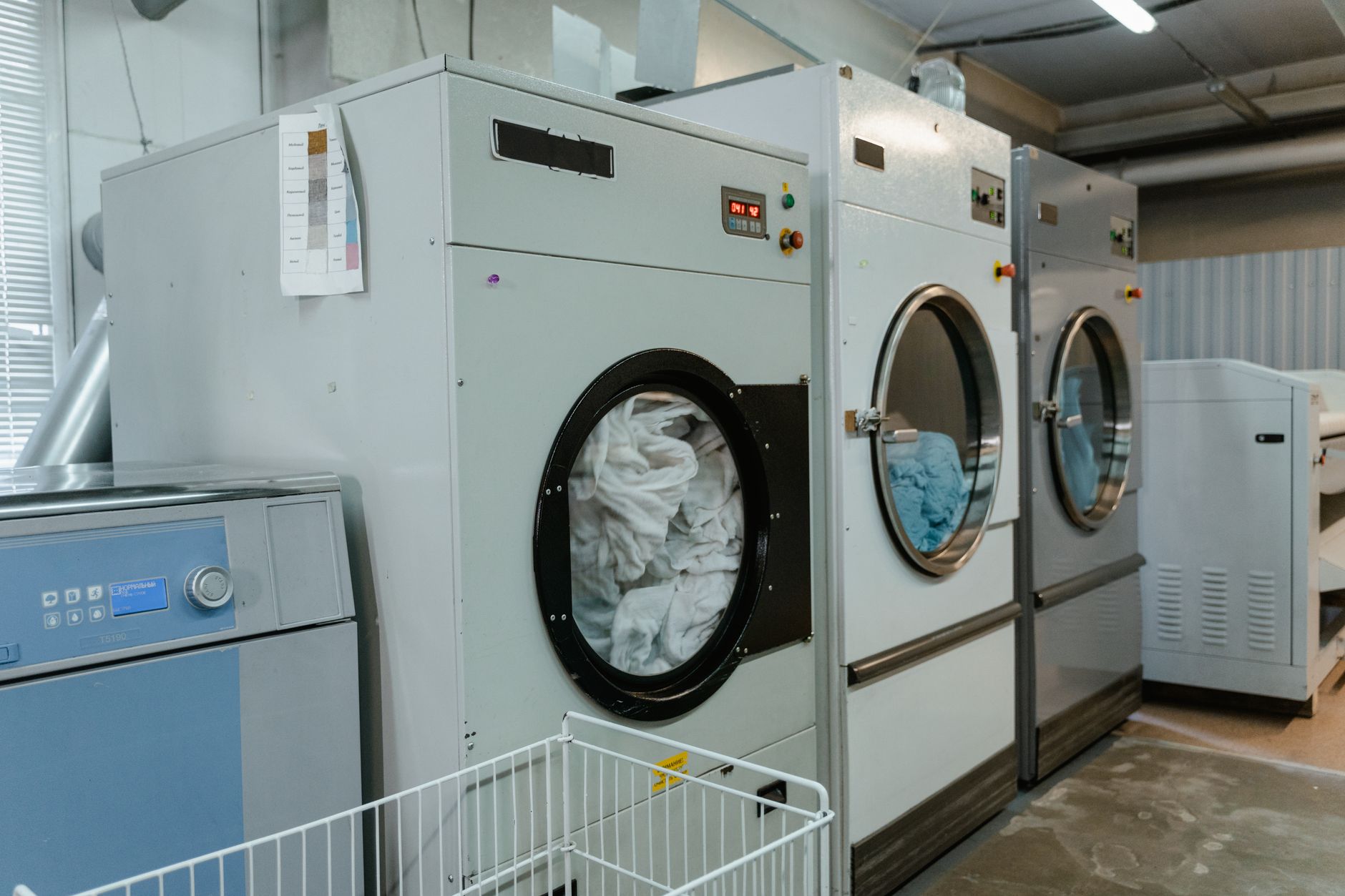
A tumble dryer is a machine that uses heated air to remove moisture from textiles, most commonly referred to as a clothes dryer in the United States. While the term “tumble dryer” is standard in international markets, American households typically use the term “clothes dryer” to describe these essential laundry appliances.
⚡ In a Rush? Key Takeaways
- Electric dryers account for 74% of machines owned by households in the US.
- Heat pump models use roughly 60% less energy than standard vented electric units.
- Over 80% of US homes have a dryer, compared to much lower saturation in Europe.
- ✅ Best value: Choose a high-efficiency electric model to minimize long-term bills.
What are the differences between a tumble dryer and a standard clothes dryer?
There is no functional difference between a tumble dryer and a clothes dryer, as they both use heated air to dry damp laundry items.
Is the term tumble dryer used in America?
In the United States, consumers almost exclusively use the term clothes dryer, while tumble dryer is the preferred global term.
Language differences often cause confusion when shopping for appliances. If you walk into a major appliance retail store, you will find thousands of listings for clothes dryers, not tumble dryers.
Both terms describe a drum that rotates clothes while pushing warm air through the load. Whether you call it a tumble dryer or a clothes dryer, the mechanical process of heat, airflow, and rotation remains the same.
Why are there different types of drying technology?
Technologies include vented, condenser, and heat pump systems, which vary significantly by installation and energy efficiency.
Most American dryers are vented, meaning they require an external duct to exhaust moist air. Condenser and heat pump models are increasingly popular internationally because they don’t require external venting.
- Vented dryers: Require a wall vent; very fast but high energy usage.
- Condenser dryers: Collect water in a reservoir; easy to install anywhere.
- Heat pump dryers: Most efficient; recycle heat to save electricity.
How much do tumble dryers cost to run in 2026?
Running costs depend on your energy source and appliance type, with electric vented models costing $0.40–$0.70 per load to operate.
Does gas or electric cost less per load?
Gas dryers generally have a lower cost per load than electric models, though they require a more expensive initial installation.
In many regions, natural gas remains cheaper than electricity for heating. If you have a natural gas hook-up, you will likely spend 30% less on your monthly energy bill compared to an equivalent electric model.
However, gas models have a higher purchase price and require specialized ventilation. You should weigh the energy efficiency savings against the added cost of professional gas line installation.
What makes a tumble dryer energy efficient?
Modern high-efficiency dryers use moisture sensors to stop the cycle automatically once clothes reach the desired dryness.
Old-fashioned timed dryers often run longer than necessary, wasting electricity and damaging fabric. Modern sensors prevent over-drying, which is the single biggest factor in reducing laundry system costs.
| Technology | Efficiency | Estimated Cost per Load |
|---|---|---|
| Vented Electric | Low | $0.60 |
| Condenser | Medium | $0.45 |
| Heat Pump | High | $0.25 |
Are tumble dryers being phased out?
No, tumble dryers are not being phased out, but the market is shifting toward more energy-efficient heat pump technology.
Why do some regions avoid tumble dryers?
Cultural preference and high energy costs lead many European and Asian households to use air drying over tumble drying.
While the United States maintains a high saturation of dryers, other countries prioritize line-drying to conserve energy. This is a choice driven by climate and energy costs rather than a regulatory ban.
Is there a most reliable brand for tumble dryers?
Reliability data consistently favors brands like Bosch and Miele, which offer longevity at a higher initial purchase price.
When selecting a dryer, focus on long-term value rather than just the lowest sticker price. High-reliability brands often feature better sensor arrays that protect your clothing investment over many years.
How to maintain a tumble dryer for safety and efficiency
Regular maintenance—cleaning the lint filter, inspecting the vent, and checking the drum—keeps drying times short, reduces fire risk, and extends appliance life.
- After each load, remove lint from the filter; a clogged filter forces the dryer to work harder, raising energy use and temperature.
- Every few months, detach the exhaust duct (if vented) and vacuum out accumulated lint to prevent blockages that can cause overheating.
- For condenser and heat‑pump models, empty the water reservoir after each cycle and wipe the condenser coil according to the manufacturer’s guide to maintain heat‑exchange efficiency.
- Inspect the drum seal and rollers annually; replace worn parts to avoid noise and uneven drying.
Frequently Asked Questions
-
What is the most reliable brand of tumble dryer?
Bosch and Miele consistently rank highest in consumer reliability surveys, offering better sensor technology and build quality.
-
What percentage of US households have a tumble dryer?
Over 80 percent of American households own a clothes dryer, making it one of the most common appliances in the country.
-
Are tumble dryers a fire hazard?
Dryers can be a fire hazard if lint filters and ducts are not cleaned regularly to prevent airflow blockages and overheating.
-
Can I use a tumble dryer in a small apartment?
Yes, compact condenser or heat pump models are perfect for small apartments because they do not require external venting ducts.