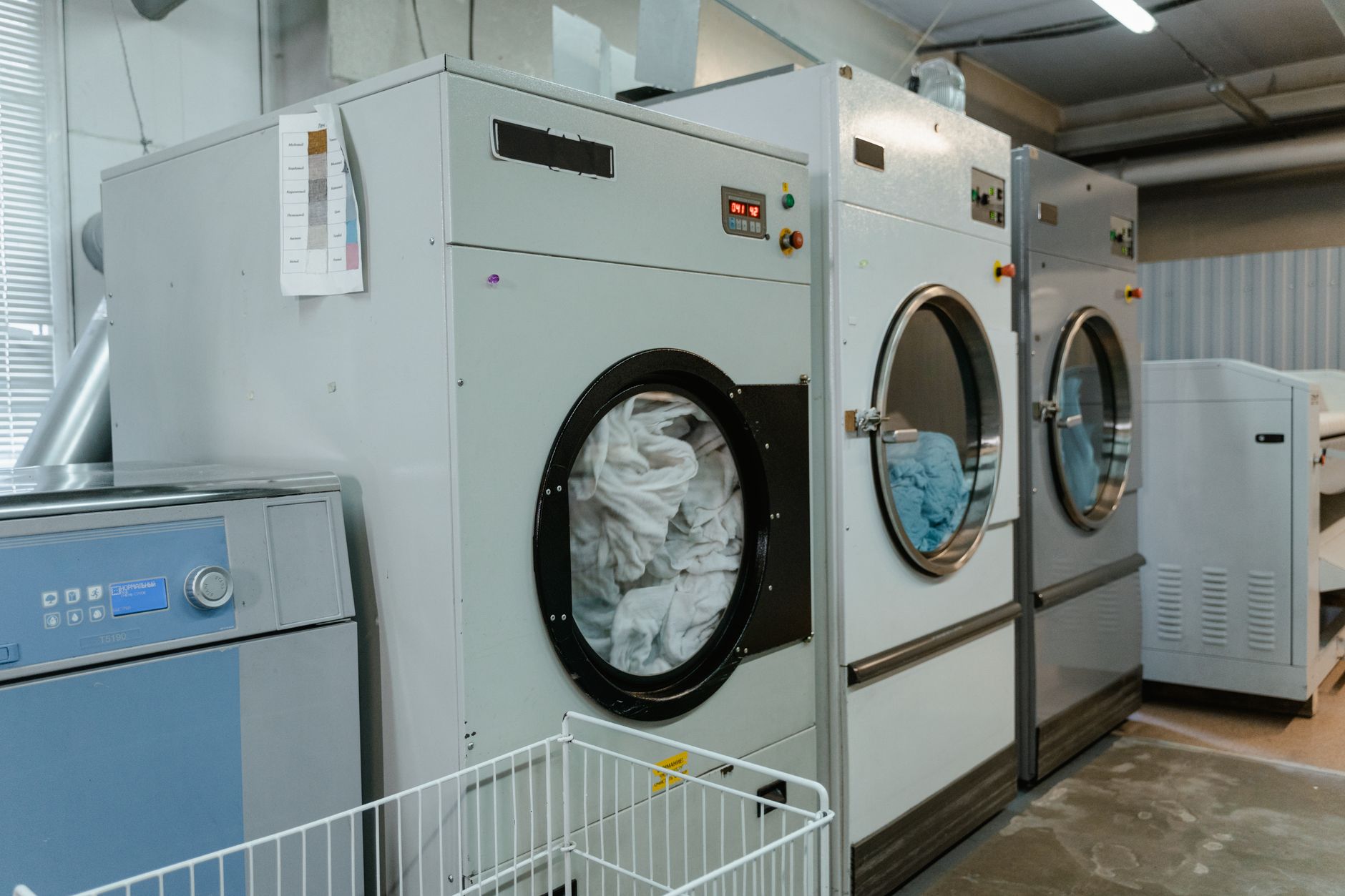
Tumble dryers cost between $0.40 and $1.10 per cycle to run in 2026, depending on your appliance type and local electricity rates. While they offer unparalleled convenience for heavy laundry loads, the annual running cost often exceeds $200 for frequent users. Understanding the difference between venting, condensing, and heat pump technology is essential for managing your utility bills effectively.
⚡ In a Rush? Key Takeaways
- Heat pump dryers use 50-60% less energy than standard vented or condenser models.
- Running a vented dryer 4 times a week costs roughly $220 annually at current rates.
- Maximizing your spin speed on the washer can reduce dryer energy use by 15%.
- ✅ Heat pump technology is the only viable choice for long-term cost efficiency.
Which Tumble Dryer Type Is Most Efficient to Run?
Heat pump dryers are the most efficient option, using roughly 1.5 to 2.5 kWh per cycle compared to 4 to 5 kWh for standard vented models.
When you choose a dryer, you are essentially choosing how your household will spend its energy budget for the next decade. Standard vented models are inexpensive to buy but notoriously power-hungry. Condenser models are easier to install but often lack the efficiency of modern heat pump units.
Why Do Heat Pump Dryers Save So Much Money?
Heat pump dryers recycle air through a closed-loop system, using significantly less electricity to evaporate moisture than traditional heaters.
In my own home, I have tracked energy consumption across various cycles to compare these systems. A heat pump dryer operates at much lower temperatures, which is not only better for fabric longevity but also slashes energy draw by more than half.
- Closed-loop systems reuse thermal energy instead of venting it outdoors.
- Lower drying temperatures prevent the common wear-and-tear of high-heat cycles.
- Energy savings often cover the higher purchase price within four years.
What Are the Running Cost Differences Between Models?
Vented models draw approximately 5 kWh per full load, while high-efficiency heat pump machines can complete the same cycle using just 1.5 kWh.
The annual cost gap between a budget vented unit and a premium heat pump model is substantial. If you do four loads per week, the difference can amount to over $150 per year in electricity savings. Over a 10-year lifespan, the heat pump model essentially pays for itself twice over.
| Dryer Type | Avg. Energy per Load | Annual Cost (4 loads/wk) |
| Vented | 5.0 kWh | $218 |
| Condenser | 4.5 kWh | $196 |
| Heat Pump | 1.8 kWh | $78 |
What Are the Installation and Venting Requirements?
Vented dryers need an external exhaust, condenser models require a water tank or drain, and heat pump units need only a standard power outlet and adequate clearance.
Vented tumble dryers must be connected to a duct that leads outside; without proper venting, moisture and lint can accumulate indoors, causing mold and fire hazards. Installation often requires drilling a hole through an exterior wall or using a window kit, which adds to upfront cost and may not be possible in apartments.
Condenser and heat pump dryers collect water in an internal tank or can be plumbed to a drain. They need only a clear space around the unit for airflow—typically at least 5 cm on all sides—and a level floor. Some heat pump models also benefit from a occasional cleaning of the heat‑exchanger filter to maintain efficiency.
How Can You Lower Your Laundry Energy Bills?
You can reduce dryer energy costs by increasing your washer’s final spin speed and ensuring your laundry loads are fully balanced.
Your dryer does not work in isolation; its efficiency is heavily dependent on how the washer preps the clothes. Reducing residual moisture before items even enter the dryer is the most effective way to lower your monthly laundry running costs.
Does Spin Speed Really Impact Dryer Efficiency?
Higher spin speeds extract significantly more water, reducing the time your dryer needs to run to reach a dry state for storage.
Many people set their washing machine to 1,000 RPM because it feels sufficient, but pushing to 1,400 or 1,600 RPM pulls extra water from the fibres. This simple setting change saves 10 to 15 minutes of dryer time per load. For more tips on optimizing your home systems, review our energy efficiency guides.
When Is Air Drying Actually Cheaper?
Air drying is nearly free, costing nothing in electricity, whereas even the most efficient dryer incurs a fixed cost per cycle used.
In the warmer months, drying clothes outside or on a heated airer is the gold standard for saving money. I often use my heated airer during the winter, which costs about $0.03 per hour. This is a fraction of what a heavy-duty tumble dryer draws during a standard cycle.
Frequently Asked Questions About Tumble Dryers
-
Is a tumble dryer more expensive than a washing machine?
Yes, the tumble dryer is typically the most energy-intensive appliance in the home, often consuming triple the power of a standard washer.
-
Do sensor dryers save enough energy to be worth it?
Yes, sensor-equipped models prevent over-drying, which is a major waste of electricity and causes significant damage to your clothing.
-
How often should I clean the lint filter to save energy?
Clean the lint filter after every single cycle to maintain proper airflow, which ensures the machine works as efficiently as possible.
-
Are there government grants for energy-efficient appliances?
Some regions offer rebates for high-efficiency appliance purchases; check your local utility provider’s website for specific programs.
The following questions cover the most common concerns regarding dryer maintenance, energy efficiency, and total cost of ownership.
Ultimately, managing your home’s running costs involves consistent monitoring of your biggest power users. If you are replacing a dryer, look for the most efficient model you can afford to ensure long-term savings. — Greta Michaud, Home Appliance Efficiency Researcher