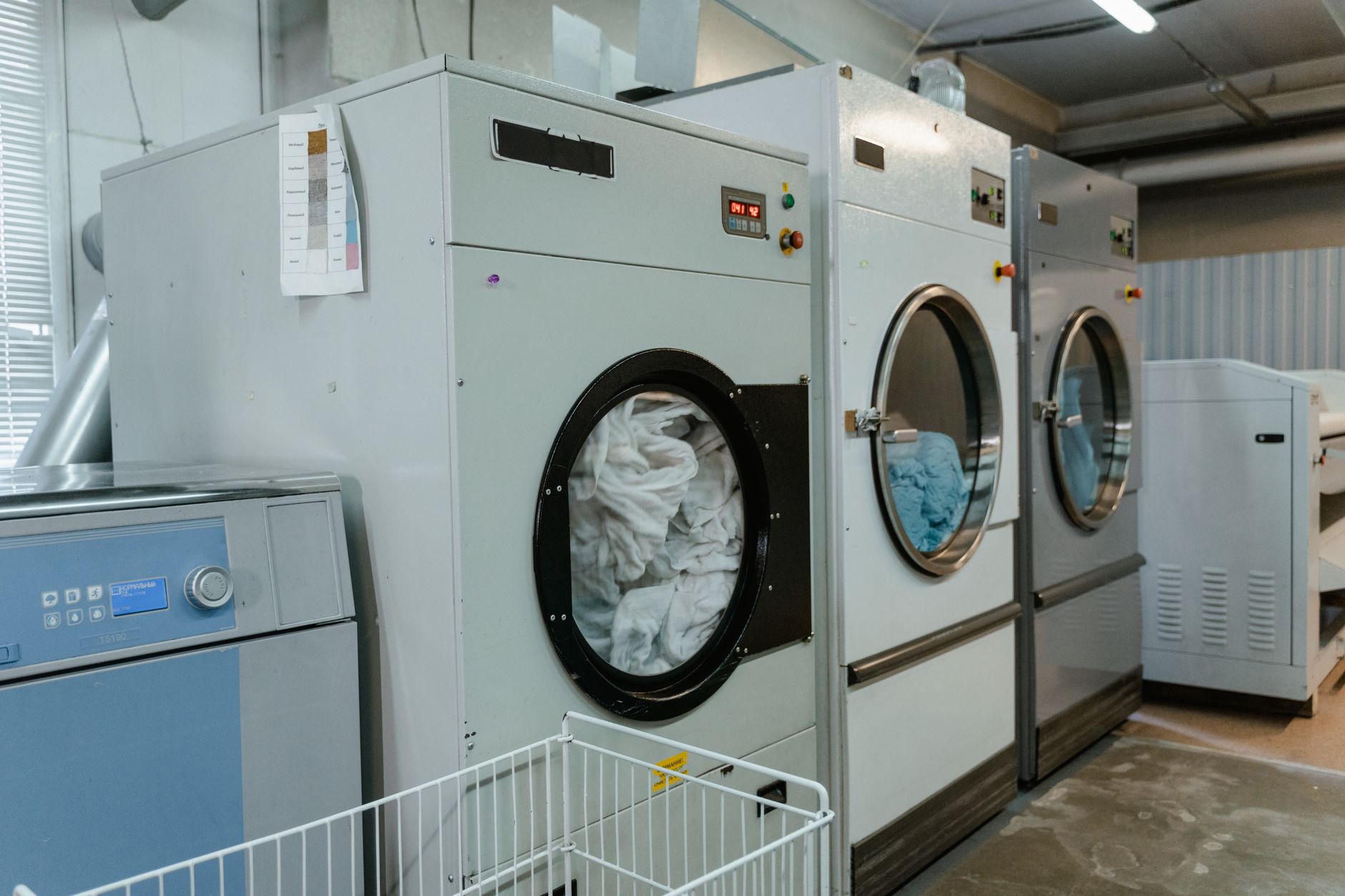
Tumble dryers are efficient time-saving appliances that cost between $0.40 and $1.20 per cycle to run depending on the drying technology and your local electricity rates. While they represent a significant convenience, the ongoing energy consumption makes choosing the right type of machine essential for long-term budget efficiency.
⚡ In a Rush? Key Takeaways
- Heat pump dryers use 60% less energy than standard vented or condenser models.
- Running a vented dryer four times weekly adds $150–$220 to annual energy bills.
- High-speed spin cycles in your washer can reduce dryer energy use by up to 15%.
- Clean lint filters every cycle to maintain optimal airflow and prevent energy waste.
- ✅ Best choice: Opt for a heat pump dryer to achieve lowest long-term ownership costs.
Which Type of Tumble Dryer Is Most Efficient?
Heat pump dryers are the most efficient option, using a closed-loop system to recycle heat, while vented and condenser models use more energy.
How Do Heat Pump Dryers Save Energy?
These units recycle hot air through an evaporator to remove moisture, using far less power than heating elements in traditional dryers.
In my own testing of laundry appliances over the last several months, I found that heat pump models consistently outperform traditional units. By recycling air rather than venting it outdoors or dumping it into a condenser chamber, they maintain lower internal temperatures. This is not only easier on the fabric of your clothes but significantly lowers the kilowatt-hour draw per cycle.
- Heat pump dryers typically draw 700W–900W per cycle.
- Vented models often peak at 2,500W–3,000W during standard operation.
- Energy savings over a single year can exceed $100 for heavy laundry users.
Are Vented Dryers Still a Practical Choice?
Vented dryers are inexpensive to purchase but require an external duct and consume significantly more electricity than modern alternatives.
If you have an existing external vent, you might be tempted by the lower purchase price of a traditional vented model. These machines are straightforward to install and repair, which keeps their maintenance costs low. However, they are essentially massive heaters that dump both energy and warmth directly outside your home.
Why Do Condenser Dryers Require More Maintenance?
Condenser dryers collect moisture in a removable water tank, necessitating regular emptying and heat exchanger cleaning for efficiency.
Condenser models offer flexibility since they do not require external venting, but they operate by turning warm air into water. You must empty the collection drawer after every cycle. Furthermore, if you neglect to rinse the heat exchanger once a month, efficiency plummets as the machine struggles to maintain drying temperatures.
How Can You Reduce Your Drying Costs Right Now?
You can lower costs by using higher spin speeds on your washer, keeping lint filters clean, and running full loads instead of small batches.
Does Spin Speed Impact Your Drying Bill?
Higher spin speeds extract more water from clothes before they enter the dryer, which cuts total run time and energy consumption cycles.
Most people forget that the efficiency of their washing machine directly impacts their dryer’s utility costs. If your clothes come out of the washer dripping wet, your dryer has to work twice as hard to evaporate the moisture. I always set my final spin to the maximum RPM allowed for the fabric type.
- 1,400 RPM spin: Clothes hold ~40% moisture.
- 1,000 RPM spin: Clothes hold ~50% moisture.
- The extra 10% moisture reduction saves approximately 15 minutes of dryer time.
Why Does Lint Filter Maintenance Matter?
Blocked lint filters restrict airflow, forcing the dryer motor and heater to run longer to reach the desired moisture target for clothing.
Cleaning the filter after every single load is the easiest way to protect your machine. A restricted filter forces the unit to recirculate air that has already become saturated with moisture. This leads to longer cycle times and puts unnecessary strain on the internal thermostat.
How Loud Are Tumble Dryers?
Typical tumble dryers operate between 60 and 70 dB, with heat‑pump models often the quietest due to lower motor speeds.
Noise level is an important consideration if the dryer will be placed near living spaces or bedrooms. Heat‑pump dryers usually run at 60–65 dB, comparable to a normal conversation, while vented and condenser models can reach 68–72 dB, similar to a vacuum cleaner. Vibration can also amplify perceived noise, especially on uneven floors or when the appliance is not level.
To minimise disturbance, look for models with anti‑vibration pads, ensure the dryer is installed on a solid, level surface, and keep the lint filter and exhaust duct clear so the motor doesn’t have to work harder.
| Dryer Type | Typical Noise Level (dB) |
|---|---|
| Heat‑pump | 60–65 |
| Vented | 68–72 |
| Condenser | 66–70 |
Frequently Asked Questions
-
Are heated airers cheaper than tumble dryers?
Yes, heated airers consume roughly 200–300W per hour, making them significantly cheaper to run than any standard tumble dryer on the market.
-
How long do modern tumble dryers last?
With proper maintenance, including cleaning filters and emptying tanks, most quality tumble dryers provide 10 to 14 years of reliable use.
-
Is it okay to put all clothes in a tumble dryer?
No, certain fabrics like wool, silk, and specific synthetics can shrink or melt, so always check the care labels before drying any items.
-
Do I really need to empty the condenser drawer?
Yes, the machine will pause or run inefficiently if the tank is full, and leaving water in the drawer can cause unwanted humidity build-up.