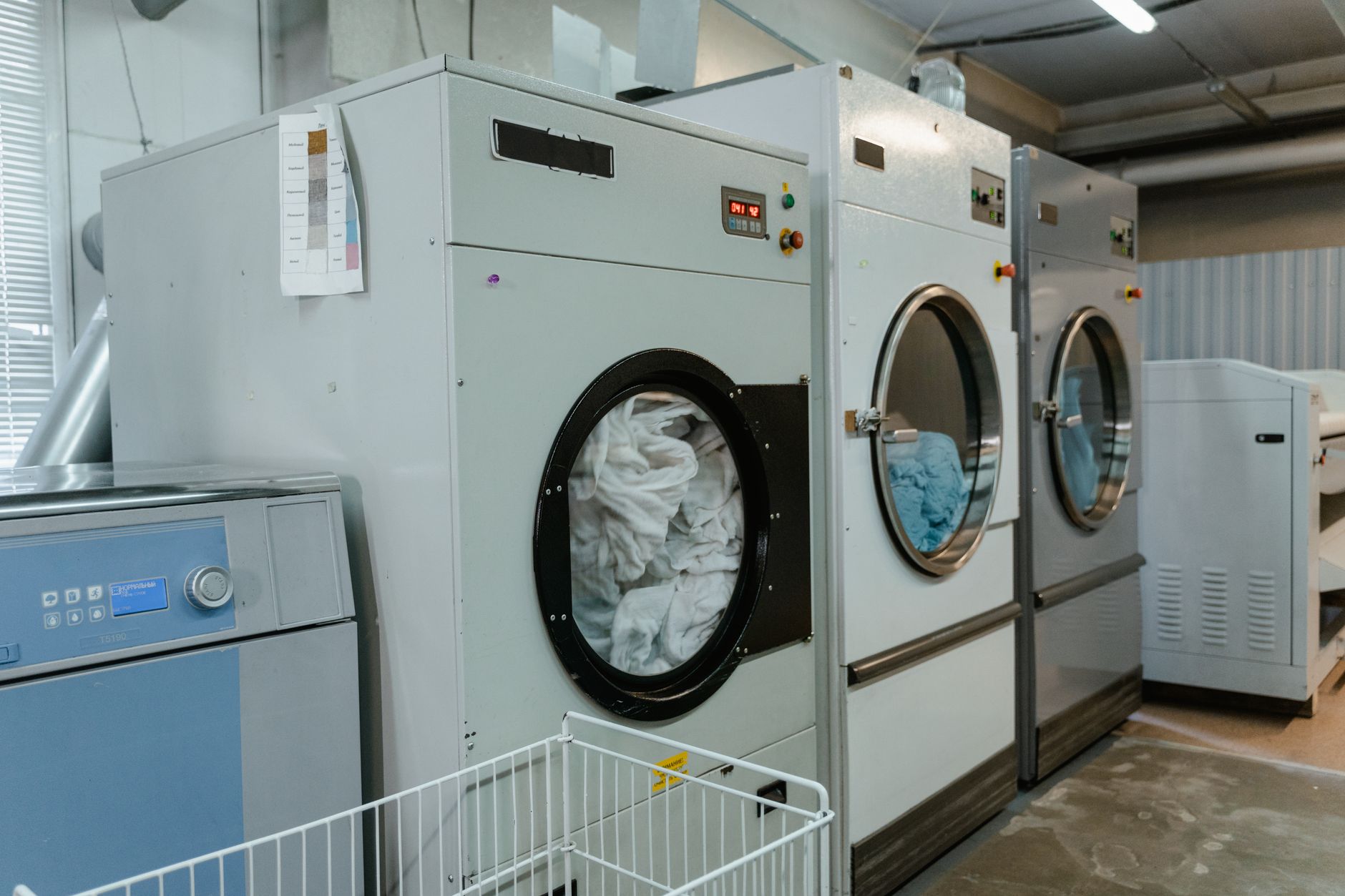
Tumble dryers are essentially a luxury of convenience rather than a household necessity, typically costing between $0.45 and $1.10 per cycle in electricity depending on the machine type and your local utility rates. While they offer unmatched speed in drying laundry, their energy consumption remains one of the largest hidden expenses in the modern home utility budget.
⚡ In a Rush? Key Takeaways
- Heat pump dryers use 60-70% less energy than standard vented or condenser units.
- A typical vented dryer cycle costs roughly $0.80, while a heat pump cycle costs $0.25.
- Higher spin speeds on your washing machine reduce dryer energy use by 10-15%.
- For small items, a heated airer is 90% cheaper than any tumble dryer.
- ✅ Only buy a heat pump dryer; the electricity savings pay for the premium in 4 years.
Which Type of Tumble Dryer Costs the Least to Run?
Heat pump dryers are the clear winners, consuming significantly less electricity by recycling hot air through a closed-loop system.
Why Are Vented Dryers Less Efficient?
Vented dryers exhaust all hot, humid air outside, meaning they must constantly heat new ambient air, wasting vast amounts of energy.
Vented dryers are the oldest technology on the market. Because they push damp air through a hose to the outside, the heating element must work continuously to maintain temperature.
This constant heating creates a high energy load throughout the cycle. If you are calculating your monthly home costs, these units are the primary culprit for spikes during winter months.
- Requires an external wall vent
- Very fast drying times
- High energy consumption per load
- Inefficient in cold climates
How Do Condenser Dryers Function Differently?
Condenser models capture moisture in a removable tank rather than venting it, but they still use significant energy to heat air.
Condenser dryers provide more flexibility for placement as they don’t require external venting. However, they are generally as energy-intensive as vented models.
They heat air, pass it over clothes, and then cool it down to condense the water. This process requires substantial power for both the heater and the cooling fan.
Is Heat Pump Technology the Most Efficient Choice?
Heat pump dryers recycle warm air through a compressor, using nearly 70% less electricity than traditional vented or condenser units.
These units function like a refrigerator in reverse. They don’t use a traditional heating element, which is why they are the only models that make sense for long-term ownership.
While the purchase price is higher, the energy savings are substantial. Over a 10-year lifespan, a heat pump unit is consistently the cheapest option for the homeowner.
How Can You Lower Your Tumble Dryer Running Costs?
Reducing energy use starts with laundry preparation, including higher spin speeds and careful load management to save electricity.
Does Washing Machine Spin Speed Affect Drying?
A higher spin speed at 1600 RPM extracts significantly more water, meaning the dryer spends less time and energy running to finish.
Many users forget that the drying process begins in the washer. If you leave your clothes too wet, the dryer must work twice as hard.
Aim for the highest spin speed your fabrics can safely handle. You will find that drying times drop by 10 to 15 minutes per cycle, directly reducing your electricity bill.
Are Full Loads More Efficient Than Half Loads?
Running full loads is more energy-efficient, but overfilling the drum prevents airflow and forces the machine to run for longer.
Efficiency is about the ratio of energy used to clothing dried. A nearly full drum uses less energy per kilogram of clothing than two half-empty cycles.
However, avoid packing the drum so tightly that air cannot circulate. Airflow is vital for the moisture to evaporate correctly, or your clothes will stay damp.
Should You Use Sensor Drying Settings?
Sensor-controlled cycles stop the machine as soon as clothes are dry, preventing unnecessary energy use from over-drying cycles.
Manual timers are the enemy of efficiency. They often keep the machine running long after the clothes are dry, wasting power and damaging fabrics.
Always choose a sensor-based programme. It monitors humidity levels and shuts off exactly when the target dryness is reached.
Maintenance Tips Specific to Each Dryer Type
Each dryer technology requires different upkeep to maintain efficiency and safety.
For vented dryers, the lint filter must be cleaned after every load, and the exhaust vent should be inspected quarterly for blockages that can reduce airflow and increase fire risk.
Condenser dryers need the water tank emptied after each cycle and the condenser coil cleaned monthly to prevent moisture buildup that hampers heat exchange.
Heat pump dryers have a filter that traps lint and debris; it should be washed weekly, and the heat exchanger fins checked biannually for dust accumulation.
What Are the Common Questions About Dryer Efficiency?
Users frequently ask about heat pump reliability, drying times, and whether alternatives like heated airers offer better value.
Is a tumble dryer bad for clothes?
High heat cycles degrade fabric fibres over time, causing shrinkage and fading; lower temperatures and sensor settings minimise damage.
Do tumble dryers need a lot of maintenance?
Yes, regular lint filter cleaning is essential to prevent fire hazards and ensure the airflow remains efficient for lower energy use.